
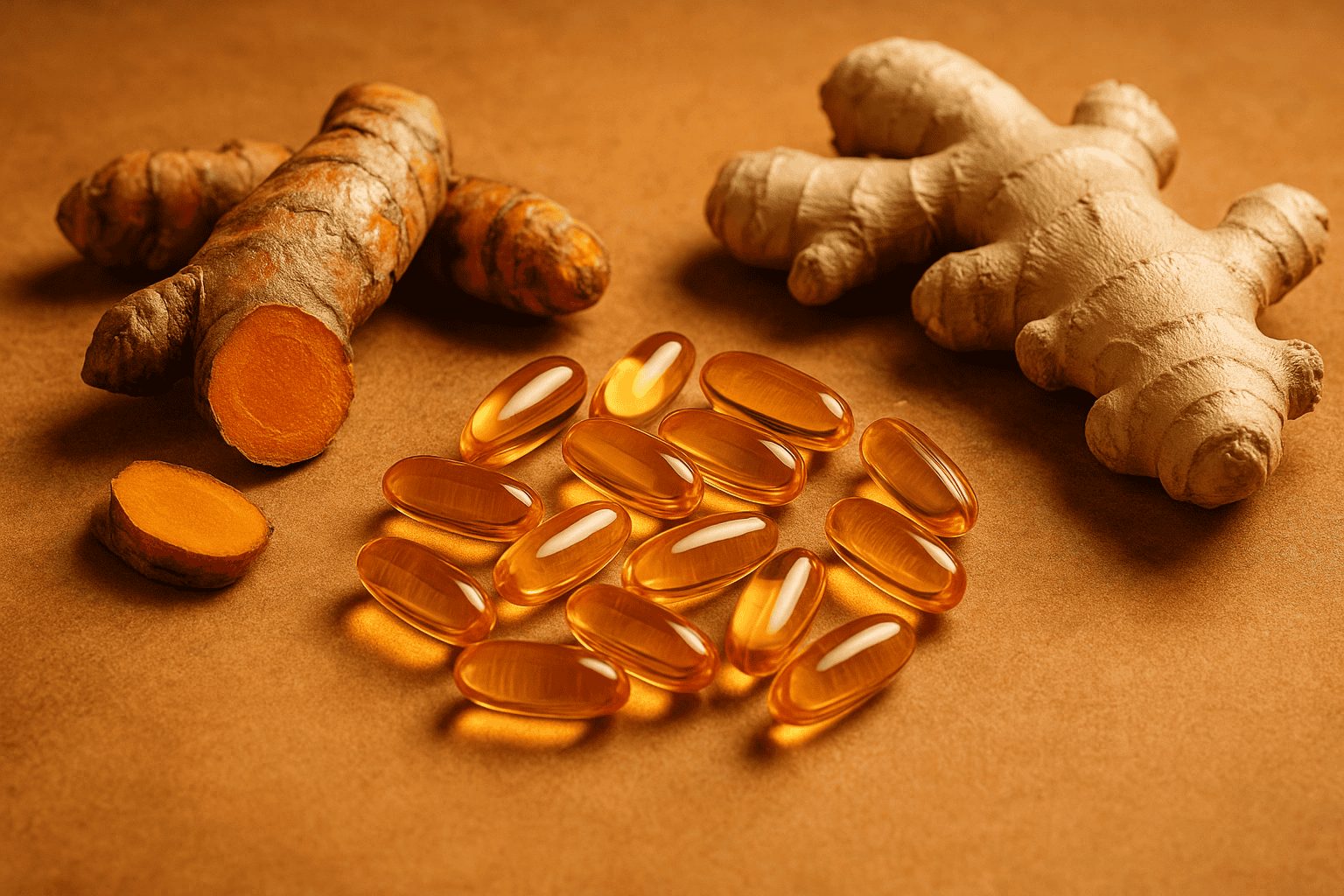
Anti-Inflammatory Diet and Supplements Guide
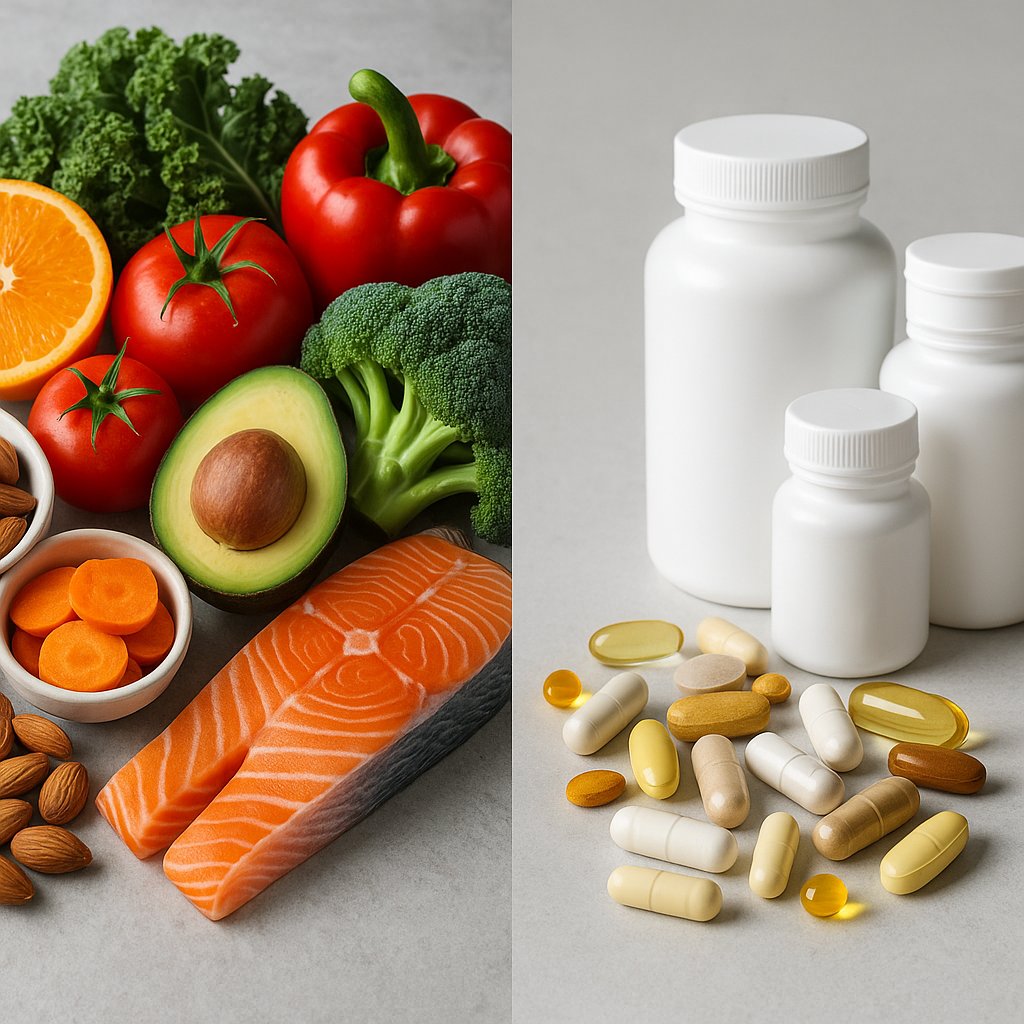
Quick Answer: Chronic low-grade inflammation drives most major diseases of aging heart disease, type 2 diabetes, Alzheimer’s, and cancer. The best anti-inflammatory supplement evidence is for omega-3 fatty acids (1–3g EPA+DHA/day), curcumin with piperine (500–1,000 mg/day), and tart cherry for exercise recovery. Diet quality matters more than any supplement a Mediterranean or whole-food diet pattern is the most evidence-backed anti-inflammatory intervention of all.
Pet owners may also be interested in how these same anti-inflammatory benefits apply to animals. See our guide on omega-3 for pets.
Inflammation gets complicated by the fact that it’s both essential for survival and a driver of chronic disease. Acute inflammation the redness and swelling after an injury, or the fever fighting an infection is a critical protective mechanism. Chronic low-grade inflammation persistent, silent, systemic is something else entirely.
This distinction matters enormously for choosing anti-inflammatory supplements. You’re not trying to suppress all inflammation (that would be immunosuppressive). You’re trying to resolve excess inflammatory signaling that the body fails to turn off.
Understanding Chronic Inflammation
Chronic low-grade inflammation is characterized by:
- Elevated inflammatory biomarkers: CRP (C-reactive protein), IL-6, TNF-α
- Activation of NF-κB signaling pathways
- Increased oxidative stress
- Macrophage and neutrophil activation persisting without acute trigger
Primary drivers:
- Processed/refined foods particularly vegetable oils high in linoleic acid and refined sugars
- Abdominal obesity adipose tissue, especially visceral fat, actively secretes pro-inflammatory cytokines
- Sedentary lifestyle regular exercise has powerful anti-inflammatory effects via myokines
- Poor sleep even one night of poor sleep increases IL-6 and CRP
- Psychological stress cortisol dysregulation feeds inflammatory cascades
- Gut dysbiosis and permeability endotoxemia (leaky gut allowing LPS into circulation) drives systemic inflammation
- Smoking and alcohol direct pro-inflammatory effects
The most effective anti-inflammatory intervention targets these root causes not supplements.
Anti-Inflammatory Diet: The Foundation
Before discussing supplements, the evidence is unambiguous: dietary pattern changes have more impact than any supplement combination.
Mediterranean Diet
Consistently the most anti-inflammatory diet pattern in clinical research:
- High in olive oil (oleocanthal has COX-inhibiting properties similar to ibuprofen)
- Abundant oily fish (EPA+DHA)
- Rich in polyphenols (herbs, spices, vegetables, red wine in moderation)
- Minimal processed meat and refined carbohydrates
Multiple large cohort studies and interventional trials (including the PREDIMED trial) show significant reductions in CRP, IL-6, and inflammatory gene expression.
Key Anti-Inflammatory Foods
| Food | Active Compound | Effect |
|---|---|---|
| Fatty fish (salmon, mackerel, sardines) | EPA, DHA | Resolvin/protectin synthesis |
| Extra virgin olive oil | Oleocanthal | COX-1/COX-2 inhibition |
| Berries | Anthocyanins, resveratrol | NF-κB suppression |
| Turmeric | Curcumin | NF-κB, COX-2, IL-6 inhibition |
| Ginger | Gingerols, shogaols | COX and 5-LOX inhibition |
| Tart cherries | Anthocyanins, melatonin | Uric acid, exercise recovery |
| Green tea | EGCG | NF-κB, oxidative stress |
| Leafy greens | Vitamin K, polyphenols | Multiple pathways |
| Walnuts | ALA, polyphenols | Complementary to marine omega-3 |
Foods to Minimize
- Refined vegetable oils (soybean, corn, sunflower) high omega-6 content drives inflammatory eicosanoid production
- Ultra-processed foods trans fats, refined sugars, additives
- Excess refined carbohydrates glucose spikes activate NF-κB
- Excessive alcohol
Omega-3 Fatty Acids: The Best-Evidenced Anti-Inflammatory Supplement
Mechanism
EPA and DHA are incorporated into cell membrane phospholipids and serve as precursors for anti-inflammatory and pro-resolving lipid mediators:
- Resolvins (from EPA and DHA) actively resolve inflammation
- Protectins (from DHA) neuroprotective anti-inflammatory lipids
- Maresins (from DHA) macrophage-mediated resolution
Simultaneously, EPA and DHA competitively displace arachidonic acid (AA), reducing production of pro-inflammatory eicosanoids (prostaglandins, leukotrienes).
Evidence
CRP reduction: A meta-analysis of 30+ RCTs (Calder 2020) found omega-3 supplementation significantly reduces CRP, IL-6, and TNF-α in people with elevated inflammatory markers.
Cardiovascular: The REDUCE-IT trial (2018) 4g/day icosapentaenoic acid (EPA only, as Vascepa/icosapent ethyl) in patients with elevated triglycerides reduced major cardiovascular events by 25%. However, results are partly attributed to EPA’s membrane-stabilizing properties beyond inflammation alone.
Joint inflammation (RA): Multiple meta-analyses confirm omega-3 reduces morning stiffness, tender joint count, and NSAID requirements in rheumatoid arthritis.
Depression: Omega-3 (particularly EPA-dominant formulations) has growing evidence for mood disorders. Inflammatory depression, characterized by high CRP, responds particularly well.
Dosing
- General anti-inflammatory support: 1–2g combined EPA+DHA/day
- Joint or cardiovascular support: 2–4g/day (preferably EPA-dominant)
- Depression/mood: 1–2g EPA-dominant omega-3/day
Source Matters
- Fish oil: Most common; look for triglyceride or re-esterified TG form for better absorption than ethyl ester form
- Krill oil: Natural phospholipid form with better membrane incorporation; contains astaxanthin as antioxidant
- Algae oil: Best option for vegetarians/vegans; provides both EPA and DHA
Curcumin (Turmeric): Multi-Pathway Anti-Inflammatory
Mechanism
Curcumin inhibits multiple inflammatory targets simultaneously:
- NF-κB signaling the master inflammation “switch”
- COX-2 enzyme same target as NSAIDs like ibuprofen
- 5-LOX enzyme reduces leukotriene production
- IL-6, IL-1β, TNF-α production
This multi-pathway approach is actually an advantage it doesn’t completely block any single pathway but moderates the entire inflammatory cascade.
The Bioavailability Problem
Raw curcumin has notoriously poor bioavailability it’s poorly absorbed and rapidly metabolized. Standard turmeric powder delivers very little bioavailable curcumin. Solutions:
Piperine (black pepper extract, BioPerine): 20 mg piperine enhances curcumin absorption by up to 2,000% by inhibiting glucuronidation. Most curcumin supplements now include this.
Phytosome form (Meriva, Indena): Curcumin bound to phospholipids for 29x better absorption. Best clinical evidence in joint studies.
Liposomal curcumin: Fat-based delivery system with improved absorption.
BCM-95 (BioAvail Curcuma): 95% curcuminoid extract with turmeric essential oils enhancing bioavailability ~7x.
Theracurmin: Nanoparticle dispersion, >27x bioavailability vs. standard.
Evidence
Osteoarthritis: Multiple RCTs show curcumin equivalent to low-dose ibuprofen for knee OA pain with significantly fewer GI side effects. A 2019 meta-analysis (Daily et al.) confirmed significant improvements in pain scores and functional disability.
General inflammation: Several RCTs show significant reductions in CRP, IL-6, and TNF-α.
Post-exercise recovery: Curcumin reduces DOMS (delayed onset muscle soreness) and markers of exercise-induced muscle damage in multiple trials.
Dosing
- Standard extract with piperine: 500–1,000 mg curcuminoids/day
- Phytosome (Meriva): 200–500 mg/day (higher bioavailability allows lower dose)
- Timing: With fat-containing meals for best absorption
Tart Cherry: Targeted Recovery and Gout
Mechanism
Tart cherries (Prunus cerasus) are exceptionally rich in:
- Anthocyanins potent antioxidants with COX-inhibiting activity
- Melatonin natural anti-inflammatory and sleep aid
- Quercetin flavonoid with NF-κB inhibition
A distinctive mechanism: anthocyanins in tart cherry reduce uric acid levels, making tart cherry particularly valuable for gout and hyperuricemia.
Evidence
Exercise recovery: Several RCTs in runners and cyclists show tart cherry juice or concentrate significantly reduces post-exercise CRP, DOMS, and strength loss. The Connolly et al. (2006) trial is the landmark study. Particularly popular with endurance athletes.
Gout and uric acid: RCTs confirm tart cherry consumption significantly reduces gout flare frequency and serum uric acid.
Sleep: Melatonin content is clinically relevant tart cherry concentrate has been shown to improve sleep quality and duration in older adults.
Dosing
- Tart cherry juice: 240–480 mL/day (high sugar consider concentrate or capsules)
- Tart cherry concentrate: 30–60 mL/day
- Tart cherry capsules: 400–800 mg standardized extract/day
Timing: Pre and post-exercise for recovery. Evening use also appropriate for sleep benefits.
Other Evidence-Backed Anti-Inflammatory Supplements
Boswellia Serrata (Frankincense)
AKBA (acetyl-11-keto-β-boswellic acid) specifically inhibits 5-LOX enzyme, reducing leukotriene production without the GI side effects of NSAIDs.
Multiple RCTs show boswellia effective for osteoarthritis, asthma, and inflammatory bowel conditions. Look for products standardized to >30% AKBA.
Dose: 100–200 mg AKBA-standardized extract, 2x/day with food
Ginger
Gingerols and shogaols (produced when ginger is dried) inhibit both COX and 5-LOX enzymes, plus have anti-nausea properties.
Some RCTs show comparable pain reduction to NSAIDs for OA and menstrual pain with better GI tolerability.
Dose: 1–3g/day standardized ginger extract
Quercetin
A flavonoid found in onions, apples, and capers. Inhibits NF-κB, reduces histamine release, and has anti-senolytic properties (clears senescent cells that release inflammatory cytokines).
Dose: 500–1,000 mg/day with meals. Quercetin phytosome form has better absorption.
Resveratrol
Found in red wine (small amounts), grape skins, Japanese knotweed. Activates SIRT1 (sirtuin-1) which downregulates NF-κB. Anti-inflammatory at adequate doses.
Dose: 250–500 mg trans-resveratrol/day. Bioavailability challenges similar to curcumin.
What Doesn’t Work (Disappointing Evidence)
- Antioxidant megadosing (vitamin E at 400 IU+, synthetic beta-carotene): High-dose antioxidants paradoxically interfered with training adaptations and showed potential harm in some studies
- Most “detox” supplements: No clinical evidence for anti-inflammatory effects; some are harmful
- Alkaline water: pH does not meaningfully affect systemic inflammation
Key Takeaways
- Chronic inflammation drives aging and most major chronic diseases and diet is the most powerful anti-inflammatory tool
- Mediterranean diet pattern is the most evidence-backed anti-inflammatory dietary intervention
- Omega-3 fatty acids (1–3g EPA+DHA/day) have the strongest supplement evidence for inflammation, cardiovascular, joint, and mood benefits
- Curcumin needs a bioavailability-enhancing form (piperine, phytosome, or liposomal) to work standard turmeric powder at normal doses is minimally effective
- Tart cherry is the best choice for exercise recovery and gout/uric acid concerns
- Boswellia (AKBA-standardized) is an excellent adjunct for joint-specific inflammation
- Address root causes first: sleep, stress, gut health, body composition, processed food reduction
Frequently Asked Questions
What is the most effective anti-inflammatory supplement?
Omega-3 fatty acids have the broadest and most robust clinical evidence across multiple inflammatory conditions. Curcumin (with bioavailability enhancement) is also well-supported, particularly for joint inflammation.
Gout sufferers in particular may benefit from tart cherry. Our evidence review covers tart cherry for gout in detail.
Does turmeric actually reduce inflammation?
Yes, but only with proper formulation. Raw turmeric or standard capsules have very poor bioavailability. Look for curcumin with piperine (BioPerine), phytosome form (Meriva), or liposomal form for clinically meaningful effects.
Is tart cherry juice good for inflammation?
Yes, particularly for exercise recovery and uric acid/gout. Tart cherry has good RCT evidence for reducing post-exercise DOMS and inflammatory markers. The juice is high in sugar; concentrate or capsule forms are often preferable.
Can anti-inflammatory supplements replace NSAIDs?
Some supplements (curcumin, boswellia) show comparable efficacy to low-dose NSAIDs for certain conditions with better GI tolerability in RCTs. However, for acute or severe inflammatory conditions, pharmaceuticals remain more reliable. Discuss any medication substitution with your doctor.
How long do anti-inflammatory supplements take to work?
Omega-3: Lab improvements in 4–8 weeks; symptom improvements often take 8–12 weeks. Curcumin: Some pain relief within 2–4 weeks; maximum effects at 2–3 months. Tart cherry: Exercise recovery benefits are acute (within hours).
Sources
- Calder PC. (2020). Omega-3 fatty acids and inflammatory processes. Nutrients, 12(5):1386.
- Daily JW, et al. (2016). Efficacy of turmeric extracts and curcumin for alleviating symptoms of joint arthritis. J Med Food, 19(8):717–729.
- Connolly DA, et al. (2006). Efficacy of a tart cherry juice blend in preventing the symptoms of muscle damage. Br J Sports Med, 40(8):679–683.
- Majeed M, et al. (2019). Boswellia serrata for joint health. Phytomedicine, 57:1–7.
- Bhagavan HN & Chopra RK. (2006). Coenzyme Q10 absorption, bioavailability. Mitochondrion, 7(Suppl):S78–88.
- Gupta SC, et al. (2013). Therapeutic roles of curcumin: Lessons learned from clinical trials. AAPS J, 15(1):195–218.
- Estruch R, et al. (2013). Primary prevention of cardiovascular disease with a Mediterranean diet. NEJM, 368(14):1279–1290.
Related Articles
- Supplement Stacking Guide 2026: What Combines Well, What Conflicts, and Timing
- Best Colostrum Supplements in 2026: Gut, Immunity, Recovery, and What the Evidence Really Says
- Akkermansia Muciniphila Supplements: Gut Barrier, Metabolic Health, and What the Research Shows
- Best Gut Health Supplements in 2026: Probiotics, Postbiotics & Beyond

Leave a Reply