
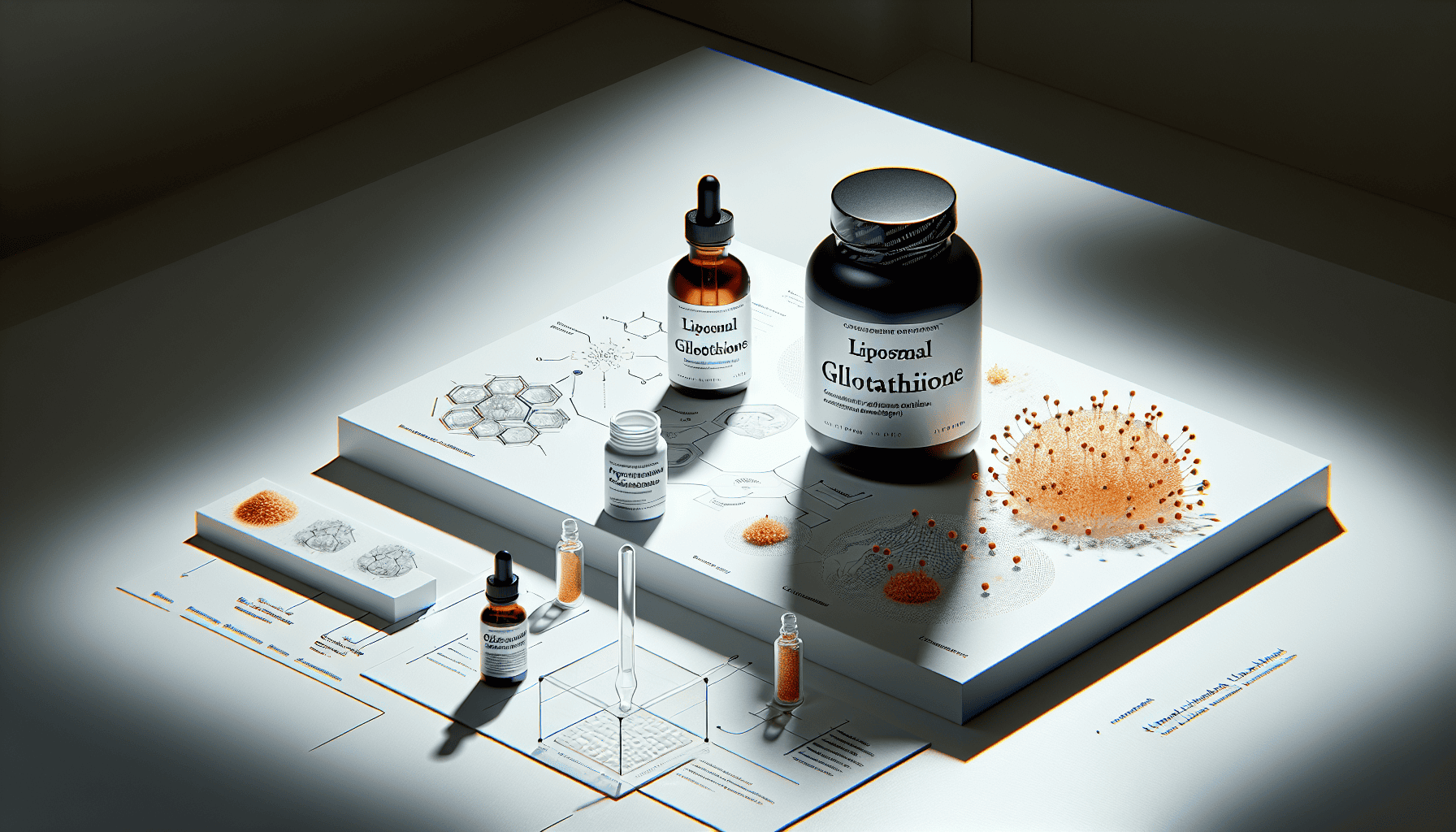
Quick Answer: Glutathione is the body’s master antioxidant. Oral supplementation is limited by poor absorption – liposomal and S-acetyl forms improve bioavailability, but supporting production with NAC and glycine often raises levels more effectively than taking glutathione directly.
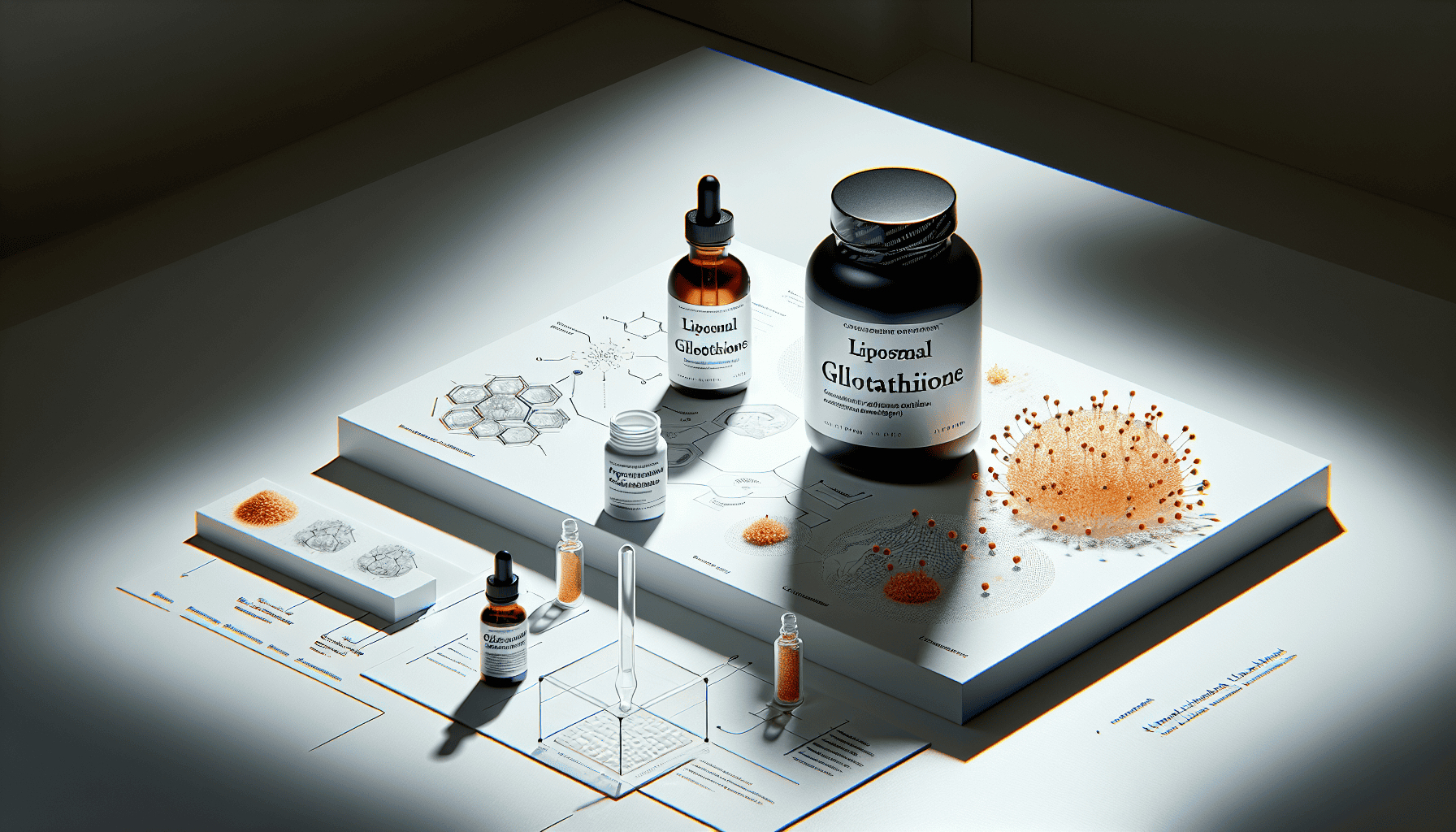
Glutathione is often called the body’s “master antioxidant” — and for good reason. It’s found in virtually every cell, it recycles other antioxidants (vitamin C and E), it’s central to detoxification in the liver, and its depletion is associated with aging, chronic disease, and oxidative stress conditions ranging from Parkinson’s disease to HIV/AIDS.
The problem: supplementing glutathione effectively is harder than it sounds.
Standard oral glutathione supplements face a significant obstacle: the tripeptide (glutamate-cysteine-glycine) is largely broken down in the gut and poorly absorbed intact. This has spurred development of advanced delivery forms — liposomal glutathione, S-acetyl glutathione, and precursor strategies using NAC and glycine. Understanding the differences is key to choosing a supplement that actually works.
What Is Glutathione and Why Does It Matter?
Glutathione (GSH) is a tripeptide synthesized in virtually all human cells. It serves three primary functions:
1. Direct antioxidant: GSH donates electrons to neutralize reactive oxygen species (ROS). The oxidized form (GSSG) is then reduced back to GSH by glutathione reductase (which requires riboflavin/B2 and NADPH).
2. Enzyme cofactor: Glutathione peroxidase enzymes use GSH to neutralize hydrogen peroxide and lipid peroxides — critical for protecting cell membranes from oxidative damage.
3. Conjugation/detoxification: In Phase II liver detoxification, glutathione S-transferases conjugate GSH to toxic compounds (drugs, pollutants, metabolic byproducts), making them water-soluble for excretion. The liver has among the highest glutathione concentrations of any organ.
Who is most at risk of depletion?
- Older adults (GSH synthesis declines with age)
- Heavy alcohol consumers (alcohol depletes hepatic GSH)
- HIV/AIDS patients
- Those with chronic inflammatory or oxidative stress conditions
- People with high toxic exposures (smoking, heavy metals, certain medications)
- People taking acetaminophen at high doses (it depletes hepatic GSH, which is why NAC is the antidote for Tylenol overdose)
The Oral Bioavailability Problem
Early skepticism about oral glutathione was largely justified. The digestive system breaks down most intact glutathione in the gut before absorption occurs. A 1992 study by Witschi and colleagues showed that even large oral doses of glutathione failed to raise plasma glutathione levels meaningfully.
However, more recent research — and more sophisticated delivery forms — has complicated this picture.
A 2015 randomized controlled trial in the European Journal of Nutrition found that oral liposomal glutathione raised whole blood and lymphocyte GSH significantly over 4 weeks compared to placebo. Newer research with other delivery forms has similarly shown meaningful increases.
The takeaway: form matters enormously with glutathione. Standard (unprotected) oral glutathione has poor bioavailability. Liposomal and S-acetyl forms appear to have substantially better absorption.
Delivery Forms Compared
Standard (Reduced) Glutathione
The basic form found in many supplements. L-glutathione or GSH. Largely broken down in the gut. Absorption to tissues is limited but not zero — some may be absorbed as component amino acids and resynthesized, or a small fraction may be absorbed via intestinal glutathione transporters. Generally the least effective oral form.
Liposomal Glutathione
Glutathione encapsulated in phospholipid liposomes — small fat-soluble vesicles that can survive the digestive tract and deliver GSH to intestinal cells. Liposomes mimic cell membranes and allow cellular uptake of their cargo.
Evidence: The 2015 clinical trial cited above used a liposomal form (Setria®) and showed significant increases in GSH levels. Liposomal delivery is well-established for other nutrients (liposomal vitamin C, liposomal NMN) and appears to work similarly for glutathione.
Downside: More expensive. Typically comes as a liquid or softgel with a distinctive sulfurous taste. Some brands use very small actual amounts of glutathione in a liposomal complex; check the label for actual mg.
S-Acetyl Glutathione
The acetyl group on the cysteine portion protects glutathione from degradation in the gut. Once absorbed, intracellular enzymes remove the acetyl group, releasing free GSH inside the cell. This means S-acetyl glutathione may actually deliver GSH directly to where it’s needed, not just to the bloodstream.
Several small studies have shown S-acetyl glutathione raises intracellular GSH levels. It may be particularly effective for raising GSH within mitochondria, which is therapeutically important since mitochondrial oxidative stress is central to aging.
Downside: Less clinical trial data than liposomal forms. More expensive than standard GSH.
Sublingual Glutathione
Dissolved under the tongue for absorption through the sublingual mucosa, bypassing digestive breakdown. Some liquid products are designed for sublingual use. Limited clinical data but mechanistically reasonable.
Precursor Approaches (NAC, Glycine, GlyNAC)
Rather than supplementing GSH directly, you can provide the building blocks:
N-Acetyl Cysteine (NAC): The rate-limiting precursor to glutathione synthesis is cysteine. NAC is a stable, well-absorbed form of cysteine. It’s been used in medicine for decades (IV NAC is the antidote for acetaminophen overdose). Multiple studies show NAC effectively raises glutathione levels. It’s also a mucolytic and antioxidant in its own right.
Glycine: The third amino acid in glutathione. Older adults appear to be deficient in both cysteine and glycine for optimal GSH synthesis. Supplementing both (GlyNAC) addresses both rate-limiting substrates.
GlyNAC: The combination of glycine + NAC is the most evidence-supported precursor strategy. A landmark 2021 pilot clinical trial by Kumar et al. in Clinical and Translational Medicine found that GlyNAC supplementation in older adults:
- Corrected glutathione deficiency
- Reduced oxidative stress
- Improved mitochondrial function
- Improved multiple hallmarks of aging (strength, cognition, body composition, waist circumference)
A follow-up 2022 randomized trial in Journal of Gerontology confirmed these findings in a randomized, blinded design. GlyNAC is currently one of the most exciting longevity-adjacent supplements in research.
Which precursor strategy is best?
- For general glutathione support: NAC alone (600–1200 mg/day) is well-studied and affordable
- For anti-aging and longevity focus: GlyNAC (NAC + glycine, typically 800 mg NAC + 1000 mg glycine) is more compelling than direct GSH supplementation per the current evidence
Clinical Evidence for Glutathione Supplementation
Parkinson’s disease: IV glutathione has been studied in small trials. An Italian open-label trial showed symptom improvement. However, rigorous RCTs are lacking. Intranasal delivery is being studied.
Liver disease/NAFLD: Oral glutathione (250–500 mg/day) has shown modest improvements in liver enzyme markers in small trials of NAFLD patients.
Skin lightening: Glutathione is popular in some Asian markets as a skin-lightening agent. Some clinical evidence supports this use, including a 2012 trial showing skin lightening with oral 500 mg/day over 4 weeks. The mechanism involves shifting melanin production. The safety data is less clear for high-dose use for cosmetic purposes.
Exercise recovery: Some research shows oral glutathione supplementation reduces muscle oxidative stress and may improve recovery from resistance training.
HIV/AIDS: GSH depletion is well-documented in HIV. NAC supplementation is one of the more studied interventions and appears to support immune function in this population.
Dosing Guidelines
| Form | Typical Dose | Notes |
|---|---|---|
| Standard oral GSH | 250–500 mg/day | Low bioavailability; generally least effective |
| Liposomal GSH | 200–500 mg/day | Better absorbed; take on empty stomach |
| S-Acetyl GSH | 100–300 mg/day | Higher potency per mg; take with food |
| NAC | 600–1800 mg/day | Well-studied; take in divided doses |
| GlyNAC | 1000–2400 mg/day combined | Promising for aging; divided doses |
Frequently Asked Questions
Should I just take NAC instead of glutathione directly?
For many people, yes. NAC is better studied, cheaper, and effectively raises glutathione levels. The GlyNAC combination is even more compelling for aging-focused supplementation. Direct glutathione supplementation (liposomal or S-acetyl) may be preferred when you need more immediate GSH elevation, such as for acute liver support or specific clinical indications.
Is glutathione safe long-term?
Glutathione and its precursors are generally well-tolerated. NAC at high doses can occasionally cause GI upset. One theoretical concern with very high-dose antioxidant supplementation is that it could blunt hormetic adaptations to exercise — the idea that some ROS production from exercise is signaling important adaptations. This is a reason to avoid extremely high doses during athletic training without specific indication.
Can I get enough glutathione from food?
Dietary glutathione is found in fruits and vegetables (especially asparagus, avocado, spinach). However, dietary GSH has similar absorption issues to supplemental GSH. Dietary intake of glutathione precursors (high-quality protein, selenium for glutathione peroxidase function) is more effective than relying on dietary GSH itself.
Is IV glutathione worth it?
IV glutathione clearly works in terms of raising plasma levels. It’s used in neurological clinics for Parkinson’s and in some integrative medicine practices for detoxification. However, the evidence base for most indications is thin, costs are high, and IV carries inherent risks. For most healthy people, oral forms are sufficient. IV may be appropriate in specific clinical contexts.
What depletes glutathione most?
Acetaminophen (especially at high/repeated doses), alcohol, smoking, environmental toxins, chronic inflammation, and aging are the primary depleters. If you’re regularly using acetaminophen, NAC supplementation deserves serious consideration.
Does glutathione help with hangovers?
Alcohol depletes hepatic glutathione and generates acetaldehyde, which glutathione helps neutralize. Pre-drinking NAC (not during drinking — it can affect alcohol metabolism unpredictably) or post-drinking NAC may support liver recovery. This is a harm-reduction approach, not a license to drink more.
Are there any drug interactions with glutathione supplements?
NAC can interact with nitroglycerin (increased vasodilatory effects), cisplatin (potential interference with chemotherapy — discuss with oncologist), and anticoagulants. Direct glutathione supplements have fewer known interactions but consult your physician if on complex medication regimens.
Key Takeaways
- Standard oral glutathione is largely degraded before absorption; liposomal and S-acetyl forms have better but still limited bioavailability.
- NAC (N-acetyl cysteine), glycine, and alpha-lipoic acid support the body’s own glutathione synthesis – often more effective than direct supplementation.
- IV glutathione bypasses absorption limitations but requires clinical administration.
- Glutathione declines with age, illness, alcohol use, and chronic oxidative stress.
- Emerging evidence supports benefits for liver health, skin brightening, and respiratory conditions; large-scale RCTs are still limited.
Conclusion
Glutathione supplementation is genuinely promising, particularly as delivery science has improved. If you’re considering glutathione supplementation, the evidence points toward:
- NAC or GlyNAC as the most cost-effective, well-studied approach for most people
- Liposomal glutathione when you want direct GSH delivery rather than precursor support
- S-acetyl glutathione as an alternative to liposomal with potentially superior intracellular delivery
Avoid standard (non-liposomal, non-acetylated) oral glutathione at high expense — the absorption data doesn’t justify the cost. Focus on quality products with documented bioavailability, and consider combining direct supplementation with lifestyle factors that support glutathione: minimizing acetaminophen, limiting alcohol, eating adequate protein, and including sulfur-rich foods (garlic, onions, cruciferous vegetables) that support natural synthesis.
Sources
- Reviews on glutathione supplementation. PubMed search.
- Reviews on liposomal glutathione bioavailability. PubMed search.
- Reviews on S-acetyl glutathione. PubMed search.
- Reviews on NAC as a glutathione precursor. PubMed search.
- NIH ODS. Dietary supplement fact sheets.
Related Articles
- Longevity Supplements in 2026
- Fisetin Supplements: Senolytic & Longevity
- Supplement Stacking Guide
- How to Buy Supplements
- Recovery Supplements After 40


Leave a Reply