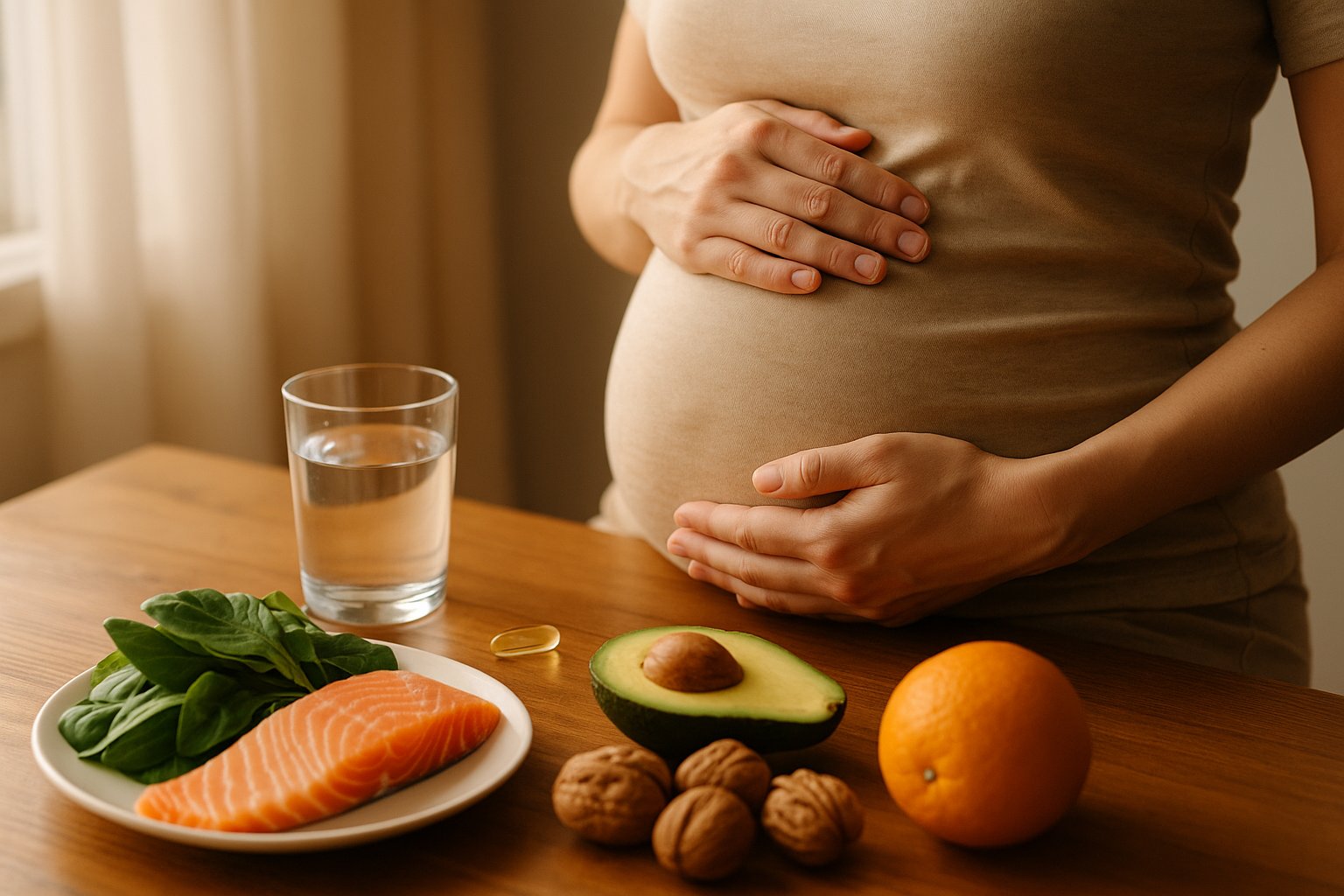
Quick Answer: Not all supplements are safe during pregnancy — and some that are fine in the second trimester are risky in the first. This database classifies 50+ supplements as Safe, Caution, Avoid, or Insufficient Data for each trimester and breastfeeding, based on FDA guidance, Cochrane reviews, and LactMed. Bookmark it before buying anything.
Key Takeaways
- Folate, methylfolate, DHA, D3, iodine, choline, and iron are not just safe — they’re essential in all three trimesters.
- Ashwagandha, black cohosh, blue cohosh, St. John’s Wort, and berberine should be strictly avoided throughout pregnancy.
- Raspberry leaf tea transitions from Avoid in T1/T2 to Caution in T3 and generally Safe during breastfeeding.
- Caffeine is classified Caution at all doses under 200mg/day — not “safe” — with consistent signal for elevated miscarriage risk above 200mg.
- Most herbal supplements, adaptogens, and fat burners fall in the “Insufficient Data” or “Avoid” categories — manufacturers rarely fund pregnancy-specific trials.
- “Natural” does not mean safe during pregnancy. Many herbs act as uterine stimulants, increase bleeding risk, or have teratogenic potential.
How to Use This Database
This database uses four classifications:
- ✅ SAFE — Supported by multiple controlled trials or long-term observational data; no significant fetal risk at normal doses
- ⚠️ CAUTION — Some risk signal or limited data; consider only with physician approval; dose-dependent concerns
- 🚫 AVOID — Clear evidence of harm, uterine stimulant activity, teratogenicity, or fetal growth concerns
- ❓ INSUFFICIENT DATA — No meaningful pregnancy-specific trials; risk unknown; consult physician
Always discuss any supplement with your OB, midwife, or maternal-fetal medicine specialist before taking it during pregnancy. This guide is informational only.
Essential Prenatal Supplements: All Stages
These supplements are not merely safe — the evidence supports them as necessary for fetal development.
| Supplement | T1 | T2 | T3 | Breastfeeding | Notes |
|---|---|---|---|---|---|
| Folate / Folic Acid | ✅ | ✅ | ✅ | ✅ | Critical neural tube protection; begin before conception |
| Methylfolate (5-MTHF) | ✅ | ✅ | ✅ | ✅ | Preferred for MTHFR variants; same efficacy |
| DHA / Omega-3 | ✅ | ✅ | ✅ | ✅ | Brain development; 200–300mg DHA/day recommended |
| Vitamin D3 | ✅ | ✅ | ✅ | ✅ | 1,000–2,000 IU/day; low-dose is well-established |
| Iodine | ✅ | ✅ | ✅ | ✅ | 150–220mcg/day; thyroid and brain development |
| Choline | ✅ | ✅ | ✅ | ✅ | 450mg/day in pregnancy; under-supplemented |
| Iron (Ferrous Bisglycinate) | ✅ | ✅ | ✅ | ✅ | 27mg/day prenatal; up to 45mg if deficient |
| Vitamin B6 | ✅ | ✅ | ✅ | ✅ | Reduces nausea (T1); safe at prenatal doses |
| Vitamin B12 | ✅ | ✅ | ✅ | ✅ | Critical for vegans/vegetarians |
| Calcium | ✅ | ✅ | ✅ | ✅ | 1,000mg/day; critical for bone development |
| Prenatal Multivitamin | ✅ | ✅ | ✅ | ✅ | Choose methylfolate, no high-dose retinol |
| Thiamine (B1) | ✅ | ✅ | ✅ | ✅ | Required for fetal neurological development |
| Riboflavin (B2) | ✅ | ✅ | ✅ | ✅ | Cell growth and energy; safe at standard doses |
| Beta-Carotene | ✅ | ✅ | ✅ | ✅ | Convert-as-needed vitamin A; no toxicity risk |
Caution Supplements: Use Only With Physician Guidance
These supplements require physician involvement but are not automatically prohibited.
| Supplement | T1 | T2 | T3 | Breastfeeding | Key Concern |
|---|---|---|---|---|---|
| Zinc (above 25mg/day) | ⚠️ | ✅ | ✅ | ✅ | High doses impair copper absorption; prenatal levels fine |
| Probiotics | ⚠️ | ✅ | ✅ | ✅ | Generally safe; T1 evidence limited; strain-specific |
| CoQ10 | ❓ | ⚠️ | ⚠️ | ⚠️ | May prevent preeclampsia per some RCTs; dosing uncertain |
| Vitamin K2 | ⚠️ | ✅ | ✅ | ✅ | MK-7 theoretical interference with blood clotting at high dose |
| Ginger (food doses ≤1g/day) | ✅ | ✅ | ✅ | ✅ | Proven nausea relief; above 1g/day use caution |
| Chamomile Tea | ⚠️ | ⚠️ | ⚠️ | ⚠️ | Uterine stimulant at high doses; herbal tea once/day likely fine |
| Echinacea | ⚠️ | ⚠️ | ✅ | ⚠️ | Some concern for T1 immune modulation; T3 likely safe |
| Melatonin | ⚠️ | ⚠️ | ⚠️ | ⚠️ | Endogenous hormone; animal data shows fetal effects; use minimally |
| Magnesium Oxide (laxative dose) | ⚠️ | ⚠️ | ⚠️ | ⚠️ | Therapeutic Mg (glycinate/citrate) is safe; oxide as laxative is okay short-term |
| Caffeine ≤200mg/day | ⚠️ | ⚠️ | ⚠️ | ⚠️ | Stay below 200mg; consistent signal for risk above threshold |
| Fish Oil >3g/day | ⚠️ | ⚠️ | ⚠️ | ✅ | Blood-thinning at very high doses; standard 1–2g DHA/EPA is fine |
| Cod Liver Oil | 🚫 | ⚠️ | ⚠️ | ⚠️ | Preformed vitamin A risk in T1; use DHA-specific oil instead |
| Raspberry Leaf Tea | 🚫 | 🚫 | ⚠️ | ✅ | Uterotonic; sometimes used near term under midwife guidance |
| Evening Primrose Oil | 🚫 | 🚫 | ⚠️ | ✅ | Cervical ripening use near term; avoid in early pregnancy |
| Apple Cider Vinegar | ❓ | ⚠️ | ⚠️ | ✅ | Unpasteurized form risks; diluted pasteurized likely fine |
Supplements to Avoid During Pregnancy
These supplements carry documented risk, uterotonic activity, teratogenicity, or strong precautionary signals from multiple health authorities.
| Supplement | T1 | T2 | T3 | Breastfeeding | Why Avoid |
|---|---|---|---|---|---|
| Ashwagandha | 🚫 | 🚫 | 🚫 | 🚫 | Uterine stimulant; animal miscarriage data; avoid entirely |
| Maca Root | 🚫 | 🚫 | 🚫 | ⚠️ | Hormone-modulating; no human pregnancy safety data |
| Black Cohosh | 🚫 | 🚫 | 🚫 | 🚫 | Uterotonic; associated with preterm labor |
| Blue Cohosh | 🚫 | 🚫 | 🚫 | 🚫 | Causes fetal heart defects; strongly contraindicated |
| Valerian Root | 🚫 | 🚫 | 🚫 | 🚫 | Sedative; possible fetal cardiac effects; no safety data |
| St. John’s Wort | 🚫 | 🚫 | 🚫 | 🚫 | Drug interactions; potential preterm uterine contractions |
| Dong Quai | 🚫 | 🚫 | 🚫 | 🚫 | Uterotonic; phytoestrogens; anticoagulant activity |
| Red Clover | 🚫 | 🚫 | 🚫 | 🚫 | Strong phytoestrogen; alters fetal sex hormone development |
| Berberine | 🚫 | 🚫 | 🚫 | 🚫 | Crosses placenta; fetal bilirubin displacement; jaundice risk |
| 5-HTP | 🚫 | 🚫 | 🚫 | ⚠️ | Serotonin modulation; fetal effects; no safety data |
| Caffeine >200mg/day | 🚫 | 🚫 | 🚫 | ⚠️ | Increased miscarriage, low birth weight, preterm risk |
| Green Tea Extract (EGCG) | 🚫 | 🚫 | 🚫 | ⚠️ | High EGCG interferes with folate metabolism; antifolate |
| Retinol Vitamin A >5,000 IU | 🚫 | 🚫 | 🚫 | ✅ | Teratogenic at high doses; causes neural tube defects |
| Creatine | 🚫 | 🚫 | 🚫 | ❓ | No pregnancy safety data; theoretical concerns |
| Yohimbine | 🚫 | 🚫 | 🚫 | 🚫 | Stimulant; raises blood pressure; uterine stimulant |
| Ephedra/Ma Huang | 🚫 | 🚫 | 🚫 | 🚫 | Banned in US; strongly contraindicated |
| Any “fat burner” blend | 🚫 | 🚫 | 🚫 | 🚫 | Stimulant blends; untested combinations; no safe forms |
Supplements With Insufficient Data
For these supplements, there simply isn’t enough human pregnancy-specific research to classify them definitively. That doesn’t make them safe — it means the risk is unknown.
| Supplement | T1 | T2 | T3 | Breastfeeding | Notes |
|---|---|---|---|---|---|
| L-Theanine | ❓ | ❓ | ❓ | ❓ | No human pregnancy RCTs; animal data reassuring |
| Collagen Peptides | ❓ | ❓ | ❓ | ❓ | Food-derived protein; likely fine; no studies |
| Glucosamine | ❓ | ❓ | ❓ | ❓ | Limited human data; theoretical concerns |
| Hyaluronic Acid (oral) | ❓ | ❓ | ❓ | ❓ | Endogenous molecule; no adverse reports; no studies |
| Resveratrol | ❓ | ❓ | ❓ | ❓ | Estrogenic activity in vitro; no clinical data |
| Quercetin | ❓ | ❓ | ❓ | ❓ | Flavonoid; limited data; theoretical mutagenicity concerns |
| NAC (N-Acetyl Cysteine) | ❓ | ❓ | ❓ | ❓ | Some use in PCOS/pregnancy loss; consult physician |
| Alpha-Lipoic Acid | ❓ | ❓ | ❓ | ❓ | Antioxidant; limited pregnancy data; use with caution |
Supplement Safety by Trimester: Key Principles
First Trimester (Weeks 1–12)
This is the period of organogenesis — when all major organs form. It is the highest-risk window for:
- Teratogenic compounds
- Uterine stimulants that could trigger miscarriage
- Compounds affecting placental implantation
Principle: Use only well-studied prenatal supplements. Avoid anything with uterotonic, phytoestrogenic, or stimulant activity.
Second Trimester (Weeks 13–26)
The fetus is growing rapidly but organ formation is mostly complete. Risk is lower, but:
- High-dose supplements still pose absorption and growth concerns
- Fetal nervous system development continues (critical for DHA, iodine, choline)
Principle: Maintain core prenatals. Some borderline supplements become acceptable with physician guidance.
Third Trimester (Weeks 27–40)
The fetus gains ~70% of birth weight. Key concerns:
- Uterotonic supplements could trigger preterm labor
- Blood-thinning agents could complicate delivery
- Calcium, DHA, and iron needs increase
Principle: Avoid anything with uterine activity. Keep DHA, calcium, and iron optimized.
Breastfeeding
Many supplements pass into breast milk. Fat-soluble compounds (vitamins A, D, E, K) and some herbal alkaloids transfer readily. The safest approach is to continue a postnatal multivitamin, maintain DHA at 200–300mg/day, and avoid herbs that suppress prolactin or have stimulant activity.
What’s Actually in Most Prenatal Vitamins (and What’s Missing)
Most prenatal vitamins cover the basics. Here’s what to look for — and what’s commonly absent:
Usually adequate in prenatals:
- Folic acid or methylfolate (400–800mcg) ✅
- Iron (27mg) ✅
- Vitamin D (400–1000 IU — often too low) ⚠️
- B12 (6–12mcg) ✅
- Zinc (11–15mg) ✅
Usually missing or underdosed:
- DHA (most prenatals skip fish oil entirely) ❌ — buy separately
- Choline (rarely included above 55mg) ❌ — buy separately
- Iodine (many brands still skip it) ❌ — verify label
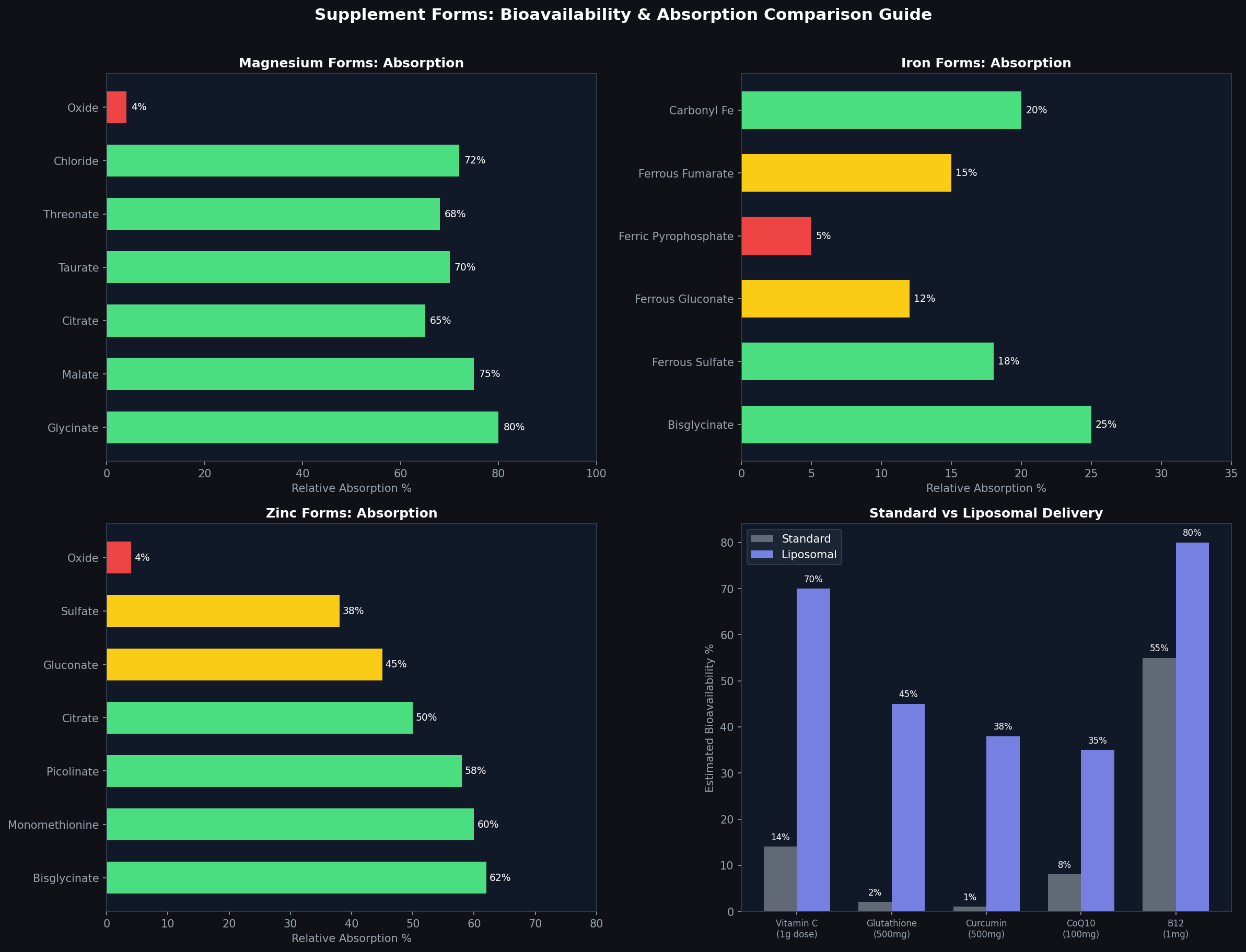
- Magnesium (poorly absorbed forms if included) ❌
- Vitamin D (400 IU is below therapeutic range) ❌ — most OBs recommend 1,000–2,000 IU
Red flags in prenatal formulas:
- Folic acid only (no methylfolate option for MTHFR variants)
- Vitamin A as retinol above 5,000 IU
- Proprietary herbal blends
Frequently Asked Questions
Is it safe to take magnesium during pregnancy?
Yes — magnesium glycinate or citrate at normal supplemental doses (200–400mg elemental magnesium) is well-tolerated and generally considered safe throughout pregnancy. Magnesium deficiency is actually common in pregnant women and associated with leg cramps, sleep disruption, and elevated preeclampsia risk. Avoid megadoses and steer clear of magnesium oxide, which acts as a laxative. Check with your provider for specific dosing.
Can I take vitamin D during all three trimesters?
Yes. Vitamin D3 at 1,000–2,000 IU daily is supported by extensive pregnancy research and is classified Safe in all trimesters. Many OBs now recommend 2,000–4,000 IU given widespread deficiency, especially in northern climates. High-dose vitamin D (above 4,000 IU/day) during pregnancy should only be used under physician supervision with 25(OH)D monitoring.
Are probiotics safe in the first trimester?
Probiotic safety in the first trimester is classified Caution — not because there’s documented harm, but because first-trimester safety trials are limited. Most published studies focus on the second and third trimesters, where probiotics are widely used for GI health, Group B Streptococcus colonization, and gestational diabetes prevention. Lactobacillus rhamnosus GG and Bifidobacterium strains have the best safety records. Consult your midwife or OB.
Why is berberine dangerous during pregnancy?
Berberine crosses the placenta and has been shown in vitro to displace bilirubin from albumin, which raises a theoretical risk of neonatal hyperbilirubinemia (kernicterus risk) if a neonate is exposed (Chan, Biol Neonate 1993). Animal studies have also reported adverse developmental effects at relevant doses. Robust human pregnancy safety data do not exist. MotherToBaby and major OB references therefore recommend avoiding berberine during pregnancy and breastfeeding.
Can I take omega-3 fish oil during pregnancy?
Yes — omega-3 DHA from fish oil is not just safe but recommended. The target is 200–300mg DHA per day (many prenatal experts suggest 600mg for optimal fetal brain development). The caution applies only to very high doses above 3g total EPA+DHA, which have theoretical blood-thinning effects. Standard fish oil at 1–2 capsules daily is completely safe. Choose a product that is molecularly distilled for heavy metal removal.
What about herbal teas during pregnancy?
Most herbal teas fall into the Caution or Avoid category during pregnancy. The safest options are ginger (for nausea), peppermint (for GI symptoms), and lemon balm (for mild anxiety) in moderate amounts. Avoid teas containing: chamomile (uterotonic at high doses), raspberry leaf (uterotonic, debated near-term use), licorice root (raises cortisol), and pennyroyal (strongly contraindicated, abortifacient). Plain green or black tea is Caution due to caffeine content.
Is collagen safe to take during pregnancy?
Collagen peptides are essentially hydrolyzed food protein — the same amino acids you’d get from chicken broth. There are no published trials specifically on collagen supplements in pregnancy, placing it in the Insufficient Data category. That said, there are no plausible mechanisms for harm from hydrolyzed food protein. Many OBs consider it likely safe; others prefer the cautious stance of avoiding unneeded supplements. Discuss with your provider.
Sources
- American College of Obstetricians and Gynecologists (ACOG). Nutrition During Pregnancy (Committee Opinion / FAQ). acog.org.
- National Library of Medicine. LactMed — Drugs and Lactation Database. ncbi.nlm.nih.gov/books/NBK501922/ (current).
- MotherToBaby Fact Sheets (including Berberine, Vitamin A, Caffeine). mothertobaby.org (current).
- Briggs GG, Freeman RK, Towers CV, Forinash AB. Drugs in Pregnancy and Lactation. 12th edition. Wolters Kluwer; 2021.
- Cochrane Reviews: multiple systematic reviews on vitamin D, folate, iron, calcium, and omega-3 supplementation in pregnancy (cochranelibrary.com).
- NHS. Vitamins, Supplements and Nutrition in Pregnancy. nhs.uk (current).
- U.S. Food and Drug Administration. Guidance on dietary supplements and pregnancy. fda.gov.
- Caudill MA, Strupp BJ, Muscalu L, Nevins JEH, Canfield RL. Maternal choline supplementation during the third trimester of pregnancy improves infant information processing speed. FASEB J. 2018.
- EFSA Panel on Dietetic Products, Nutrition and Allergies. Scientific opinion on the substantiation of a health claim related to DHA and visual development. EFSA Journal. 2012.
- Chan E. Displacement of bilirubin from albumin by berberine. Biol Neonate. 1993;63(4):201-208.
- WHO. Daily iron and folic acid supplementation in pregnant women guideline. World Health Organization.
Related Articles
- Best Prenatal Vitamins: What’s Actually in Them and What’s Missing
- Supplement Bioavailability Rankings: Actual Absorption Percentages
- Choline Deficiency: The Most Overlooked Prenatal Nutrient
- Magnesium During Pregnancy: Benefits, Safety, and Best Forms
- Food vs. Supplement Equivalency: How Much Food Equals a Supplement Dose?
This article is for informational purposes only and does not constitute medical advice. Pregnancy supplement decisions should always be made with your healthcare provider (OB, midwife, or maternal-fetal medicine specialist), who can factor in individual history, medications, and local guidelines.
Editorial note: this guide was drafted with AI assistance and then fact-checked against the listed primary sources (ACOG, LactMed, MotherToBaby, NHS, WHO, Cochrane, and peer-reviewed literature). Pregnancy safety classifications can change as new evidence appears — always cross-check the most recent ACOG/NHS/MotherToBaby guidance before acting on any specific recommendation below.
Classifications based on the best available evidence as of April 2026.