Best Functional Mushroom Blends in 2026
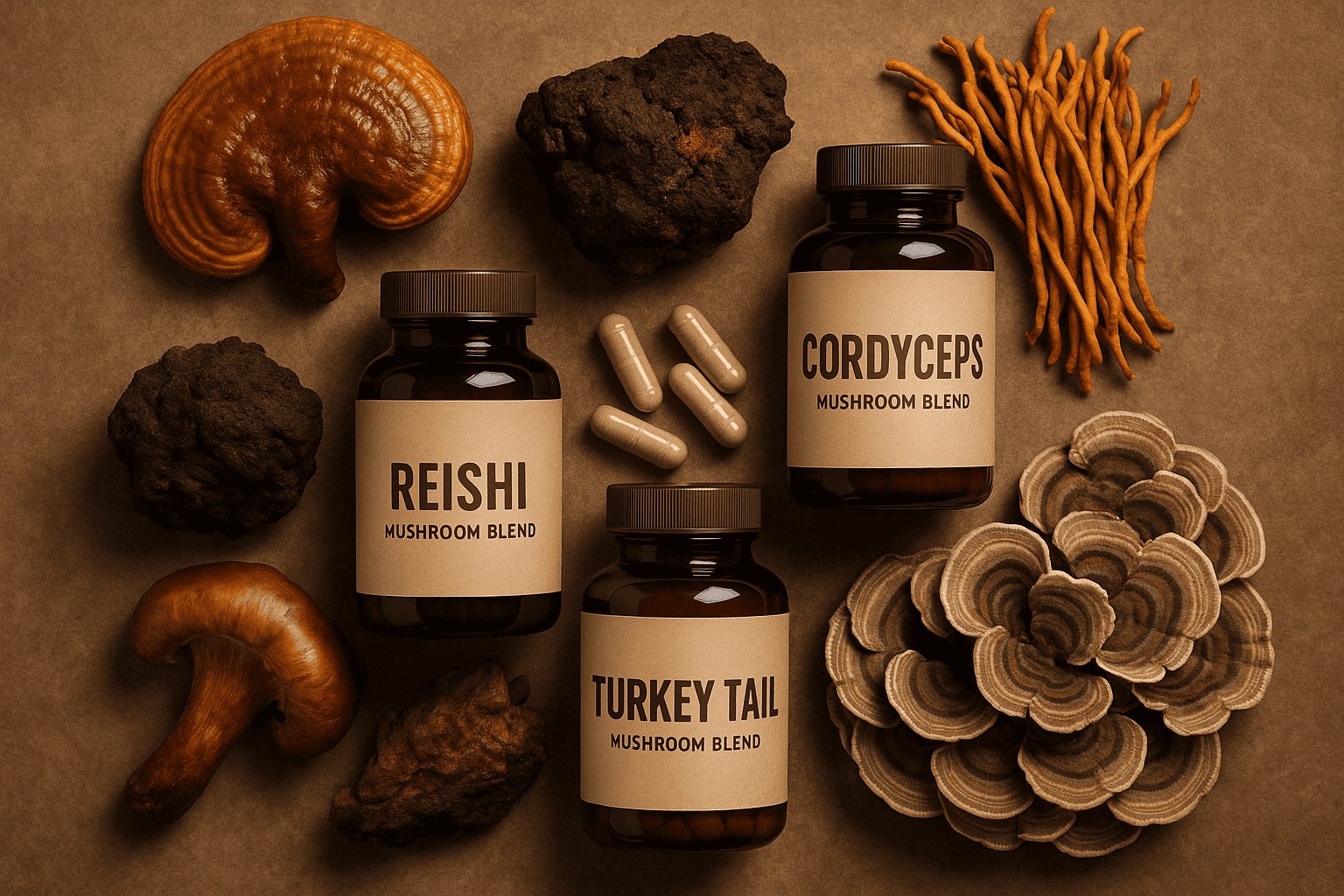
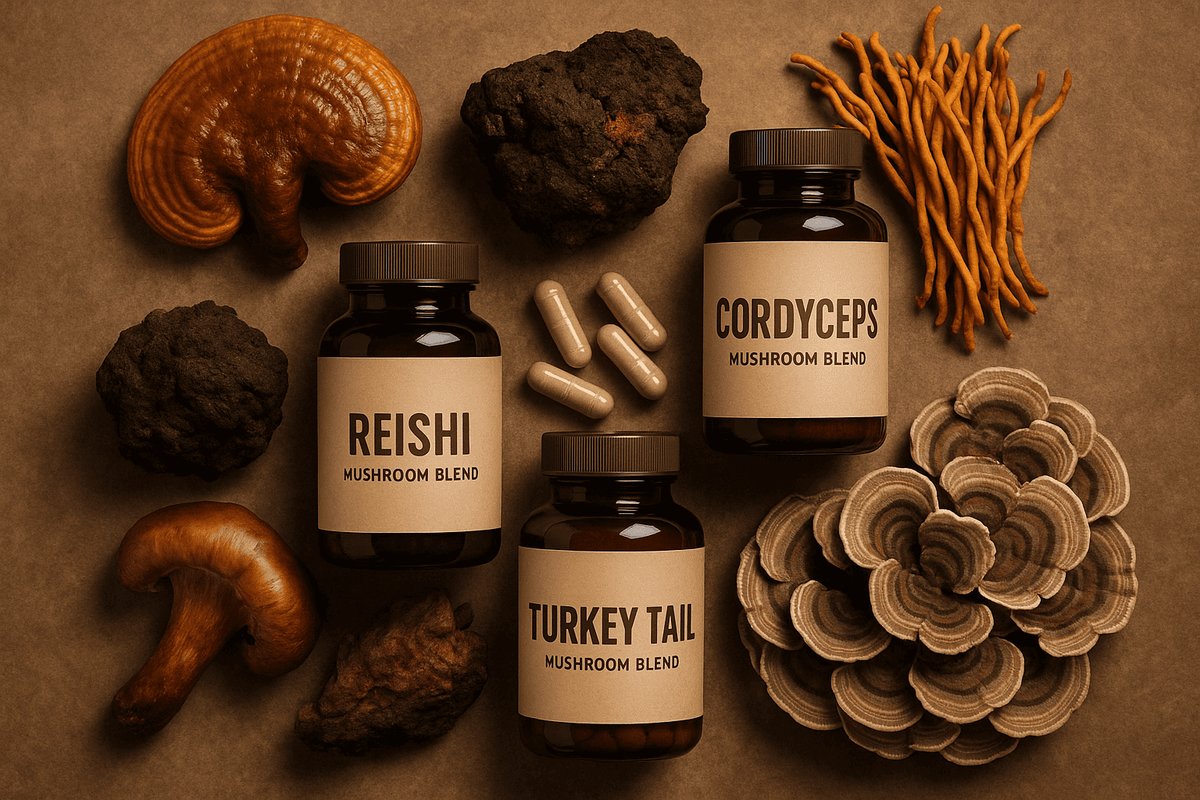
Quick Answer: Functional mushroom blends (reishi, cordyceps, chaga, turkey tail) provide combined adaptogenic, immune, and energy support. Quality is the main concern – only buy hot-water extracted fruiting body products with verified beta-glucan content of 25% or more, not mycelium-on-grain powders.
Functional mushrooms have moved from niche health food stores to mainstream supplement shelves — and with good reason. Reishi, cordyceps, chaga, turkey tail, and lion’s mane are backed by a growing body of research showing real effects on immune function, energy metabolism, and adaptogenic stress response. But functional mushroom supplements vary enormously in quality, and the category is plagued by poor sourcing, inadequate extraction, and misleading claims.
This guide covers the major mushrooms in blend formulas, what each contributes, how to evaluate quality, and whether blends make more sense than individual mushroom supplements.
The Key Players in Functional Mushroom Blends
Reishi (Ganoderma lucidum)
Reishi is the classic “mushroom of immortality” in traditional Chinese medicine, used for centuries for longevity and stress resilience. Modern research has identified three main active compound classes:
Triterpenoids (ganoderic acids): Anti-inflammatory, hepatoprotective, may modulate immune function. These are the bitter compounds that give reishi its characteristic taste. Fat-soluble — requires alcohol extraction.
Beta-glucans: Immune-modulating polysaccharides. Water-soluble — requires hot water extraction.
Polysaccharides (beyond beta-glucans): Various glycans with immunostimulatory effects.
What the evidence shows:
- Immune modulation: Good preclinical evidence; some human data showing effects on NK cell activity and T-cell function
- Sleep quality: Modest evidence in human trials for improved sleep depth and reduced fatigue
- Liver protection: Animal models are compelling; limited human RCT data
- Cancer adjunct therapy: Studied as an immune support adjunct to chemotherapy; some positive signals in meta-analyses (not a treatment, but may support immune function during treatment)
- Anti-fatigue: Several small trials showing reduced fatigue in cancer patients and healthy adults
Best use in a blend: Provides adaptogenic and immune-modulating depth. Most important for stress-related fatigue and immune support.
Cordyceps (Cordyceps militaris or Cordyceps sinensis)
Cordyceps is primarily known for athletic performance — it’s the mushroom that allegedly helped Chinese runners break world records at the 1993 World Championships (a claim since questioned). The key active compound is cordycepin (3′-deoxyadenosine), with adenosine-like activity in the body.
Note on species: Wild Cordyceps sinensis (caterpillar fungus) is extremely expensive and hard to source authentically. Cordyceps militaris can be cultivated and is more accessible; it naturally produces higher amounts of cordycepin than most C. sinensis preparations. Most supplements use C. militaris.
What the evidence shows:
- VO2 max and aerobic capacity: Multiple small RCTs show modest improvements (5-15%) in older adults and sedentary/recreational athletes. Data in elite athletes is limited.
- ATP production: Cordycepin appears to activate AMPK and support mitochondrial energy production
- Libido/testosterone (traditional use): Animal data is positive; human evidence is limited
- Anti-aging in animals: AMPK activation is a well-known longevity pathway; cordycepin may extend lifespan in model organisms
Best use in a blend: Energy metabolism, athletic performance support, anti-fatigue.
Chaga (Inonotus obliquus)
Chaga is a parasitic fungus that grows primarily on birch trees in cold climates. It’s not a mushroom in the traditional sense (no gills, no fruiting body you’d recognize) — it’s a sclerotium, a hardened mass of mycelium.
Key compounds:
- Betulinic acid and inotodiol: Derived from birch tree (the substrate), potentially anti-inflammatory and anticancer in cell studies
- Melanins: High ORAC antioxidant capacity
- Beta-glucans: Immune-modulating polysaccharides
- Polysaccharides: Various immunostimulatory compounds
What the evidence shows:
- Antioxidant: Very high ORAC value; cell and animal studies show strong free radical scavenging
- Immune support: Beta-glucan content provides immune-modulating activity similar to other medicinal mushrooms
- Anti-inflammatory: Animal and cell studies; limited human trials
- Cancer: Cell and animal studies show antiproliferative effects; no human clinical trial evidence
- Blood sugar: Some animal evidence for hypoglycemic effects
Caution: Chaga contains oxalates; there are case reports of kidney stones from excessive chaga consumption. Limit intake if you’re prone to oxalate-based kidney stones.
Best use in a blend: Antioxidant support, immune function, general adaptogenic effects.
Turkey Tail (Trametes versicolor)
Turkey tail has the strongest clinical evidence of all the functional mushrooms, specifically for immune support in cancer patients.
Key compounds:
- PSK (polysaccharide-K / krestin): A protein-bound polysaccharide approved in Japan as an adjunct cancer treatment. Stimulates NK cells, T cells, and overall immune surveillance.
- PSP (polysaccharide peptide): Similar structure to PSK with comparable immunostimulatory activity.
- Beta-glucans: As with other mushrooms.
What the evidence shows:
- Immune modulation in cancer: PSK is registered in Japan as a pharmaceutical and has been studied in hundreds of clinical trials showing improved survival in gastric, colorectal, breast, and lung cancers when combined with standard therapy. The evidence base here is more substantial than any other functional mushroom.
- General immune support: Multiple studies in healthy adults show measurable effects on immune cell activity, including a 2012 NIH-funded study showing turkey tail powder enhanced NK cell activity after breast cancer treatment.
- Gut microbiome: A 2014 study in healthy adults showed turkey tail supplementation significantly shifted microbiome composition, increasing beneficial bacteria.
Best use in a blend: This is the immune powerhouse. Anyone using functional mushrooms primarily for immune support should ensure turkey tail is a prominent ingredient.
Lion’s Mane (Hericium erinaceus)
See the dedicated Lion’s Mane guide for detailed coverage. In a blend context, Lion’s Mane contributes:
- NGF stimulation for cognitive support
- Anxiety and mood benefits
- Gut microbiome support via prebiotic effects
- Complement to other mushrooms’ immune properties
Other Mushrooms in Blends
Shiitake: Contains lentinan (a beta-glucan); immune-modulating, some cardiovascular benefits (eritadenine may lower LDL slightly).
Maitake (Grifola frondosa): Contains D-fraction beta-glucan; well-studied for immune activation; some evidence for blood sugar regulation.
Poria (Wolfiporia extensa): Used in TCM for calming properties; contains pachymaran polysaccharides; limited modern RCT data.
Agarikon (Laricifomes officinalis): Antimicrobial properties in vitro; limited human data.
Do Blends Make Sense Over Individual Supplements?
Arguments for blends:
- Synergistic immune effects (different beta-glucan structures may activate different immune receptors)
- Convenience and cost-effectiveness
- Adapts to multiple wellness goals simultaneously
- Some compounds from different species may be complementary
Arguments for individual supplements:
- More control over dosing of specific compounds
- If you have one specific goal (e.g., cognitive support → lion’s mane; athletic performance → cordyceps), a single targeted product may deliver more of what you need
- Easier to identify which mushroom causes benefit or adverse effects
The honest answer: For general wellness and immune support, a quality blend is practical. For specific therapeutic goals, individual high-dose supplements are preferable. Many people do both — a daily blend plus targeted single supplements for specific needs.
The Quality Problem: What to Avoid
The functional mushroom market has significant quality issues:
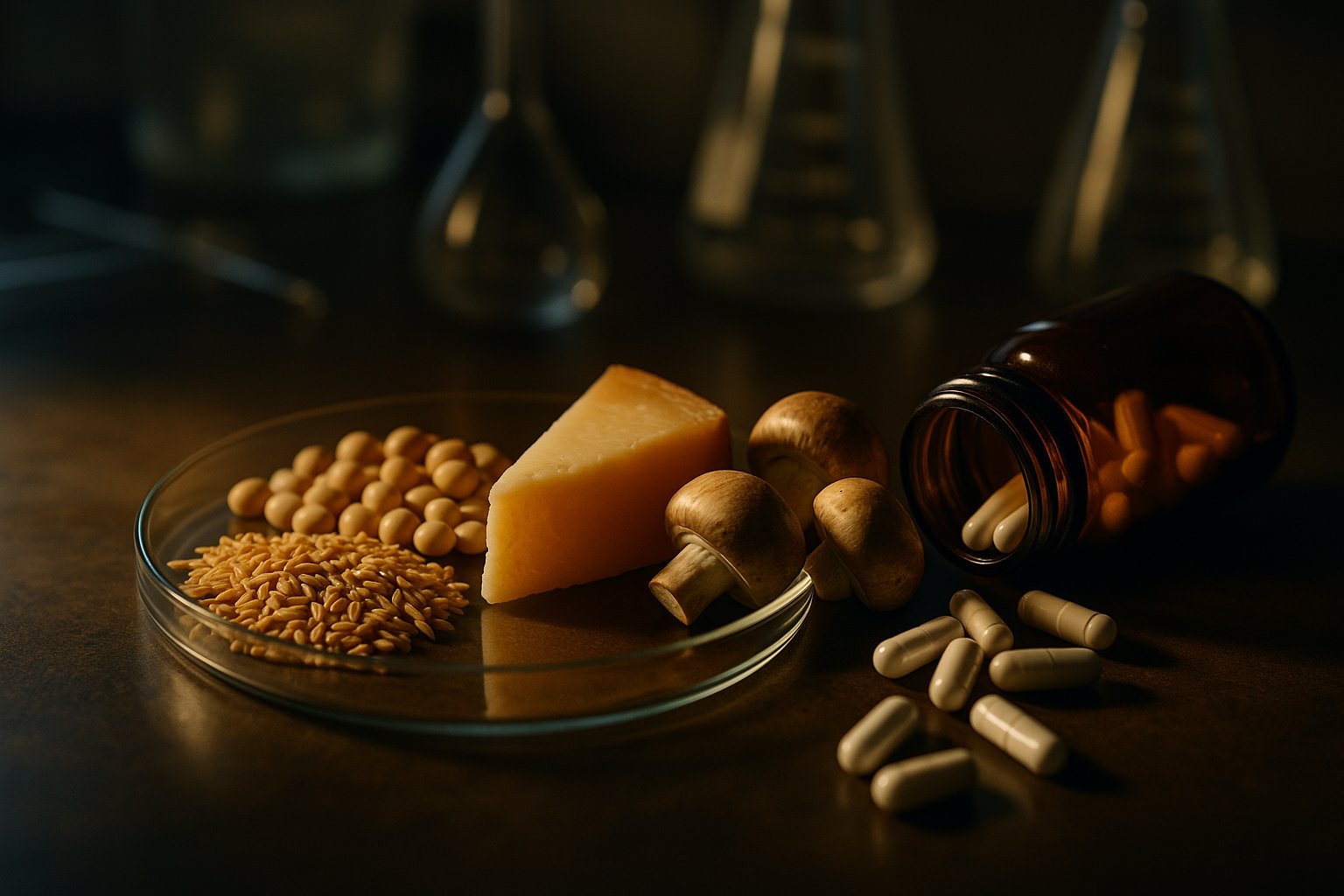
Mycelium-on-grain (MOG) problem: Many US brands grow mycelium on grain substrates (oats, rice) and sell the entire biomass without separating mushroom material from grain. Lab testing of many popular brands shows 50-70% starch content — you’re buying expensive grain flour. This is why beta-glucan content is the key marker.
Generic “polysaccharides” claims: Starch is a polysaccharide. If a label only says “contains polysaccharides” without specifying beta-glucan content, the polysaccharide number is meaningless.
Inadequate extraction: Mushroom cell walls are made of chitin, which is largely indigestible. Raw dried mushroom powder requires extraction to make beta-glucans and other compounds bioavailable. Hot water extraction is minimum; dual extraction (water + alcohol) is preferred for full-spectrum benefits.
What to Look For on Labels
✓… Fruiting body (or clearly documented mycelium with low starch)
✓… Beta-glucan content specified (>20% is acceptable; >30% preferred)
✓… Extraction method stated (hot water, dual extract)
✓… Third-party testing for beta-glucans and potentially for heavy metals/contaminants
✓… Organic certification (mushrooms are bioaccumulators — organic matters here)
❌ Avoid:
- Products listing only “polysaccharides” without beta-glucan breakdown
- Blends where the label doesn’t specify fruiting body vs. mycelium
- Proprietary blends that obscure per-mushroom dosing
- No mention of extraction methodology
Frequently Asked Questions
Can I take functional mushrooms with medications?
Reishi and some mushrooms have antiplatelet effects — caution with blood thinners. Chaga and some others may affect blood sugar — caution with diabetes medications. Turkey tail’s immune stimulation could theoretically be relevant for autoimmune conditions (though in practice this is rarely clinically significant). Discuss with your physician if on complex medications.
How long before I notice effects?
Adaptogenic and immune effects typically build over 2-4 weeks of consistent use. Energy effects from cordyceps may be noticed within days to weeks. Unlike stimulants, functional mushrooms are not immediately apparent for most people.
Should I cycle functional mushrooms?
There’s no strong evidence that cycling is necessary for most mushrooms. Some practitioners suggest cycling adaptogens (including reishi) to prevent tolerance. A common approach is 5 days on, 2 days off, or taking 1 week off per month. This is largely convention rather than evidence-based protocol.
Are functional mushrooms safe for autoimmune conditions?
This is nuanced. Mushroom beta-glucans are immune modulators — they don’t simply “boost” immune function in a non-specific way. They appear to normalize immune function, which may be beneficial in autoimmune conditions for some people. Reishi specifically has anti-inflammatory properties. However, anyone with autoimmune disease should discuss with their rheumatologist before supplementing.
What is a good daily dose for a functional mushroom blend?
This varies by product. For a quality fruiting body extract blend, 1-3g/day of combined mushroom extract is typical. Check the total beta-glucan content — 200-500 mg total beta-glucans per day is a reasonable target.
Are mushroom coffee blends worth it?
Mushroom coffees (like Four Sigmatic) are convenient but often contain small amounts of mushroom extract. They can be a good entry point but typically don’t deliver therapeutic doses. If you enjoy the taste and ritual, fine — but dedicated supplement capsules provide more reliable dosing.
Key Takeaways
- Each mushroom has a distinct role: reishi (adaptogen/stress/immune), cordyceps (energy/VO2 max), chaga (antioxidant), turkey tail (immune/gut via PSK/PSP).
- The biggest quality problem: mycelium-on-grain products are mostly starchy grain filler with minimal active mushroom compounds.
- Look for hot-water extract or dual extract from fruiting bodies with verified beta-glucan content of at least 25%.
- Blends suit comprehensive adaptogenic goals; single-mushroom extracts are better for targeted outcomes.
- Always request a CoA (certificate of analysis) from a third-party lab verifying beta-glucan levels and absence of heavy metals.
Conclusion
Functional mushroom blends offer a compelling combination of immune support, adaptogenic stress response, antioxidant activity, and in some cases cognitive and energy benefits. Turkey tail has the strongest clinical evidence (especially for immune function); lion’s mane for cognition; cordyceps for energy; reishi for sleep and stress resilience; chaga for antioxidant support.
The most important factor in any mushroom supplement purchase is quality verification. Demand documented beta-glucan content, fruiting body sourcing, and third-party testing. The difference between a well-extracted, documented product and a mycelium-on-grain powder is enormous — and the only way to tell is to scrutinize the label carefully.
Sources
- Reviews on medicinal mushrooms. PubMed search.
- Reviews on lion’s mane (Hericium erinaceus). PubMed search.
- Reviews on reishi (Ganoderma lucidum). PubMed search.
- Reviews on cordyceps and exercise performance. PubMed search.
- Reviews on chaga mushroom and antioxidant properties. PubMed search.

Leave a Reply