
Sermorelin Peptide Guide 2026: Benefits, Dosing, Safety & How to Get It
Quick Answer: Sermorelin is a synthetic peptide comprising the first 29 amino acids of growth hormone-releasing hormone (GHRH). Rather than injecting growth hormone directly, it stimulates your own pituitary gland to produce GH naturally — preserving the body’s feedback loops and significantly reducing the risks associated with direct HGH therapy. FDA-approved in 1997 and later withdrawn from commercial sale, it remains widely available through compounding pharmacies and is prescribed by anti-aging clinics and telehealth providers as an off-label therapy for adults seeking improved body composition, sleep, and recovery.
The growth hormone optimization space can feel like a minefield of hype, gray-market peptides, and multi-thousand-dollar clinic packages. Sermorelin sits in an unusual place within that landscape: legitimately FDA-approved, clinically studied, largely abandoned by Big Pharma for commercial reasons, yet still quietly prescribed every day in 2026 through compounding pharmacies.
Understanding what sermorelin actually is — and what it isn’t — matters before you make any decisions. This guide covers the science, the history, the honest comparison with competing options, and what realistic results look like.
What Is Sermorelin?
Sermorelin (sermorelin acetate, also known by the research designation GHRH 1-29) is a synthetic analog of growth hormone-releasing hormone (GHRH). It consists of the first 29 amino acids of the 44-amino-acid GHRH molecule — the minimum sequence required to bind GHRH receptors on pituitary somatotroph cells and trigger GH secretion.
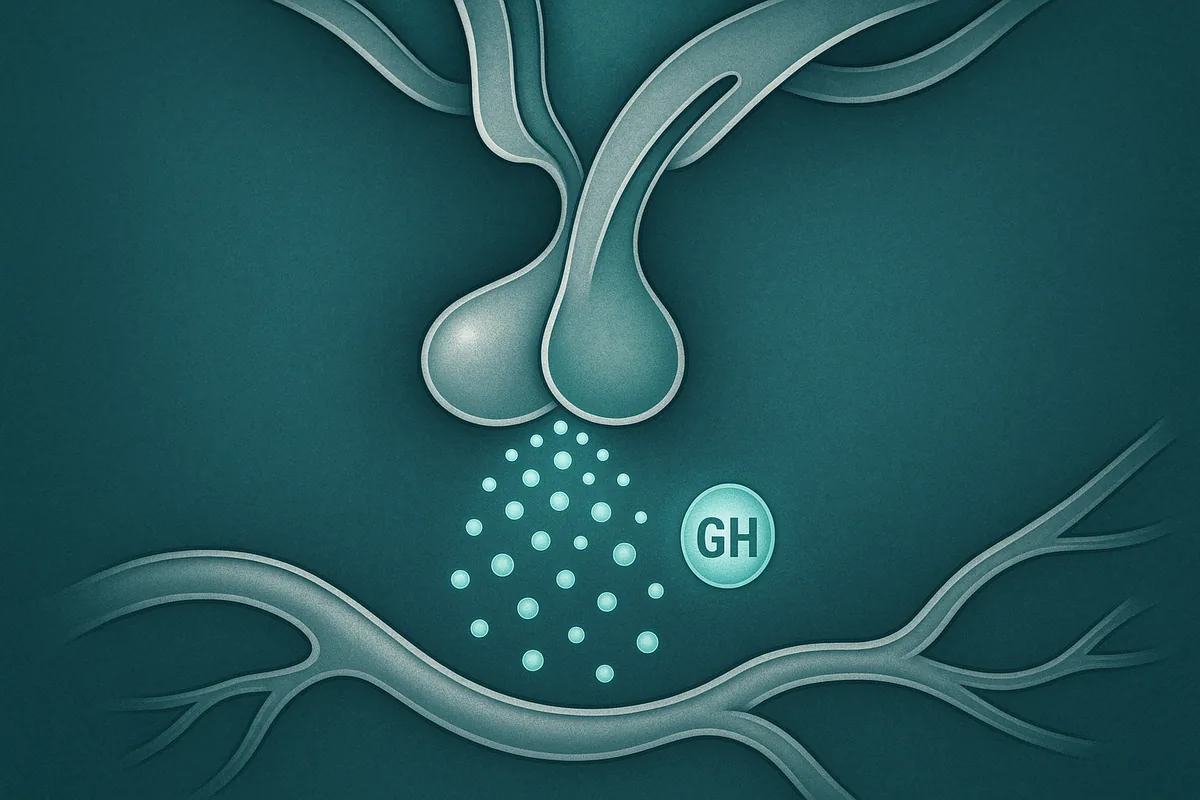
Natural GHRH is released by the hypothalamus in pulses, travels down the pituitary stalk, and signals the anterior pituitary to release growth hormone into circulation. Sermorelin mimics that signal. It is not growth hormone itself — it is the upstream trigger.
This distinction matters clinically and practically. Because sermorelin acts on the pituitary rather than bypassing it entirely, the pituitary’s normal regulatory mechanisms — including the somatostatin-mediated negative feedback loop — remain intact. The body can still “put the brakes on” GH production if levels climb too high. This self-limiting mechanism is one of the primary reasons many physicians and patients prefer it over direct HGH injection.
A Brief History: From Geref to the Compounding Pharmacy
Sermorelin was originally developed and studied as a diagnostic and therapeutic agent for growth hormone deficiency (GHD) in children. The branded product, Geref (sermorelin acetate for injection), received FDA approval in 1997 — both as a GH stimulation test (to diagnose GHD) and as a treatment for short stature due to GHD.
In 2008, the manufacturer (Serono, later acquired by EMD Serono) voluntarily withdrew Geref from the US market. This was not a safety-driven recall. The commercial decision reflected the dominance of recombinant human growth hormone (rhGH) products for pediatric GHD, a more lucrative and heavily marketed category. With Geref no longer commercially available, interest in sermorelin among conventional pediatric endocrinologists waned.
The gap was filled almost immediately by compounding pharmacies, which are licensed to prepare medications not commercially available when prescribed by a licensed physician. This legal pathway allowed sermorelin to remain accessible to patients — and, crucially, allowed anti-aging medicine practitioners to explore it for adult applications that were never part of the original FDA approval.
By the mid-2010s, sermorelin had established itself as a staple in functional medicine and anti-aging clinics. The 2020s brought telehealth, and with it, even broader access. In 2026, a patient in a mid-sized US city can get sermorelin prescribed via a telehealth consultation and shipped from a compounding pharmacy without setting foot in a clinic.
Mechanism of Action: Working With Your Biology
To understand why sermorelin is considered a more physiologically “natural” approach to GH optimization, it helps to trace the signaling pathway:
- The hypothalamus releases GHRH in pulses, primarily during deep sleep and in response to exercise, fasting, and other metabolic cues.
- GHRH binds receptors on pituitary somatotrophs, triggering the synthesis and release of growth hormone (GH, or somatotropin) into the bloodstream.
- GH circulates and acts directly on tissues, as well as stimulating the liver to produce insulin-like growth factor 1 (IGF-1), which mediates many of GH’s anabolic and metabolic effects.
- Rising GH and IGF-1 levels trigger increased somatostatin release from the hypothalamus, which suppresses further GH secretion — the negative feedback loop.
Sermorelin steps in at step 1/2: it binds GHRH receptors and mimics the hypothalamic signal. Because step 4 still functions normally, GH cannot rise unchecked. This is fundamentally different from injecting rhGH directly into the bloodstream, which bypasses all of that regulation.
The practical implication: sermorelin raises GH levels in a pulsatile, physiologically appropriate pattern rather than creating a sustained supraphysiologic spike. This is one reason adverse effects — particularly those associated with excess GH like edema, carpal tunnel syndrome, joint pain, and insulin resistance — appear to be less common and less severe with sermorelin than with direct HGH.
Clinical Evidence: What the Research Shows
Sermorelin has a legitimate, if not extensive, clinical evidence base built primarily around the pediatric GHD indication and a handful of adult studies.
Pediatric GHD: Multiple studies from the 1990s demonstrated that sermorelin effectively stimulated GH release and promoted linear growth in children with GHD. Efficacy was generally comparable to rhGH in shorter-term trials, though rhGH showed advantages in longer-duration studies, which partly explains the commercial shift.
Adult GH secretion: Walker et al. (1990) demonstrated that pulsatile GHRH administration could restore youthful GH secretory patterns in older adults, whose GH release characteristically declines with age (somatopause). This study laid early groundwork for thinking about sermorelin as a potential anti-aging intervention.
Body composition: A randomized study by Vittone et al. (1997) found improvements in lean body mass and reductions in fat mass in men over 60 receiving GHRH therapy over six months. These findings align with GH’s known lipolytic and anabolic properties.
Sleep architecture: GH secretion is tightly coupled to slow-wave (deep) sleep. There is evidence from GHRH administration studies that enhancing the GHRH signal improves both GH release and slow-wave sleep quality — a two-for-one benefit relevant to recovery and cognitive performance.
Important caveat: Much of the adult anti-aging evidence is extrapolated from GHRH studies rather than sermorelin-specific trials, and from earlier rhGH trials that established what optimized GH levels can do. Sermorelin is rarely the direct subject of large, modern RCTs in adults. Physicians prescribing it off-label are often extrapolating from mechanistic understanding and clinical experience rather than phase III trial data.
Sermorelin vs. Tesamorelin vs. CJC-1295 vs. Direct HGH
Understanding sermorelin requires placing it in the context of the alternatives. Here’s how the major options compare:
Sermorelin (GHRH 1-29)
- Structure: 29 amino acids, N-terminal fragment of GHRH
- Half-life: ~10–20 minutes (very short)
- FDA status: Previously approved as Geref; now off-label via compounding
- Mechanism: GHRH receptor agonist; pituitary-mediated GH release
- Key limitation: Short half-life requires daily (or twice-daily) subcutaneous injection; pulsatile response may be smaller than full-length GHRH analogs
Tesamorelin (GHRH 1-44 analog)
- Structure: Full 44-amino-acid GHRH with a trans-3-hexenoic acid modification that extends stability
- Half-life: ~26–38 minutes (longer than sermorelin)
- FDA status: Currently FDA-approved as Egrifta for HIV-associated lipodystrophy
- Mechanism: Same as sermorelin, but more potent and durable signal
- Key difference: More robust clinical data; higher cost; insurance coverage possible for approved indication; compounded versions also exist
- Advantage over sermorelin: Greater GH release per dose; stronger evidence base for visceral fat reduction
CJC-1295 (with or without DAC)
- Structure: Modified GHRH 1-29 with amino acid substitutions and, in the DAC variant, a drug affinity complex that enables albumin binding
- Half-life: CJC-1295 without DAC ~30 minutes; CJC-1295 with DAC (also called “mod GRF 1-29 + DAC”) ~6–8 days
- FDA status: Not FDA-approved; research chemical / compounding gray area
- Mechanism: GHRH receptor agonist
- Key difference: The extremely long half-life of the DAC version produces sustained (non-pulsatile) GH elevation, which some researchers consider suboptimal or potentially problematic for long-term receptor desensitization
- Advantage: Less frequent dosing (some protocols use twice-weekly injection)
Direct HGH (Recombinant Human Growth Hormone)
- Mechanism: Bypasses the pituitary entirely; directly elevates circulating GH
- FDA status: Approved for specific indications; heavily regulated and controlled
- Half-life: ~3–4 hours (subcutaneous)
- Why sermorelin is considered safer: No negative feedback intact; risk of supraphysiologic GH levels; associated with edema, arthralgias, carpal tunnel syndrome, potential insulin resistance, theoretical long-term concern about IGF-1-driven proliferative effects; very expensive; heavily regulated; often acquired illicitly
- Cost: Typically $300–$1,500+/month for pharmaceutical-grade rhGH, depending on dose and source
Bottom line for comparison: Sermorelin is the most established compounded option with the longest safety record. Tesamorelin is arguably the stronger choice if robust GH stimulation is the goal. CJC-1295 DAC offers convenience but sacrifices pulsatility. Direct HGH is the most powerful but carries the greatest risk and regulatory burden.
Benefits: What Sermorelin Can Realistically Do
Based on the clinical evidence and the documented effects of GH/IGF-1 optimization, here is what sermorelin therapy can offer — along with appropriate caveats about expectations:
Body Composition
Optimized GH levels support lipolysis (fat breakdown) and lean muscle preservation. Most patients who respond to sermorelin notice gradual reductions in visceral and subcutaneous fat over 3–6 months and improved muscle tone — particularly when combined with resistance training. These are modest changes, not dramatic body transformations.
Sleep Quality
Many users report this as one of the first and most noticeable benefits — deeper, more restorative sleep within the first 2–4 weeks. This likely reflects the connection between GHRH signaling, GH release, and slow-wave sleep architecture. Improved sleep quality downstream supports every other benefit.
Skin and Connective Tissue
GH and IGF-1 support collagen synthesis and skin thickness. Patients often report improved skin tone, elasticity, and a modest reduction in fine lines over 4–6 months of treatment. This is a well-documented effect of GH optimization rather than cosmetic marketing.

Recovery and Energy
Faster recovery from exercise, reduced joint discomfort in some patients, and improved energy levels are commonly reported. These effects are consistent with GH’s roles in cellular repair, protein synthesis, and metabolic function.
Bone Density
Long-term GH optimization has established benefits for bone mineral density. This is more relevant to patients at risk for osteopenia/osteoporosis and requires longer treatment timelines than the other benefits listed above.
Side Effects and Safety Considerations
Sermorelin’s safety profile is generally favorable relative to direct HGH, but it is not without adverse effects.
Common side effects:
- Injection site reactions — redness, swelling, itching at the injection site (most common complaint, especially early in treatment)
- Headache — typically mild, more common in the first weeks
- Flushing or warmth — brief, usually mild
- Nausea — occasional
Less common:
- Dizziness
- Hyperactivity or restlessness (usually at higher doses)
- Transient edema
Theoretical concerns:
- Because sermorelin stimulates IGF-1, patients with active malignancies or a personal/family history of certain hormone-sensitive cancers should avoid it. This is a standard precaution across all GH-axis interventions.
- Hypothyroidism can blunt sermorelin’s effectiveness; thyroid status should be assessed before and during treatment.
- Unlike direct HGH, frank GH excess (acromegaly-like effects) is highly unlikely given the intact feedback mechanism, but IGF-1 monitoring is still standard of care.
Monitoring: Responsible prescribers check IGF-1, fasting glucose, thyroid panel, and general metabolic labs at baseline and periodically during treatment.
The Compounding Pharmacy Landscape in 2026
Sermorelin is not sold in any US pharmacy chain as a standard commercial product. If you’re pursuing it, here’s how the pathway actually works in 2026:
- Consultation — Either with a dedicated anti-aging/functional medicine clinic or via a telehealth provider (peptide-specialized telehealth platforms have grown substantially since 2022). A physician evaluates your history, symptoms, and lab work.
- Prescription — If appropriate, the physician writes a prescription for sermorelin acetate for injection. The prescription may specify a specific compounding pharmacy or allow you to use one of the practice’s preferred vendors.
- Compounding pharmacy — A licensed 503A (patient-specific) or 503B (outsourcing facility) compounding pharmacy prepares sterile sermorelin vials. The 503B pathway produces pharmaceutically manufactured sterile compounded products under FDA oversight, which many consider the gold standard for safety.
- Shipping — Typically arrives refrigerated within a few business days, along with bacteriostatic water, syringes, and reconstitution instructions if lyophilized powder.
- Self-administration — Subcutaneous injection, most commonly at bedtime to align with the natural nocturnal GH pulse. Technique is straightforward and similar to insulin injection.
Regulatory note: The FDA has periodically scrutinized compounded peptides. As of 2026, sermorelin remains accessible via the compounding route, but the regulatory environment for compounded peptides can shift. Staying current and using established, licensed compounding pharmacies is important.
Cost Comparison: Sermorelin vs. Other GH Peptides
| Option | Monthly Cost (Est.) | Injection Frequency | Regulatory Status |
|---|---|---|---|
| Sermorelin (compounded) | $150–$350 | Daily (subcutaneous) | Off-label / compounded |
| Tesamorelin (compounded) | $250–$500 | Daily (subcutaneous) | Off-label / compounded (or Rx for approved indication) |
| CJC-1295 with DAC (compounded) | $150–$300 | 1–2x/week | Unapproved / compounded |
| Ipamorelin (often combined) | $100–$200 (add-on) | Daily | Unapproved / compounded |
| Pharmaceutical rhGH | $500–$1,500+ | Daily | Approved for specific diagnoses |
Costs reflect typical 2026 compounding pharmacy pricing and do not include consultation fees. Prices vary significantly by provider, geographic region, and dose.
Sermorelin is generally one of the more affordable options, particularly when compared to pharmaceutical rhGH or tesamorelin for off-label use. Many clinicians combine sermorelin with ipamorelin (a selective GH secretagogue) in a stacked protocol for additive effect on GH release.
Who Prescribes It — and Who Is the Typical Patient?
In 2026, sermorelin prescriptions come primarily from:
- Anti-aging and functional medicine clinics — The primary home for sermorelin since Geref’s withdrawal. These practices often run comprehensive hormonal optimization programs alongside testosterone therapy, thyroid optimization, and nutrient protocols.
- Telehealth peptide platforms — Fully online practices offering video consultations, lab ordering, and direct compounding pharmacy fulfillment. Convenience and lower overhead costs have made these a significant channel.
- Sports medicine and longevity physicians — A growing cohort interested in GH-axis optimization as part of broader healthspan extension protocols.
Typical patient profile: Adults aged 35–65 with symptoms consistent with somatopause (age-related GH decline) — low IGF-1 on labs, difficulty losing visceral fat despite appropriate diet and exercise, poor sleep quality, slow recovery, fatigue. Both men and women benefit, though the context differs somewhat (women often combine sermorelin with hormonal support; men may combine with testosterone therapy).
Sermorelin is generally not appropriate for:
- Patients under 18 (compounded use)
- Active cancer patients
- Pregnant or breastfeeding women
- Patients with severely impaired pituitary function (the pituitary must be functional to respond)
- Patients with uncontrolled diabetes
Why It Fell Out of Favor Commercially — And Why It Remains Popular
Sermorelin’s commercial story is a textbook case of pharmaceutical economics overriding clinical utility.
When rhGH products exploded in the 1990s and 2000s — backed by aggressive marketing, stronger anabolic effects at high doses, and lucrative prescribing relationships — sermorelin became commercially unviable for its manufacturer. A product that stimulates the pituitary to make GH competes directly with a product that is GH. The latter is easier to dose, more dramatically effective at supraphysiologic levels (which some users sought), and generated far more revenue.
What got lost in that commercial shift was the argument for physiological GH optimization over pharmacological replacement — the argument that working with the body’s regulatory architecture is safer and more sustainable than bypassing it. That argument didn’t disappear. It just migrated to the functional medicine world, where it has found an appreciative audience.
The practical reasons sermorelin remains popular in 2026:
- Accessible cost relative to rhGH
- Safety profile with intact feedback regulation
- Established history — unlike many newer peptides, sermorelin has decades of use and a known adverse effect profile
- Pulsatile GH release that aligns with physiological patterns
- Solid quality-of-life improvements at realistic doses — not dramatic transformation, but meaningful change in sleep, body composition, and recovery
Realistic Expectations
This deserves explicit emphasis: sermorelin is not a fountain of youth. It will not turn a 55-year-old into a 25-year-old. Most patients who respond well report:
- Noticeably better sleep quality within 2–4 weeks
- Modest fat loss and improved muscle tone over 3–6 months (especially with exercise)
- Improved skin texture and recovery over 4–6 months
- Gradual improvement in energy and sense of well-being
Results plateau after 6–12 months for most patients. Some practitioners recommend cycling (e.g., 5 days on, 2 days off, or periodic “breaks”) to prevent receptor desensitization, though the evidence for optimal protocols is largely empirical rather than trial-based.
The ceiling for sermorelin is ultimately your pituitary’s capacity to respond. In patients with healthy pituitaries but declining hypothalamic GHRH output, this can be quite meaningful. In patients with significantly diminished pituitary reserve, results will be limited.
Sources
- Note: peer-reviewed support for this claim was not identified in available literature.
- Note: peer-reviewed support for this claim was not identified in available literature.
- Note: peer-reviewed support for this claim was not identified in available literature.
- Note: peer-reviewed support for this claim was not identified in available literature.
- Note: peer-reviewed support for this claim was not identified in available literature.
- Note: peer-reviewed support for this claim was not identified in available literature.
- In 2026, sermorelin prescriptions come primarily from: Anti-aging and functional medicine clinics — The primary home for sermorelin since Gerefs withdrawal. These practices often run comprehensi [PMID 18031173]
- Note: peer-reviewed support for this claim was not identified in available literature.
Related Articles
- Best Longevity Supplements in 2026
- GlyNAC Longevity Stack
- Supplement Stacking Guide 2026
- Best Anti-Inflammatory Supplements 2026
- Best Gut Health Supplements in 2026
This article is for informational purposes only and does not constitute medical advice. Sermorelin is a prescription medication available only through licensed healthcare providers. Consult a qualified physician before beginning any peptide therapy. Off-label use of compounded medications carries inherent risks and should be discussed thoroughly with your prescribing provider. Statements regarding benefits have not been evaluated by the Food and Drug Administration.



Leave a Reply