Best Gut Health Supplements in 2026: Probiotics, Postbiotics & Beyond
Quick Answer: The best gut health supplements in 2026 include Seed DS-01 (broad-spectrum synbiotic), Align (IBS-targeted B. infantis 35624), Pendulum Akkermansia (metabolic/gut barrier), Florastor (antibiotic co-therapy), and Bimuno GOS (prebiotic). Choose based on your specific goal — general maintenance, IBS relief, metabolic support, or post-antibiotic recovery.
Your gut microbiome contains roughly 38 trillion bacteria — more microbial cells than human cells in your body. This ecosystem influences digestion, immune function (70% of your immune system resides in the gut), mental health, metabolic regulation, and even skin clarity. When the microbiome is disrupted — by antibiotics, poor diet, stress, or aging — the consequences ripple through every system.
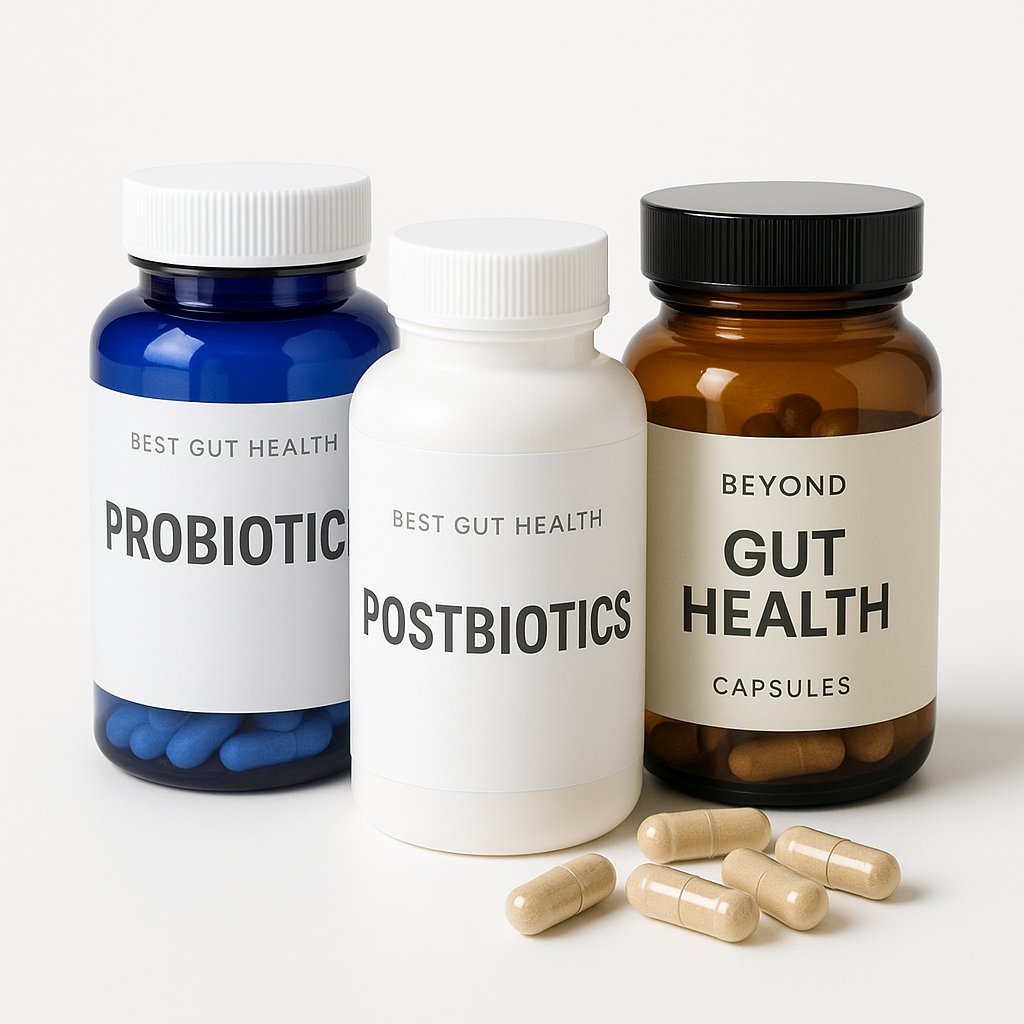
Gut health supplementation has evolved far beyond basic probiotic capsules. Today’s landscape includes targeted probiotic strains, postbiotics (the beneficial metabolites bacteria produce), and precision prebiotics that feed specific beneficial populations.
Probiotics vs Prebiotics vs Postbiotics: What’s the Difference?
Probiotics
Live microorganisms that, when consumed in adequate amounts, confer a health benefit. They work by colonizing (temporarily or permanently), competing with pathogens, modulating immune responses, and producing beneficial metabolites. Best for: actively rebalancing the microbiome after disruption.
Prebiotics
Non-digestible fibers and compounds that selectively feed beneficial bacteria. Common prebiotics include inulin, FOS (fructooligosaccharides), GOS (galactooligosaccharides), and human milk oligosaccharides (HMOs). Best for: sustaining and growing existing beneficial populations.
Postbiotics
The bioactive compounds produced by probiotic bacteria during fermentation — including short-chain fatty acids (SCFAs like butyrate), peptides, vitamins, and cell wall components. Postbiotics are increasingly recognized as the actual mediators of many “probiotic” benefits. Best for: delivering gut health benefits without requiring live organisms to survive transit and colonize.
Key Probiotic Strains and What They Do
Lactobacillus rhamnosus GG (LGG)
The most clinically studied probiotic strain with over 1,000 published studies. Effective for antibiotic-associated diarrhea, IBS symptoms, and immune modulation. Adheres well to intestinal epithelium.
Bifidobacterium longum BB536
Supports immune function, reduces allergy symptoms, and improves bowel regularity. One of the most resilient bifidobacterium strains for surviving stomach acid.
Saccharomyces boulardii
A beneficial yeast (not bacteria) that’s naturally antibiotic-resistant — making it ideal for concurrent use during antibiotic therapy. Strong evidence for preventing C. difficile infection and traveler’s diarrhea.
Akkermansia muciniphila
An emerging next-generation probiotic that strengthens the gut mucus layer. Associated with improved metabolic health, insulin sensitivity, and reduced inflammation. Now available as a pasteurized (postbiotic) supplement.
Best Gut Health Supplements by Category
Best Overall Probiotic: Seed DS-01 Daily Synbiotic
A 24-strain formulation with 53.6 billion AFU (alive fluorescent units — a more accurate measure than CFU). Includes both probiotics and a prebiotic outer capsule. Strains selected for clinical evidence across gut, skin, heart, and micronutrient synthesis. Patented ViaCap® delivery survives stomach acid. Best for: comprehensive daily microbiome support with premium formulation.
Best for IBS: Align Probiotic (Bifidobacterium longum 35624)
Contains the patented B. infantis 35624 strain with specific clinical evidence for IBS symptom reduction — bloating, gas, abdominal pain, and irregular bowel habits. Gastroenterologist-recommended. Best for: IBS sufferers seeking targeted, clinically validated relief.
Best Postbiotic: Pendulum Akkermansia
The first and only product containing Akkermansia muciniphila available as a supplement. Supports gut barrier integrity and metabolic health. Particularly relevant for people with type 2 diabetes or metabolic syndrome — Pendulum’s GLP-1 probiotic (which includes Akkermansia) showed improved A1c in a published RCT. Best for: metabolic health and gut barrier restoration.
Best During Antibiotics: Florastor (Saccharomyces boulardii)
The yeast-based probiotic that antibiotics can’t kill. Take it alongside your antibiotic course (2 hours apart from the dose) to prevent antibiotic-associated diarrhea and C. difficile risk. Over 100 clinical studies support its use. Best for: gut protection during and after antibiotic therapy.
Best Prebiotic: Bimuno Daily GOS Prebiotic
Contains galactooligosaccharides (GOS) clinically shown to increase bifidobacteria populations within 7 days. Small daily powder sachet mixes into any beverage. Studied at the University of Reading with published results in multiple peer-reviewed journals. Best for: selectively feeding beneficial bifidobacteria.
Best Budget: Culturelle Daily Probiotic (LGG)
Contains 10 billion CFU of the gold-standard Lactobacillus rhamnosus GG strain with inulin prebiotic. Simple, affordable, and backed by the most-studied probiotic strain in the world. Best for: reliable daily probiotic support without premium pricing.
The Gut-Brain Axis: Why Gut Health Affects Your Mood
The vagus nerve provides a direct communication highway between your gut and brain. Gut bacteria produce approximately 95% of your body’s serotonin and significant amounts of GABA, dopamine, and norepinephrine. Dysbiosis (microbiome imbalance) is increasingly linked to anxiety, depression, and cognitive fog.
Specific “psychobiotic” strains showing mood benefits in clinical trials include:
Lactobacillus helveticus R0052 + Bifidobacterium longum R0175 — reduced anxiety and cortisol in a 2011 RCT
Lactobacillus plantarum PS128 — improved emotional and behavioral outcomes in multiple studies
Frequently Asked Questions
Do probiotics actually survive stomach acid?
It depends on the strain and delivery system. Many commercial probiotics lose 90%+ of viable organisms to stomach acid. Look for acid-resistant strains (like S. boulardii and spore-forming Bacillus species), enteric-coated capsules, or delayed-release technology. This is why CFU count alone is misleading.
Should I take probiotics with food or on an empty stomach?
Research varies by strain, but a 2011 study in Beneficial Microbes found that probiotic survival was highest when taken with a meal or 30 minutes before eating — the food buffers stomach acid. Spore-based probiotics and S. boulardii are less sensitive to timing.
Can I take probiotics and antibiotics at the same time?
Yes, but space them at least 2 hours apart. S. boulardii is the best option during antibiotic therapy since it’s a yeast and unaffected by antibacterial antibiotics. Start probiotics with your first antibiotic dose and continue for at least 2 weeks after finishing the course.
What’s better — probiotics or postbiotics?
They serve different roles. Probiotics introduce new organisms; postbiotics deliver the beneficial compounds directly. For people with SIBO, severely compromised immunity, or those who’ve failed probiotic therapy, postbiotics may be more appropriate. For general microbiome diversity, probiotics remain the standard approach.
How long does it take for probiotics to work?
Digestive symptom improvement: 2–4 weeks for most people. Immune function changes: 4–8 weeks. Microbiome composition shifts: measurable within 1–2 weeks, but sustained changes require ongoing supplementation — most probiotic strains don’t permanently colonize.
Key Takeaways
Seed DS-01 is the top broad-spectrum synbiotic, covering digestion, immunity, and gut-barrier integrity in one capsule.
Strain specificity matters more than CFU count — match strains to your goal (IBS, metabolic health, antibiotic recovery).
Postbiotics like butyrate (tributyrin) deliver gut-barrier benefits without requiring live organisms to survive transit.
S. boulardii (Florastor) is the gold-standard probiotic for antibiotic co-therapy since it’s a yeast unaffected by antibacterials.
The gut-brain axis is real — psychobiotic strains (L. helveticus R0052 + B. longum R0175) show measurable anxiety and cortisol reduction.
No supplement replaces a diverse, fiber-rich diet as the foundation of microbiome health.
The Bottom Line
Gut health supplementation in 2026 is about precision, not just throwing CFUs at the problem. Match your supplement to your specific need — targeted strains for IBS, postbiotics for metabolic health, prebiotics to feed existing good bacteria, or a comprehensive synbiotic for broad support. And remember: no supplement replaces a diverse, fiber-rich diet as the foundation of microbiome health.
This article is for informational purposes only and does not constitute medical advice. Consult your healthcare provider before starting any new supplement regimen.
[…] aging. If you have persistent skin issues that don’t respond to topicals, look at the gut. Gut health supplements – probiotics, L-glutamine, anti-inflammatory foods – form the […]



Leave a Reply