Best Omega-3 Supplements in 2026: Fish Oil, Krill Oil, Algae Oil, and What Actually Matters
Quick Answer: Omega-3 fatty acids (EPA and DHA) are among the most evidence-backed supplements available. Fish oil is the most cost-effective source; krill oil offers phospholipid-bound omega-3s with astaxanthin; algae oil is the only vegan source. For most people, 1,000–2,000 mg combined EPA+DHA daily from a triglyceride-form fish oil is the sweet spot. Always check the actual EPA+DHA content on the label — a “1,000 mg fish oil” capsule may contain only 300 mg of the fatty acids that matter. Choose IFOS or third-party certified products for purity assurance.
Omega-3 fatty acids are among the most studied nutrients in existence — with over 40,000 published research papers. EPA (eicosapentaenoic acid) and DHA (docosahexaenoic acid) are the two omega-3s your body actually needs, and most people get far too little from diet alone. The average American consumes roughly 100–200 mg of EPA+DHA per day; experts recommend 1,000–3,000 mg.
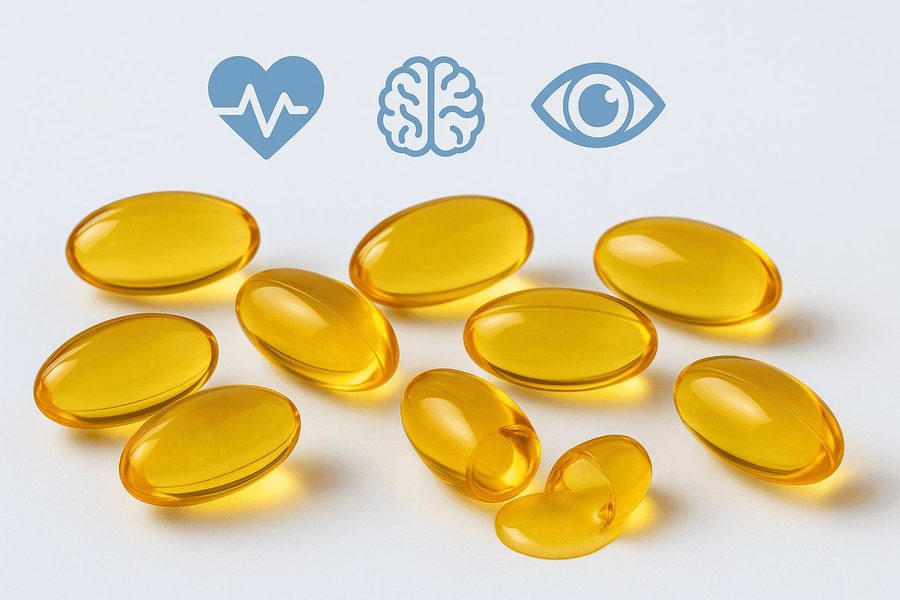
This gap matters. Omega-3 insufficiency is linked to increased cardiovascular risk, systemic inflammation, cognitive decline, and mood disorders.
Why EPA and DHA Matter
EPA: The Anti-Inflammatory Omega-3
EPA competes with arachidonic acid (an omega-6) for the same enzymes, shifting your body’s inflammatory balance toward resolution. It’s the primary omega-3 behind cardiovascular and mood benefits. EPA generates resolvins and protectins — specialized pro-resolving mediators that actively turn off inflammation.
DHA: The Structural Omega-3
DHA comprises 40% of the polyunsaturated fatty acids in your brain and 60% in retinal tissue. It’s essential for neuronal membrane fluidity, synaptic function, and neuroprotection. DHA is particularly critical during pregnancy, infancy, and for aging brains.
Key Clinical Evidence
Cardiovascular Health
The REDUCE-IT trial (2019, NEJM) showed that high-dose EPA (4 g/day icosapent ethyl) reduced cardiovascular events by 25% in statin-treated patients with elevated triglycerides. The VITAL trial found that 1 g/day omega-3 reduced heart attack risk by 28% in participants who ate less than 1.5 servings of fish per week.
Brain and Mood
A 2019 meta-analysis in Translational Psychiatry covering 26 RCTs found omega-3 supplementation (particularly EPA-dominant formulas) significantly reduced depressive symptoms, with effect sizes comparable to some antidepressants for mild-to-moderate depression.
Joint Inflammation
A 2017 systematic review in British Journal of Sports Medicine found that omega-3 supplementation reduced joint pain intensity and NSAID use in patients with rheumatoid arthritis at doses of 2.7+ g EPA+DHA per day.
Fish Oil vs Krill Oil vs Algae: Which Is Best?
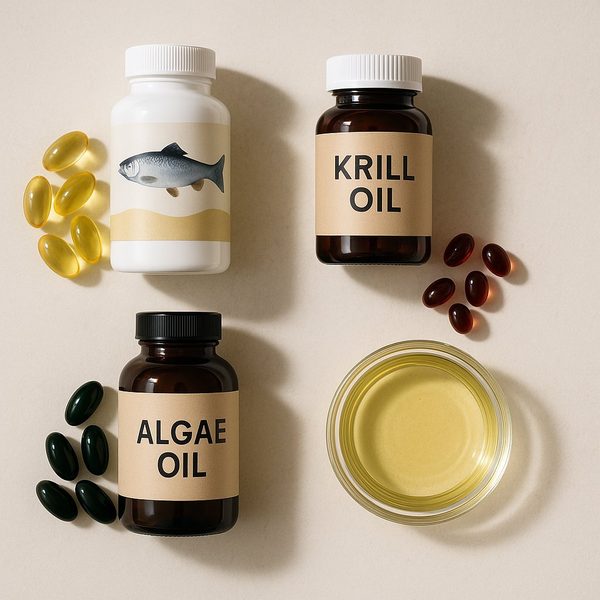
Fish Oil
The most studied and cost-effective source. Available as triglyceride (TG) or ethyl ester (EE) forms — TG form has ~70% better absorption. Concentrated fish oils can deliver 600–900 mg EPA+DHA per softgel. Best for: highest EPA+DHA per dollar with the deepest evidence base.
Krill Oil
EPA/DHA bound to phospholipids, which may enhance absorption and delivery to cell membranes. Also contains astaxanthin (a potent antioxidant). However, total EPA+DHA per capsule is typically much lower than concentrated fish oil. Best for: those who want phospholipid-bound omega-3s with antioxidant benefits and don’t mind taking multiple capsules.
Algae Oil
DHA-rich (some newer formulas include EPA too) and the only truly vegan omega-3 source. Sustainable and free from ocean contaminants. Best for: vegans, vegetarians, and those concerned about ocean sustainability or fish allergies.
Best Omega-3 Supplements by Category
Best Overall Fish Oil: Nordic Naturals Ultimate Omega
Delivers 1,280 mg EPA+DHA per two-softgel serving in triglyceride form. Molecularly distilled, third-party tested for purity, and consistently top-ranked in independent lab analyses. Lemon-flavored to minimize fishy aftertaste. Best for: daily cardiovascular and overall health support.
Best High-EPA Formula: Sports Research Triple Strength Omega-3
Provides 1,040 mg EPA and 520 mg DHA per two softgels in rTG form from wild Alaska Pollock. IFOS 5-star certified. Best for: inflammation management and mood support where EPA dominance matters.
Best Krill Oil: Kori Krill Oil 1200mg
Delivers 1,200 mg krill oil with 240 mg omega-3s (EPA+DHA) per softgel, plus naturally occurring astaxanthin and choline. Sustainably harvested from Antarctic krill with MSC certification. Best for: phospholipid-bound omega-3s with built-in antioxidant protection.
Best Algae-Based: Nordic Naturals Algae Omega
Provides 715 mg EPA+DHA per two softgels from microalgae — one of the few algae supplements with meaningful EPA content alongside DHA. Vegan certified, non-GMO verified. Best for: vegans and vegetarians who want both EPA and DHA.
Best Budget: Costco Kirkland Signature Fish Oil 1000mg
A surprisingly well-tested option. Independent lab analyses consistently show it meets label claims for EPA+DHA content and purity standards. Hard to beat for price-per-gram of omega-3. Best for: cost-effective daily omega-3 supplementation.
How to Evaluate Omega-3 Quality
Check EPA+DHA content — not total “fish oil” weight. A 1,000 mg fish oil capsule may contain only 300 mg EPA+DHA
Form matters — triglyceride (TG/rTG) > ethyl ester (EE) for absorption
Freshness — look for low TOTOX (total oxidation) values; rancid fish oil may be harmful
Third-party testing — IFOS, USP, NSF, or ConsumerLab certification
Sustainability — MSC certification, Friend of the Sea, or responsibly sourced claims
Frequently Asked Questions
How much omega-3 should I take daily?
For general health: 1,000–2,000 mg combined EPA+DHA. For cardiovascular risk reduction: 2,000–4,000 mg (under medical supervision for higher doses). For mood support: 1,000–2,000 mg with EPA-dominant ratios (2:1 or higher EPA:DHA).
When is the best time to take fish oil?
With your largest fat-containing meal of the day. Absorption of omega-3s increases significantly when taken with dietary fat — one study showed 3x greater absorption with a high-fat vs. low-fat meal.
Do omega-3 supplements cause fishy burps?
Low-quality or oxidized fish oil is the usual culprit. Solutions: choose a high-quality triglyceride-form oil, refrigerate your softgels, take with meals, or switch to enteric-coated capsules. Krill and algae oil rarely cause this issue.
Can I get enough omega-3 from food alone?
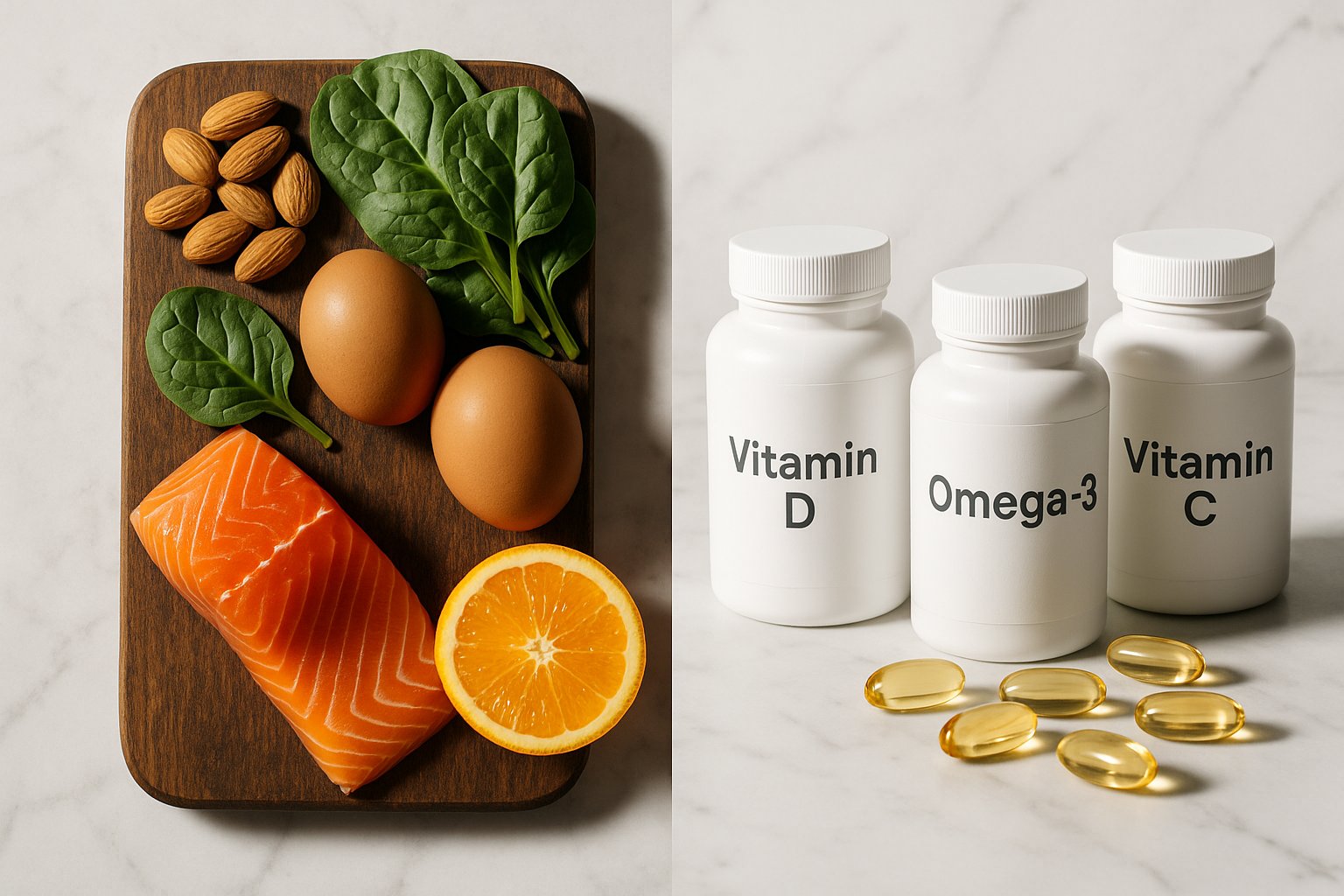
If you eat 2–3 servings of fatty fish per week (salmon, sardines, mackerel, anchovies), you likely meet the 1,000 mg/day minimum. Most people don’t consistently eat this much fish, making supplementation practical insurance.
Do omega-3s thin the blood?
At typical supplement doses (1–3 g/day), omega-3s have mild antiplatelet effects but don’t significantly increase bleeding risk in most people. However, doses above 3 g/day may enhance the effects of anticoagulant medications — consult your doctor if you’re on blood thinners.
Omega-3 Safety and Drug Interactions
Omega-3s are generally very well-tolerated. Key considerations:
Common side effects: Fishy aftertaste, burping, and mild GI upset — usually dose-dependent and minimized by choosing high-quality oxidized-free oil, taking with meals, or refrigerating capsules.
Blood thinning: At typical doses (1–3 g/day), omega-3s have mild antiplatelet activity but do not significantly increase bleeding risk in healthy adults. At doses above 3 g/day, they may potentiate anticoagulants like warfarin or direct oral anticoagulants (DOACs). Consult your physician if you take blood thinners.
Medication interactions: High-dose fish oil may lower blood pressure slightly; use cautiously with antihypertensives. Some evidence suggests omega-3s may improve statin efficacy, but discuss with your prescriber before stacking.
Pregnancy: DHA is critical during pregnancy and breastfeeding for fetal brain and eye development. Prenatal omega-3 supplementation (typically 200–300 mg DHA/day) is widely recommended. Choose certified-mercury-free products.
Oxidation concern: Rancid fish oil generates harmful oxidation byproducts. Smell your fish oil — it should smell faintly of fish, not strongly rancid or “off.” Poor-quality or improperly stored fish oil may do more harm than good. Look for TOTOX values below 26 on product lab reports.
Who Benefits Most from Omega-3 Supplementation
Omega-3 supplementation provides the most meaningful benefit for:
People who eat little or no fatty fish (fewer than 1 serving/week)
Individuals with elevated triglycerides — high-dose EPA+DHA (2–4 g/day) is one of the most proven triglyceride-lowering interventions
People managing depression or mood disorders — EPA-dominant formulas (2:1 or higher EPA:DHA) show the most evidence
Adults over 50 — cognitive and cardiovascular risk reduction become more relevant with age
Pregnant and breastfeeding women — DHA supports fetal neurodevelopment
Vegetarians and vegans — algae oil provides the only direct vegan EPA+DHA source
Those who eat 2–3 servings of fatty fish weekly likely have adequate omega-3 status and may see diminishing returns from supplementation.
The Bottom Line
Omega-3 supplementation remains one of the most broadly beneficial and well-supported interventions in nutritional science. Focus on EPA+DHA content (not fish oil weight), choose triglyceride form for better absorption, and aim for at least 1,000 mg combined EPA+DHA daily.





Leave a Reply