
Complete Guide to Blood Sugar Supplements in 2026: What Works, What Doesn’t, and How to Choose
Quick Answer: The supplement market for blood sugar support is enormous — and most of it is marketing. A handful of ingredients have genuine clinical evidence: berberine (the strongest), chromium, alpha-lipoic acid, cinnamon (Ceylon, not cassia at high doses), and fiber. But supplements work at the margins. They don’t replace diet, exercise, or medication. This guide covers what actually moves the needle, what doesn’t, and how to build a stack that makes sense.
What’s in This Guide
- How Blood Sugar Regulation Works
- Insulin Resistance: The Root Problem
- Berberine: The Strongest Supplement Evidence
- Cinnamon Supplements: Ceylon vs Cassia
- Chromium Picolinate
- Alpha-Lipoic Acid
- Gymnema Sylvestre
- Fenugreek, Bitter Melon, and Other Botanicals
- Fiber for Blood Sugar: The Underrated Tool
- Supplement Stacks for Blood Sugar
- Metabolic Health Beyond Blood Sugar
- Post-Meal Glucose Management
- Who Actually Needs Blood Sugar Supplements?
- Frequently Asked Questions
- Sources
- Related Articles
How Blood Sugar Regulation Works
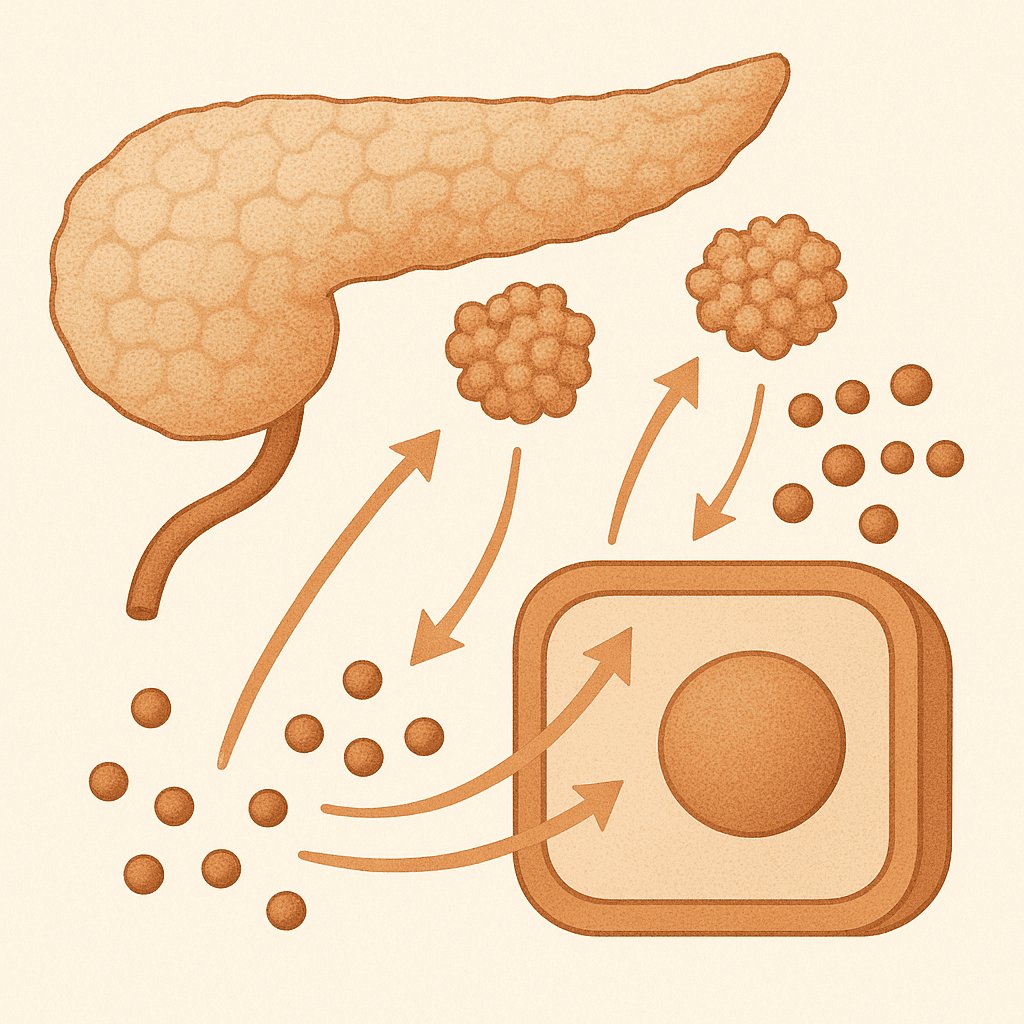
Your body maintains blood glucose within a narrow range — roughly 70–100 mg/dL fasting and under 140 mg/dL after meals. This regulation involves a feedback loop between your pancreas (which produces insulin and glucagon), your liver (which stores and releases glucose), and your muscles and fat cells (which take up glucose in response to insulin).
When this system works well, you eat, glucose rises, insulin is released, cells absorb the glucose, and blood sugar returns to baseline within 1–2 hours. When it starts breaking down — usually through a combination of excess visceral fat, sedentary behavior, chronic inflammation, and genetic predisposition — your cells become less responsive to insulin. Your pancreas compensates by producing more insulin. This is insulin resistance, and it’s the metabolic root of type 2 diabetes, metabolic syndrome, and a cascade of downstream health problems.
Understanding this mechanism matters for supplements because different ingredients target different parts of the pathway. Berberine activates AMPK (similar to metformin). Chromium enhances insulin receptor sensitivity. Fiber slows carbohydrate absorption. Alpha-lipoic acid works as both an antioxidant and an insulin sensitizer. No single supplement addresses the entire pathway, which is why stacking sometimes makes sense — and why no supplement replaces the fundamentals of diet and exercise.
Insulin Resistance: The Root Problem
Before spending money on supplements, it’s worth knowing whether you actually have a blood sugar problem. Many people supplement blindly based on marketing fear rather than data. Our guide on how to know if you have insulin resistance covers the specific tests (fasting insulin, HOMA-IR, HbA1c, oral glucose tolerance test) and what the numbers actually mean.
Key point: fasting glucose alone is a late marker. You can have significant insulin resistance for years while fasting glucose looks normal — your pancreas is just working overtime. Fasting insulin and HOMA-IR catch the problem earlier. If your doctor only checks fasting glucose and HbA1c, you may want to request fasting insulin as well.
Berberine: The Strongest Supplement Evidence
Berberine is the single most evidence-backed supplement for blood sugar management. A 2012 meta-analysis of 14 RCTs (n=1,068) found that berberine reduced fasting blood glucose by an average of 25.8 mg/dL and HbA1c by 0.72% — numbers comparable to metformin in head-to-head trials.
The mechanism: berberine activates AMP-activated protein kinase (AMPK), the same metabolic master switch that metformin targets. It also improves insulin receptor expression, slows carbohydrate absorption in the gut, and modulates the gut microbiome. The typical effective dose in trials is 500 mg taken 2–3 times daily with meals (1,000–1,500 mg/day total).
Berberine isn’t without issues. GI side effects (cramping, diarrhea, constipation) are common, especially when starting. It has meaningful drug interactions — particularly with CYP enzyme substrates, statins, and metformin itself. Taking berberine and metformin together without medical supervision can cause dangerously low blood sugar.
We cover the clinical evidence in depth in our berberine for blood sugar evidence review, the head-to-head metformin comparison in our berberine vs metformin comparison, and the full safety profile in our berberine side effects and drug interactions guide.
Cinnamon Supplements: Ceylon vs Cassia
Cinnamon for blood sugar has been studied extensively, but the results are inconsistent — partly because studies use different types of cinnamon at different doses.
The two main types matter enormously. Cassia cinnamon (the common, cheap variety) contains high levels of coumarin, a compound that’s toxic to the liver at sustained doses. Ceylon cinnamon (“true cinnamon”) has negligible coumarin content and is the safer choice for daily supplementation.
A 2019 meta-analysis of 18 RCTs found that cinnamon supplementation reduced fasting glucose by about 7.7 mg/dL on average — a modest but statistically significant effect. The effect was stronger in people with type 2 diabetes than in healthy subjects. Doses ranged from 120 mg to 6 g/day across studies.
Our cinnamon supplements for blood sugar guide breaks down the Ceylon vs Cassia evidence, dosing, and which specific products are actually Ceylon.
Chromium Picolinate
Chromium is an essential trace mineral involved in insulin signaling. Chromium picolinate is the most studied supplemental form, and the evidence is genuinely mixed.
A 2014 Cochrane-style systematic review found small improvements in fasting glucose and HbA1c with chromium supplementation, but the effect sizes were modest and study quality was often low. The most positive results come from people who are chromium-deficient — which may be more common than previously thought, especially in people eating highly processed diets.
Typical doses in studies: 200–1,000 mcg/day of chromium picolinate. Side effects are minimal at standard doses. The main concern is that some in vitro studies have raised questions about chromium picolinate’s potential for DNA damage, though this hasn’t been confirmed in human studies at supplemental doses.
Full evidence review in our chromium picolinate for blood sugar guide.
Alpha-Lipoic Acid
Alpha-lipoic acid (ALA) is unique — it works as both a potent antioxidant and an insulin sensitizer. It also has the strongest evidence of any supplement for diabetic neuropathy (nerve pain and numbness in the extremities).
For blood sugar: a meta-analysis of 10 RCTs found that ALA supplementation reduced fasting glucose by about 10.1 mg/dL and HbA1c by 0.38%. For diabetic neuropathy: the ALADIN, SYDNEY, and NATHAN trials showed that 600 mg/day IV or oral ALA significantly improved neuropathy symptoms. The oral dose used in most trials is 600–1,200 mg/day.
ALA is generally well-tolerated. GI side effects are the most common complaint. It can lower blood sugar when combined with diabetes medications, so monitoring is important. Our insulin sensitivity supplements guide covers ALA alongside other sensitizers.
Gymnema Sylvestre
Gymnema is an Ayurvedic herb called “the sugar destroyer” because it temporarily blocks sweet taste receptors on the tongue. Beyond the taste effect, gymnema has some intriguing blood sugar evidence.
Animal and small human studies suggest gymnema may stimulate insulin secretion from pancreatic beta cells and improve glucose uptake. A 2017 systematic review found that gymnema supplementation reduced fasting glucose and HbA1c in people with type 2 diabetes, but noted that most studies were small and of moderate quality.
The typical dose is 200–400 mg of gymnemic acid extract daily. It’s often included in blood sugar support formulas as a complementary ingredient rather than a standalone. See our gymnema for blood sugar evidence review.
Fenugreek, Bitter Melon, and Other Botanicals
Several other botanicals appear in blood sugar supplements with varying evidence:
Fenugreek seeds contain galactomannan fiber and the amino acid 4-hydroxyisoleucine, both of which may improve insulin sensitivity. A 2014 meta-analysis of 10 RCTs found significant reductions in fasting glucose and HbA1c. The effective dose is typically 5–50 g of fenugreek seed or 500–1,000 mg of extract daily. Side effects include GI upset and a maple syrup smell in urine and sweat.
Bitter melon has a long history in traditional medicine for diabetes. The evidence from clinical trials is modest — a 2012 Cochrane review found insufficient evidence to recommend it over standard treatment. Some positive studies exist, but quality is inconsistent.
Our fenugreek and bitter melon evidence guide covers the full botanical landscape.
Fiber for Blood Sugar: The Underrated Tool
Fiber may be the most underrated blood sugar supplement. Soluble fiber (psyllium, glucomannan, beta-glucan) forms a gel in the gut that physically slows carbohydrate absorption, blunting post-meal glucose spikes.
The evidence is robust. A 2018 meta-analysis of 42 RCTs found that fiber supplementation reduced fasting glucose by 6.2 mg/dL and HbA1c by 0.28% — comparable to many standalone blood sugar supplements. Psyllium husk is the most studied form, typically at 5–15 g/day.
Fiber also feeds beneficial gut bacteria, improves satiety, lowers LDL cholesterol, and supports regularity. It’s one of the few supplements where the side-benefit profile is almost entirely positive. The main practical barrier is that people don’t like the texture. Our fiber supplements guide covers palatable options.
For combining fiber with other blood sugar ingredients, see our chromium plus fiber stack guide and fiber blends for metabolic health.
Supplement Stacks for Blood Sugar
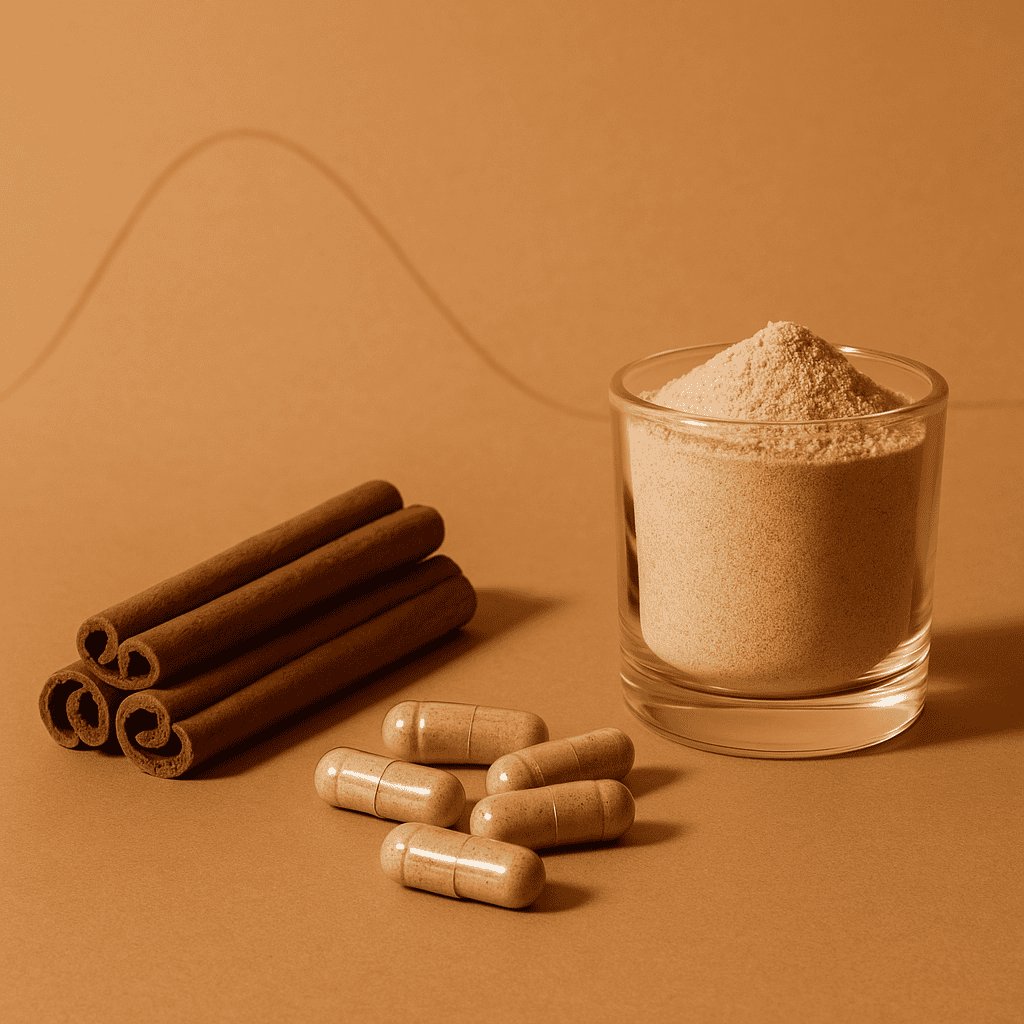
Stacking blood sugar supplements can make sense because different ingredients target different mechanisms. But stacking also increases the risk of hypoglycemia (dangerously low blood sugar), especially if you’re also on medication.
Common evidence-based stacks include:
- Berberine + fiber: Berberine activates AMPK while fiber slows absorption — complementary mechanisms with low interaction risk.
- Cinnamon + chromium: Both have modest individual effects that may be additive. This is one of the most common commercial combinations.
- ALA + berberine: Both are insulin sensitizers through different pathways, but this combination warrants medical supervision due to hypoglycemia risk.
We cover stack design principles, safety rules, and specific product recommendations in our cinnamon, chromium, and berberine stacks guide and berberine stack for insulin resistance.
Metabolic Health Beyond Blood Sugar
Blood sugar doesn’t exist in isolation. Insulin resistance is connected to — and often drives — high triglycerides, elevated blood pressure, visceral fat accumulation, and chronic inflammation. This cluster of problems is metabolic syndrome, and addressing it requires thinking beyond just glucose numbers.
For women over 40, hormonal changes add another layer. Declining estrogen affects insulin sensitivity directly, which is why metabolic issues often accelerate around perimenopause. Our metabolic supplements for women over 40 guide addresses this intersection specifically.
For broader metabolic stack strategies, see our best metabolic stack for weight management and supplements for blood sugar balance overview.
Post-Meal Glucose Management
Fasting glucose gets all the attention, but post-meal glucose spikes (postprandial glycemia) may be equally important for long-term metabolic health. Continuous glucose monitors (CGMs) have revealed that many people with “normal” fasting glucose experience dramatic spikes after meals — particularly after refined carbohydrates.
Supplements that specifically target post-meal glucose include fiber (taken before meals), berberine (taken with meals), and bitter melon extract. Behavioral strategies matter too: eating protein and fat before carbohydrates, taking a 10-minute walk after meals, and adding vinegar to meals have all shown measurable effects on post-meal glucose in clinical studies.
Our post-meal glucose management guide covers the evidence for both supplement and behavioral approaches.
Who Actually Needs Blood Sugar Supplements?
Honest answer: fewer people than the supplement industry would like.
Likely to benefit: People with diagnosed prediabetes or insulin resistance who are already working on diet and exercise but want additional support. People with type 2 diabetes using supplements as adjuncts to (not replacements for) medication, with their doctor’s knowledge. People with documented chromium deficiency.
Unlikely to benefit: Healthy people with normal blood sugar who are just worried. People looking for a supplement to offset a terrible diet. Anyone hoping to replace metformin with berberine without medical supervision.
Should be cautious: Anyone on diabetes medications (stacking risk of hypoglycemia). Anyone on blood thinners (some botanicals affect clotting). Pregnant women (berberine is contraindicated in pregnancy).
Frequently Asked Questions
Can supplements reverse type 2 diabetes?
No supplement has been shown to reverse type 2 diabetes on its own. Berberine can produce blood sugar improvements comparable to metformin, but diabetes reversal — where it’s possible — comes from significant lifestyle changes: weight loss (especially visceral fat), dietary changes, and exercise. Supplements can support that process but don’t replace it.
Is berberine safe to take with metformin?
They target the same pathway (AMPK activation), so combining them increases the risk of hypoglycemia and GI side effects. Some practitioners do combine them at lower doses of each, but this should only be done under medical supervision with glucose monitoring. Never combine them without your doctor’s knowledge.
How do I know if a blood sugar supplement is working?
Measure. Get baseline fasting glucose, fasting insulin, and HbA1c before starting. Retest after 8–12 weeks. If you have a continuous glucose monitor, track your post-meal spikes before and after. Subjective feelings are unreliable for blood sugar — the numbers tell the real story.
What’s the best single supplement for blood sugar?
Berberine has the strongest overall evidence profile, but it’s not right for everyone (GI side effects, drug interactions, contraindicated in pregnancy). For someone wanting a gentler starting point, Ceylon cinnamon or chromium picolinate have lower side effect profiles with modest benefits. Fiber is the safest option with the broadest health benefits.
Do blood sugar supplements cause low blood sugar?
In healthy people, the risk is very low — your body has robust mechanisms to prevent hypoglycemia. The risk increases substantially when supplements are combined with diabetes medications. Berberine in particular can cause clinically significant hypoglycemia when stacked with metformin or sulfonylureas.
Sources
- Dong H, et al. “Berberine in the treatment of type 2 diabetes mellitus: a systematic review and meta-analysis.” Evid Based Complement Alternat Med. 2012;2012:591654.
- Yin J, et al. “Efficacy of berberine in patients with type 2 diabetes mellitus.” Metabolism. 2008;57(5):712-717.
- Allen RW, et al. “Cinnamon use in type 2 diabetes: an updated systematic review and meta-analysis.” Ann Fam Med. 2013;11(5):452-459.
- Costello RB, et al. “Chromium supplements for glycemic control in type 2 diabetes: limited evidence of effectiveness.” Nutr Rev. 2016;74(7):455-468.
- Ziegler D, et al. “Treatment of symptomatic diabetic polyneuropathy with the antioxidant alpha-lipoic acid.” Diabetologia. 2004;47(7):1141-1149. (SYDNEY trial)
- Gibb RD, et al. “Psyllium fiber improves glycemic control proportional to loss of glycemic control.” Am J Clin Nutr. 2015;102(6):1604-1614.
l>
Related Articles
- How to Know If You Have Insulin Resistance
- Berberine for Blood Sugar: Clinical Evidence
- Berberine vs Metformin: An Honest Comparison
- Berberine Side Effects, Drug Interactions, and Dosage
- Cinnamon Supplements for Blood Sugar: Ceylon vs Cassia
- Chromium Picolinate for Blood Sugar
- Best Supplements for Insulin Sensitivity
- Gymnema Sylvestre for Blood Sugar
- Supplements for Blood Sugar Balance
- Cinnamon, Chromium, and Berberine Stacks
- Berberine Stack for Insulin Resistance
- Chromium Plus Fiber Stack
- Fiber Blends for Metabolic Health
- Metabolic Supplements for Women Over 40
- Best Metabolic Stack for Weight Management
- Supplements for Post-Meal Glucose Control
Related Supplement Guides
These comprehensive guides cover related topics that intersect with this one:
- Berberine Benefits Guide
- Longevity Supplements Guide
- Menopause Supplements Guide
- Omega-3 Supplements Guide
📝 Cite This Article
Richard Shoemake. “Complete Guide to Blood Sugar Supplements in 2026: What Works, What Doesn’t, and How to Choose.” New Online Products, 2026-04-09. https://newonlineproducts.com/2026/04/09/blood-sugar-supplements-complete-guide-2026/