
Published March 2026 | Supplements & Wellness
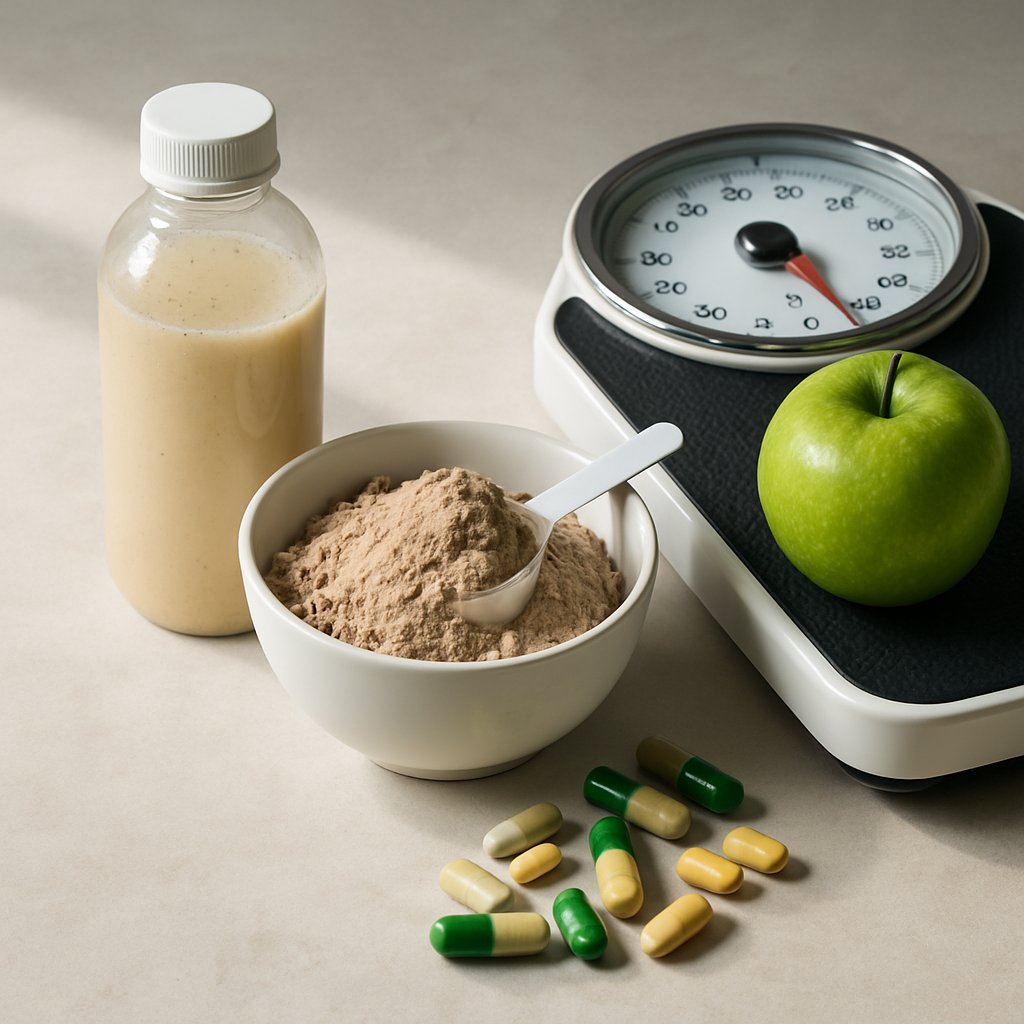
An evidence-supported metabolic stack for weight management centers on appetite regulation, blood sugar stability, and fat metabolism – not thermogenics or stimulants. The most defensible core combination is: fiber (psyllium or glucomannan 3-5 g before meals – reduces caloric intake and post-meal glucose); green tea extract or EGCG (400-600 mg/day – modest thermogenic effect, fat oxidation support); berberine (500 mg 2-3x/day – insulin sensitization, AMPK activation); and magnesium (200-400 mg/night – supports metabolic enzyme function and sleep). This combination targets multiple metabolic levers without the cardiovascular risks of stimulant-based fat burners. Realistic expectation: 1-3 kg additional fat loss over 12 weeks versus placebo, not dramatic transformation.
- Glucomannan (konjac root fiber) is one of the few dietary supplements with FDA-accepted evidence for weight management – 3 g/day before meals has shown 1.5-3 kg greater weight loss than placebo in multiple controlled trials, primarily through satiety and reduced caloric intake.
- Green tea extract (EGCG + caffeine) produces modest but consistent thermogenic effects: a 2009 meta-analysis found approximately 3.5 kg greater weight loss versus placebo over 12 weeks – the caffeine component contributes significantly; decaffeinated green tea shows much weaker effects.
- Berberine’s weight management benefit operates through multiple pathways: reduced fat cell formation (inhibits adipogenesis), altered gut microbiome composition favoring lean phenotype bacteria, and blood sugar stabilization reducing appetite drive.
- No metabolic supplement overrides a significant caloric surplus – these agents work best at maintenance or modest deficit, not as a standalone intervention with unrestricted diet.
- Stimulant-based fat burners (synephrine, high-dose caffeine, former ephedrine) carry cardiovascular risks disproportionate to their modest benefits – the evidence-based approach favors fiber, EGCG, and metabolic sensitizers over stimulant thermogenics.
The best metabolic stack for weight management is not a magic-fat-burner bundle. It is a practical combination of supplements that supports appetite control, blood sugar stability, adequate protein intake, and recovery so that fat loss becomes easier to maintain.
If a stack does not help you eat fewer calories, preserve muscle, and stay consistent, it is mostly marketing. The evidence-backed route is much less flashy and much more useful.

What a good weight-management stack should actually do
A worthwhile stack should support four things:
- Protein sufficiency to preserve lean mass
- Satiety so hunger does not sabotage compliance
- Glucose stability to reduce energy crashes and snack-driven rebound eating
- Recovery and sleep, because poor sleep raises hunger and worsens insulin resistance
That is the lens I would use for every product in this category.
The best core metabolic stack

1. Protein powder
For many adults, hitting protein targets consistently is harder than buying another stimulant. A protein powder can help close that gap, especially during calorie reduction. Higher protein intake supports satiety and helps preserve lean mass during weight loss.
A practical goal is often 25-40 grams of protein per meal, adjusted to body size and total daily intake.
2. Soluble fiber
Psyllium or partially hydrolyzed guar gum can support fullness, bowel regularity, and post-meal glucose control. Fiber is one of the highest-value tools in weight management because it works on both satiety and metabolic markers.
Use 5-10 grams daily, increasing gradually with water.
3. Berberine or meal-focused glucose support
If weight struggles are tied to insulin resistance, carb cravings, or strong post-meal crashes, berberine can be a reasonable option. Human research suggests it may support fasting glucose, HbA1c, and triglycerides in adults with metabolic issues.
This is more useful for metabolically unhealthy adults than for already-lean people chasing minor changes.
4. Magnesium
Magnesium helps because the basics matter. It may support insulin signaling, muscle function, and sleep quality. People who diet, eat lower-carb, or live under chronic stress often do better when magnesium intake is adequate.
5. Creatine
Creatine is underrated in weight-loss stacks. It does not directly burn fat, but it supports strength training performance and muscle preservation, both of which matter for long-term metabolic rate and body composition.
What about caffeine or thermogenics?
Use stimulants cautiously
Caffeine can modestly increase energy expenditure and training output, but it is often overused. High-stimulant fat burners tend to create jitteriness, sleep problems, and rebound hunger. If sleep gets worse, the stack is working against you.
A cup of coffee before training is usually a better choice than an aggressive proprietary blend.
A simple evidence-based daily setup
Starter stack
- Whey or plant protein: 25-30 grams once or twice daily as needed
- Psyllium husk: 5 grams before one or two meals
- Magnesium glycinate: 200-400 mg in the evening
- Creatine monohydrate: 3-5 grams daily
If insulin resistance is part of the picture
- Add berberine: 500 mg with one to two meals
Who this stack is best for
This kind of stack is usually best for:
- adults trying to lose fat without losing muscle
- people with high appetite while dieting
- those with blood sugar swings or late-day cravings
- people returning to training after weight gain
It is less useful for anyone expecting supplements to override a calorie surplus, alcohol excess, or chronic sleep deprivation.
FAQ
What is the single best supplement for weight management?
If I had to pick one, I would choose protein because it helps satiety and lean-mass retention. Fiber is a close second.
Do metabolic stacks work without exercise?
They can help a little, but results are much better when paired with resistance training and walking.
Are fat burners worth it?
Usually not. Most underdeliver, and some worsen sleep or anxiety. The boring stack is usually the smarter stack.
Sources
- Leidy HJ, et al. The role of protein in weight loss and maintenance. Am J Clin Nutr.
- Dhillon J, et al. Effects of increased protein during energy restriction on appetite and body composition. J Nutr.
- Clark MJ, Slavin JL. The effect of fiber on satiety and food intake. J Am Coll Nutr.
- Systematic reviews on dietary fiber and body weight. PubMed search.
- Meta-analyses on berberine for glucose and lipid outcomes. PubMed search.
—
Disclaimer: This content is for informational purposes only and does not constitute medical advice. Weight-management supplements work best as add-ons to diet quality, movement, sleep, and clinician-guided care when appropriate.
Related Articles
- Berberine Stack for Insulin Resistance Support: Complete Guide
- Supplements for Post-Meal Glucose Control: Complete Guide
- Chromium Plus Fiber Stack: Complete Guide
- Best Supplements for Blood Sugar Balance: A Cautious, Evidence-Based Guide
- Metabolic Supplements for Women Over 40: A Practical, Evidence-Aware Guide



Leave a Reply