Best Supplements for Insulin Sensitivity in 2026
Insulin sensitivity — how efficiently your cells respond to insulin’s signal to absorb glucose — is arguably the most important metabolic marker most people have never had tested. Poor insulin sensitivity (insulin resistance) precedes type 2 diabetes by years, drives visceral fat accumulation, and contributes to cardiovascular disease, PCOS, and non-alcoholic fatty liver disease.
Insulin sensitivity determines how efficiently cells respond to insulin’s signal to take up glucose. Reduced sensitivity (insulin resistance) drives type 2 diabetes, obesity, and metabolic syndrome. The most evidence-backed supplements for improving insulin sensitivity are berberine (500 mg 2-3x daily), inositol (particularly myo-inositol + D-chiro-inositol blend for PCOS), magnesium (in deficient individuals), and alpha-lipoic acid. Berberine has head-to-head comparisons with metformin in Chinese clinical trials showing comparable efficacy for blood glucose and HbA1c.
- Berberine (500 mg 2-3x daily with meals) activates AMPK, the same cellular energy sensor targeted by metformin, improving glucose uptake and reducing hepatic glucose production.
- Multiple meta-analyses show berberine reduces fasting glucose, post-meal glucose, HbA1c, and HOMA-IR (insulin resistance index) comparably to metformin at typical doses.
- Inositol (myo-inositol + D-chiro-inositol, 40:1 ratio) improves insulin signaling in PCOS — it acts as a second messenger in the insulin signaling pathway and RCTs show significant improvements in fasting insulin and HOMA-IR.
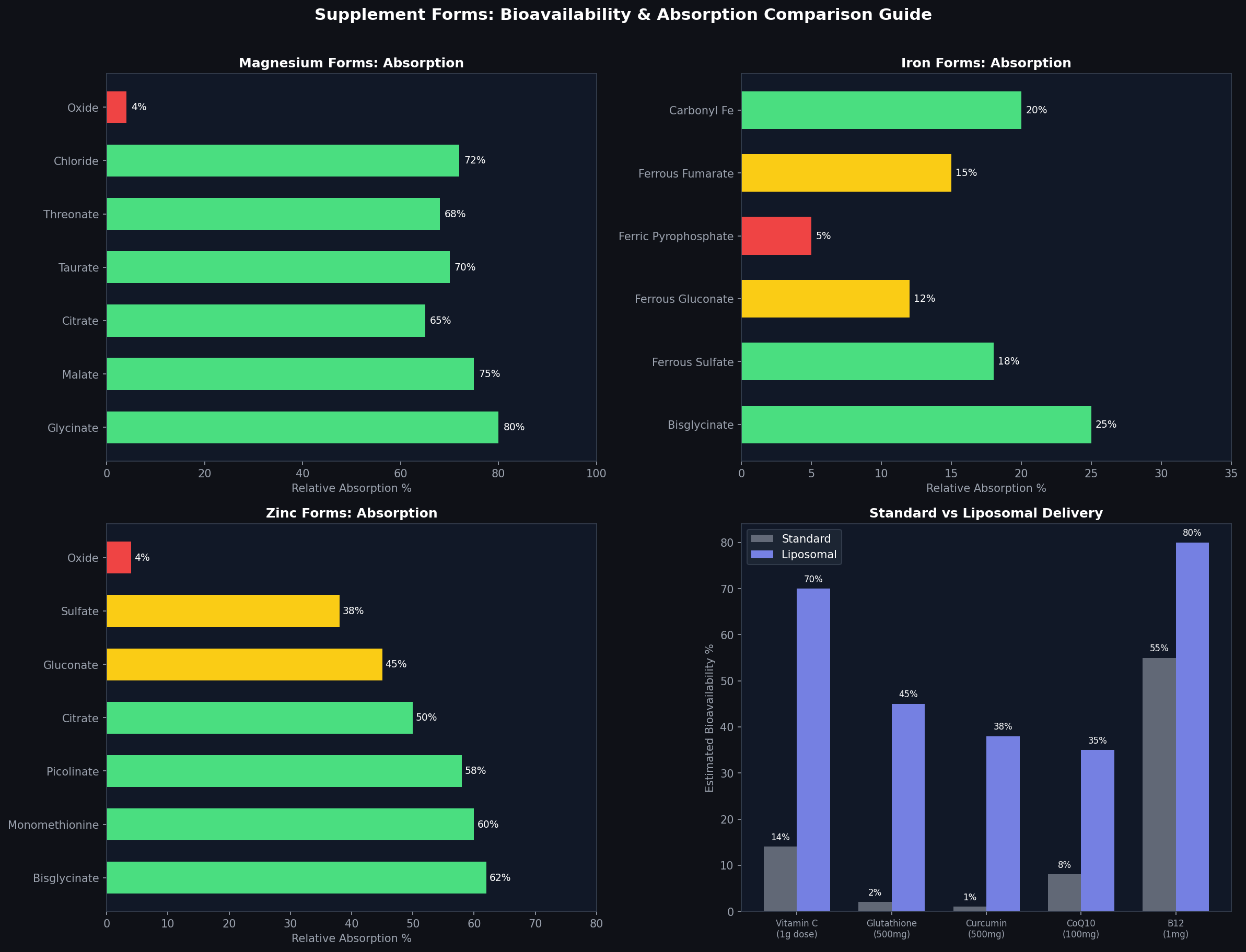
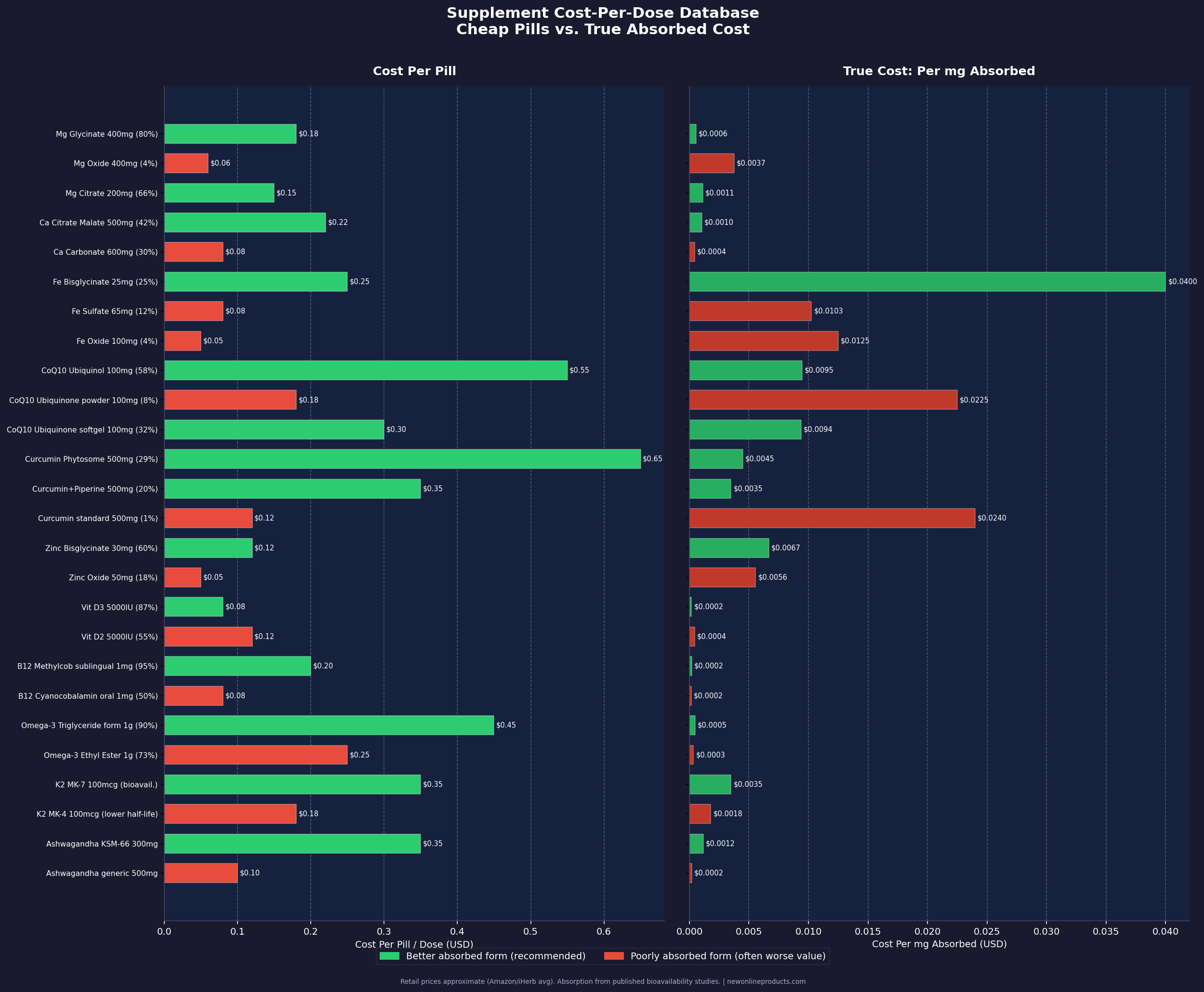
- Magnesium is a cofactor for insulin receptor activity; deficiency impairs insulin signaling; supplementation in deficient individuals (magnesium glycinate or citrate 200-400 mg/day) improves insulin sensitivity markers.
- Alpha-lipoic acid (300-600 mg/day) improves insulin-stimulated glucose uptake via GLUT4 translocation; evidence is strongest for diabetic neuropathy and as an adjunct in metabolic syndrome.
This guide covers supplements that may improve insulin sensitivity specifically, separate from those that simply lower blood sugar through other mechanisms. There’s overlap, but the distinction matters: something that blocks carbohydrate absorption (like fenugreek fiber) lowers blood sugar without necessarily improving insulin sensitivity. Something that enhances insulin receptor signaling (like exercise) improves the root problem.
The reality check: Exercise — especially resistance training and walking after meals — is 5–10x more effective at improving insulin sensitivity than any supplement. A single bout of moderate exercise can improve insulin sensitivity for 24–48 hours. Supplements are adjuncts to this, not replacements.
What Insulin Sensitivity Actually Means
When you eat carbohydrates, your blood glucose rises. Your pancreas releases insulin. Insulin tells your muscle, fat, and liver cells to absorb glucose. If those cells respond readily, you’re insulin-sensitive. If they don’t respond well, your pancreas has to produce more and more insulin to get the same job done — that’s insulin resistance.
Why it matters: Chronically elevated insulin (hyperinsulinemia) promotes fat storage, inflammation, and eventually pancreatic burnout → type 2 diabetes.
How it’s measured: HOMA-IR (fasting glucose × fasting insulin ÷ 405) is the most common clinical proxy. Values below 1.0 are ideal; above 2.5 suggests insulin resistance. The gold standard is the hyperinsulinemic-euglycemic clamp — used in research but not clinical practice.
Supplements With Evidence for Insulin Sensitivity
Berberine
The most-studied supplement for insulin sensitivity specifically. Multiple trials show HOMA-IR improvement. Activates AMPK (the same pathway as exercise and metformin). For full coverage, see our berberine guide and the berberine and blood sugar deep dive.
Magnesium
A 2016 meta-analysis (Simental-Mendía et al.) of 18 RCTs found magnesium supplementation significantly reduces HOMA-IR in both diabetic and non-diabetic insulin-resistant individuals. Magnesium is a cofactor for insulin receptor tyrosine kinase — when you’re deficient, insulin signaling literally can’t work properly.
Key finding: Approximately 48% of Americans consume less than the estimated average requirement for magnesium. Correcting deficiency may be the single most cost-effective intervention for insulin sensitivity.
Dose: 250–400 mg/day elemental magnesium. Glycinate or citrate forms preferred. Full magnesium guide
Chromium Picolinate
Martin et al. (2006) measured insulin sensitivity directly via euglycemic clamp (the gold standard) and found 1,000 mcg/day of chromium picolinate improved insulin sensitivity by 8.9% in type 2 diabetics. Meta-analyses confirm HOMA-IR improvements, particularly in chromium-insufficient populations.
Details: Chromium picolinate deep dive
Alpha-Lipoic Acid
Multiple trials show HOMA-IR reduction. The 2018 Akbari meta-analysis found modest but significant insulin sensitivity improvement. ALA may work by reducing oxidative stress in insulin signaling pathways and activating AMPK (similar to berberine, but weaker).
Dose: 300–600 mg/day. ALA deep dive
Omega-3 Fatty Acids (EPA/DHA)
The insulin sensitivity story for omega-3s is complicated:
- Observational data: Higher omega-3 intake consistently associated with better insulin sensitivity
- Animal data: Strong — omega-3s improve cell membrane fluidity, enhancing insulin receptor function
- Human RCTs: Mixed. A 2019 meta-analysis (Gao et al.) of 17 RCTs found omega-3s do NOT significantly improve HOMA-IR or fasting insulin in people with type 2 diabetes. But in people with metabolic syndrome (pre-diabetic), some trials show modest benefit.
Honest interpretation: Omega-3s probably improve insulin sensitivity through membrane composition changes, but the effect is too small and slow to show up reliably in 8–12 week supplement trials. Long-term dietary omega-3 intake matters more than supplementation.
Dose if supplementing: 2–4 g EPA+DHA/day. Full omega-3 guide
Vitamin D
The connection: Vitamin D receptors are present on pancreatic beta cells and muscle cells. Vitamin D deficiency is strongly correlated with insulin resistance in observational studies.
Trial data: A 2019 meta-analysis (Li et al.) of 19 RCTs found vitamin D supplementation significantly improves HOMA-IR and fasting insulin — but only in people who were vitamin D deficient at baseline. In replete individuals, no benefit.
Dose: Enough to reach 30–50 ng/mL serum 25(OH)D. Typically 2,000–5,000 IU/day depending on baseline. Test first.
Inositol (Myo-Inositol + D-Chiro-Inositol)
Standout use case: PCOS. Myo-inositol is a second messenger in insulin signaling. In women with PCOS (who often have significant insulin resistance), supplementation with myo-inositol (2–4 g/day) significantly improves insulin sensitivity, ovulation, and hormone profiles.
Key trials:
- Unfer et al. (2012): Meta-analysis of 6 RCTs in PCOS. Significant HOMA-IR improvement with myo-inositol 4 g/day.
- Facchinetti et al. (2015): 40:1 ratio of myo-inositol to D-chiro-inositol mirrors physiological levels and appears optimal.
Beyond PCOS: Evidence in non-PCOS insulin resistance is thinner but emerging. A 2020 trial in prediabetic individuals showed HOMA-IR improvement with 2 g myo-inositol/day.
Honest take: Strong evidence in PCOS; promising but less robust for general insulin resistance.
Lifestyle Factors That Dwarf Supplements
For honesty’s sake, here’s what the evidence says matters most for insulin sensitivity:
- Resistance training — most powerful single intervention. Increases GLUT-4 transporters in muscle.
- Walking after meals — 15–30 minutes post-meal walking reduces glucose spikes by 30–50%.
- Sleep quality — one night of poor sleep can reduce insulin sensitivity by 25% (Donga et al., 2010).
- Body composition — reducing visceral fat improves insulin sensitivity more than any supplement.
- Stress management — chronic cortisol elevation directly impairs insulin sensitivity.
A supplement stack addressing insulin sensitivity without addressing these factors is rearranging deck chairs.
A Rational Supplement Approach
For most people with mild insulin resistance:
- Fix magnesium deficiency (most impactful per dollar)
- Ensure vitamin D sufficiency (test first)
- Consider berberine if lifestyle changes aren’t enough
For PCOS-related insulin resistance:
- Myo-inositol 4 g/day (+ D-chiro-inositol 100 mg/day)
- Magnesium
- Consider berberine or chromium as add-ons
What to avoid: Multi-ingredient “insulin support” blends with 12 ingredients at sub-therapeutic doses. They can’t work because no individual ingredient is dosed high enough to have an effect.
For the full blood sugar supplement landscape, see our blood sugar supplement guide.
FAQ
What supplements improve insulin sensitivity?
The strongest evidence is for: berberine (500 mg 3x/day), myo-inositol + D-chiro-inositol (especially for PCOS), magnesium (if deficient), and alpha-lipoic acid. Chromium picolinate and cinnamon extract have modest evidence for blood sugar control but less robust insulin sensitivity data.
Is berberine as good as metformin?
Chinese clinical trials comparing berberine to metformin for type 2 diabetes management show comparable reductions in HbA1c and fasting glucose. However, long-term safety data for berberine is more limited than for metformin (which has 60+ years of use). Berberine is not a substitute for prescribed diabetes medication without medical guidance.
Can supplements reverse insulin resistance?
Supplements can meaningfully improve insulin sensitivity markers, but significant insulin resistance is a lifestyle condition best addressed with caloric control, regular exercise, and sleep optimization. Supplements are most effective as adjuncts to lifestyle interventions, not standalone treatments.
What foods help insulin sensitivity?
Whole foods with fiber (legumes, vegetables, whole grains), polyphenol-rich foods (berries, green tea, dark chocolate), and healthy fats (omega-3s, olive oil, avocado) all support insulin sensitivity. Reducing refined carbohydrates and sugar is the most impactful dietary change.
References
- Use of an automated insulin delivery system in a cat with diabetes mellitus. Journal of veterinary internal medicine. 2026. PMID: 41742542.
- Martin J et al. (2006) Chromium picolinate and insulin sensitivity. Diabetes Obes Metab.
- Akbari M et al. (2018) ALA and glycemic control meta-analysis. Clin Nutr.
- Gao H et al. (2019) Fish oil and insulin resistance meta-analysis. Food Funct.
- Li X et al. (2019) Vitamin D supplementation and insulin resistance. Horm Metab Res.
- Unfer V et al. (2012) Myo-inositol and PCOS meta-analysis. Eur Rev Med Pharmacol Sci.
- Facchinetti F et al. (2015) Inositol ratios in PCOS. Gynecol Endocrinol.
- Donga E et al. (2010) Sleep restriction and insulin sensitivity. J Clin Endocrinol Metab.
Related Articles
- Best Metabolic Health Supplements in 2026: Blood Sugar, Insulin Sensitivity Fat Metabolism
- Best Metabolic Health Supplement Stacks in 2026: Optimize Blood Sugar, Insulin Sensitivity Energy
- Best Supplements for Anxiety in 2026: What the Evidence Actually Supports
- Best Supplements for Stomach Lining Support in 2026: What Actually Works
- Best Ashwagandha Supplements for Cortisol in 2026: What the Research Actually Shows