Quick Answer: Menopause isn’t a disease — it’s a biological transition. But the symptoms are real: hot flashes, disrupted sleep, mood changes, bone loss, metabolic shifts, and skin changes. A handful of supplements have genuine clinical evidence for specific menopause symptoms: black cohosh for hot flashes, calcium + vitamin D for bone density, phytoestrogens (soy isoflavones) for vasomotor symptoms, and magnesium for sleep and mood. This guide covers what works for each symptom, what doesn’t, and how to build a practical supplement approach alongside medical care.
What’s in This Guide
- What Actually Happens During Menopause
- Hot Flashes and Night Sweats
- Bone Health: Calcium, Vitamin D, and Beyond
- Phytoestrogens: Soy Isoflavones and Red Clover
- Sleep and Mood Support
- Metabolic Changes and Weight
- Skin, Collagen, and Estrogen Decline
- Hormone Precursor Supplements: What’s Real
- Creatine for Menopausal Women
- Building a Menopause Supplement Stack
- Frequently Asked Questions
- Sources
- Related Articles
What Actually Happens During Menopause
Menopause is defined as 12 consecutive months without a menstrual period, typically occurring between ages 45 and 55 (average age 51 in the US). But the transition — perimenopause — can start 7–10 years earlier, and that’s when most symptoms begin.
The core driver is declining estrogen production by the ovaries. Estrogen isn’t just a reproductive hormone — it influences bone density, cardiovascular health, skin collagen production, mood regulation, sleep architecture, metabolic rate, and body fat distribution. When estrogen drops, all of these systems feel it.
Progesterone declines even earlier than estrogen (often starting in the late 30s), which is why sleep disruption and anxiety can precede hot flashes by years. Testosterone also declines gradually, contributing to reduced muscle mass, energy, and libido.
Understanding which hormone is driving which symptom helps you target supplements appropriately rather than taking a scattershot approach.
Hot Flashes and Night Sweats
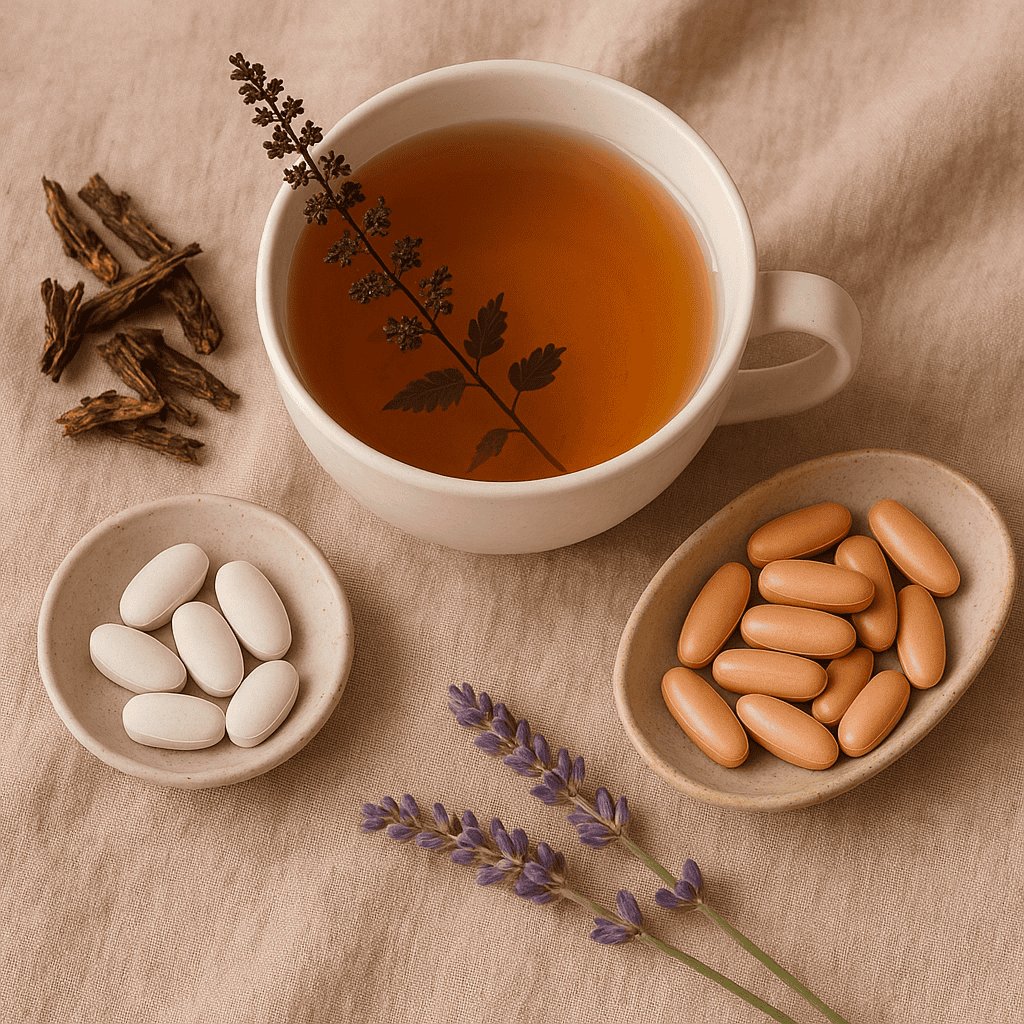
Vasomotor symptoms (hot flashes and night sweats) affect roughly 75% of menopausal women and are the most common reason women seek treatment. They can persist for 7–10 years.
Black Cohosh
Black cohosh (Actaea racemosa) is the most studied herbal remedy for hot flashes. A 2012 Cochrane review found modest benefit over placebo in some trials, but noted that study quality varied. The most consistent evidence comes from the proprietary extract Remifemin (20 mg isopropanolic extract, twice daily). Mechanism of action remains unclear — it doesn’t appear to act as a phytoestrogen but may work through serotonin receptors.
Safety: generally well-tolerated for up to 6 months. Rare reports of liver damage have surfaced but causation isn’t established. Our black cohosh evidence review covers the full 20-year research picture.
Other Options
Evening primrose oil, dong quai, and red clover have been studied for hot flashes with inconsistent results. St. John’s wort has shown some benefit in perimenopause but has significant drug interactions. None match black cohosh’s evidence base for vasomotor symptoms specifically.
For our complete supplement overview focused on hot flashes, see our best menopause supplements guide.
Bone Health: Calcium, Vitamin D, and Beyond
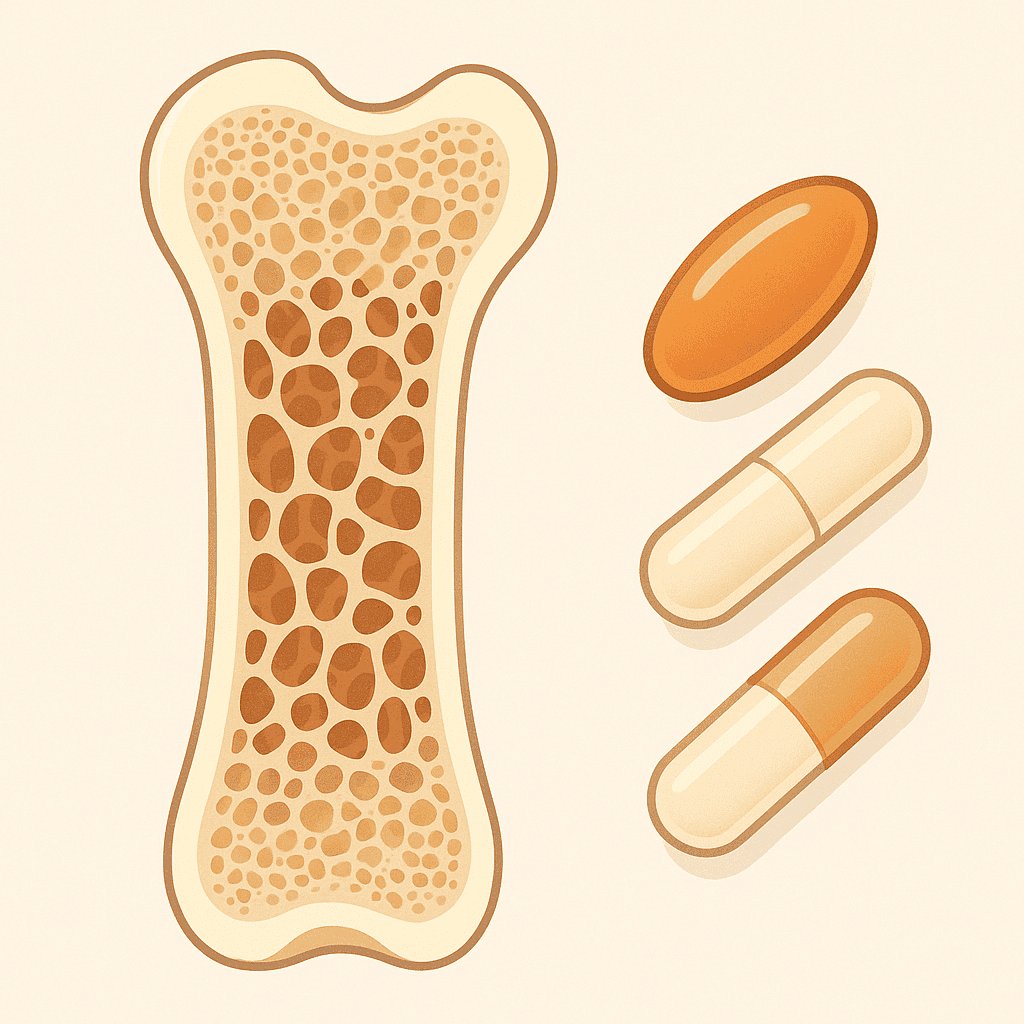
Women lose up to 20% of their bone density in the 5–7 years after menopause due to the loss of estrogen’s bone-protective effects. This makes osteoporosis supplementation genuinely important, not optional.
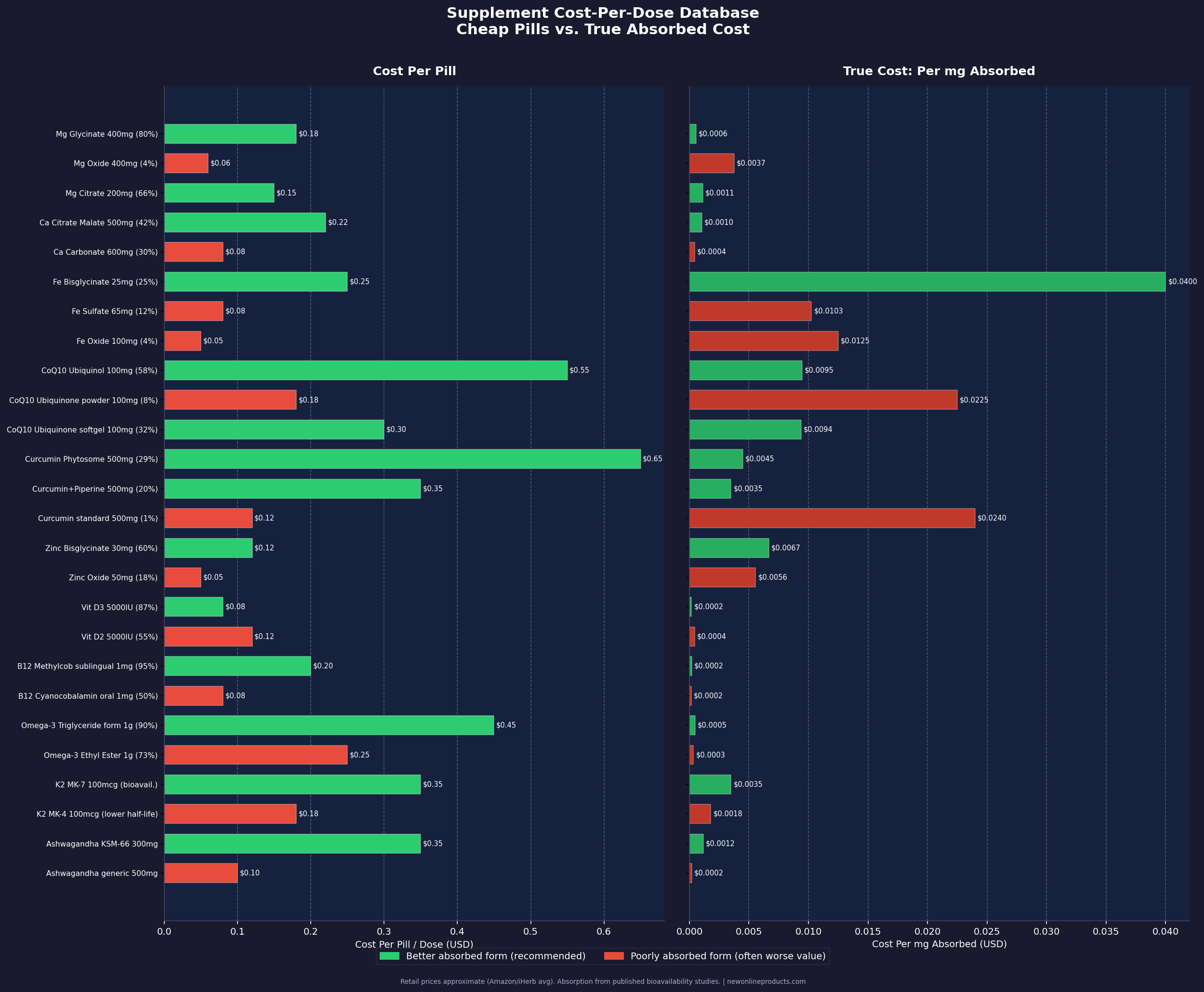
Calcium: The National Osteoporosis Foundation recommends 1,000–1,200 mg/day of total calcium (diet + supplements). Most women get 500–700 mg from food, leaving a 300–500 mg supplemental gap. Calcium citrate is absorbed better than calcium carbonate, especially on an empty stomach.
Vitamin D3: Essential for calcium absorption. The Endocrine Society recommends 1,500–2,000 IU/day for adults at risk of deficiency, with blood levels targeted to 30–50 ng/mL. Vitamin D deficiency is extremely common in postmenopausal women.
Vitamin K2: Emerging evidence suggests K2 (particularly MK-7) helps direct calcium into bones rather than arteries. The 3-year Rotterdam Study substudy found that high K2 intake was associated with reduced cardiovascular calcification and lower cardiovascular mortality.
Our calcium and vitamin D for bone density guide covers the nuanced evidence including the calcium-from-supplements cardiovascular controversy.
Phytoestrogens: Soy Isoflavones and Red Clover
Phytoestrogens are plant compounds that weakly bind estrogen receptors. Soy isoflavones (genistein, daidzein) are the most studied, particularly in Asian populations where dietary soy intake is naturally high.
A 2012 meta-analysis of 17 RCTs found that soy isoflavones reduced hot flash frequency by about 20% and severity by about 26%. The effect was stronger in studies using genistein-rich supplements at doses of 40–80 mg/day. Importantly, the benefit takes 4–12 weeks to develop — these aren’t fast-acting.
The phytoestrogen safety question (cancer risk) has been largely resolved. Major meta-analyses show no increased breast cancer risk from dietary or supplemental soy isoflavones, and some evidence suggests protective effects. However, women with estrogen-receptor-positive breast cancer should discuss phytoestrogen use with their oncologist.
Full evidence review in our phytoestrogens for menopause guide.
Sleep and Mood Support
Sleep disruption in perimenopause and menopause has multiple drivers: night sweats that physically wake you, declining progesterone (which has sedative properties), increased anxiety, and changes in circadian regulation.
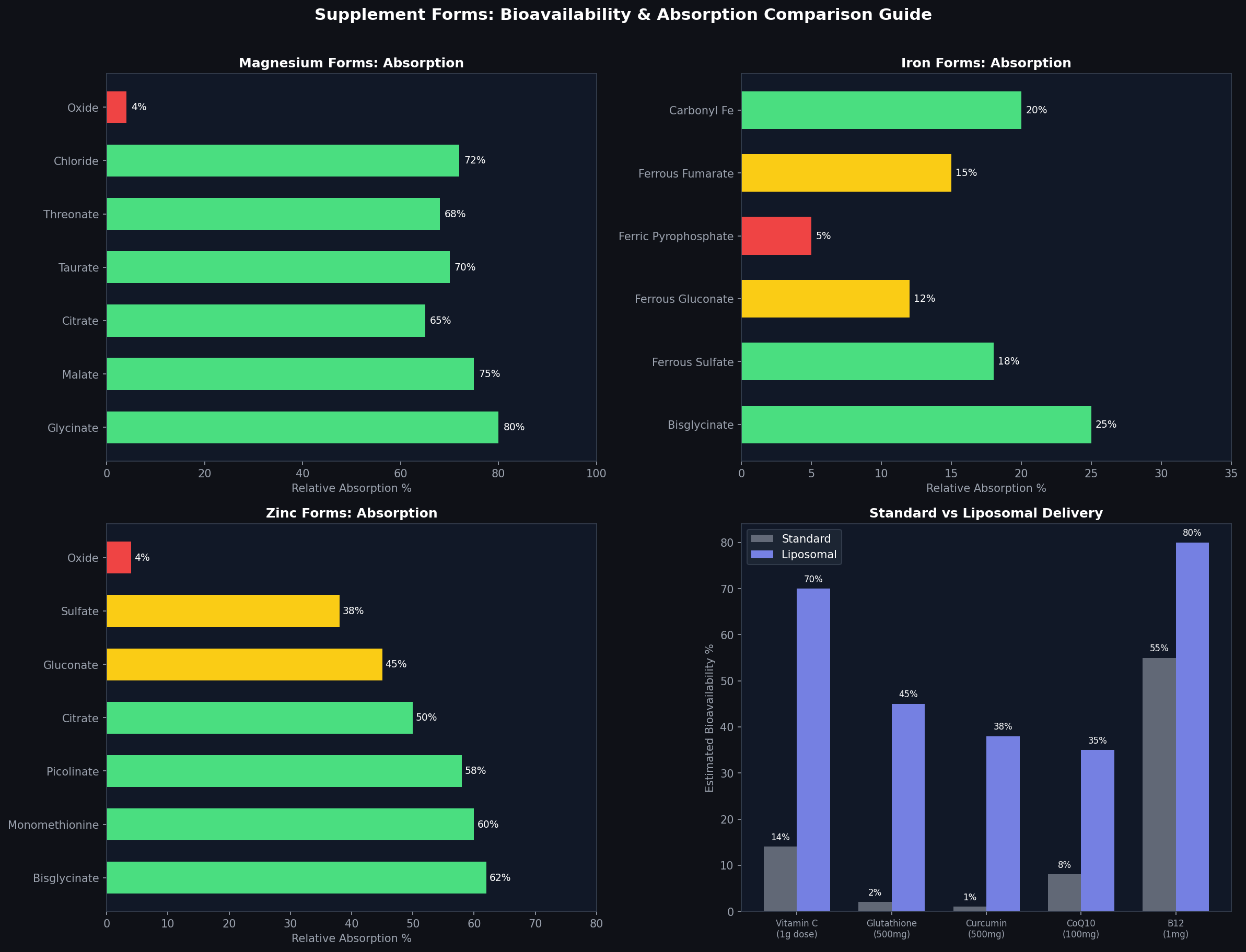
Magnesium glycinate is the most practical supplement starting point. Magnesium supports GABA activity and muscle relaxation, and many women are deficient. Doses of 200–400 mg elemental magnesium before bed are commonly used. Our magnesium and sleep in perimenopause guide covers this specifically.
L-theanine (100–200 mg) promotes relaxation without sedation. It works well as a complement to magnesium for anxiety-driven sleep issues.
Ashwagandha has shown cortisol-lowering effects in multiple trials. For perimenopausal women whose sleep disruption is stress-driven rather than hot-flash-driven, it’s worth considering.
For mood specifically, see our broader guide to anxiety supplements and depression supplements.
Metabolic Changes and Weight
Many women experience weight gain — particularly visceral abdominal fat — during the menopausal transition. This isn’t just cosmetic: visceral fat is metabolically active and drives insulin resistance, inflammation, and cardiovascular risk.
The drivers include declining estrogen (which shifts fat distribution from hips/thighs to abdomen), reduced muscle mass (lowering basal metabolic rate), insulin resistance, and often disrupted sleep (which itself promotes weight gain).
Supplements that may help include berberine (for insulin resistance), creatine (for preserving muscle mass), and fiber (for satiety and blood sugar control). None of these are weight loss supplements — they support the metabolic foundations that make diet and exercise more effective.
Our cortisol and belly fat supplements guide and menopause belly fat supplements guide cover this intersection in detail.
Skin, Collagen, and Estrogen Decline
Skin collagen declines roughly 30% in the first 5 years after menopause, driven primarily by estrogen loss. This manifests as thinning skin, increased dryness, more pronounced wrinkles, and slower wound healing.
Collagen peptide supplementation (5–10 g/day of hydrolyzed collagen) has shown improvements in skin elasticity and hydration in multiple RCTs. A 2019 systematic review of 11 studies (n=805) found consistent improvements in skin elasticity, hydration, and dermal collagen density.
Ceramide supplements (phytoceramides, 350 mg/day) have also shown skin hydration benefits in a few small trials. Vitamin C is essential as a cofactor for collagen synthesis.
Our menopause skincare guide and ceramides vs peptides in menopause skincare cover the topical and supplement approaches.
Hormone Precursor Supplements: What’s Real
The supplement market is full of products claiming to “balance hormones” or “boost estrogen naturally.” Most of these claims are overstated.
DHEA is the one hormone precursor with legitimate data. It’s a precursor to both estrogen and testosterone, and supplemental DHEA (25–50 mg/day) has shown modest improvements in bone density, skin health, and sexual function in postmenopausal women in some trials. However, it can also raise testosterone and cause acne or hair growth. It’s technically a hormone, not just a supplement.
DIM (diindolylmethane) from cruciferous vegetables modulates estrogen metabolism but doesn’t meaningfully raise estrogen levels. “Wild yam cream” products claiming to provide natural progesterone don’t — diosgenin from wild yam cannot be converted to progesterone in the human body.
See our estrogen and progesterone supplement claims guide and hormone precursor supplements guide for the full breakdown.
Creatine for Menopausal Women
Creatine is increasingly recognized as important for women during and after menopause — not for bodybuilding, but for preserving muscle mass, bone density, and cognitive function.
Estrogen enhances creatine synthesis, so when estrogen declines, endogenous creatine production may drop. Supplemental creatine monohydrate (3–5 g/day) has shown benefits for lean mass preservation, strength, and bone mineral density in postmenopausal women in several trials.
The cognitive angle is also relevant: creatine supports brain energy metabolism, and preliminary studies suggest benefits for memory and processing speed in older adults. For menopausal women experiencing brain fog, this is worth considering.
Our creatine for menopausal women guide covers the specific evidence.
Building a Menopause Supplement Stack
Rather than taking everything, target your actual symptoms:
| Primary Symptom | Evidence-Based Options |
|---|---|
| Hot flashes | Black cohosh (Remifemin 20 mg 2x/day), soy isoflavones (40-80 mg/day) |
| Bone loss | Calcium (500 mg supplement), Vitamin D3 (1500-2000 IU), Vitamin K2 MK-7 (100-200 mcg) |
| Sleep | Magnesium glycinate (300-400 mg), L-theanine (200 mg) |
| Mood / anxiety | Magnesium, ashwagandha (300 mg KSM-66 2x/day) |
| Muscle / strength | Creatine monohydrate (3-5 g/day), protein (1.2 g/kg/day) |
| Skin / collagen | Hydrolyzed collagen peptides (5-10 g/day), Vitamin C (500 mg) |
| Weight / metabolism | Fiber (10-15 g/day), berberine if insulin resistant (with medical supervision) |
Start with 1–2 supplements targeting your worst symptoms. Give each 8–12 weeks before evaluating. Add more only if needed.
Frequently Asked Questions
Are supplements a replacement for HRT (hormone replacement therapy)?
No. For women with severe vasomotor symptoms, HRT remains the most effective treatment. Supplements are for women who can’t or prefer not to use HRT, or as complements to HRT for symptoms it doesn’t fully address (like sleep or bone support).
Is soy safe for women with a family history of breast cancer?
Meta-analyses consistently show no increased breast cancer risk from dietary soy or moderate supplemental isoflavones. Some evidence suggests protective effects. However, women with active estrogen-receptor-positive breast cancer should consult their oncologist before using concentrated isoflavone supplements.
When should I start bone-protective supplements?
Ideally, before menopause. Bone density peaks around age 30 and declines gradually after that, with accelerated loss in the 5-7 years post-menopause. Starting calcium, D3, and K2 in perimenopause gives you a head start.
Does magnesium really help menopause sleep?
The evidence is modest but consistent. A 2012 RCT in elderly insomniacs found that 500 mg magnesium daily improved sleep quality scores significantly. The mechanism (GABA enhancement, muscle relaxation, cortisol modulation) is plausible for menopause-related sleep disruption specifically. It’s one of the lowest-risk supplements with the broadest benefit profile.
Sources
- Leach MJ, Moore V. “Black cohosh for menopausal symptoms.” Cochrane Database Syst Rev. 2012;(9):CD007244.
- Taku K, et al. “Extracted or synthesized soybean isoflavones reduce menopausal hot flash frequency and severity.” Menopause. 2012;19(7):776-790.
- Weaver CM, et al. “Calcium plus vitamin D supplementation and risk of fractures.” Osteoporos Int. 2016;27(1):367-376.
- Knapen MH, et al. “Three-year low-dose menaquinone-7 supplementation helps decrease bone loss in healthy postmenopausal women.” Osteoporos Int. 2013;24(9):2499-2507.
- Bolke L, et al. “A Collagen Supplement Improves Skin Hydration, Elasticity, Roughness, and Density.” Nutrients. 2019;11(10):2494.
- Smith-Ryan AE, et al. “Creatine Supplementation in Women’s Health.” Nutrients. 2021;13(3):877.
l>
Related Articles
- Best Menopause Supplements for Hot Flashes, Sleep, and Mood
- Black Cohosh for Hot Flashes: 20 Years of Research
- Phytoestrogens for Menopause: Soy & Red Clover
- Calcium and Vitamin D for Bone Density in Menopause
- Magnesium and Sleep in Perimenopause
- Supplements for Menopause Belly Fat
- Creatine for Menopausal Women
- Best Collagen for Skin Elasticity
- Menopause Skincare: Hormonal Skin Changes
- Ceramides vs Peptides in Menopause Skincare
- Estrogen & Progesterone Supplement Claims
- Hormone Precursor Supplements
- Cortisol and Belly Fat Supplements
- Best Skincare for Menopausal Dry Skin
- Collagen and Bone Support After Menopause
Related Supplement Guides
These comprehensive guides cover related topics that intersect with this one:
- Blood Sugar Supplements Guide
- Magnesium Supplements Guide
- Collagen Supplements Guide
- Longevity Supplements Guide
- Probiotics Guide
📝 Cite This Article
Richard Shoemake. “Complete Guide to Menopause Supplements in 2026: Hot Flashes, Bone Health, Sleep, and What Actually Works.” New Online Products, 2026-04-09. https://newonlineproducts.com/2026/04/09/menopause-supplements-complete-guide-2026/