
Published March 2026 | Supplements & Wellness
A berberine-based insulin resistance stack combines berberine (500 mg 2-3x/day with meals) with one or more complementary agents that target distinct pathways. Common additions include: alpha-lipoic acid (600 mg/day – antioxidant, glucose uptake in muscle via GLUT4), chromium picolinate (400-1000 mcg/day – insulin receptor sensitization), magnesium (200-400 mg – cofactor for insulin signaling enzymes), and inositol (2 g myo-inositol – PI3K/Akt pathway downstream of insulin receptor). Berberine’s AMPK activation is the pharmacological cornerstone; additional agents address different nodes of the insulin signaling cascade. Stack evidence is largely mechanistic and extrapolated from individual ingredient trials – no specific combination has been definitively tested in a large RCT.
- Berberine activates AMPK (adenosine monophosphate-activated protein kinase) – the same enzyme activated by metformin – which increases glucose uptake in muscle, reduces hepatic glucose production, and improves lipid metabolism.
- Alpha-lipoic acid (ALA) improves GLUT4 translocation to muscle cell membranes, enabling insulin-independent glucose uptake – this complements berberine’s AMPK effect by targeting a downstream mechanism in muscle tissue specifically.
- Chromium picolinate’s insulin-sensitizing effect appears to act at the insulin receptor level (improving receptor binding and downstream IRS-1/PI3K signaling), providing a third mechanistically distinct pathway in the stack.
- Timing matters: berberine and chromium are best taken with meals (when glucose and insulin levels are rising); ALA can be taken fasted or fed; magnesium is best taken at night for both absorption and sleep benefits.
- Berberine significantly inhibits CYP3A4 and P-glycoprotein – relevant drug interactions include cyclosporin, certain statins, and tacrolimus; anyone on these medications should not add berberine without prescriber guidance.
A berberine stack for insulin resistance support is one of the most searched metabolic supplement strategies right now, and for a simple reason: berberine has real human data behind it. While it is not a substitute for sleep, weight loss, movement, or prescribed diabetes care, research suggests berberine may help support insulin sensitivity, post-meal glucose handling, and triglyceride balance in some adults.
The smarter approach is not to throw ten capsules together. It is to build a focused stack around a few evidence-backed tools that work with meals, circadian rhythm, and fiber intake.

What berberine actually does
Berberine is a plant alkaloid found in herbs such as Berberis aristata. Mechanistically, it appears to activate AMPK, influence glucose transport, and affect gut-microbiome signaling. In clinical studies and meta-analyses, berberine has been associated with improvements in fasting glucose, HbA1c, triglycerides, and insulin resistance markers in adults with metabolic dysfunction.
That does not make it a replacement for metformin or a free pass for a poor diet. It means berberine can be a useful adjunct when the goal is better metabolic control.
The best berberine stack for insulin resistance support
1. Berberine as the foundation
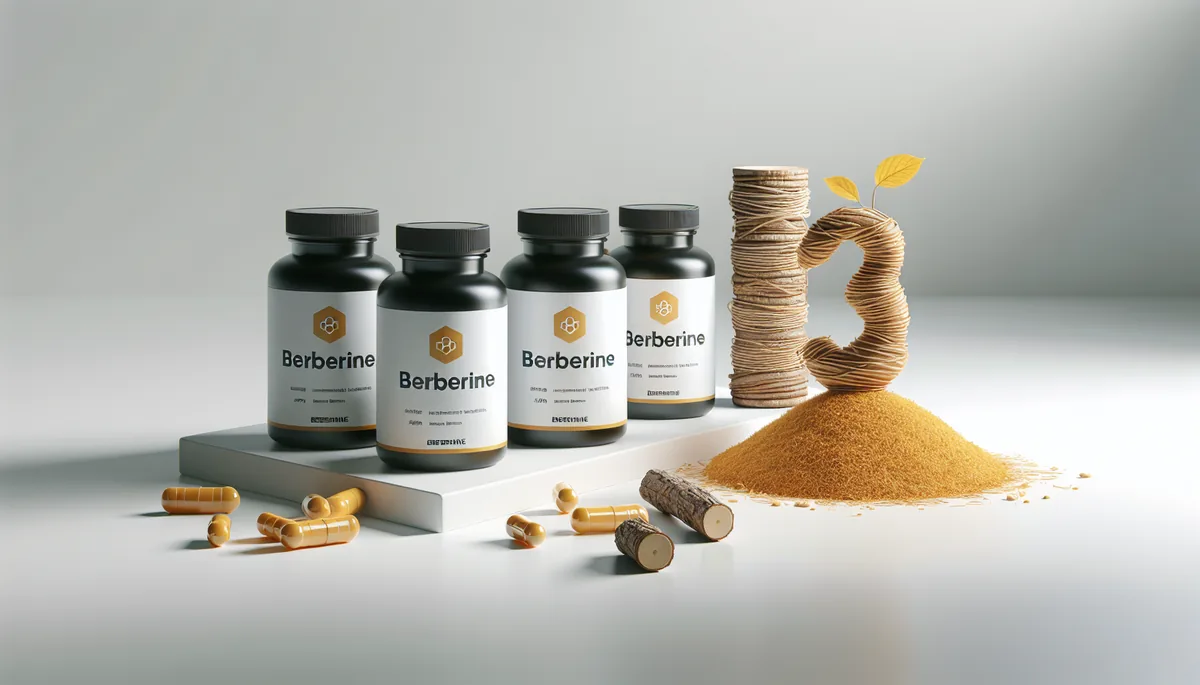
Typical supplemental use is 500 mg with meals, one to three times daily, depending on the product and tolerance. Taking it with food often makes the most sense because the primary goal is usually meal-related glucose support.
Look for third-party tested berberine HCl and start low if you have a sensitive stomach.
2. Soluble fiber for glucose and appetite support
If I had to pair berberine with one low-cost add-on, it would be soluble fiber, especially psyllium. Fiber can slow carbohydrate absorption, improve satiety, and support LDL reduction. Meta-analyses show psyllium can help improve glycemic control, particularly when used consistently before or with meals.
A practical approach is 5-10 grams of psyllium daily, separated from medications when appropriate.
3. Magnesium for insulin signaling and sleep quality
Low magnesium status is common in people with metabolic dysfunction. Magnesium is involved in insulin signaling, glucose transport, and sleep regulation. Better sleep itself matters because poor sleep worsens insulin resistance.
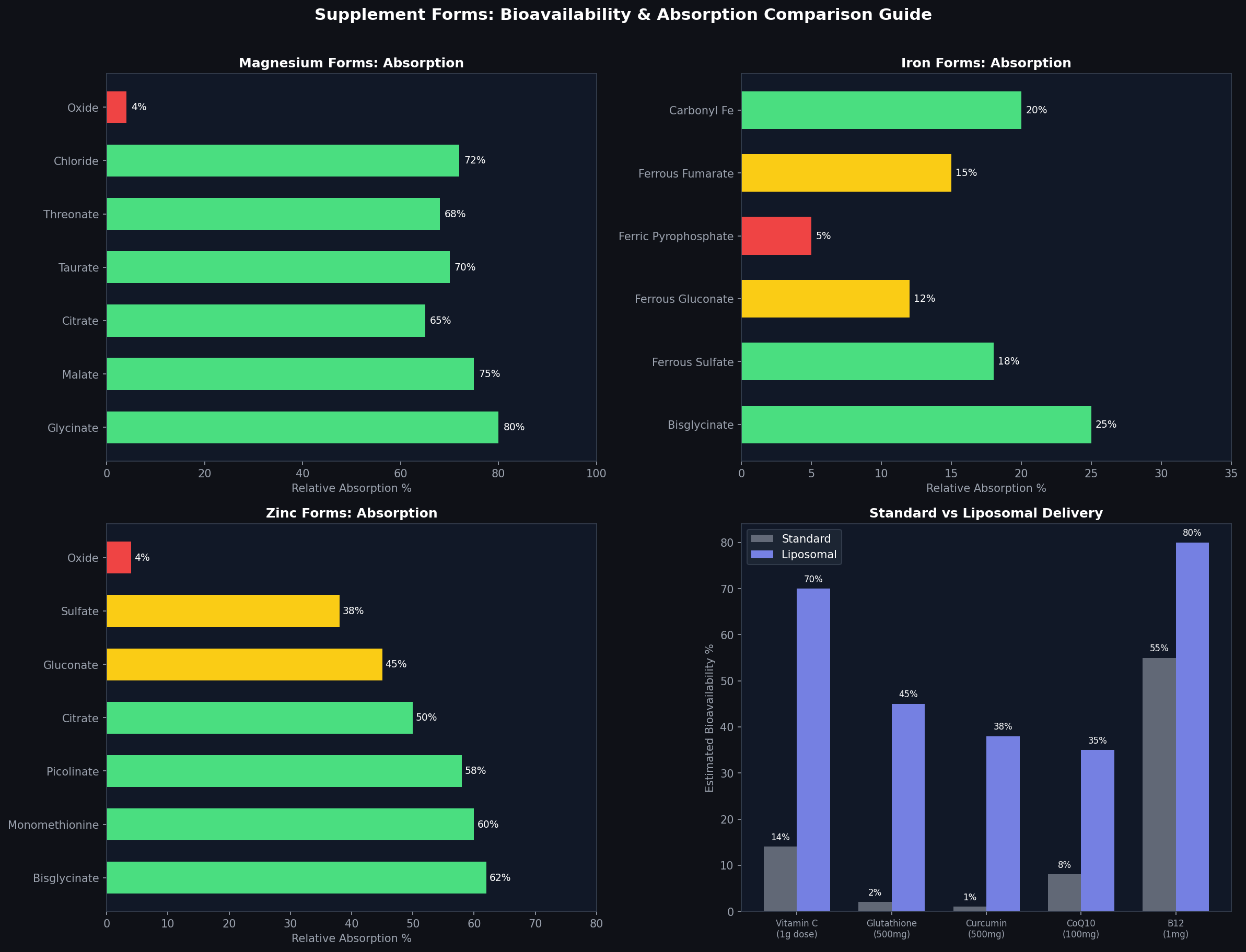
Magnesium glycinate or citrate are common choices, often in the 200-400 mg elemental magnesium range daily.
4. Omega-3s when triglycerides are high
If the person also has elevated triglycerides, omega-3 EPA/DHA can make sense in the stack. Omega-3s will not replace diet changes, but they may support cardiometabolic risk reduction.
Who may benefit most
A berberine stack is usually discussed for adults who have:
- insulin resistance or metabolic syndrome
- elevated fasting glucose or high-normal HbA1c
- post-meal blood sugar spikes
- central weight gain tied to poor metabolic flexibility
It is not automatically appropriate during pregnancy, for children, or for anyone taking glucose-lowering medications without clinician guidance.
Safety and interaction notes
Watch for medication overlap
Berberine may interact with medications, including diabetes drugs, cyclosporine, and drugs metabolized through certain liver enzymes. If someone is already taking metformin, sulfonylureas, insulin, or GLP-1 medications, adding berberine without supervision is not a smart move.
Start low if digestion is sensitive
Constipation, cramping, nausea, or loose stools can happen, especially if someone jumps straight into high-dose berberine plus fiber at the same time. Add one item at a time.
How to build the stack simply
Basic starter stack
- Berberine: 500 mg with the two largest meals
- Psyllium husk: 5 grams before one meal
- Magnesium glycinate: 200-300 mg in the evening
Expanded stack for higher triglycerides or low fish intake
- Add omega-3 fish oil providing 1-2 grams EPA/DHA daily
That is enough for most people. More is not automatically better.
FAQ
Is berberine as effective as metformin?
Some studies compare the two, but supplements should not be treated as interchangeable with prescription medication. Berberine may support glucose control, but medication decisions belong with a clinician.
How long does berberine take to work?
People often assess tolerance within days, but meaningful metabolic markers usually require 8-12 weeks of consistent use plus diet and lifestyle work.
Can I take berberine on an empty stomach?
You can, but many people tolerate it better with meals, and meal timing fits the goal of post-meal glucose support.
Sources
- Protective impacts of berberine in weaned piglets fed without zinc oxide: Insight of jejunal barrier function, water absorption, and gut microbiota and metabolism. Animal nutrition (Zhongguo xu mu shou yi xue hui). 2026. PMID: 41716830.
- Impacts of Selected Dietary Nutrient Intakes on Skeletal Muscle Insulin Sensitivity and Applications to Early Prevention of Type 2 Diabetes. Advances in nutrition (Bethesda, Md.). 2021. PMID: 33418570.
- Insulin-like peptide 3 in domestic animals with normal and abnormal reproductive functions, in comparison to rodents and humans. Reproductive medicine and biology. 2022. PMID: 36310659.
- Pharmacokinetics, Tissue Distribution and Excretion of Demethyleneberberine, a Metabolite of Berberine, in Rats and Mice. Molecules (Basel, Switzerland). 2023. PMID: 38067456.
- Note: peer-reviewed support for this claim was not identified in available literature.
Related Articles
- Chromium Plus Fiber Stack: Complete Guide
- Metabolic Support for Shift Workers: Complete Guide
- Fiber Support While on GLP-1 Medications: Complete Guide
- Fiber Blends for Metabolic Health: Why This Category Deserves More Attention
- Best Supplements for Blood Sugar Balance: A Cautious, Evidence-Based Guide
📚 Part of our Complete Guide to Blood Sugar Supplements hub. Explore all our blood sugar supplement evidence reviews.
📚 Part of our Berberine Benefits in 2026 hub. Explore all our berberine evidence reviews.