
Published March 2026 | Supplements & Wellness
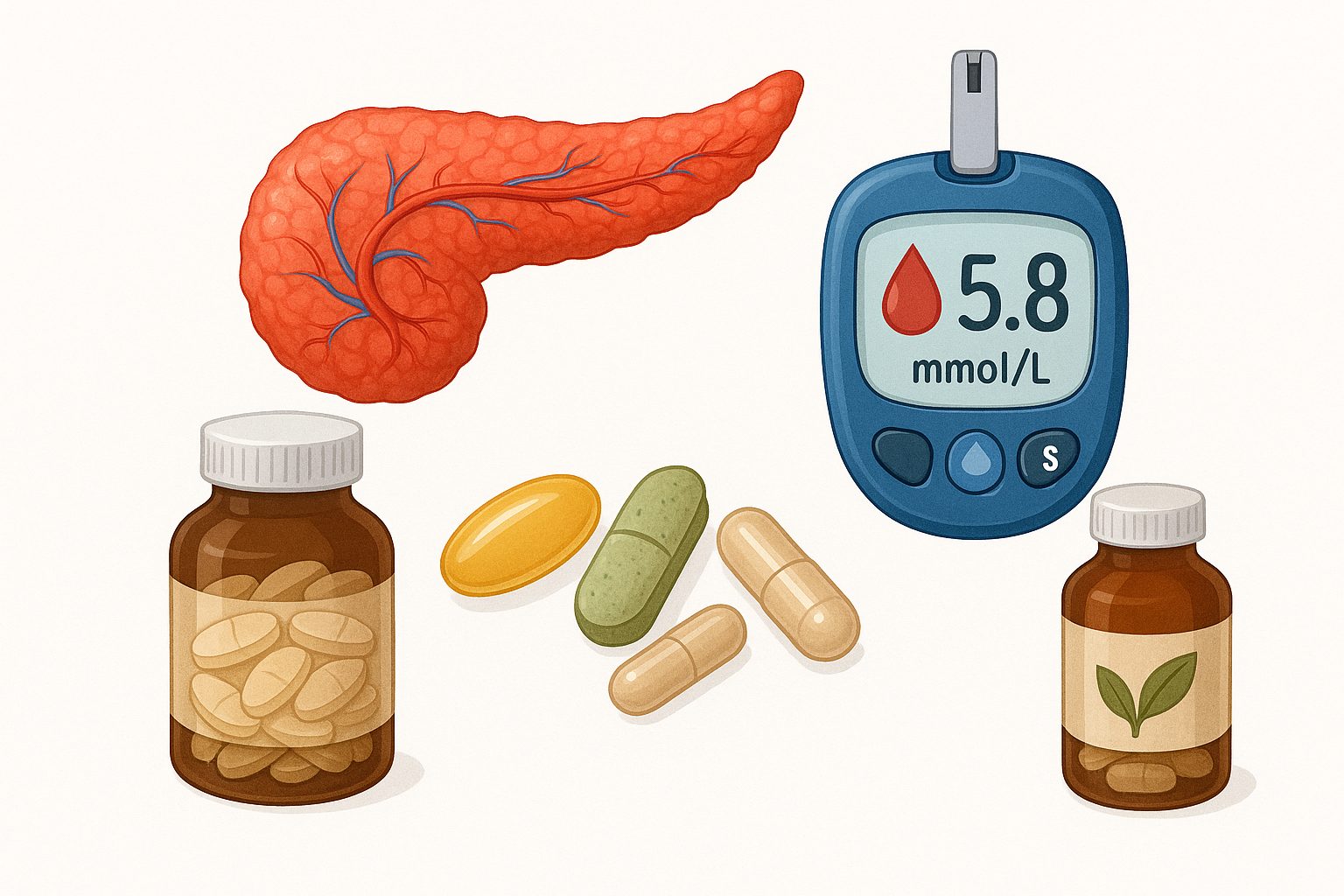
The supplements with the most consistent clinical evidence for blood sugar balance are berberine (500 mg 2-3x/day), inositol (myo-inositol 2-4 g/day, especially relevant for PCOS), chromium picolinate (200-1000 mcg/day), and magnesium (low magnesium correlates with insulin resistance). Fiber supplements (psyllium, oat beta-glucan) slow glucose absorption and are among the best-studied interventions. These work best as adjuncts to dietary changes, not replacements. Cinnamon, alpha-lipoic acid, and berberine all have supporting data, but effect sizes are modest and individual response varies considerably.
Gymnema sylvestre is one of the most promising herbal options for blood sugar balance. See our evidence review of gymnema sylvestre and its blood sugar claims.
- Berberine has the strongest pharmacological evidence among blood sugar supplements — multiple meta-analyses show HbA1c reductions of 0.5-1.5% and fasting glucose reductions of 10-20 mg/dL, comparable to some oral diabetes medications in short trials.
- Chromium picolinate improves insulin sensitivity, particularly in people with chromium deficiency or impaired glucose tolerance — benefits are most consistent at 400-1000 mcg/day in diabetic or pre-diabetic populations.
- Soluble fiber supplements (psyllium husk, oat beta-glucan, guar gum) reduce post-meal glucose spikes through viscosity and delayed gastric emptying — effects are dose-dependent and among the most consistent across diverse populations.
- Magnesium deficiency is significantly more common in type 2 diabetics and people with insulin resistance — correcting deficiency (not supplementing beyond RDA without deficiency) can improve insulin sensitivity.
- No supplement corrects poor dietary patterns — these agents work best alongside reduced refined carbohydrate intake; those on diabetes medications should consult their prescriber before adding berberine or alpha-lipoic acid due to additive hypoglycemic potential.
The phrase best supplements for blood sugar balance gets searched constantly, but the honest answer is less exciting than the ads suggest. No supplement can out-supplement poor sleep, ultra-processed eating, inactivity, or unmanaged diabetes. Still, a few supplements do have enough evidence to deserve a place in the conversation.
If you want the quick shortlist, the most evidence-backed categories are fiber, magnesium when intake is low, berberine, and in some cases cinnamon or chromium, though the last two have more mixed data than influencers usually admit.
What Actually Helps Blood Sugar Most?
Before the supplement list, the foundation matters more:
- walking after meals
- resistance training
- higher protein intake
- adequate sleep
- fewer refined carbs and sugary drinks
- more total dietary fiber
Supplements work best when they support those habits rather than replace them.
1. Fiber Supplements
Why fiber is first
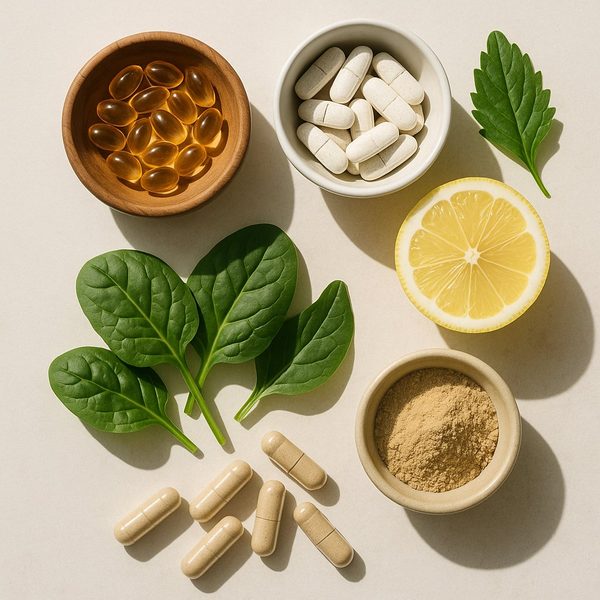
If there is one category that deserves more attention, it is fiber. Soluble, viscous fibers such as psyllium can slow carbohydrate absorption, improve satiety, and support healthier post-meal glucose responses. Higher fiber intake is also linked with better cardiometabolic health overall.
Best uses
- people eating a low-fiber diet
- those with blood sugar spikes after meals
- people wanting appetite support and improved regularity
Psyllium has some of the best practical evidence, but partially hydrolyzed guar gum and certain mixed-fiber blends can also be useful depending on tolerance.
2. Magnesium
Magnesium is involved in glucose metabolism and insulin signaling. Low magnesium status is common, especially in people with poorer diet quality, digestive issues, or certain medication patterns. Reviews have found that magnesium supplementation may improve fasting glucose and insulin sensitivity in some populations, particularly when deficiency or low intake is present.
It is not a guaranteed glucose-lowering tool, but it is one of the more sensible “check the basics first” supplements.
3. Berberine
Berberine gets attention because trials suggest it may improve fasting glucose, HbA1c, triglycerides, and insulin resistance markers. A number of meta-analyses support a potential benefit, though study quality varies and long-term outcomes are less clear than for prescription medications.
Berberine is promising, but it is also one of the most overmarketed. It can interact with medications and commonly causes GI side effects. Think promising adjunct, not miracle cure.
4. Cinnamon
What the research says
Cinnamon is popular because it is familiar, inexpensive, and easy to add. Some meta-analyses suggest cinnamon may modestly improve fasting blood glucose, but results are inconsistent across trials.
The reality
Cinnamon is reasonable as a low-cost supportive option, especially for food-first strategies, but expectations should stay realistic. It is not a substitute for diabetes treatment, and product quality plus dose standardization are real issues.
5. Chromium
Chromium is often included in blood sugar formulas because it plays a role in insulin action. Some reviews show benefits in select populations, while others find modest or inconsistent effects. In plain English: chromium may help some people, especially if intake is low, but it is not universally effective.
This makes chromium better suited to a targeted add-on than a must-have supplement.
Are Blood Sugar “Stacks” Better?
Sometimes, but not automatically. Many formulas combine berberine, cinnamon, chromium, alpha-lipoic acid, gymnema, or bitter melon. The problem is that proprietary blends often hide underdosed ingredients behind impressive labels.
A better approach is usually:
- start with one or two evidence-based basics
- assess tolerance and lab trends
- add only what has a clear purpose
Who Should Be Extra Careful?
You should not self-experiment casually with blood sugar supplements if you:
- take insulin or diabetes medications
- are pregnant or breastfeeding
- have kidney or liver disease
- have frequent hypoglycemia
- take multiple medications with interaction potential
Even “natural” supplements can lower glucose enough to create problems when layered on top of prescriptions.
A Smarter Buying Strategy
If you are shopping for metabolic support, prioritize:
- third-party testing
- single-ingredient products or transparent doses
- brands that avoid proprietary blends
- formulas built around fiber, magnesium, or well-studied ingredients instead of hype ingredients
In many cases, a fiber supplement plus magnesium plus better meal structure will outperform a fancy 12-ingredient bottle.
FAQ
What is the number one supplement for blood sugar balance?
For many people, fiber is the most practical and underrated place to start, especially if their current intake is low.
Is berberine the best supplement for blood sugar?
It is one of the more promising options, but not automatically the best for everyone. It has interaction and tolerance issues that matter.
Do cinnamon and chromium really work?
Maybe modestly for some people, but the data are more mixed than the marketing suggests.
Can supplements replace diabetes medication?
No. Supplements should be viewed as supportive tools, not replacements for prescribed care.
Sources
- Ketogenic diet but not free-sugar restriction alters glucose tolerance, lipid metabolism, peripheral tissue phenotype, and gut microbiome: RCT. Cell reports. Medicine. 2024. PMID: 39106867.
- Regulatory T Cell Amelioration of Graft-versus-Host Disease following Allogeneic/Xenogeneic Hematopoietic Stem Cell Transplantation Using Mobilized Mouse and Human Peripheral Blood Donors. Transplantation and cellular therapy. 2023. PMID: 36804930.
- Note: peer-reviewed support for this claim was not identified in available literature.
- Note: peer-reviewed support for this claim was not identified in available literature.
- Effects of blood meal source on blood consumption and reproductive success of cat fleas, Ctenocephalides felis. PLoS neglected tropical diseases. 2023. PMID: 37053346.
Related Articles
- Best Supplements for Blood Sugar Support in 2026: Beyond Berberine
- Berberine Stack for Insulin Resistance Support
- Supplements for Post-Meal Glucose Control
- Cinnamon, Chromium, and Berberine Stacks: Do They Work?
- Chromium Plus Fiber Stack: Complete Guide
📚 Part of our Complete Guide to Blood Sugar Supplements hub. Explore all our blood sugar supplement evidence reviews.


Leave a Reply