
Published March 2026 | Supplements & Wellness
Combining cinnamon, chromium, and berberine for blood sugar support is pharmacologically plausible since the three act via distinct mechanisms: cinnamon improves insulin signaling via AMPK and PI3K pathways; chromium enhances insulin receptor binding; berberine activates AMPK and inhibits intestinal glucose absorption. The theoretical synergy exists, but no well-powered clinical trial has tested this exact combination head-to-head against components alone. Individual evidence for each is moderate (berberine strongest); stack evidence is largely extrapolated. Starting components individually to assess tolerability before stacking is the cautious approach.
- Ceylon cinnamon (C. verum) has better safety evidence than Cassia cinnamon for regular use — Cassia contains significant amounts of coumarin (a hepatotoxin at high doses), making it inappropriate for daily supplementation at therapeutic doses long-term.
- Chromium’s blood sugar benefits appear most pronounced in people with chromium deficiency or existing insulin resistance — in healthy, euglycemic individuals with adequate dietary chromium, additional supplementation shows minimal effect.
- Berberine’s mechanism (AMPK activation, intestinal glucose transporter inhibition) is distinct from both chromium and cinnamon, providing genuine pharmacological complementarity in a stack — but berberine’s dose-response is fairly complete at 500 mg TID without meaningful additional benefit from adding cinnamon.
- GI side effects (particularly berberine-related nausea, cramping, and diarrhea) are the primary tolerability concern when stacking multiple glucose-modulating agents — beginning with lower doses and titrating up reduces this risk.
- Additive hypoglycemic risk is real when these supplements are combined with metformin, sulfonylureas, or insulin — blood glucose monitoring is recommended when initiating any combination protocol in medicated individuals.
A lot of metabolic formulas combine cinnamon, chromium, and berberine and market the trio as an all-in-one blood sugar stack. On paper, the logic sounds appealing: one ingredient may support insulin sensitivity, another may affect glucose handling, and a third may help with post-meal response. In practice, though, not every stack is smart.
The real question is not whether these ingredients can be combined. It is whether the combination is well dosed, evidence-based, and appropriate for the person taking it.
Why These Three Ingredients Get Grouped Together
Berberine
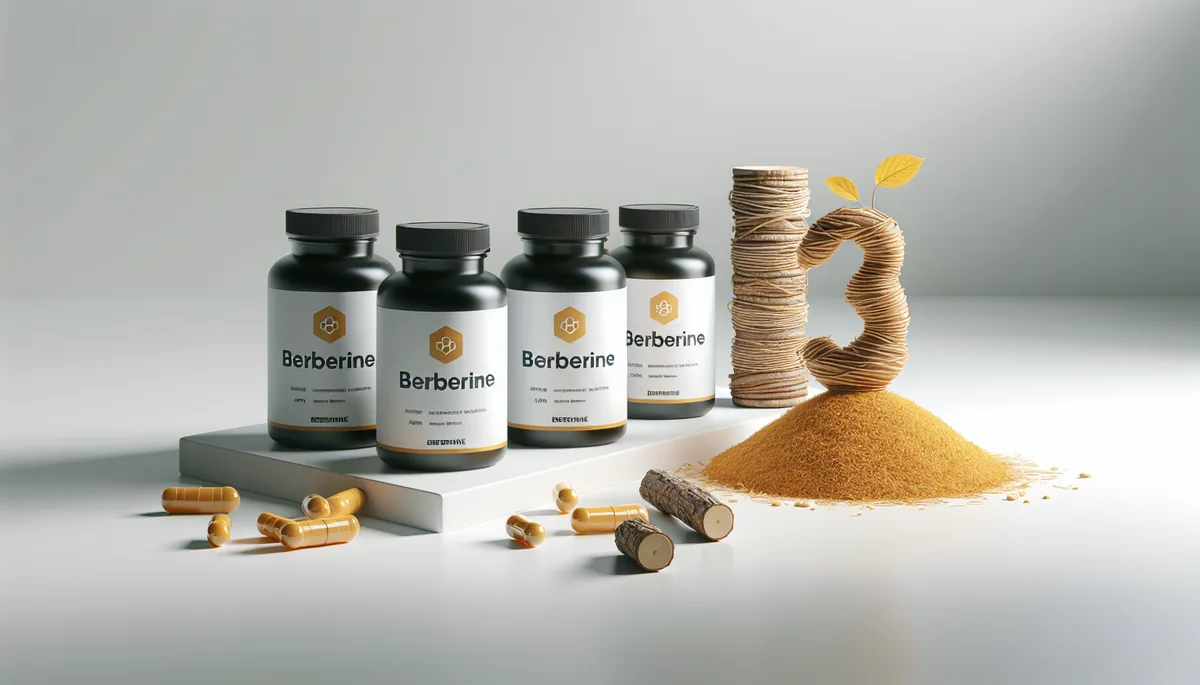
Berberine usually does the heavy lifting in this kind of stack. It has the strongest metabolic reputation of the three and the most convincing data for improving fasting glucose, HbA1c, and triglycerides in some studies.
Cinnamon
Cinnamon is included because it is familiar, inexpensive, and may offer modest support for fasting glucose in some people. It also gives formulas a “food-based” wellness appeal.
Chromium
Chromium is typically added because of its role in insulin signaling. It is most plausible in people with marginal intake or specific metabolic issues, though broad benefits are not consistent across all studies.
Does the Stack Work Better Than Berberine Alone?
Maybe, but the evidence is not strong enough to say that every three-part stack is superior.
Here is the practical truth:
- berberine likely contributes the biggest effect
- cinnamon may add a small benefit in some cases
- chromium may help selectively, not universally
That means many combination products look stronger on the label than they are in real life. If the berberine dose is too low, the whole stack may underperform no matter how impressive the ingredient list looks.
What Makes a Good Stack?
A sensible metabolic stack should have:
- clearly disclosed ingredient doses
- third-party testing
- no proprietary blend hiding actual amounts
- enough berberine to matter
- a cinnamon form chosen carefully
- chromium used in a rational dose, not for label decoration
It should also come with realistic claims. If a formula promises Ozempic-like results, that is a red flag.

Important Safety Issues Most Blogs Skip
1. Blood sugar can go too low
This matters especially if someone is already taking metformin, sulfonylureas, insulin, or other glucose-lowering medications. A stack that seems gentle on its own may become too aggressive in combination.
2. GI tolerance can become the limiting factor
Berberine often causes the most stomach upset. Layering it into a complex formula can make it harder to identify what is causing diarrhea, constipation, or cramping.
3. Cinnamon is not always harmless
Cassia cinnamon can contain substantial coumarin, which is one reason quality and source matter. Long-term heavy use is not automatically benign.
4. More ingredients can mean more interaction risk
The more “metabolic” ingredients you pile together, the harder it becomes to predict effects and medication interactions.
Who Might Benefit From a Stack?
A cautious stack may make sense for adults who:
- are not on glucose-lowering medication, or are medically supervised
- have insulin resistance or prediabetes concerns
- want a convenience product instead of multiple bottles
- tolerate berberine well already
Who Should Usually Avoid DIY Stacking?
DIY stacking is a bad idea if you:
- use diabetes medication
- have repeated low blood sugar episodes
- are pregnant or breastfeeding
- have liver concerns
- take many medications with possible interaction issues
In those cases, simple and supervised beats aggressive and trendy.
Better Strategy: Build From the Basics
In many cases, a smarter path is:
- improve meal composition
- increase fiber
- walk after meals
- use one targeted supplement at a time
- review fasting glucose, A1c, and tolerance before adding more
That approach is slower, but it is easier to evaluate and usually safer.
FAQ
Is cinnamon, chromium, and berberine the best blood sugar stack?
Not automatically. It can be a reasonable combination, but only if doses are meaningful and the person is an appropriate candidate.
Which ingredient matters most in the stack?
Usually berberine. That is often the ingredient with the strongest evidence signal.
Can I take this stack with metformin?
Only with clinician input. The combination can increase GI issues and potentially lower blood sugar more than expected.
Are proprietary blends a red flag?
Often, yes. If you cannot see the dose of each ingredient, it is harder to judge quality or safety.
Sources
- Advances in the concept of functional foods and feeds: applications of cinnamon and turmeric as functional enrichment ingredients. Critical reviews in food science and nutrition. 2025. PMID: 38063355.
- Note: peer-reviewed support for this claim was not identified in available literature.
- Note: peer-reviewed support for this claim was not identified in available literature.
- The glycaemic outcomes of Cinnamon, a review of the experimental evidence and clinical trials. Nutrition journal. 2015. PMID: 26475130.
- Effects of Chromium Supplementation on Glycemic Control in T2DM: Systematic Review and Meta-Analysis of RCTs (2020)
Related Articles
- Berberine Stack for Insulin Resistance Support: Complete Guide
- Chromium Plus Fiber Stack: Complete Guide
- Cinnamon Supplements for Blood Sugar: Ceylon vs. Cassia and What the Trials Show
- Chromium Picolinate for Blood Sugar: What the Research Actually Shows
- Best Supplements for Blood Sugar Balance: A Cautious, Evidence-Based Guide
📚 Part of our Complete Guide to Blood Sugar Supplements hub. Explore all our blood sugar supplement evidence reviews.


Leave a Reply