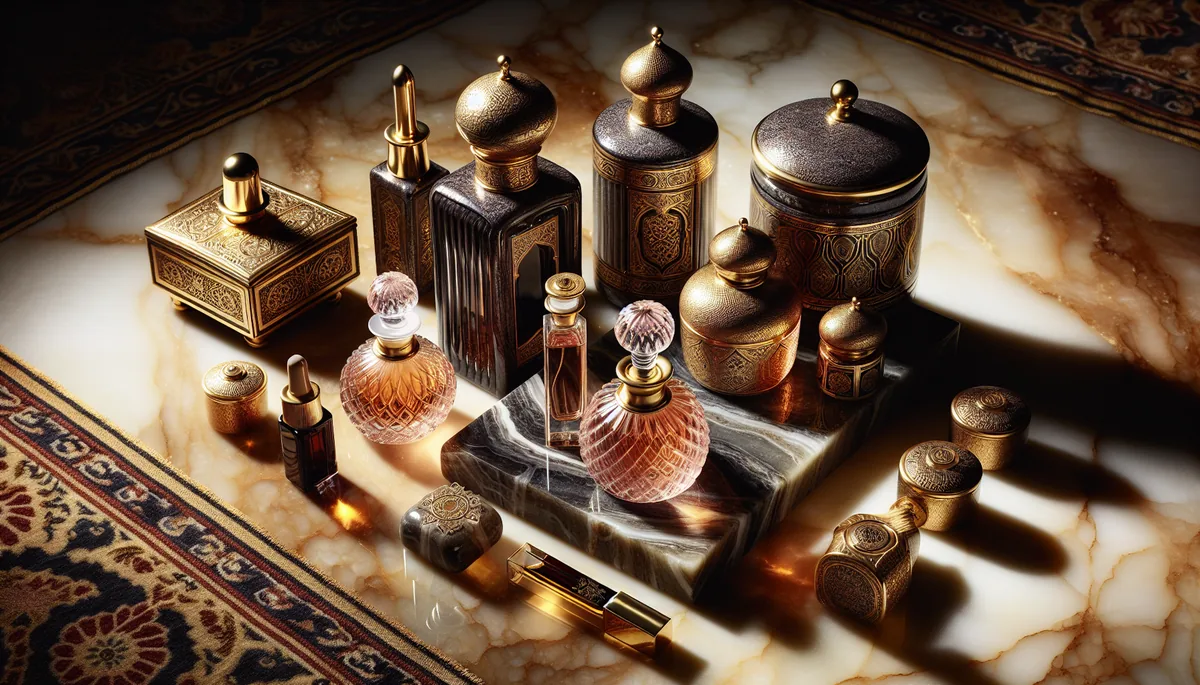
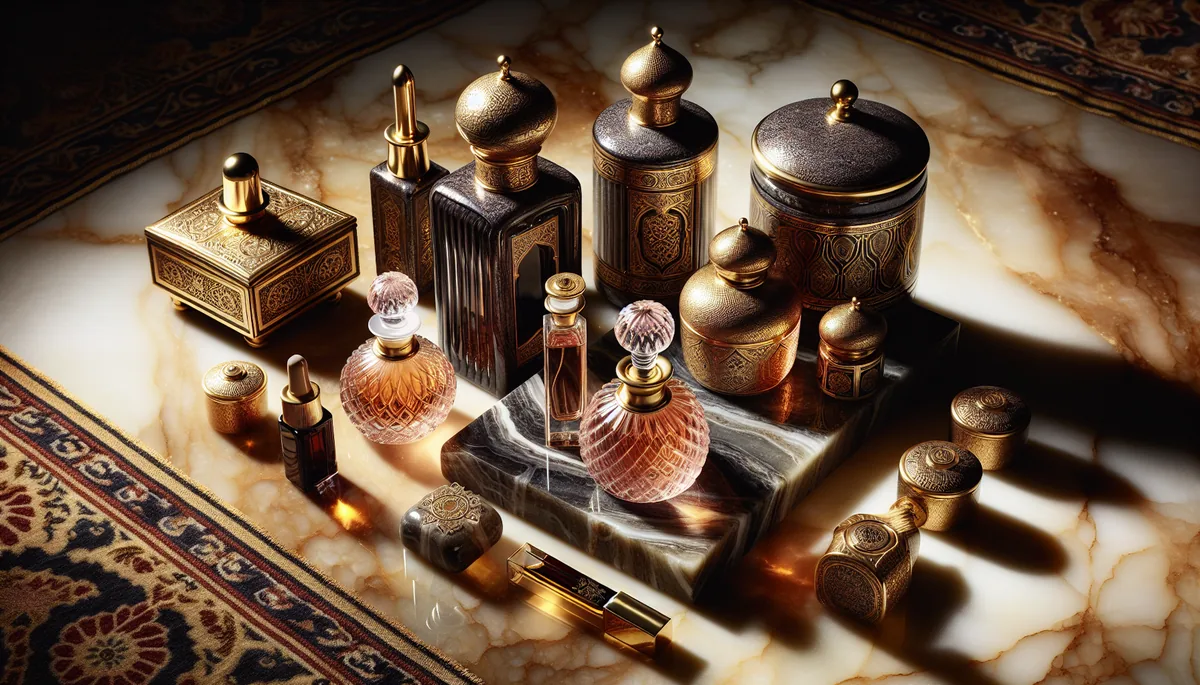
The Gulf Cooperation Council (GCC) region — Saudi Arabia, UAE, Kuwait, Qatar, Bahrain, and Oman — represents one of the world’s fastest-growing beauty markets. But beyond luxury spending, the region offers centuries-old skincare wisdom and unique ingredients now gaining global recognition. Here’s what makes Middle Eastern beauty special.
For another perspective on traditional beauty ingredients, explore Japanese skincare philosophy and its evidence-backed rituals.
Middle Eastern and Gulf Cooperation Council (GCC) beauty traditions have developed highly effective skincare practices adapted to extreme heat, sun, and dry-climate challenges. Ingredients like oud (Aquilaria malaccensis resinoid), rose water (Rosa damascena hydrosol), black seed oil (Nigella sativa), saffron, and camel milk are gaining global recognition — not just as cultural heritage but as clinically interesting actives. Black seed oil in particular has multiple RCTs supporting its anti-inflammatory, antibacterial, and barrier-protective properties relevant to eczema, acne, and photoprotection.
Many of these ingredients have deep roots in Middle Eastern beauty tradition. For the science behind them, see our guide on traditional Arab beauty ingredients including oud, rose water, and black seed.
- Black seed oil (Nigella sativa) contains thymoquinone as its primary active; multiple RCTs support topical application for eczema symptom reduction, acne improvement, and skin barrier support.
- Rose water (Rosa damascena hydrosol) functions as a mild anti-inflammatory toner with demonstrated antioxidant properties; it is suitable for sensitive and redness-prone skin and a traditional post-cleansing staple across the Gulf region.
- Camel milk skincare provides alpha-hydroxy acids (lactic acid), whey proteins, and lipids that support exfoliation and barrier repair; it has gained international attention for sensitive and dry skin formulations.
- Oud and musk-based fragrances in GCC beauty culture serve more than aesthetic roles — some animal and in vitro studies suggest agarwood (oud) extracts have antioxidant and anti-inflammatory properties.
- The GCC beauty market is among the world’s fastest-growing, driving global ingredient innovation in areas like sun protection (high SPF standards from UV-intense climates) and skin-brightening actives tailored for melanin-rich skin tones.
The GCC Beauty Market in 2026
The Middle East and North Africa (MENA) beauty market is projected to exceed $40 billion by 2027, driven by high per-capita beauty spending, a young population, and increasing demand for halal-certified, clean beauty products.
Key market characteristics:
Iconic Middle Eastern Skincare Ingredients
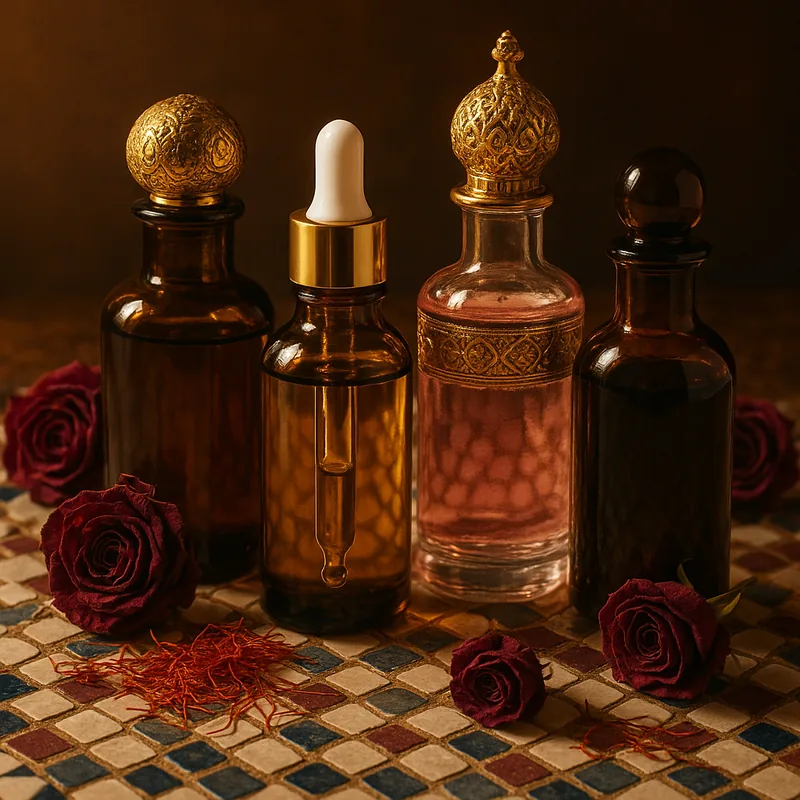
Oud (Agarwood)
Oud has been central to Gulf culture for centuries — primarily in fragrance but increasingly in skincare. Oud extract possesses antimicrobial and anti-inflammatory properties, making it functional beyond its luxurious scent.
Best for: Luxury skincare rituals, antimicrobial benefits, fragrance-forward routines.
Camel Milk
Rich in alpha-hydroxy acids, vitamins, and immunoglobulins, camel milk has been used for skin health across the Arabian Peninsula for generations. Research shows it contains 3x more vitamin C than cow’s milk and natural AHAs that gently exfoliate.
Best for: Sensitive skin, gentle exfoliation, hydration, eczema-prone skin.
> Product Pick: CamelLife Camel Milk Face Cream — made with fresh camel milk from UAE farms, combined with hyaluronic acid and shea butter. Gentle enough for reactive skin.
Saffron (Za’faran)
The world’s most expensive spice is also a potent skincare active. Saffron contains crocin and crocetin — carotenoids with antioxidant and skin-brightening properties. Traditional brides across the region use saffron-infused masks for glowing skin.
Best for: Brightening, hyperpigmentation, antioxidant protection.
> Product Pick: Forest Essentials Saffron & Neem Night Treatment Cream — combines saffron with Ayurvedic herbs for overnight brightening and repair.
Black Seed Oil (Habbatus Sauda / Nigella Sativa)
Prophet Muhammad (PBUH) described black seed as “a cure for everything except death,” and modern research validates its dermatological benefits. Thymoquinone, its active compound, has demonstrated anti-inflammatory, antimicrobial, and wound-healing properties (Journal of Dermatological Treatment, 2015).
Best for: Acne, inflammation, eczema, general skin healing.
> Product Pick: The Ordinary 100% Organic Cold-Pressed Rose Hip Seed Oil blended with a few drops of pure black seed oil — a DIY powerhouse combination.
Argan Oil
Native to Morocco, argan oil is rich in vitamin E, oleic acid, and linoleic acid. It’s one of the most clinically studied natural oils for skin hydration and elasticity.
Best for: Dry skin, aging skin, hair and skin dual use.
> Product Pick: Josie Maran 100% Pure Argan Oil — ethically sourced from Moroccan cooperatives, multi-use for face, body, and hair.
Rose Water (Ma’ Al-Ward)
Damascus rose water has been a Middle Eastern skincare staple for over a thousand years. It’s a natural toner with mild anti-inflammatory and antioxidant properties, balancing skin pH while providing gentle hydration.
Best for: All skin types, toning, calming irritation, setting makeup.
> Product Pick: Cortas Rose Water — food-grade pure rose water from Lebanon that doubles as a skincare toner. Authentic and affordable.
GCC-Born Beauty Brands to Watch
Huda Beauty (UAE)
Founded by Iraqi-American Huda Kattan in Dubai, now a global powerhouse. Their skincare line (Wishful) features Middle Eastern-inspired ingredients.
Shiffa Dubai
Luxury clean beauty brand using traditional Arabian ingredients — oud, frankincense, and black seed — in modern formulations. Founded by Dr. Lamees Hamdan.
Niche Arabia
UAE-based brand specializing in halal-certified, alcohol-free skincare designed for Gulf climate conditions.
Kayali (UAE)
Fragrance-focused sister brand of Huda Beauty, blending modern perfumery with traditional Middle Eastern oud and musk traditions.
Skincare Challenges Unique to the GCC Climate
Living in 45°C+ heat with high humidity and intense UV creates specific skincare needs:
- SPF is critical — UV index regularly exceeds 11+ (extreme)
- Lightweight textures — heavy creams melt and clog pores
- Oil control — sebum production increases in heat
- Hydration paradox — AC interiors dehydrate skin while outdoor humidity is high
- Hyperpigmentation risk — higher melanin + extreme UV = melasma concerns
Climate-Adapted Routine Tips
- Use gel or water-based moisturizers
- SPF 50+ reapplied frequently
- Mist with rose water throughout the day
- Double cleanse evening to remove SPF and sweat
- Incorporate niacinamide for oil control and barrier support
FAQ
Q: What does halal-certified skincare mean?
A: Halal skincare is free from pork-derived ingredients, alcohol (ethanol), and animal cruelty. Ingredients are sourced and processed according to Islamic guidelines. Certification is issued by recognized halal authorities.
Q: Is camel milk good for skin?
A: Yes — it contains natural AHAs, vitamins, and immunoglobulins that hydrate, gently exfoliate, and calm inflammation. It’s particularly beneficial for sensitive and eczema-prone skin.
Q: Can I use black seed oil on my face?
A: Yes, but dilute it. Black seed oil is potent — mix a few drops into your moisturizer or carrier oil. Patch test first, as some people experience sensitivity.
Q: What SPF do I need in the Middle East?
A: SPF 50+ with PA++++ (high UVA protection) is recommended given the extreme UV index in GCC countries. Reapply every 2 hours when outdoors.
Q: Are Middle Eastern beauty brands available internationally?
A: Increasingly yes. Huda Beauty and Kayali are globally distributed. Shiffa Dubai, Niche Arabia, and smaller brands ship internationally via their websites and select retailers like Sephora Middle East.
References: Ahmad A, et al. “A review on therapeutic potential of Nigella sativa.” Asian Pac J Trop Biomed. 2013; Charrouf Z, Guillaume D. “Argan oil: Occurrence, composition and impact on human health.” Eur J Lipid Sci Technol. 2008.
Related Articles
- K-Beauty Ingredients: Korean Skincare Actives Explained
- Best Middle Eastern Skincare Brands in 2026
- Beauty FAQ: Makeup and Skincare Answers
- Luxury GCC Skincare Trends in 2026
- Traditional Arab Beauty Ingredients That Still Work
Sources
- Sensitive skin: Active ingredients on the spotlight. International journal of cosmetic science. 2022. PMID: 34813665.
- An Open-Label Study Assessing the Efficacy and Tolerability of a Skincare Regimen in Subjects of Different Ethnicities with Moderate-to-Severe Hyperpigmentation. Journal of cosmetic dermatology. 2022. PMID: 34658136.
- AAD: Is it okay to wear makeup?
- Traditional Arab Beauty Ingredients
- Halal-Friendly Skincare