
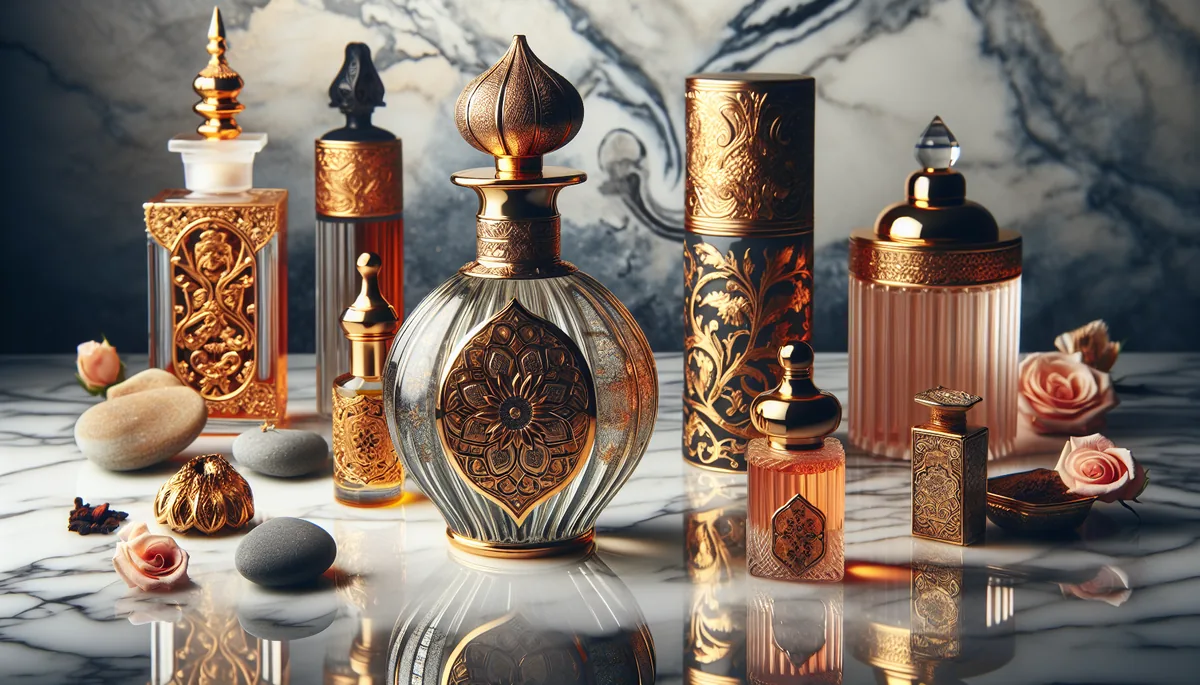
The Middle Eastern skincare market has produced a growing roster of brands that combine regional botanical expertise (oud, black seed oil, rose water, frankincense) with modern pharmaceutical-grade formulation. The brands with the strongest global recognition and formulation credibility include HUDA Beauty (UAE – now global, emphasis on complexion), Shiffa (Dubai – luxury active botanicals, clinical formulation credentials), Argan Republic (Morocco – argan oil category leader), and the Saudi-based Al Haramain (fragrance/oud heritage with skincare extensions). For authentic regional ingredient focus, smaller artisan brands from Lebanon, Jordan, and Oman often have stronger provenance stories. In 2026, the Gulf market is particularly active in halal-certified clinical skincare.
Understanding the ingredients behind these brands is just as important. We cover the traditional Arab and Middle Eastern beauty ingredients that power these formulations.
- The Gulf Cooperation Council (GCC) beauty and personal care market is projected to reach $7.5B+ by 2026, driven by premium skincare demand, rising disposable income, and growing preference for halal-certified formulations – this is not a niche market but a sophisticated, high-value consumer segment.
- Regional botanical actives with real scientific backing include black seed oil (Nigella sativa – thymoquinone has documented anti-inflammatory and antimicrobial properties), frankincense (Boswellia – boswellic acids have anti-inflammatory cytokine-reducing activity), and rose water (phenylethanol + terpenes with mild astringent and antioxidant properties).
- Halal certification in skincare goes beyond ingredient sourcing – it encompasses manufacturing processes (no cross-contamination with prohibited substances), supplier verification, and often cruelty-free testing standards; brands like Inglot (Poland-based but halal-certified) and INIKA Organic have pursued this certification seriously.
- Middle Eastern consumers tend to prioritize SPF, brightening agents (vitamin C, niacinamide, kojic acid for hyperpigmentation from UV exposure), and long-wear formulation tolerant to high temperatures – product lines from the region often address these needs more directly than Western lines designed for temperate climates.
- The Western mainstream skincare industry has historically underdeveloped formulations for warmer climates, darker skin tones, and different aesthetic ideals – Middle Eastern brands are filling this gap with genuine market intelligence, not just branding differentiation.
The Middle Eastern beauty market is one of the fastest-growing globally, and it’s producing brands that deserve attention beyond their home region. These aren’t just Western formulas repackaged – many build on centuries of regional ingredient traditions with modern formulation science.
Why Middle Eastern Skincare Is Different
Several factors shape the region’s approach to skincare:
– Climate demands: Extreme heat, humidity variation (coastal vs. desert), and intense UV require products that perform under stress
– Ingredient heritage: Oud, black seed oil, rose water, saffron, and camel milk have centuries of traditional use, and some now have modern clinical backing
– Fragrance culture: Scent is more integral to personal care in the Gulf than in Western markets. Many brands incorporate traditional attars and essential oil blends
– Halal requirements: A significant portion of consumers require halal-certified products, which has driven a distinct formulation ecosystem
– Luxury positioning: The GCC market skews toward premium and luxury tiers. Quality expectations are high
Brands Worth Knowing
Shiffa Dubai Skincare
Founded: Dubai, UAE
Positioning: Luxury clean beauty
Created by Dr. Lamees Hamdan (a physician), Shiffa combines Middle Eastern botanical ingredients with evidence-based actives. The Healing Balm (containing black seed oil and frankincense) is their hero product.
Standout products:
– Healing Balm – multi-use balm with Nigella sativa and Boswellia
– Tamanu Night Oil – combines tamanu oil with Arabian jasmine
– Oud Body Oil – uses sustainable oud extract
Why they matter: One of the first GCC brands to gain international traction while staying rooted in regional ingredients.
Huda Beauty Skincare (Wishful)
Founded: Dubai, UAE (Huda Kattan)
Positioning: Accessible luxury
Huda Beauty’s skincare line Wishful focuses on glow-oriented products designed for diverse skin tones and the Gulf climate.
Standout products:
– Yo Glow enzyme scrub – AHA/BHA/PHA blend
– Thirst Trap Juice HA3 Serum – triple-weight hyaluronic acid
Caveat: More of a global brand headquartered in the Middle East than a traditional Middle Eastern formulation house. But it represents the region’s growing influence in global beauty.
Nuxe Middle East Exclusives
While Nuxe is French, their Middle East range includes region-specific formulations designed for Gulf climates. Several Middle Eastern beauty houses have similar partnerships, creating climate-adapted versions of Western formulas.
The Camel Soap Factory
Founded: Dubai, UAE
Positioning: Heritage-meets-modern
Camel milk has been used in Gulf skincare for centuries. This brand uses locally sourced camel milk in soaps, creams, and serums.
The science: Camel milk contains alpha-hydroxy acids, vitamins, and proteins. Small studies suggest anti-inflammatory and moisturizing properties, though large clinical trials are lacking.
Izil Beauty
Founded: Morocco
Positioning: Clean Moroccan beauty
Built around argan oil, prickly pear seed oil, and other North African botanicals. Izil works directly with Berber women’s cooperatives for ingredient sourcing.
Standout products:
– Pure argan oil (cosmetic grade)
– Ghassoul clay masks
– Prickly pear seed oil (one of the most vitamin E-rich plant oils available)
Amara Halal Cosmetics
Positioning: Halal-certified skincare and makeup
One of the pioneers in the halal beauty space, with products certified by ISWA. Important for consumers who need assurance that no animal-derived ingredients from non-halal sources are present.
Emerging GCC Brands to Watch
– The Dreamist Studio (UAE) – minimalist skincare designed for desert climates
– SOS Beauty (Saudi Arabia) – problem-skin focused, with heat/humidity-tested formulations
– Pinky Goat (UAE) – started in lashes, expanding into skincare
What to Look For in Middle Eastern Skincare
When evaluating brands from the region:
- Climate testing – products formulated and tested in Gulf conditions perform better there than Western imports
- Ingredient sourcing – legitimate brands source heritage ingredients (argan, black seed, oud) from verified supply chains, not synthetic alternatives
- Halal certification – if this matters to you, look for certification from recognized bodies (ISWA, JAKIM, etc.), not just label claims
- SPF formulations – Gulf-formulated sunscreens are often designed for extreme UV and humidity, which can mean better performance than European formulations in hot climates
The Market Trajectory
The GCC beauty market is projected to exceed $30 billion by 2027. Saudi Arabia’s Vision 2030 is actively investing in domestic beauty manufacturing. This means more locally formulated, climate-appropriate products – not just imported Western brands.
For consumers outside the Middle East, these brands are worth exploring for their unique ingredient profiles and high formulation standards. For consumers in the region, the domestic options are increasingly competitive with (and sometimes superior to) imported alternatives.
—
Related reading:
– [Middle Eastern & GCC Beauty Market Overview](/skincare/middle-eastern-gcc-beauty/)
– [Halal-Friendly Skincare Products](/skincare/middle-eastern-gcc-beauty/halal-friendly-skincare-product-ideas/)
– [Traditional Arab Beauty Ingredients That Still Work](/skincare/middle-eastern-gcc-beauty/traditional-arab-beauty-ingredients-that-still-work/)
FAQ
What are the best Middle Eastern skincare brands?
Brands with strong regional recognition and formulation credibility include Shiffa (Dubai, luxury active botanicals), HUDA Beauty (UAE, complexion focus), Argan Republic (Morocco, argan oil leader), and Oud Elite (premium fragrance-skincare crossovers). For authentic ingredient provenance, smaller artisan brands from Lebanon (Lina Audi), Oman, and Jordan often have stronger stories around black seed, frankincense, and rose water sourcing.
Are Middle Eastern skincare products good for dark skin tones?
Yes – Middle Eastern skincare brands are often better calibrated for darker skin tones (Fitzpatrick IV-VI) that are common in the MENA region. Products are frequently formulated to address concerns prevalent in these tones: post-inflammatory hyperpigmentation, uneven texture, and brightening without over-stripping. Brightening formulations using kojic acid, vitamin C, and niacinamide are common and well-developed in this market.
What makes Middle Eastern skincare different?
Key differentiators include: use of regional botanicals with genuine heritage (oud, frankincense, rose water, black seed oil, kohl); formulation for hot, dry climates; emphasis on long-wear and high-SPF products; halal certification; and a perfume/fragrance tradition that elevates sensory skincare experience. Many brands also integrate Islamic beauty philosophy – pure, permissible, and respectful of skin health.
Related: For a practical next read, see Simple 3-Step Skincare Routine for Men: Complete Guide.
Related Articles
- Halal-Friendly Skincare: What It Actually Means
- Traditional Arab Beauty Ingredients That Still Work
- Oud, Black Seed, and Rose Water in Skincare
- Luxury GCC Skincare Trends in 2026
- Best Skincare for Menopausal Dry Skin
Sources
- The Importance of Skincare for Neonates and Infants: An Algorithm. Journal of drugs in dermatology : JDD. 2021. PMID: 34784132.
- Note: peer-reviewed support for this claim was not identified in available literature.
- Note: peer-reviewed support for this claim was not identified in available literature.
- Halal-Friendly Skincare: What It Actually Means
- Traditional Arab Beauty Ingredients That Still Work