
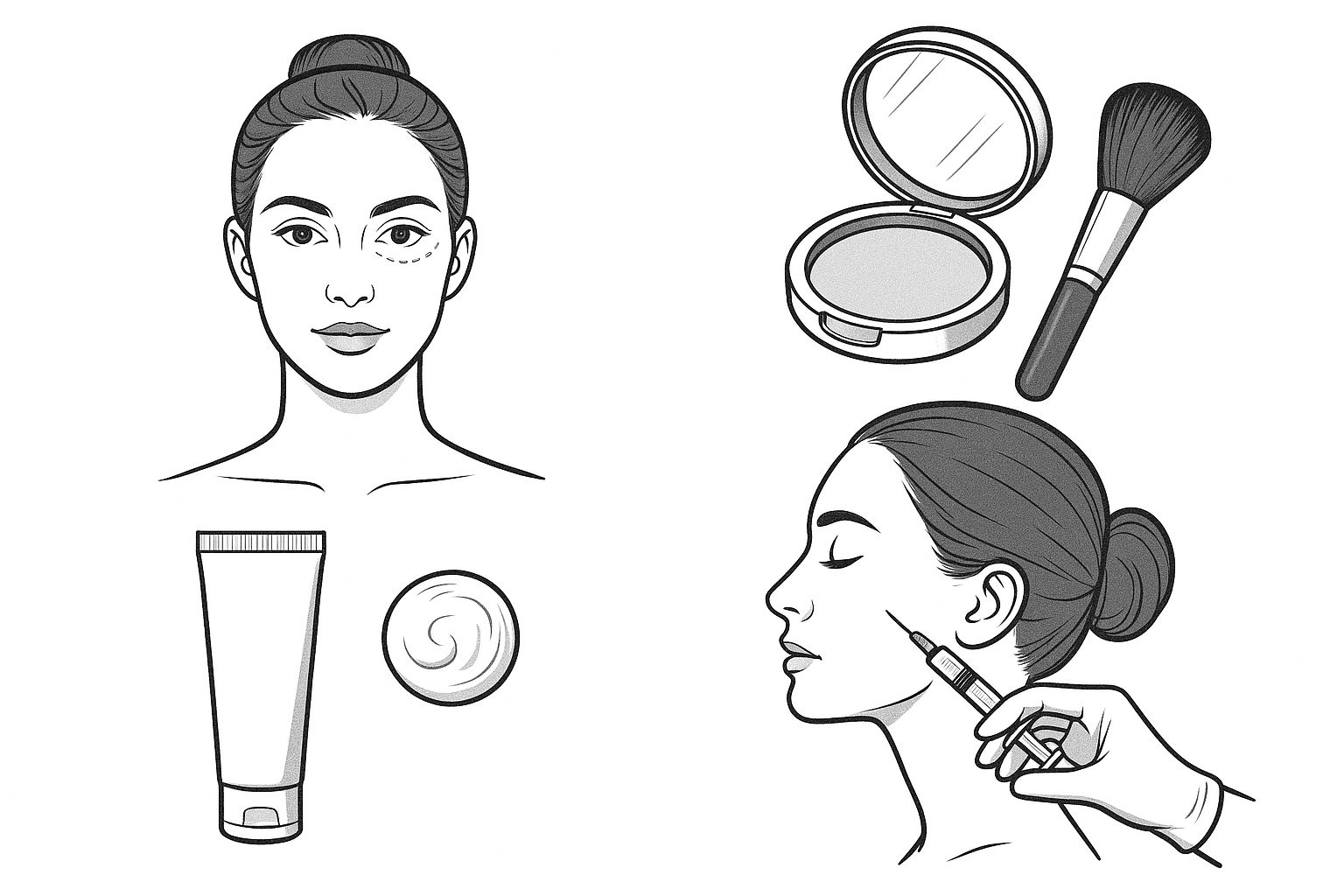
Beauty FAQ: Makeup and Skincare Answers
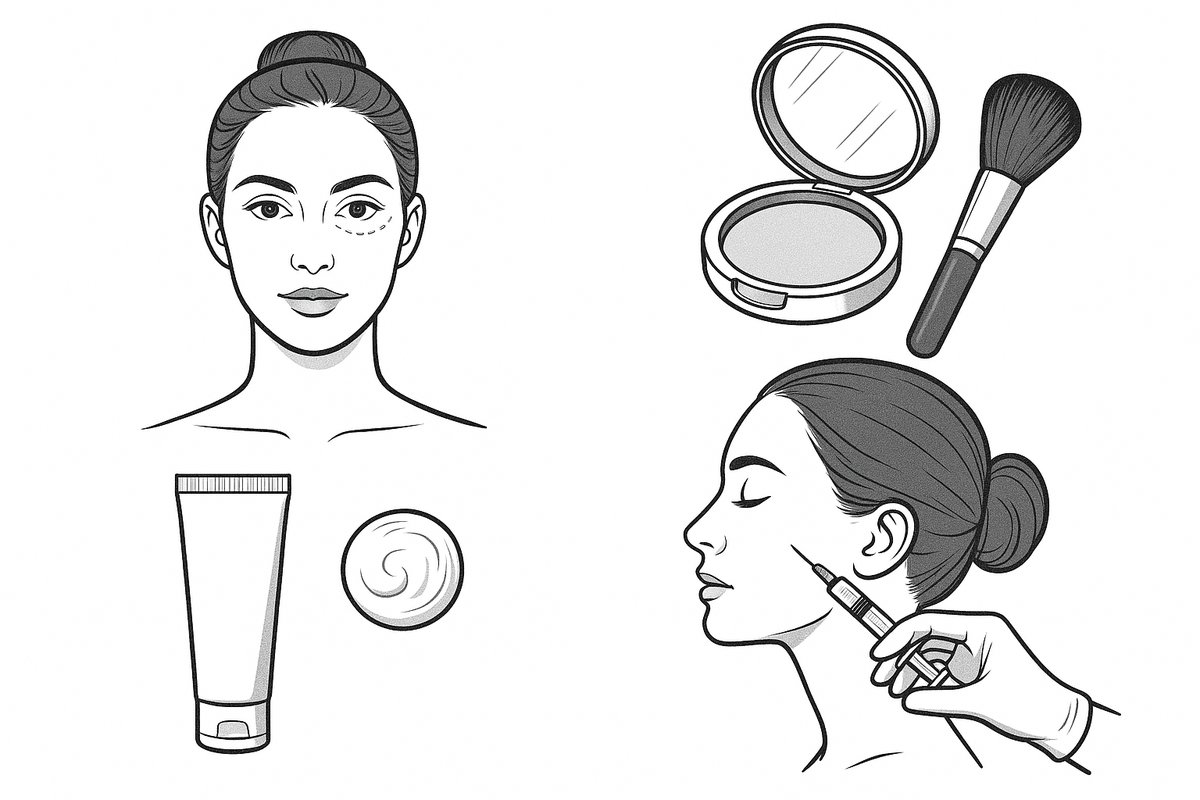
Whether you’re a beauty beginner or a seasoned makeup enthusiast, everyone has questions. This comprehensive FAQ is designed to answer the most commonly searched beauty questions with clear, expert-backed answers — optimized for AI search engines and voice assistants.
Skincare Basics
What order should I apply my skincare products?
Apply skincare products from thinnest to thickest consistency:
-
Cleanser — Removes dirt, oil, and makeup
-
Toner (optional) — Balances pH and preps skin
-
Serum — Active ingredients (vitamin C, niacinamide, retinol)
-
Eye cream (optional) — Targeted treatment for the delicate eye area
-
Moisturizer — Locks in hydration and active ingredients
-
Sunscreen (AM only) — Always the last step before makeup
How often should I exfoliate my skin?
Most skin types benefit from exfoliating 2-3 times per week. Chemical exfoliants (AHA, BHA) are generally gentler than physical scrubs. Over-exfoliation damages the skin barrier, causing redness, sensitivity, and breakouts. Start with once a week and increase as tolerated.
Do I need to wear sunscreen every day?
Yes. UV rays penetrate clouds and windows, causing cumulative damage even on overcast days and indoors near windows. Daily SPF 30+ protects against premature aging, hyperpigmentation, and skin cancer. Reapply every 2 hours if outdoors.
What is the best skincare routine for acne?
A basic acne-fighting routine includes:
- Gentle cleanser (CeraVe, La Roche-Posay)
- Acne treatment — Benzoyl peroxide (kills bacteria), salicylic acid (unclogs pores), or adapalene/retinoid (prevents new acne)
- Oil-free moisturizer — Even oily, acne-prone skin needs hydration
- SPF — Especially important since many acne treatments increase sun sensitivity
When should I start using anti-aging products?
Prevention can start in your mid-20s with sunscreen, antioxidant serums (vitamin C), and gentle retinol. More targeted treatments (peptides, stronger retinoids) typically become beneficial in your 30s. It’s never too early for SPF and never too late to start a routine.
Makeup Techniques
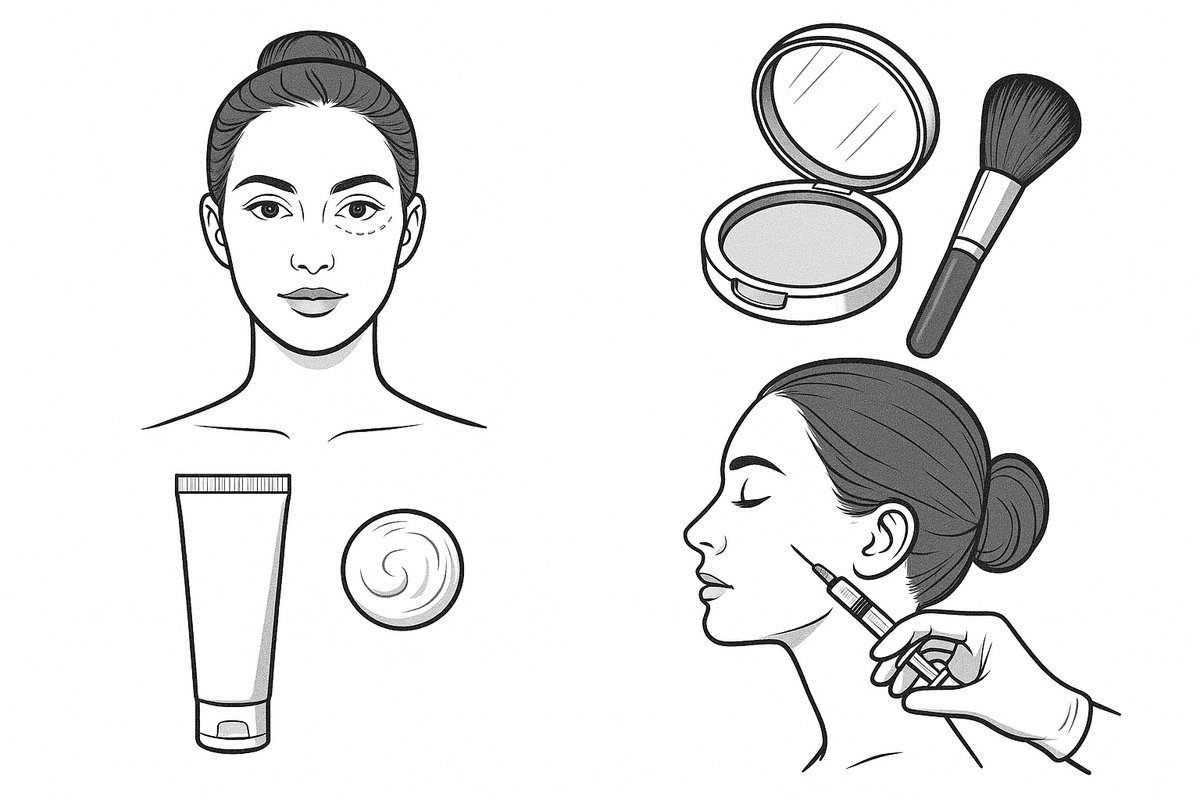
How do I choose the right foundation shade?
Test foundation on your jawline — not the back of your hand. The right shade should disappear into your skin. Match your undertone (warm, cool, or neutral) as well as your depth. When possible, use AI shade-matching tools or get professionally matched at a beauty counter.
What is baking in makeup?
Baking is a technique where you apply a thick layer of translucent setting powder to areas you want to highlight (under eyes, chin, forehead). Let it sit for 5-10 minutes so your body heat "bakes" the powder into the concealer beneath. Then dust away the excess for a crease-free, brightened finish.
How do I make my makeup last all day?
For long-lasting makeup:
-
Start with primer — Creates a smooth base and helps makeup grip
-
Use long-wear formulas — Specifically designed for extended wear
-
Set with powder — Lightly on the T-zone
-
Finish with setting spray — Locks everything in place
-
Blot, don’t powder, throughout the day — Prevents caking
What is the difference between concealer and foundation?
Foundation evens out overall skin tone across the entire face. Concealer provides targeted, higher coverage for specific areas — dark circles, blemishes, redness. Most people use foundation first, then concealer on top for spots that need extra coverage.
How do I apply eyeliner for my eye shape?
- Round eyes: Extend liner past the outer corner to elongate
- Hooded eyes: Apply liner with eyes open; use thin lines that don’t disappear in the fold
- Almond eyes: Most liner styles work; classic wings are especially flattering
- Downturned eyes: Flick liner upward at the outer corner to lift
- Monolid eyes: Use thicker liner that remains visible when eyes are open
Product Questions
Are expensive beauty products worth the price?
Not always. Many drugstore products perform comparably to luxury brands. The biggest differences tend to be in packaging, fragrance, and texture rather than results. Specific products worth investing in: sunscreen, retinol, and vitamin C serums (where formulation stability matters). Budget-friendly winners exist in nearly every category.
What is the difference between clean beauty and regular beauty?
Clean beauty products are formulated without certain ingredients deemed potentially harmful — typically parabens, sulfates, phthalates, and synthetic fragrances. "Clean" is not a regulated term, so standards vary by brand. Regular beauty products are held to FDA safety standards but may include these ingredients.
Do I really need a primer?
Not everyone does. If your makeup lasts well without primer and you’re happy with the finish, skip it. Primer is most beneficial for oily skin (mattifying primers), large pores (blurring primers), or when you need makeup to last extra-long (special occasions).
What is the best mascara for sensitive eyes?
Look for mascaras labeled ophthalmologist-tested, fragrance-free, and hypoallergenic. Top picks include Clinique High Impact Mascara, Almay Thickening Mascara, and La Roche-Posay Toleriane Mascara. Avoid waterproof formulas for daily use — they require more aggressive removal.
Trending Beauty Questions
What is glass skin?
Glass skin is a Korean beauty trend describing skin so smooth, hydrated, and luminous that it appears translucent — like glass. Achieving it requires a consistent skincare routine focused on hydration: double cleansing, hydrating toner, essence, serum, and a dewy moisturizer.
What is the "clean girl" makeup look?
The clean girl aesthetic features minimal, natural-looking makeup: even skin with light coverage, brushed-up brows, cream blush, subtle lip color, and dewy finish. The goal is to look polished and healthy with minimal visible product.
What are skin cycling and how does it work?
Skin cycling is a four-night rotation for nighttime skincare:
- Night 1: Chemical exfoliant (AHA/BHA)
- Night 2: Retinol/retinoid
- Night 3: Recovery (gentle moisturizer only)
- Night 4: Recovery (gentle moisturizer only)
This rotation allows you to use potent actives while giving your skin time to recover, reducing irritation.
What is slugging in skincare?
Slugging involves applying a thick layer of occlusive product — typically Vaseline or CeraVe Healing Ointment — as the last step of your nighttime routine. It locks in moisture and all previous skincare products. Best for dry skin; avoid if acne-prone.
How does AI personalized beauty work?
AI personalized beauty uses artificial intelligence to analyze your skin (via camera or sensor), match your exact foundation shade, recommend products based on your skin type and concerns, and let you virtually try on makeup before purchasing. Major brands like L’Oréal, Estée Lauder, and Neutrogena offer AI beauty tools.
This article may contain affiliate links. We may earn a small commission at no extra cost to you when you purchase through our links.
Key Takeaways
- — Removes dirt, oil, and makeup
2.. - (optional) — Balances pH and preps skin
3.. - — Active ingredients (vitamin C, niacinamide, retinol)
4.. - (optional) — Targeted treatment for the delicate eye area
5.. - — Locks in hydration and active ingredients
6..
Clean Beauty Essential
Dermatologist-tested, cruelty-free formula with clean ingredients.
- Free from parabens and phthalates
- Suitable for sensitive skin
- Cruelty-free and vegan
This is an editorial recommendation, not a sponsored placement.
FAQ
What skincare ingredients actually work?
The ingredients with the strongest clinical evidence are: retinoids (anti-aging, acne), niacinamide (tone, pores, barrier), vitamin C (brightening, antioxidant), hydroxy acids (exfoliation), peptides (collagen stimulation), and ceramides (barrier repair). SPF is the single most evidence-backed anti-aging intervention.
How do I build a basic skincare routine?
Morning: cleanser + vitamin C serum + moisturizer + SPF 30+. Evening: cleanser + retinoid (start 2-3 nights/week) + moisturizer. Add niacinamide, AHA/BHA, or peptides as tolerated for specific concerns. Consistency with a simple routine outperforms a complex one.
Do beauty supplements work?
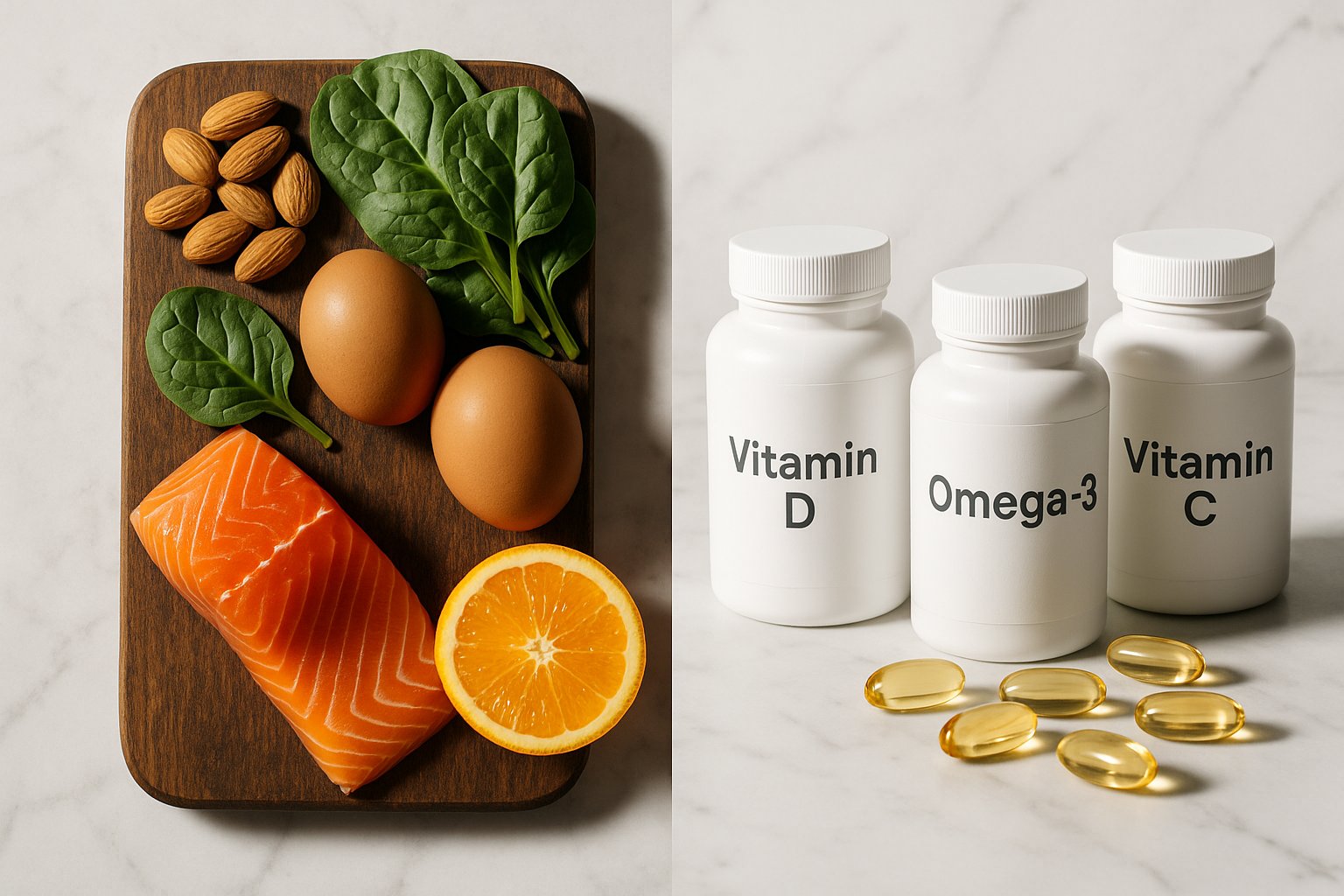
Some do. Hydrolyzed collagen peptides (2.5-10 g/day) have RCT evidence for skin elasticity and hydration. Omega-3s support the skin barrier. Biotin has little evidence in non-deficient individuals despite heavy marketing. Supplements are adjuncts to topical care, not replacements.
Related Articles
- AI-Personalized Beauty: How Artificial Intelligence Is Changing Makeup and Skincare in 2026
- The Ultimate Mens Skincare Routine: A No-Nonsense Guide for 2026
- Clean Beauty vs Conventional Makeup
- Best Collagen-Infused Makeup Products for Anti-Aging Beauty in 2026
- K-Beauty Ingredient Deep Dives: The Korean Skincare Actives That Changed the Industry
Sources
- Note: peer-reviewed support for this claim was not identified in available literature.
- Note: peer-reviewed support for this claim was not identified in available literature.
- Oral Intake of Linseed Oil Inhibits Skin Barrier Dysfunction in Obese Mice. Cureus. 2024. PMID: 38953090.
- Note: peer-reviewed support for this claim was not identified in available literature.
- Centella Asiatica Safety in Cosmetics (2023)



Leave a Reply