
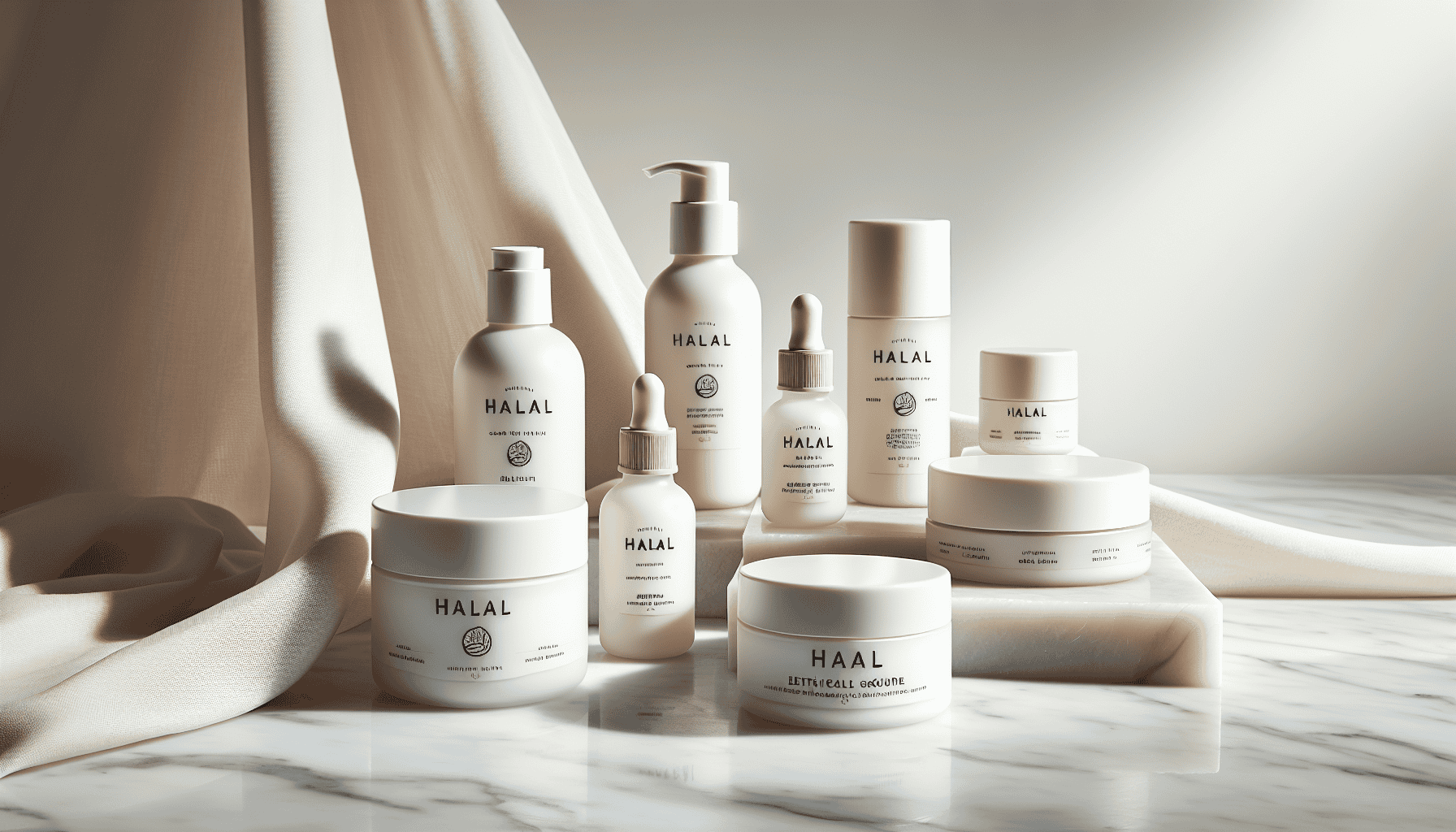
Halal skincare certification means products are free from ingredients derived from pork and its by-products, blood and blood by-products, alcohol (ethanol) as an intoxicant (not all alcohols – fatty alcohols like cetyl alcohol are generally considered permissible), and impurities from non-halal animal sources. Products must also be manufactured without cross-contamination with haram substances. Certification bodies (IFANCA, JAKIM, MUI) verify ingredient sourcing and manufacturing processes. Key ingredients to check: glycerin (can be pork-derived – look for vegetable or synthetic origin), collagen (often bovine or porcine – marine or plant collagen is usually acceptable), carmine (insect-derived red pigment – not halal), and certain enzymes.
- The four most common haram ingredient sources in skincare are: porcine gelatin/collagen (common in anti-aging products), lard/pig fat in some occlusives, carmine (cochineal beetle-derived red pigment in cosmetics), and ethanol as a solvent in certain toners and serums – each can be replaced with halal alternatives without compromising efficacy.
- Vegetable glycerin (derived from palm, coconut, or soy sources) is the halal standard replacement for animal-derived glycerin – the chemical compound is identical, but sourcing documentation is required for certification; most modern cosmetic manufacturers use plant-derived glycerin.
- Marine collagen (from fish) is generally considered halal when derived from permissible fish species (not sharks or shellfish) and processed correctly – this makes it a viable alternative to bovine or porcine collagen in skincare and supplements marketed to Muslim consumers.
- Not all ‘alcohol’ is prohibited in halal skincare: cetyl alcohol, stearyl alcohol, and cetearyl alcohol are fatty alcohols used as emollients and emulsifiers with no intoxicant properties – they are widely considered halal-permissible; it is ethyl alcohol (ethanol) as a primary solvent that raises concern.
- JAKIM (Malaysia) and MUI (Indonesia) are the largest halal certification bodies for cosmetics globally; IFANCA and HIA serve North American markets – products certified by these bodies have undergone ingredient and manufacturing audits, not just self-declaration by brands.
Halal skincare is one of the fastest-growing segments in global beauty, but there’s significant confusion about what “halal” actually means in a cosmetics context. This guide cuts through the marketing.

What “Halal” Means in Skincare
In the context of personal care products, halal requirements address:
1. Ingredient sourcing – no pork-derived ingredients, no alcohol (ethanol) in most interpretations, animal-derived ingredients must come from halal-slaughtered animals
2. Processing – no cross-contamination with haram (forbidden) substances during manufacturing
3. No harmful ingredients – the broader Islamic principle of “do no harm” (la darar wa la dirar) extends to avoiding ingredients that damage health
Common Problematic Ingredients
| Ingredient | Issue | Found In |
|---|---|---|
| Collagen (porcine) | Pork-derived | Anti-aging creams, lip products |
| Glycerin (animal-derived) | May come from pork fat | Moisturizers, cleansers, virtually everything |
| Stearic acid (animal) | Often from pork/beef tallow | Creams, lotions |
| Keratin (animal) | Usually from hooves/feathers | Hair products, nail treatments |
| Carmine (CI 75470) | Derived from insects | Red/pink cosmetics, lip products |
| Ethanol/alcohol denat. | Intoxicant | Toners, setting sprays, perfumes |
| Lanolin | From sheep wool (permissible to some scholars) | Lip balms, thick moisturizers |
| Squalane (shark-derived) | Non-halal animal source | Serums, oils (plant-derived squalane is fine) |
The glycerin problem: Glycerin is in virtually every skincare product. Most commercial glycerin is plant-derived (from palm or soy oil), but animal-derived glycerin from unspecified sources is common. Halal certification resolves this ambiguity.
The Alcohol Debate
This is the most debated issue in halal skincare:
– Strict position: No ethanol in any form, including denatured alcohol in skincare (common in the Gulf)
– Moderate position: Ethanol is permissible in products not consumed orally, especially at low concentrations for preservation
– Practical position: Many scholars distinguish between ethanol as an intoxicant (haram) and ethanol as a chemical solvent in products that won’t be ingested
Most halal certifiers fall on the stricter side, avoiding ethanol entirely. Fatty alcohols (cetyl, cetearyl, stearyl alcohol) are not ethanol and are universally accepted.
Halal Certification Bodies
Not all “halal” labels are equal. Trusted certifiers include:
| Certifier | Region | Notes |
|---|---|---|
| JAKIM | Malaysia | Government body, gold standard in Southeast Asia |
| ISWA | International | One of the most recognized for cosmetics |
| IFANCA | USA/International | Established certifier, used by major brands |
| MUI | Indonesia | Government-affiliated, covers the world’s largest Muslim market |
| Gulf Halal Centre | UAE | Regional certifier |
Red flag: Brands that claim “halal” without any third-party certification. Self-declaration is not verification.
Brands With Halal Certification or Halal-Compatible Formulations
Fully Certified
– Amara Halal Cosmetics – ISWA-certified skincare and makeup line
– Iba Halal Care (India) – one of the first halal-certified beauty brands in India
– Wardah (Indonesia) – MUI-certified, massive in Southeast Asia
– SO.LEK (Malaysia) – JAKIM-certified skincare
Halal-Compatible (Vegan/Plant-Based)
Many vegan brands are inherently halal-compatible because they avoid all animal-derived ingredients. However, they may still contain ethanol:
– The Ordinary – most products use plant-derived glycerin and no animal ingredients (check individual product INCI lists; some contain ethanol)
– Drunk Elephant – clean formulations, mostly plant-derived (not certified halal, but ingredient lists are transparent)
– Herbivore Botanicals – vegan, plant-based (check for alcohol content in specific products)
Important distinction: Vegan ? halal. Vegan products may contain ethanol (haram in strict interpretations). Halal products may contain honey, beeswax, or halal-certified animal ingredients (permissible in Islam, not vegan).
Building a Halal Skincare Routine
A complete routine using halal-compatible products:
Cleanser
Look for: glycerin from palm/coconut, no animal-derived surfactants Options: micellar water, oil cleansers, gentle foaming cleansers with plant-derived ingredients
Toner
Look for: alcohol-free (no ethanol), plant-based humectants Rose water is a traditional and effective halal toner – ensure it’s pure distillate
Serum
Look for: plant-derived squalane (not shark), hyaluronic acid (usually produced by bacterial fermentation – halal), niacinamide (synthetic – halal)
Moisturizer
Look for: plant-derived glycerin, shea butter, plant oils (argan, jojoba, rosehip) Avoid: products with unspecified “collagen” or “stearic acid” without plant origin confirmation
Sunscreen
Mineral sunscreens (zinc oxide, titanium dioxide) avoid most ingredient concerns. Chemical sunscreens are generally synthetic and halal-compatible.
How to Check Products Yourself
When certification isn’t available:
1. Read the INCI list – look for the problematic ingredients listed above
2. Contact the brand – ask specifically about glycerin and stearic acid sourcing
3. Check CosDNA or INCIDecoder – these databases break down ingredient origins
4. ”Derived from” matters – “glycerin” alone is ambiguous; “vegetable glycerin” or “glycerin (plant-derived)” is clear
The Market Reality
The global halal cosmetics market is projected to reach $95+ billion by 2028. This growth is driving:
– More mainstream brands seeking halal certification
– Better ingredient traceability in supply chains
– Increased availability of halal-certified products outside Muslim-majority countries
For consumers: this means more options and easier access than even five years ago. The days of having to choose between halal compliance and product efficacy are largely over.
—
Related reading:
– [Middle Eastern & GCC Beauty Market Overview](/skincare/middle-eastern-gcc-beauty/)
– [Best Middle Eastern Skincare Brands](/skincare/middle-eastern-gcc-beauty/best-middle-eastern-skincare-brands/)
– [Halal-Friendly Makeup Guide](/makeup/halal-friendly-makeup/)
FAQ
What makes skincare halal?
Halal skincare is free from porcine and porcine-derived ingredients (lard, gelatin, collagen from pigs), blood products, non-halal animal-derived ingredients (carmine, certain animal-based hyaluronic acid), and ethanol used as a primary intoxicant-type solvent. It must be manufactured without cross-contamination with haram substances. Certification by recognized bodies (IFANCA, JAKIM, MUI) involves ingredient documentation and facility audits.
Can Muslims use skincare with alcohol?
The position varies by scholar, but many Islamic authorities distinguish between ethanol (fermented alcohol with intoxicant potential) and fatty alcohols (cetyl, stearyl, cetearyl alcohol), which are not intoxicants and are widely considered permissible. Ethanol in small amounts as a functional ingredient (preservative, penetration enhancer) is debated – some scholars permit it at low concentrations not sufficient to intoxicate; others require avoidance. Certified halal products eliminate this ambiguity.
What is the best halal skincare brand?
Brands with formal halal certification and strong product quality include INIKA Organic (Australian, certified halal), Inglot (Polish, halal-certified makeup), Clara International (Malaysia), and Amara Halal Cosmetics. Many premium Middle Eastern brands carry halal certification alongside their regional heritage positioning. Look for products with certification stamps from recognized bodies rather than self-declared ‘halal’ claims without audit backing.
Related: For a practical next read, see Best Middle Eastern Skincare Brands in 2026: Beyond the Western Mainstream.
Related Articles
- Traditional Arab Beauty Ingredients That Still Work
- Halder S, Banerjee S, Youssef YM, Mukhtar Z, Saha J, Bhandari G, et al (2025). Integrating fuzzy C-means clustering and shannon entropy with hydrogeochemistry for irrigation water suitability mapping in semi-arid hard-rock terrains. Environmental geochemistry and health. PMID: 41350469.
- Oud, Black Seed, and Rose Water in Skincare
- Luxury GCC Skincare Trends in 2026
- Best Ceramide Creams for Barrier Repair
Sources
- Note: peer-reviewed support for this claim was not identified in available literature.
- Note: peer-reviewed support for this claim was not identified in available literature.
- Integrating fuzzy C-means clustering and shannon entropy with hydrogeochemistry for irrigation water suitability mapping in semi-arid hard-rock terrains. Environmental geochemistry and health. 2025. PMID: 41350469.
- Traditional Arab Beauty Ingredients That Still Work
- Best Middle Eastern Skincare Brands in 2026
Leave a Reply