
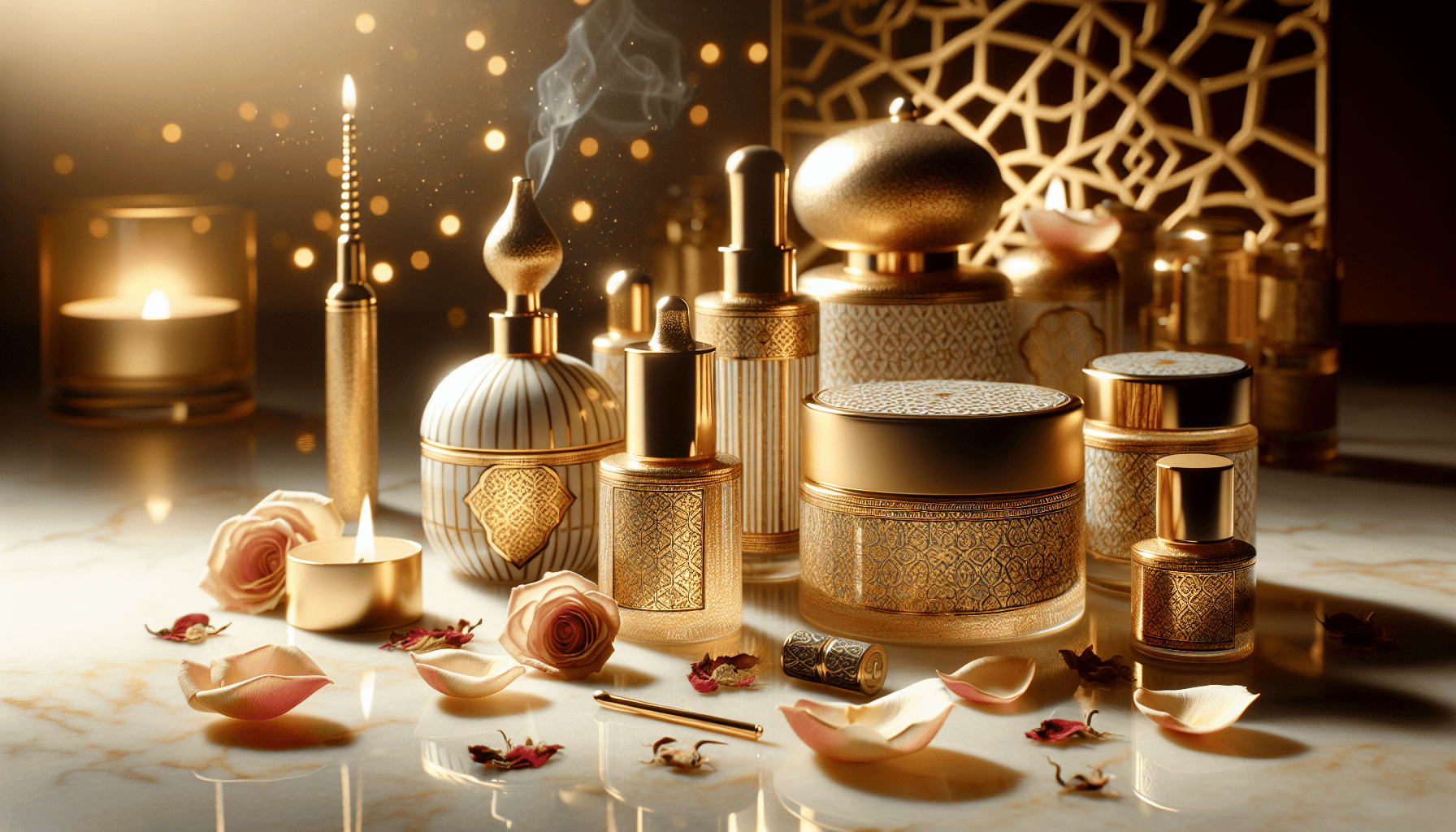
The GCC luxury skincare market in 2026 is shaped by three converging forces: a young, digitally sophisticated consumer base with high disposable income; climate-specific formulation needs (intense UV, heat, and humidity require long-wear and SPF-focused products); and a cultural preference for luxury experience that prioritizes sensory richness (fragrance, texture) alongside clinical efficacy. Key trends for 2026 include: glass-skin finish over matte (younger GCC consumers); SPF 50+ as standard expectation; brightening-focused formulations addressing hyperpigmentation; and premium oud and frankincense-infused active serums positioning regional heritage as a luxury marker rather than a ‘traditional’ alternative.
- The GCC beauty market is the 6th largest globally despite its relatively small population — Saudi Arabia alone accounts for over $3.5B in beauty and personal care spending; UAE, Qatar, and Kuwait have disproportionately high per-capita luxury skincare spend relative to Western markets.
- Heat-and-humidity-resistant formulation is not optional in GCC markets — products must perform at 40–50°C ambient temperature; the shift toward water-gel, serum-type textures, and transfer-resistant foundations reflects genuine climate-driven product requirements, not just trend adoption.
- Halal certification has become a market expectation rather than a differentiator in GCC — consumers now expect it as baseline, and brands must compete on efficacy, sensory experience, and sustainability beyond certification status.
- K-beauty influence is strong in younger GCC consumers (18–35) — glass skin, multi-step routines, sunscreen as base, and ingredient-focused education have penetrated GCC social media simultaneously with Western influencer culture, creating a hybrid aesthetic preference.
- Premium ingredient storytelling matters in GCC luxury positioning: oud oil (one of the world’s most expensive ingredients), frankincense resin, and saffron carry authentic regional heritage value; brands incorporating these with clinical-grade actives (vitamin C, retinol, peptides) in demonstrably effective formulas are positioned for growth.
The Gulf Cooperation Council states — Saudi Arabia, UAE, Qatar, Kuwait, Bahrain, and Oman — represent one of the world’s most dynamic luxury beauty markets. Per capita beauty spending in the UAE rivals France, and the market is evolving in directions that differ significantly from Western trends.

Trend 1: Skinimalism With a Luxury Twist
The global “skinimalism” trend has reached the Gulf, but with a characteristic regional modification: fewer products, but each one is premium.
What this looks like:
– 3-4 step routines replacing 10-step regimens
– Each product priced $80-200+ (Gulf consumers are willing to pay for quality concentration)
– Multi-function products that combine serum + moisturizer + SPF
– “Investment skincare” mindset — treating products like luxury goods rather than consumables
Why it’s happening: Younger GCC consumers (millennials and Gen Z) are more ingredient-educated than previous generations. They want fewer, better products rather than a vanity full of mediocre ones.
Trend 2: Desert-Climate-Specific Formulations
The Gulf’s climate — extreme heat, intense UV, alternating between outdoor heat and aggressive air conditioning — creates unique skincare demands that generic Western products don’t address well.
Emerging formulations:
– Humidity-adaptive moisturizers that shift between occlusive and humectant properties based on environment
– Sand-resistant sunscreens with improved adherence for outdoor activities in desert conditions
– AC-damage repair products targeting the dehydration cycle caused by hours in heavily air-conditioned spaces
– Heat-stable formulations that don’t degrade when stored in cars or bags at 45°C+
Key brands leading this: Local GCC brands have an advantage here because they can test formulations in actual Gulf conditions rather than European labs.
Trend 3: Saudi Vision 2030 and Domestic Beauty Manufacturing
Saudi Arabia’s economic diversification plan includes significant investment in domestic beauty manufacturing:
– MODON (Saudi Industrial Authority) is developing beauty manufacturing zones
– Tax incentives for cosmetics companies establishing Saudi manufacturing
– The Saudi beauty market is projected to reach $10+ billion by 2027
– Growing demand for “Made in Saudi” premium products
Impact: More locally formulated products that address regional needs, rather than imports. This is already visible in the growth of Saudi-origin brands.
Trend 4: Tech-Integrated Beauty
The GCC’s high smartphone penetration and tech-forward consumer base is driving digital beauty adoption:
– AI skin analysis apps are mainstream — many high-end Gulf retailers offer in-store skin scanning
– Personalized formulation services where serums are mixed based on individual skin analysis
– AR try-on for skincare (visualizing results of treatments before committing)
– Subscription boxes curated by dermatologists for Gulf-specific skin concerns
Trend 5: Medical Aesthetics as Routine Self-Care
The Gulf has one of the highest per capita rates of aesthetic procedures globally. What’s changing in 2026:
– Preventive procedures starting younger — Botox and microneedling in mid-20s is normalized
– Combination protocols — dermatologists pairing in-office treatments with specific take-home skincare products
– Male aesthetics growth — the taboo around men’s skincare procedures is rapidly dissolving in the Gulf, particularly UAE and Saudi Arabia
– ”Tweakments” over transformations — subtle, maintenance-focused approaches rather than dramatic changes
Trend 6: Heritage Ingredients in Modern Formats
Traditional Gulf ingredients are being repackaged in modern delivery systems:
– Black seed oil in liposomal serums — improved absorption vs. traditional oil application
– Frankincense in peptide-hybrid formulas — combining traditional anti-inflammatory with modern anti-aging actives
– Camel milk in freeze-dried sheet masks — preserving bioactives better than liquid formats
– Rose water in mist devices — electronic misters that produce ultra-fine rose water particles
This trend satisfies both cultural pride and modern efficacy expectations.
Trend 7: Sustainability (With Gulf Characteristics)
Sustainability in Gulf beauty looks different from Western eco-beauty:
– Water conservation is a bigger concern than carbon footprint (given regional water scarcity)
– Refillable luxury packaging aligns with both sustainability and the Gulf preference for beautiful objects
– Desert-adapted botanicals that require less water to cultivate (prickly pear, jojoba, argan)
– Less emphasis on “natural” — Gulf consumers are pragmatic about synthetic ingredients if they perform well
Market Numbers
| Metric | Value |
|---|---|
| GCC beauty market size (2025) | ~$28 billion |
| Projected (2028) | $35+ billion |
| UAE per capita beauty spend | ~$300/year |
| Saudi market growth rate | ~8% annually |
| Online beauty sales (% of total) | ~25-30% and growing |
| Halal cosmetics market (global) | ~$80 billion |
What This Means for Consumers
If you’re shopping in the GCC market in 2026:
1. Local brands are increasingly competitive with international luxury — don’t default to imports
2. Climate-specific products will outperform generic Western formulations in Gulf conditions
3. Ingredient education matters — the market is moving toward transparency, and informed consumers get better products
4. Male skincare is a real category now — the product range and quality for men has improved dramatically
5. Online purchasing is reliable and growing — comparison shopping across regional e-commerce platforms gives access to a wider range than any single retail location
—
Related reading:
– [Middle Eastern & GCC Beauty Market Overview](/skincare/middle-eastern-gcc-beauty/)
– [Best Middle Eastern Skincare Brands](/skincare/middle-eastern-gcc-beauty/best-middle-eastern-skincare-brands/)
– [Traditional Arab Beauty Ingredients That Still Work](/skincare/middle-eastern-gcc-beauty/traditional-arab-beauty-ingredients-that-still-work/)
FAQ
What skincare do people use in the Middle East?
GCC consumers widely use high-SPF moisturizers (SPF 50+ is standard), brightening formulations for sun-induced hyperpigmentation, and often multi-step layered routines blending Western active ingredients (vitamin C, retinol, niacinamide) with regional botanical serums (oud, frankincense, rose water). Premium department store brands (La Mer, SK-II, Charlotte Tilbury) are popular alongside regional luxury brands like Shiffa and homegrown makeup lines.
What is the most expensive ingredient in Middle Eastern skincare?
Oud (agarwood resin) is among the most expensive natural ingredients globally — pure oud oil can exceed $5,000 per kilogram. Saffron (Crocus sativus) and frankincense resin are also premium-priced regionally significant ingredients. In skincare formulation, these are used in small concentrations as fragrance and antioxidant actives; their presence signals luxury positioning rather than therapeutic dose.
Why is the GCC skincare market growing so fast?
Key drivers include: young median population age (median 28–32 across GCC) with strong purchase intent; high and growing per-capita income; social media fluency driving beauty awareness and premium brand discovery; increasing preference for halal and locally relevant products; and regional women’s growing workforce participation increasing personal care spending. The market is also relatively underserved by Western brands designed for its specific climate and skin concerns.
Related: For a practical next read, see Halal-Friendly Skincare: What It Actually Means and What to Look For.
Related Articles
- Traditional Arab Beauty Ingredients That Still Work
- Oud, Black Seed, and Rose Water in Skincare
- Halal-Friendly Skincare: What It Actually Means
- Best Middle Eastern Skincare Brands in 2026
- Best Skincare for Menopausal Dry Skin
Sources
- The Importance of Skincare for Neonates and Infants: An Algorithm. Journal of drugs in dermatology : JDD. 2021. PMID: 34784132.
- Cosmetic surgery procedures as luxury goods: measuring price and demand in facial plastic surgery. Archives of facial plastic surgery. 2002. PMID: 12020205.
- Role of Cica (Centella asiatica) in Skincare Formulations: Examination of a Popular Ingredient. Skinmed. 2022. PMID: 35532760.
- Traditional Arab Beauty Ingredients That Still Work
- Oud, Black Seed, and Rose Water in Skincare
Leave a Reply