Best Supplements for Depression: Evidence Guide
No supplement replaces professional mental health care. If you are experiencing depression, the first step is always a qualified provider – therapy, medication if appropriate, and proper diagnosis. What follows is for people who already have professional support and want to know which nutritional strategies have meaningful evidence.
Several supplements have genuine clinical evidence for reducing depressive symptoms, particularly in specific populations. The strongest evidence is for omega-3 fatty acids (EPA > DHA, at 1-2 g EPA/day), saffron extract (30 mg/day), S-adenosylmethionine (SAMe, 800-1600 mg/day), and magnesium (in deficiency). St. John’s Wort has robust evidence for mild-to-moderate depression but has significant drug interactions. All supplements for depression should be discussed with a healthcare provider and are not replacements for antidepressants or psychotherapy in moderate-to-severe cases.
- Omega-3 fatty acids (EPA dominant, ?1 g EPA/day) have the most meta-analytic support for reducing depressive symptoms; EPA appears more active than DHA for mood effects.
- Saffron extract (30 mg/day standardized affron) shows comparable efficacy to low-dose SSRIs for mild-to-moderate depression in multiple meta-analyses, with better tolerability.
- SAMe (S-adenosylmethionine, 800-1600 mg/day) is a methyl donor that supports neurotransmitter synthesis; it has RCT evidence as a primary antidepressant and as augmentation to SSRIs in treatment-resistant depression.
- St. John’s Wort (Hypericum perforatum, 300 mg standardized 0.3% hypericin, 3x daily) has strong evidence for mild-to-moderate depression but is a potent CYP3A4 inducer – it significantly reduces effectiveness of birth control pills, antiretrovirals, antidepressants, and many other medications.
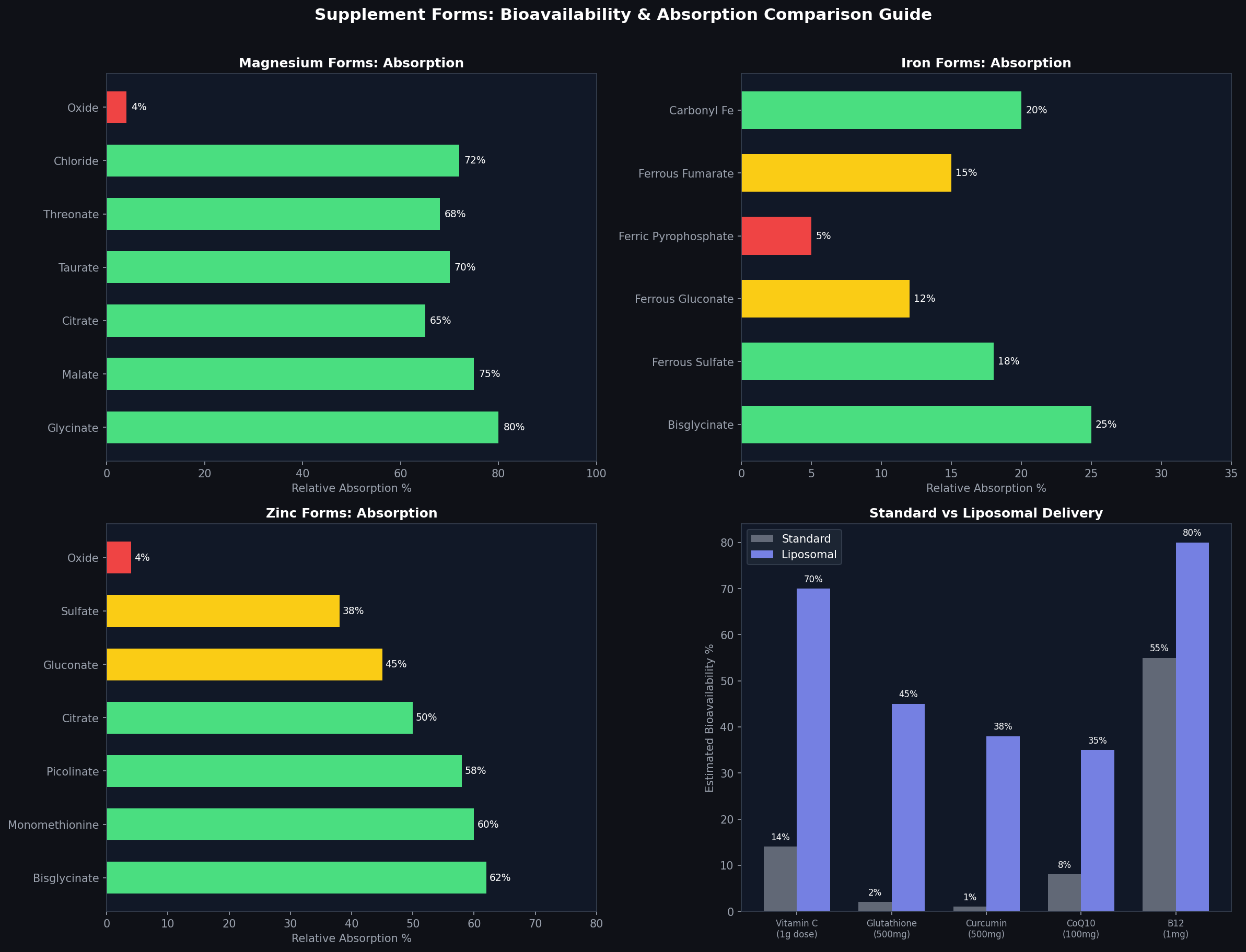
- Magnesium deficiency is associated with depression; repletion (magnesium glycinate/threonate 200-400 mg/day) shows benefit in deficient individuals, particularly for comorbid anxiety and sleep disruption.
Depression and anxiety often co-occur, but they are distinct conditions with different evidence bases for nutritional support. This guide focuses on depression specifically – the persistent low mood, loss of motivation, flat affect, and neuroinflammatory processes that characterize depressive disorders. For anxiety-specific supplements, see our companion guide.
Dietary Patterns Come First
The strongest evidence in nutritional psychiatry is at the dietary pattern level, not the supplement level:
- The SMILES trial (Jacka et al., 2017, BMC Medicine) found a modified Mediterranean diet significantly improved depression scores. About 32% of the diet group achieved remission versus 8% of the control group.
- A 2018 meta-analysis in Molecular Psychiatry (Lassale et al.) covering 1.9 million participants found Mediterranean diet adherence was associated with 33% lower depression risk.
- Trans fats are associated with depression. A 2011 SUN Project study found higher trans fat intake significantly increased depression risk, while olive oil and polyunsaturated fats were protective.
If you’re reaching for supplements while eating mostly ultra-processed food, start with the diet first.
Tier 1: Strongest Evidence for Depression
Omega-3 Fatty Acids (EPA Specifically)
Evidence strength: Strong for depression.
This is the best-supported single nutrient for depression. Multiple meta-analyses confirm significant effects.
- A 2019 Translational Psychiatry meta-analysis of 26 RCTs (n = 2,160) found omega-3 supplementation significantly reduced depressive symptoms versus placebo.
- EPA is the active component for mood. Formulations with ?60% EPA consistently outperform DHA-dominant or balanced formulas.
- Effective doses: 1-2 g EPA per day.
- Benefits are strongest as adjunctive therapy – alongside standard treatment, not instead of it.
Honest limits: Effect sizes are small to moderate. Publication bias may inflate some results. Omega-3s are not antidepressants.
For a deep dive: Omega-3s for Depression: What the EPA Evidence Actually Shows
Vitamin D
Evidence strength: Moderate, primarily when deficient.
- A 2023 meta-analysis in Journal of Affective Disorders found vitamin D supplementation reduced depressive symptoms, with stronger effects in people who were actually deficient and had existing depression.
- The large VITAL-DEP trial (Okereke et al., 2020, JAMA) found no depression prevention benefit with 2,000 IU/day in non-deficient adults.
- Bottom line: Test your levels. If deficient, correct it. If adequate, supplementing more probably won’t help mood.
Suggested dose for deficiency: 2,000-4,000 IU/day vitamin D3, with testing to confirm.
For more: Vitamin D and Depression: When Supplementing Actually Helps
B Vitamins: Folate and L-Methylfolate
Evidence strength: Moderate as adjuncts.
- L-methylfolate (15 mg/day) is FDA-approved as a medical food for depression and has shown benefit as an SSRI adjunct in non-responders (Papakostas et al., 2012, American Journal of Psychiatry).
- B12 deficiency is associated with depression, particularly in older adults. Correcting deficiency may help.
- B6 is involved in serotonin synthesis. A 2022 University of Reading study found high-dose B6 reduced self-reported anxiety (more relevant to our anxiety guide), but chronic high-dose B6 carries neuropathy risk.
Honest take: B vitamins matter most when you’re deficient – common with MTHFR variants, vegan/vegetarian diets, older age, or GI conditions.
Tier 2: Promising But Incomplete
Saffron (Crocus sativus)
Evidence strength: Moderate for depression.
Surprisingly solid trial data. Multiple RCTs and meta-analyses show standardized saffron extract (28-30 mg/day) significantly reduces depressive symptoms versus placebo and performs comparably to low-dose SSRIs in mild-moderate depression in some head-to-head trials.
Caveat: Many trials come from Iranian research groups where saffron is a major industry. Independent replication in diverse populations would strengthen confidence.
See our saffron supplements guide for full details.
SAMe (S-Adenosylmethionine)
Evidence strength: Moderate but complicated.
- Some positive trial data for depression, including a 2016 Cochrane-level review.
- Expensive, unstable (requires enteric coating and proper storage).
- Can trigger mania in bipolar disorder – serious safety concern for self-prescribers.
- Not suitable without professional guidance.
NAC (N-Acetylcysteine)
Evidence strength: Emerging, promising.
- A 2014 systematic review (Berk et al., Journal of Clinical Psychiatry) was generally positive for multiple psychiatric applications including depression.
- Mechanism: glutathione replenishment and glutamate modulation.
- Most trials are small, but the risk-benefit profile is favorable.
- Typical dose: 1,000-2,000 mg/day.
Curcumin (Turmeric)
- Several trials show curcumin reduces depressive symptoms versus placebo.
- A 2020 meta-analysis in Journal of Affective Disorders was positive but noted high heterogeneity.
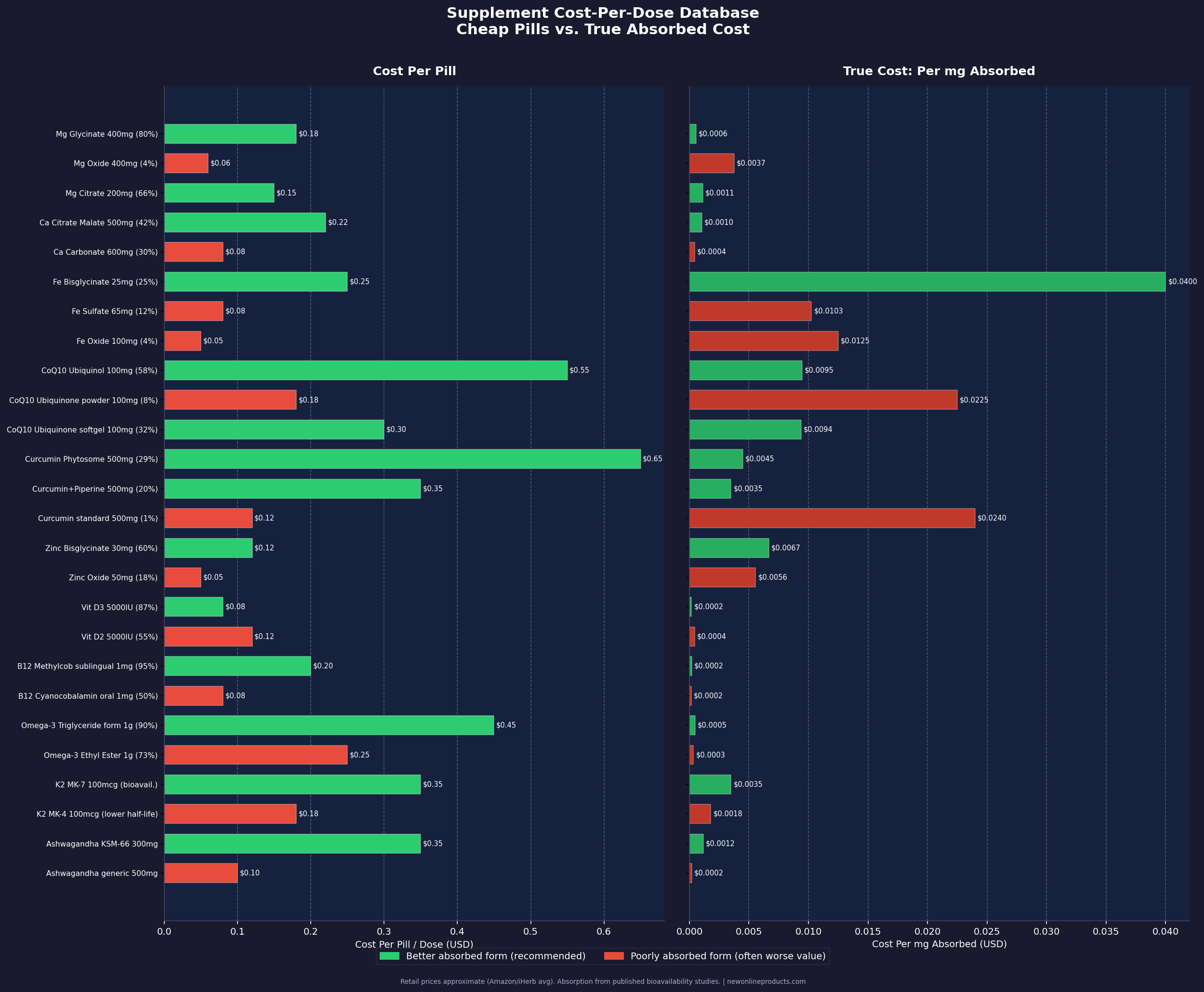
- Bioavailability is a major issue – specialized formulations (Meriva, Longvida, liposomal) are necessary.
Tier 3: Interesting But Early
Zinc
- Zinc levels tend to be lower in people with depression.
- A few small trials suggest 25 mg/day zinc as an antidepressant adjunct may accelerate response.
- Not enough data for standalone recommendations.
Creatine
- Emerging evidence for antidepressant-augmenting effects, possibly through brain energy metabolism.
- A few small trials show promising results, particularly in women.
- More research needed. See our creatine cognitive health guide.
Probiotics and the Gut-Brain Axis
- The gut-brain connection is real science.
- Specific strains may help, but a 2019 BMJ Nutrition review found no consistent evidence in the general population.
- See the shared gut-brain axis guide for details.
Dietary Fat and the Depressed Brain
Your brain is roughly 60% fat by dry weight. Dietary fat composition matters:
- Low-fat diets may worsen mood in some people by impairing cell membrane integrity and neurotransmitter function.
- The omega-6 to omega-3 ratio matters. Western diets are typically 15:1 to 20:1; the ideal is likely closer to 4:1.
- Trans fats are consistently linked to higher depression risk.
- Eat adequate fat from quality sources: fish, olive oil, nuts, avocados.
For a deep dive: Dietary Fat and Mental Health: What Your Brain Actually Needs
Dark Chocolate: Real But Overstated
- The Jackson 2019 NHANES study found 70% lower odds of depressive symptoms among dark chocolate consumers – but this is cross-sectional and observational.
- Cocoa flavanols may improve cerebral blood flow and BDNF.
- Dark chocolate is a pleasant food with bioactive compounds, not a treatment for depression.
For more: Dark Chocolate and Mood: The Real Science Behind the Headlines
A Practical Supplement Stack for Depression Support
For someone with professional care in place:
- Omega-3 fish oil – 1-2 g EPA/day (EPA-dominant formula)
- Vitamin D3 – 2,000-4,000 IU/day if deficient (test first)
- Magnesium glycinate – 200-400 mg elemental/day (overlap benefit with anxiety)
- Quality B-complex – especially if vegetarian, MTHFR+, or over 50
- Saffron extract – 28-30 mg standardized, if mood support is primary goal
Add-ons with professional guidance:
- NAC – 1,000-2,000 mg/day
- SAMe – only under professional supervision (bipolar risk)
When to See a Professional Instead of Buying Supplements
- Persistent sadness or emptiness lasting more than 2 weeks
- Loss of interest in activities you normally enjoy
- Changes in sleep, appetite, or energy that interfere with daily life
- Thoughts of self-harm or suicide – call 988 (Suicide & Crisis Lifeline) immediately
- Symptoms getting worse despite lifestyle changes
Supplements are a supporting actor. Professional care is the lead.
FAQ
What supplements actually help with depression?
The supplements with the strongest evidence are: omega-3s (EPA dominant, 1-2 g EPA/day), saffron extract (30 mg/day), SAMe (800-1600 mg/day), St. John’s Wort (only if no drug interactions apply), and magnesium (if deficient). These are most effective for mild-to-moderate depression and as adjuncts, not replacements, for professional treatment.
Is it safe to take supplements instead of antidepressants?
For mild depression, some supplements have evidence comparable to low-dose antidepressants. However, for moderate-to-severe depression, antidepressants (and psychotherapy) have far more robust evidence and faster onset. Never discontinue prescribed antidepressants without your prescriber’s guidance – abrupt discontinuation can cause serious withdrawal effects.
Can omega-3s help with depression?
Yes. Multiple meta-analyses of RCTs find omega-3s (particularly high EPA formulations at ?1 g EPA/day) significantly reduce depressive symptoms versus placebo. The evidence is strongest for people with elevated inflammation markers and in combination with antidepressants.
Does St. John’s Wort interact with medications?
Yes, significantly. St. John’s Wort induces CYP3A4 and P-glycoprotein, reducing blood levels of many drugs: birth control pills (can cause contraceptive failure), SSRIs and SNRIs (serotonin syndrome risk), warfarin, cyclosporine, HIV antiretrovirals, and many others. Always check interactions before using St. John’s Wort.
Related Articles
- Omega-3 Overhyped Uses: Where Fish Oil Falls Short of the Marketing
- Omega-3s in Pregnancy and Infant Development: What the Evidence Supports
- Creatine for Bone and Brain Support in Women and Older Adults
- Psychobiotics vs. Regular Probiotics: What’s Actually Different?
- Magnesium and Sleep in Perimenopause
This article is for educational purposes and does not constitute medical advice. Always consult a healthcare provider before starting any supplement regimen, especially if you take medication for depression or any other condition. For more, see our related guide on best supplements for depression in 2026.
Last updated: March 2026
Sources
- Nutritional psychiatry: the present state of the evidence. The Proceedings of the Nutrition Society. 2017. PMID: 28942748.
- Is S-Adenosyl Methionine (SAMe) for Depression Only Effective in Males? A Re-Analysis of Data from a Randomized Clinical Trial. Pharmacopsychiatry. 2015. PMID: 26011569.
- Nonpharmacologic treatments for depression in patients with coronary heart disease. Psychosomatic medicine. 2005. PMID: 15953803.
- S-adenosyl methionine (SAMe) for depression in adults. The Cochrane database of systematic reviews. 2016. PMID: 27727432.
- Centella Asiatica in Dermatology (2014)