
Published March 2026 | Supplements & Wellness
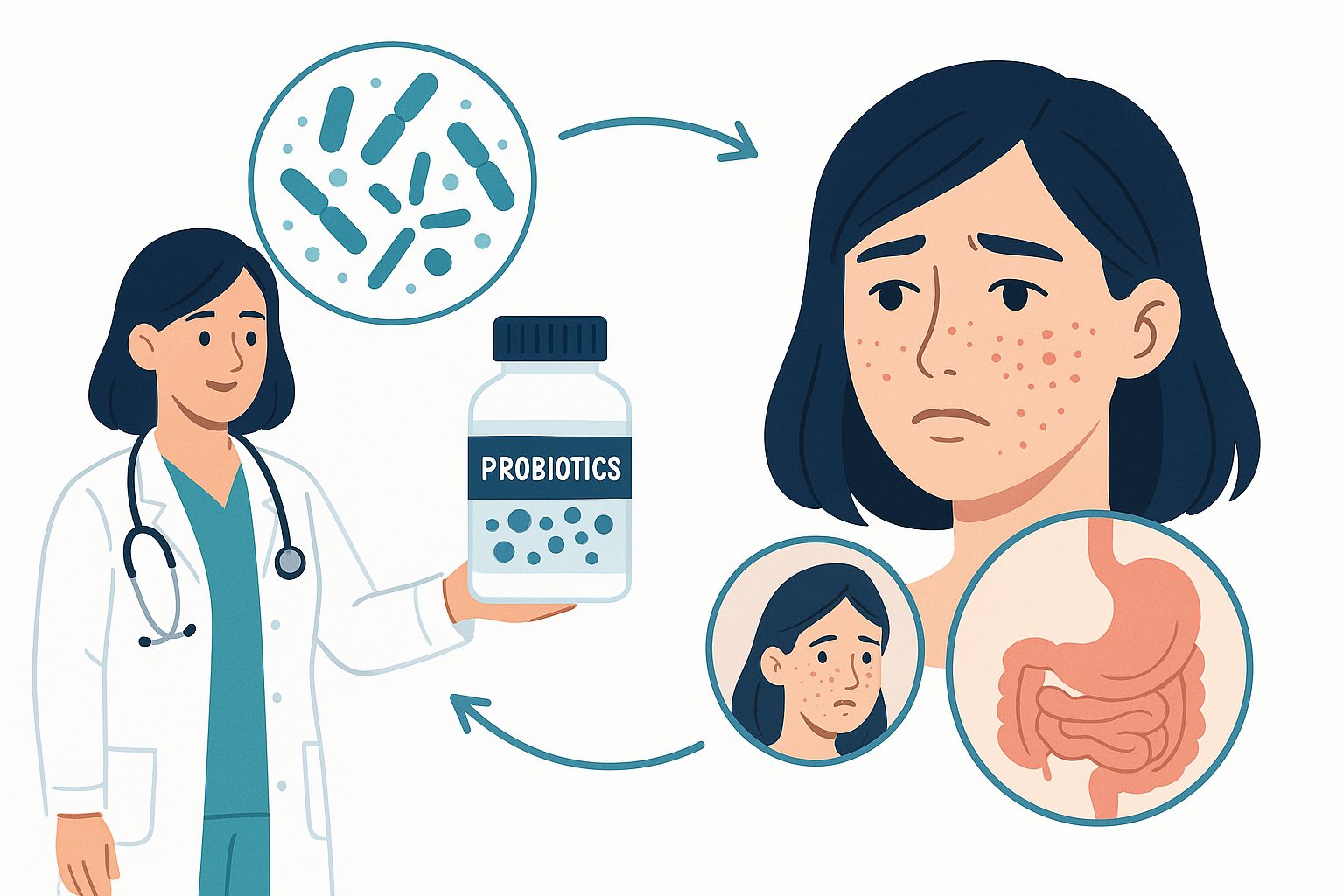
Probiotics for acne sits at the intersection of two trends: the gut health boom and the search for non-prescription acne solutions. The gut-skin axis is a real area of research, but the clinical applications for acne remain early.
Quick Answer: There is a plausible biological connection between gut microbiome health and acne through the gut-skin axis. Clinical trials show probiotics can modestly reduce acne severity, particularly inflammatory lesions. Evidence is promising but still early, with small sample sizes and variation across probiotic strains making definitive conclusions premature.
Key Takeaways
- The gut-skin axis describes how microbiome imbalances can promote systemic inflammation that worsens acne.
- Several trials show oral probiotics (Lactobacillus and Bifidobacterium strains) modestly reduce inflammatory acne lesion counts.
- Topical probiotics also show early evidence for skin barrier support and acne reduction.
- Probiotic effects are modest and generally better as an adjunct to existing treatment than as standalone therapy.
- Strain specificity matters-not all probiotics are equivalent for skin outcomes.
The gut-skin axis: what it means
The concept: the gut microbiome influences systemic inflammation, immune function, and potentially skin conditions including acne. This isn’t new – dermatologists Stokes and Pillsbury proposed a gut-brain-skin connection back in 1930.
Modern research supports several pathways:
- Gut dysbiosis → increased intestinal permeability (“leaky gut”) → systemic inflammatory markers → worsened skin inflammation
- Short-chain fatty acid (SCFA) production by beneficial gut bacteria → anti-inflammatory effects that may reach the skin
- Immune modulation – gut microbiome composition influences T-cell differentiation and inflammatory cytokine production
Clinical evidence for probiotics and acne
Fabbrocini et al. 2016 (Beneficial Microbes)
- Lactobacillus rhamnosus SP1 supplementation
- 20 adults with acne, 12 weeks
- Significant improvement in adult acne vs. placebo
- Small but well-designed
Kim et al. 2010 (Nutrition)
- Lactobacillus acidophilus and Lactobacillus bulgaricus fermented dairy
- Found reduction in acne lesions, but the dairy vehicle complicates interpretation
Jung et al. 2013 (Annals of Dermatology)
- Lactobacillus supplementation alongside standard acne treatment (minocycline)
- Combination was more effective than antibiotic alone
- Suggests probiotics may enhance conventional treatment
Systematic reviews
A 2019 review in Dermatology and Therapy (Searle et al.) concluded that probiotics show promise for acne but that evidence is limited by small sample sizes, heterogeneous strains, and short study durations. A 2023 update in Nutrients reached similar conclusions.
The strain specificity problem
This is the biggest practical issue. The probiotics studied for acne are specific strains:
- Lactobacillus rhamnosus SP1
- Lactobacillus acidophilus
- Bifidobacterium species in some trials
A generic “50 billion CFU probiotic blend” from Amazon is not the same product used in these trials. Strain matters, and most consumer products don’t match study protocols.
The diet angle
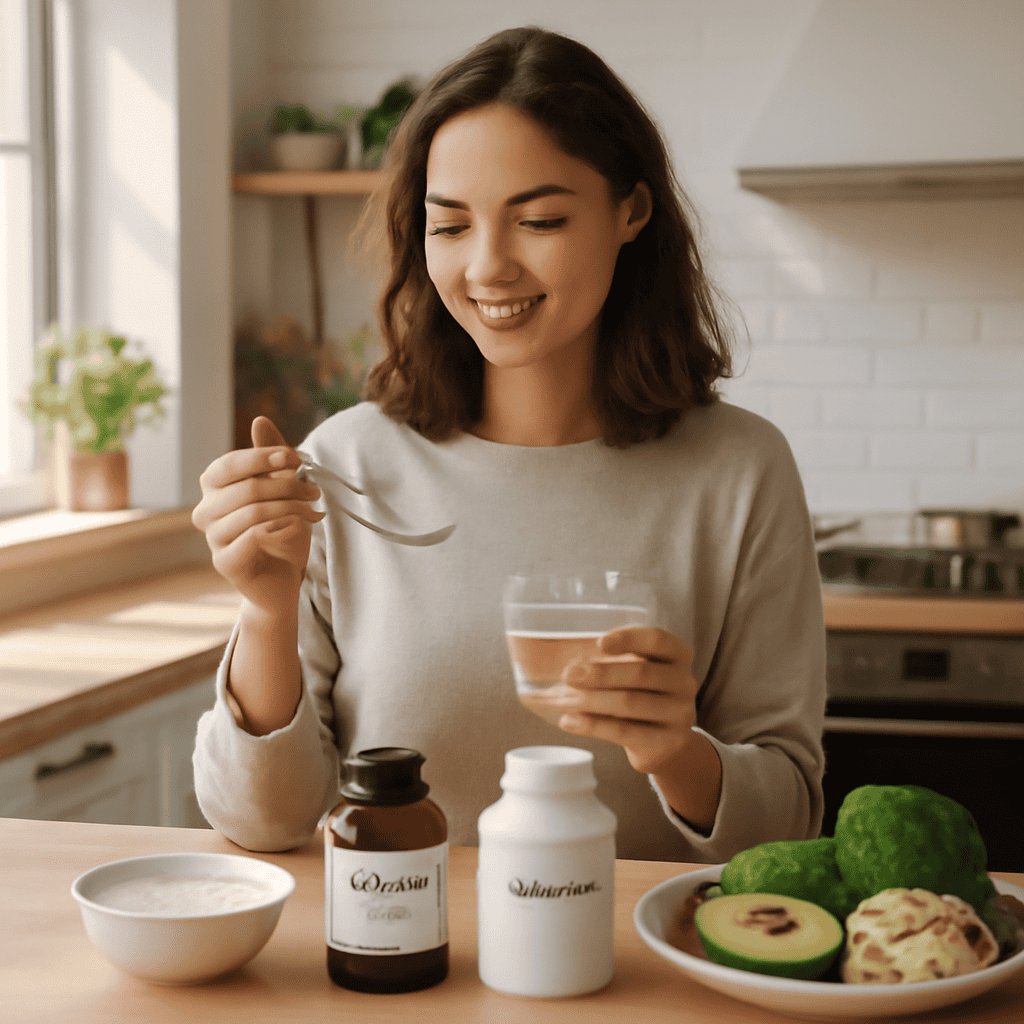
Probiotic supplements are one approach. Dietary strategies may be equally or more effective:
- Fermented foods (yogurt, kefir, sauerkraut, kimchi) – provide diverse Lactobacillus and Bifidobacterium strains naturally
- Prebiotic fiber (vegetables, legumes, whole grains) – feeds existing beneficial bacteria
- Reducing high-glycemic foods – high-glycemic diets independently worsen acne and may negatively impact gut microbiome composition
A 2007 study by Smith et al. in the American Journal of Clinical Nutrition found that a low-glycemic diet significantly improved acne. This overlaps with gut health because high-glycemic diets alter the microbiome unfavorably.
The anecdotal picture
Probiotics for skin health have a large following in wellness communities. Common self-reports:
- Improvement in both digestion and skin clarity simultaneously
- Effects taking 4-8 weeks to appear (consistent with microbiome remodeling timelines)
- Better results in people who also changed their diet
- Some people report initial bloating or worsening before improvement
The challenge with anecdotal probiotic reports is that people rarely change only one thing at a time.
Practical recommendations
- If you already take a probiotic for digestion: Acne improvement is a possible bonus. No need to add a separate one.
- If you want to try probiotics for acne specifically: Look for products containing Lactobacillus rhamnosus or Lactobacillus acidophilus at clinically relevant CFU counts (typically 10 billion+). Give it 8-12 weeks.
- Diet first: Increasing fermented food intake and reducing high-glycemic foods may accomplish more than a capsule.
- Don’t skip conventional treatment: Probiotics are an adjunct, not a substitute for proven acne therapies.
Bottom line
The gut-skin axis is real science, not wellness fantasy. Probiotics have several small positive trials for acne. But strain specificity matters, most consumer products don’t match study protocols, and dietary changes may accomplish more than capsules alone.
Evidence level: Low-to-moderate. Promising direction, small studies, needs larger trials with specific strains.
This article is for informational purposes only and does not constitute medical advice.
Frequently Asked Questions
Which probiotic strains are best for acne?
The most studied strains for acne include Lactobacillus acidophilus, L. rhamnosus, Bifidobacterium longum, and combinations. No single strain has emerged as clearly superior. Look for products with published strain identifiers (e.g., NCFM, GG).
How long do probiotics take to improve acne?
Most trials run 8-12 weeks. Gut microbiome changes take time; expect gradual improvement rather than rapid clearing.
Can probiotics replace acne medication?
No. Current evidence supports probiotics as adjunct therapy, not replacement for proven treatments like topical retinoids, benzoyl peroxide, or antibiotics when needed.
Do fermented foods help acne the same way as probiotic supplements?
Fermented foods (yogurt, kefir, kimchi) do provide live bacteria, but strain content is variable and often lower than in research-grade supplements. They’re a useful dietary addition but harder to dose predictably.
Related Articles
- The Gut-Brain Axis Explained Simply: How Your Gut Talks to Your Brain
- Holistic Skin Nutrition: How Diet, Supplements, and Gut Health Transform Your Skin
- Bakuchiol for Acne-Prone Skin: Benefits, Limits, and How to Use It
- Menopause Acne and Hormonal Skin Changes: Why Breakouts Happen in Midlife
Sources
- Safety of skin care products during pregnancy. Canadian family physician Medecin de famille canadien. 2011. PMID: 21673209.
- Impact of gut microbiome on skin health: gut-skin axis observed through the lenses of therapeutics and skin diseases. Gut microbes. 2022. PMID: 35866234.
- The skin microbiome and the gut-skin axis. Clinics in dermatology. 2021. PMID: 34785010.
- Supplements for Blood Sugar
- Berberine Stack for Insulin Resistance


Leave a Reply