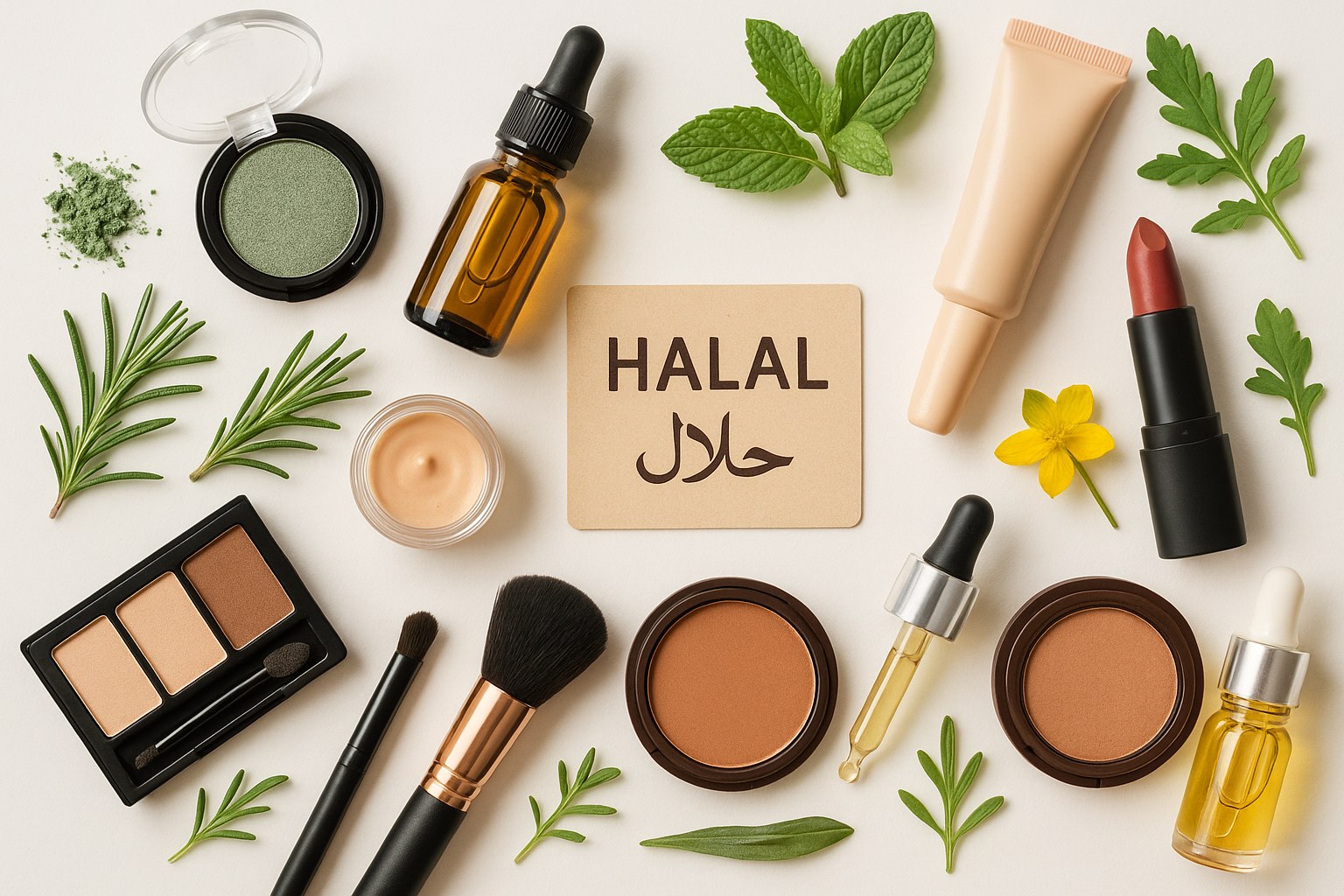
Halal-friendly makeup is a growing beauty category because more shoppers want products that align not only with performance and skin needs, but also with faith-based ingredient standards and ethical purchasing values. The challenge is that halal beauty is more nuanced than a simple front-label claim.
Some shoppers are looking specifically for formally halal-certified cosmetics. Others want makeup free from alcohol concerns, animal-derived ingredients, carmine, or unclear sourcing. Many also prefer cruelty-free and transparent brands. That means the best halal-friendly makeup guide is not one that overpromises. It is one that helps shoppers ask the right questions.
What halal-friendly makeup usually means
Halal-friendly makeup generally refers to cosmetics made without ingredients or processes that conflict with Islamic dietary and ethical considerations. Depending on the shopper, that may include concern about:
- animal-derived ingredients from non-halal sources
- carmine and other insect-derived colorants
- collagen, keratin, or glycerin with unclear sourcing
- denatured alcohol or other alcohol-related ingredient concerns
- cross-contamination in manufacturing
- lack of certification or traceability
Why certification matters
A halal-friendly marketing claim is not the same thing as third-party halal certification. Certification gives more confidence about sourcing, processing, and manufacturing oversight. For shoppers with stricter standards, certified products are usually the safest route.
How to shop halal-conscious beauty more confidently
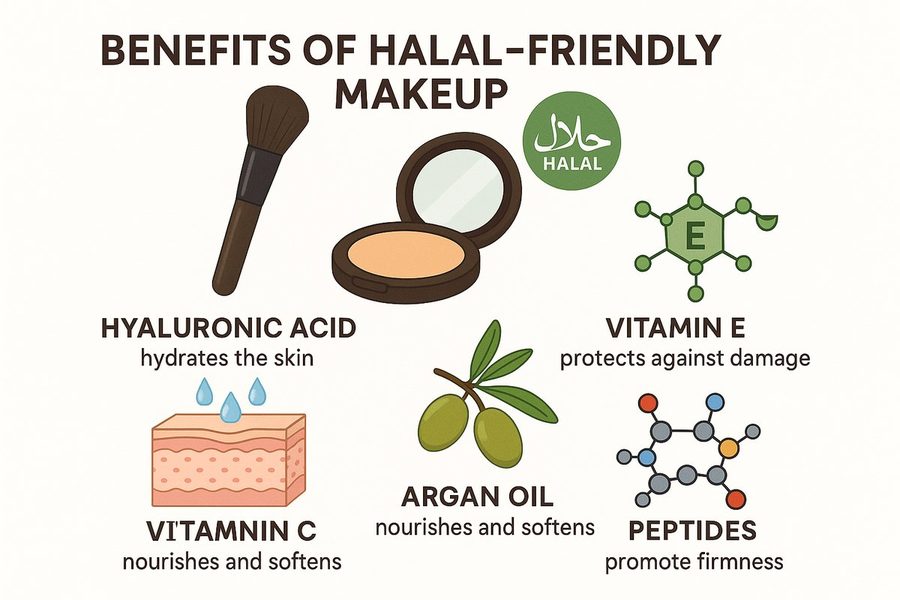
Check the ingredient list carefully
Look for ingredients that commonly raise questions, such as carmine, collagen, keratin, lanolin, gelatin, beeswax, and glycerin with unspecified source. Some are permissible depending on source and interpretation; others are commonly avoided.
Prioritize brand transparency
The strongest brands answer sourcing questions clearly, publish certification details, or explain which products are vegan, alcohol-free, and halal certified.
Avoid assuming “vegan” means halal
Vegan products can be useful because they remove many animal-source concerns, but vegan is not automatically halal certified. Manufacturing, alcohol content, and sourcing transparency still matter.
Best halal-friendly makeup categories to start with
Complexion products
Foundation, skin tint, and concealer are often where ingredient transparency matters most because these products sit on the skin for long hours and usually contain more complex formulas.
Lip products
Lipsticks, glosses, and balms deserve extra attention because of ingredient transfer and ingestion concerns. Many halal-conscious shoppers start by replacing lip products first.
Mascara and brow products
These can be easier entry points because there are now many vegan and fragrance-light options with better ingredient disclosure than in previous years.
Product recommendations for halal-conscious shoppers
These are not blanket religious rulings, but practical starting points for further verification based on current brand transparency.
1. INIKA Organic Liquid Foundation
A useful option for shoppers who prefer organic-leaning, cruelty-free, and more transparent formulas.
2. PHB Ethical Beauty Pressed Mineral Foundation
Often discussed by ingredient-conscious shoppers because the brand emphasizes ethical sourcing and clear product communication.
3. Tuesday in Love Halal Nail Polish and Beauty Range
Best known in nails, but relevant in halal beauty conversations because the brand is widely associated with halal-conscious product positioning.
4. Iba Halal Care Lipsticks and Cosmetics
One of the more directly positioned halal beauty brands and a strong starting point for shoppers who prefer explicitly halal-focused companies.
5. Sampure Minerals products

A mineral makeup direction can appeal to shoppers looking for simpler formulas with fewer questionable additives, though individual products should still be verified.
Ingredients halal-conscious shoppers commonly research
Animal-derived or questionable-source ingredients
- carmine
- collagen
- keratin
- glycerin
- lanolin
- gelatin
- stearic acid
Alcohol-related ingredients
Interpretations vary, so many shoppers review individual ingredients rather than avoiding every ingredient with “alcohol” in the name. Fatty alcohols used for texture are chemically different from ethanol-based ingredients, but personal standards differ.
Practical shopping advice
Email the brand if needed
A short message asking whether a product is halal certified, vegan, alcohol-free, and free from animal-derived colorants can save wasted purchases.
Build slowly
Start with one or two categories that matter most to you, usually foundation and lip products. Replacing everything at once is expensive and makes it harder to compare formulas.
Keep your standard consistent
If your priority is formal halal certification, stick with that. If your priority is halal-conscious plus vegan and cruelty-free, define your filter clearly before shopping.
FAQ
What is halal-friendly makeup?
Halal-friendly makeup is makeup formulated and manufactured in a way that aligns with halal-conscious ingredient and ethical standards. Many shoppers prefer products free from non-halal animal derivatives, questionable colorants, and unclear sourcing.
Is vegan makeup always halal?
No. Vegan makeup removes animal-derived ingredients, but it is not automatically halal certified. Sourcing, alcohol-related ingredients, and manufacturing processes can still matter.
What ingredients should I avoid in halal-conscious cosmetics?
Many shoppers research carmine, collagen, keratin, lanolin, gelatin, glycerin of unclear source, and certain alcohol-based ingredients. The exact standard depends on personal interpretation and whether formal certification is required.
Which brands are popular with halal-conscious shoppers?
Brands such as Iba Halal Care, PHB Ethical Beauty, INIKA Organic, and some mineral or vegan brands are often considered starting points, but individual product verification is still important.
Internal-link suggestions
Link this parent article to:
- Beauty Brands Popular with Halal-Conscious Shoppers
- Best Halal-Friendly Makeup Brands
- Halal-Conscious Complexion Products
- Halal-Conscious Lip Products
- Halal-Friendly Makeup Gift Ideas
Final takeaway
Halal-friendly makeup is not just a trend category. It is a values-driven shopping decision. The best approach in 2026 is to combine ingredient literacy, brand transparency, and certification awareness. If a product checks those boxes and performs well on skin, it earns its place in a halal-conscious beauty routine.
Sources
- Draelos ZD. (2011). Cosmetics and dermatologic problems and solutions. Third edition. CRC Press.
- EWG Skin Deep Database. (2024). Cosmetic safety ratings and ingredient analysis. Environmental Working Group.
- FDA. (2024). Cosmetics safety and labeling guidance. U.S. Food and Drug Administration.
- Baumann L. (2015). Cosmeceuticals and cosmetic ingredients. McGraw-Hill Education.
- CosIng Database. (2024). EU cosmetic ingredient database. European Commission.
- Chambaro et al. (2022). An unusually long Rift valley fever inter-epizootic period in Zambia: Evidence for enzootic virus circulation and ris…. PLoS neglected tropical diseases. PMID: 35653390
Related Articles
- Clean Beauty Makeup Guide: Best Products, Ingredients, and What Matters in 2026
- Best Non-Toxic Makeup in 2026
- Best Makeup for Sensitive Skin
- Cruelty-Free Makeup Guide
- Best Drugstore Makeup Dupes in 2026
Sources
- PubMed/NIH — Database of peer-reviewed studies on cosmetic ingredients and safety
- FDA Cosmetics — Regulatory guidance on cosmetic ingredients and labeling requirements
- Department of Islamic Development Malaysia (JAKIM) — Official Halal certification standards and guidelines
- International Fragrance Association (IFRA) — Cosmetic ingredient safety and transparency standards
- ConsumerLab — Third-party testing and verification of supplement and cosmetic products