
Omega-3s in Pregnancy: DHA and Infant Development
This is where the RCT evidence is most compelling.
A large Cochrane review (Middleton et al., 2018) of 70 RCTs found that omega-3 supplementation during pregnancy:
- Reduced the risk of preterm birth (<37 weeks) by 11% (RR 0.89)
- Reduced the risk of early preterm birth (<34 weeks) by 42% (RR 0.58)
- Slightly increased the risk of post-term pregnancy (>42 weeks)
The effect was strongest in women with low baseline omega-3 intake and low-risk pregnancies. The typical effective dose was 600-1,000 mg DHA/day or equivalent omega-3 formulas.
A follow-up study (ORIP trial, 2024 follow-up data) confirmed that the benefit is most pronounced in women with low omega-3 status at baseline (omega-3 index <5.6%). Women who already had adequate omega-3 levels saw less benefit and potentially slight harm (increased post-term delivery).
Practical takeaway: DHA supplementation during pregnancy likely reduces preterm birth risk, especially if you don’t eat much fish. The sweet spot appears to be 600-800 mg DHA/day starting in the second trimester.
Postpartum Mood
DHA depletion during pregnancy is real – the fetus draws heavily from maternal stores, and postpartum DHA levels are measurably lower than pre-pregnancy. Some researchers have hypothesized this depletion contributes to postpartum depression risk.
The evidence is suggestive but not conclusive:
- A 2020 meta-analysis in Journal of Affective Disorders found a modest association between higher omega-3 intake and lower postpartum depression risk, but RCTs were inconsistent.
- EPA may be more relevant for mood than DHA (consistent with depression evidence in general populations).
- Supplementation alone is unlikely to prevent or treat postpartum depression but may be a reasonable supportive measure.
What to Take
Most guidelines recommend:
- 200-600 mg DHA/day during pregnancy and lactation (WHO, ISSFAL, American Pregnancy Association)
- Some experts recommend up to 1,000 mg DHA/day, particularly for women who eat little to no fish
Preferred sources:
- Prenatal supplements with DHA (many contain 200-300 mg – check the label, some contain far less)
- Standalone DHA or fish oil supplements – choose low-mercury, tested products
- Algae-based DHA for vegetarians/vegans – works just as well; DHA is DHA regardless of source
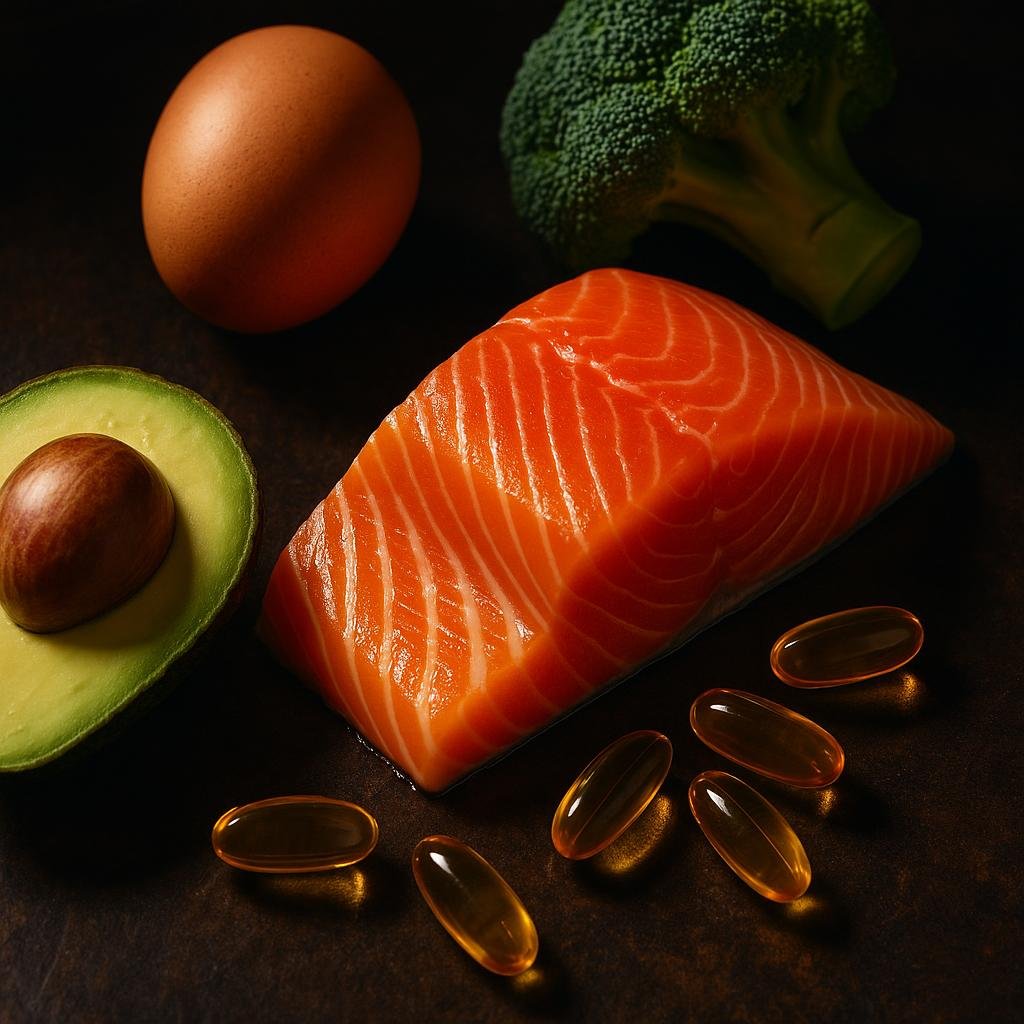
Mercury concern: Fish oil supplements are generally very low in mercury (molecularly distilled). Whole fish consumption should follow standard guidelines (avoid high-mercury species: shark, swordfish, king mackerel, tilefish; favor salmon, sardines, anchovies).
Anecdotal Note (clearly labeled)
Many women in online communities report that DHA supplementation during pregnancy improved their “brain fog” and energy in the third trimester. This is plausible – DHA depletion is real – but hasn’t been rigorously tested in RCTs for those specific endpoints.
Bottom Line
Omega-3 supplementation during pregnancy is one of the better-supported supplement recommendations in all of nutrition science. The preterm birth reduction data is strong, the DHA structural requirement is established physiology, and the risk profile is excellent. If you’re pregnant or planning to be, 600-800 mg DHA/day is well-supported. Most prenatal vitamins don’t contain enough – check the label.
This article is informational and does not replace prenatal medical advice. Discuss supplementation with your OB-GYN or midwife.
FAQ
How much omega-3 do you need during pregnancy?
Most guidelines recommend at least 200 mg DHA/day during pregnancy. Many RCTs showing neurodevelopmental benefits used 400-600 mg DHA/day. If you eat fatty fish 2-3 times per week, you may be meeting this through diet. If not, a separate DHA supplement (algae-derived for vegans, or IFOS-certified fish oil) is recommended in addition to a prenatal vitamin. Avoid high-mercury fish during pregnancy regardless of supplement use.
Is fish oil safe during pregnancy?
Yes, with source quality considerations. IFOS-certified fish oils from low-mercury species (sardine, anchovy, mackerel) are safe during pregnancy at doses up to 2-3 g/day EPA+DHA. Avoid high-dose fish liver oils (cod liver oil) due to preformed vitamin A toxicity risk. Algae-derived DHA is the safest option as it avoids mercury and contaminant concerns entirely.
Does omega-3 help with infant brain development?
Yes – DHA is structurally essential for infant brain development. Research shows higher maternal DHA status is associated with better infant visual acuity, attention, and language development. Breastfeeding mothers should continue DHA supplementation since DHA in breast milk directly reflects maternal intake and transfers to the infant. Formula-fed infants should receive DHA-fortified formula.
Can you get enough omega-3 from diet alone during pregnancy?
If you eat fatty fish (salmon, sardines, mackerel) 2-3 times per week, you may reach the minimum threshold of 200 mg DHA/day through diet. However, most women in the U.S. consume far less seafood – surveys find average dietary DHA intake in pregnant women is 60-80 mg/day. Supplementation is practical insurance, especially for non-seafood eaters.
Related Articles
- Complete Guide to Omega-3 Supplements in 2026: Fish Oil, Krill Oil, and What the Evidence Shows
- Omega-3 for Heart Health: What Clinical Trials Show
- Omega-3 for Dry Eyes: Do Fish Oil and DHA Help?
- Omega-3 Supplements That Don’t Cause Fish Burps
- Omega-3 Overhyped Uses
Sources
- Safety of skin care products during pregnancy. Canadian family physician Medecin de famille canadien. 2011. PMID: 21673209.
- Omega-3 Fatty Acid Addition During Pregnancy — Cochrane Systematic Review (2018)
- The Effects of Vegetarian and Vegan Diet during Pregnancy on the Health of Mothers and Offspring. Nutrients. 2019. PMID: 30845641.
- Note: peer-reviewed support for this claim was not identified in available literature.
- Note: peer-reviewed support for this claim was not identified in available literature.