
Magnesium and Sleep in Perimenopause
Perimenopause has a way of turning sleep into a moving target. Some women start waking at 3 a.m. for no obvious reason. Others feel wired but tired, more anxious than usual, or unable to settle back down after a night sweat. In that context, it makes sense that magnesium and sleep in perimenopause has become a popular search topic.

The good news is that magnesium is a reasonable supplement to consider. The bad news is that it is often oversold. Magnesium is not a magic fix for all hormone-related sleep problems. But as a supportive nutrient, especially when stress, tension, constipation, or poor sleep quality are part of the pattern, it can be genuinely useful.
Why sleep gets worse in perimenopause
Quick Answer: Magnesium supports sleep during perimenopause by activating GABA receptors, reducing cortisol, and supporting melatonin synthesis—all of which are disrupted by fluctuating estrogen. Magnesium glycinate is the best tolerated form for sleep at doses of 300–400 mg taken 1–2 hours before bed. It may also reduce nighttime hot flashes and muscle cramps that interrupt sleep at this life stage.
Muscle cramps are another frequent complaint during this stage. Our guide on magnesium and muscle cramps covers whether supplementation actually helps.
Sleep problems in perimenopause can come from multiple directions at once:
- fluctuating estrogen and progesterone
- night sweats and temperature dysregulation
- anxiety or mood changes
- lighter sleep architecture
- midlife stress load and caregiving burden
That means no supplement should be judged in isolation from the bigger picture.
What magnesium may help with
1. Relaxation and sleep quality
Magnesium participates in nervous-system regulation and may support relaxation. Some studies suggest magnesium supplementation can improve subjective sleep quality, particularly in older adults or people with low magnesium intake.
2. Muscle tension and restlessness
Women who feel physically tense or “revved up” at bedtime may notice magnesium helps them feel less tight or twitchy.
3. Constipation that disrupts comfort
Constipation and poor sleep can feed each other. Some forms of magnesium can help bowel regularity, though that is separate from the sleep effect.
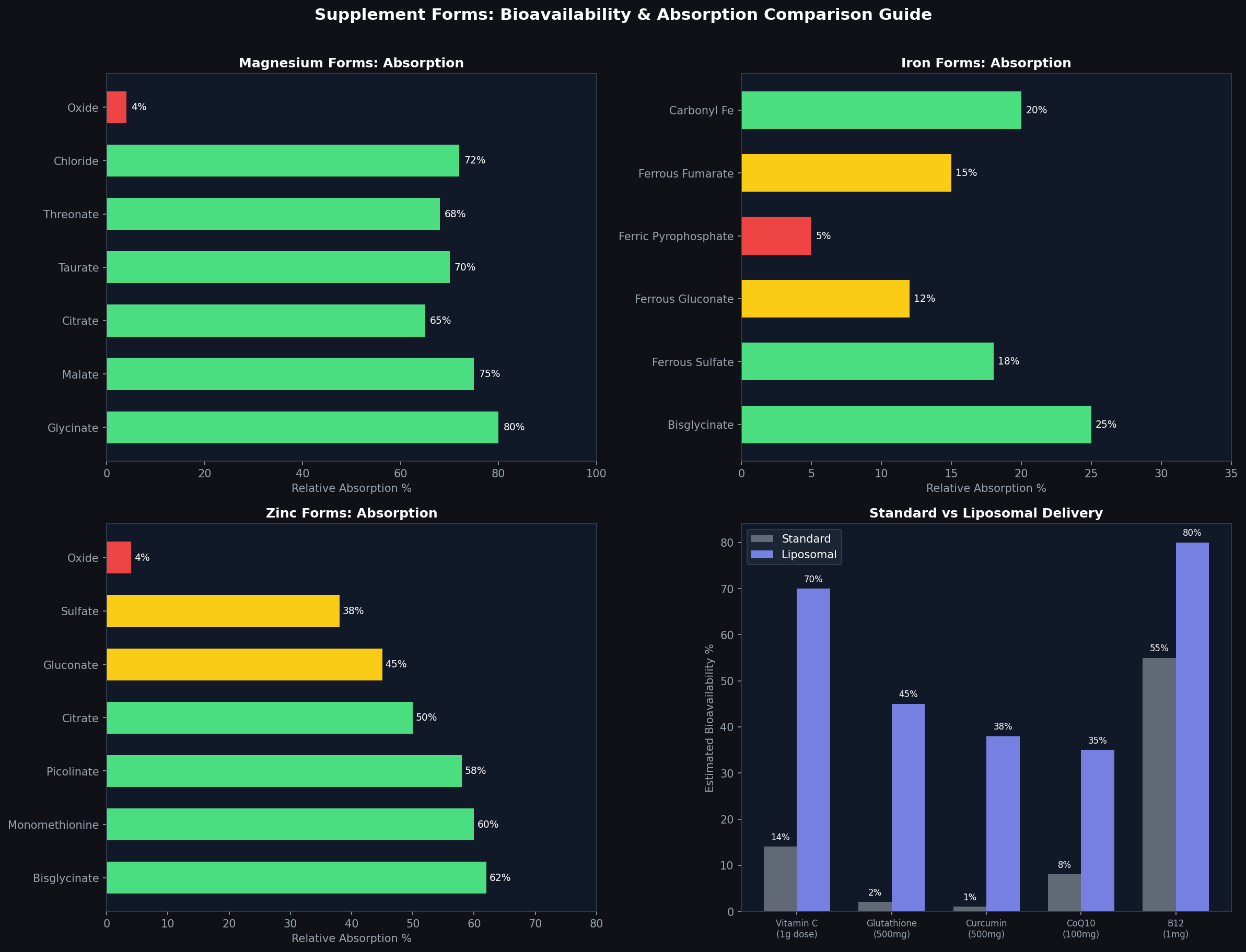
Which form of magnesium is best?
Magnesium glycinate
Often preferred for sleep support because it is generally well tolerated and less likely to cause diarrhea.
Magnesium citrate
Useful if constipation is part of the issue, though it is more likely to loosen stools.
Magnesium oxide
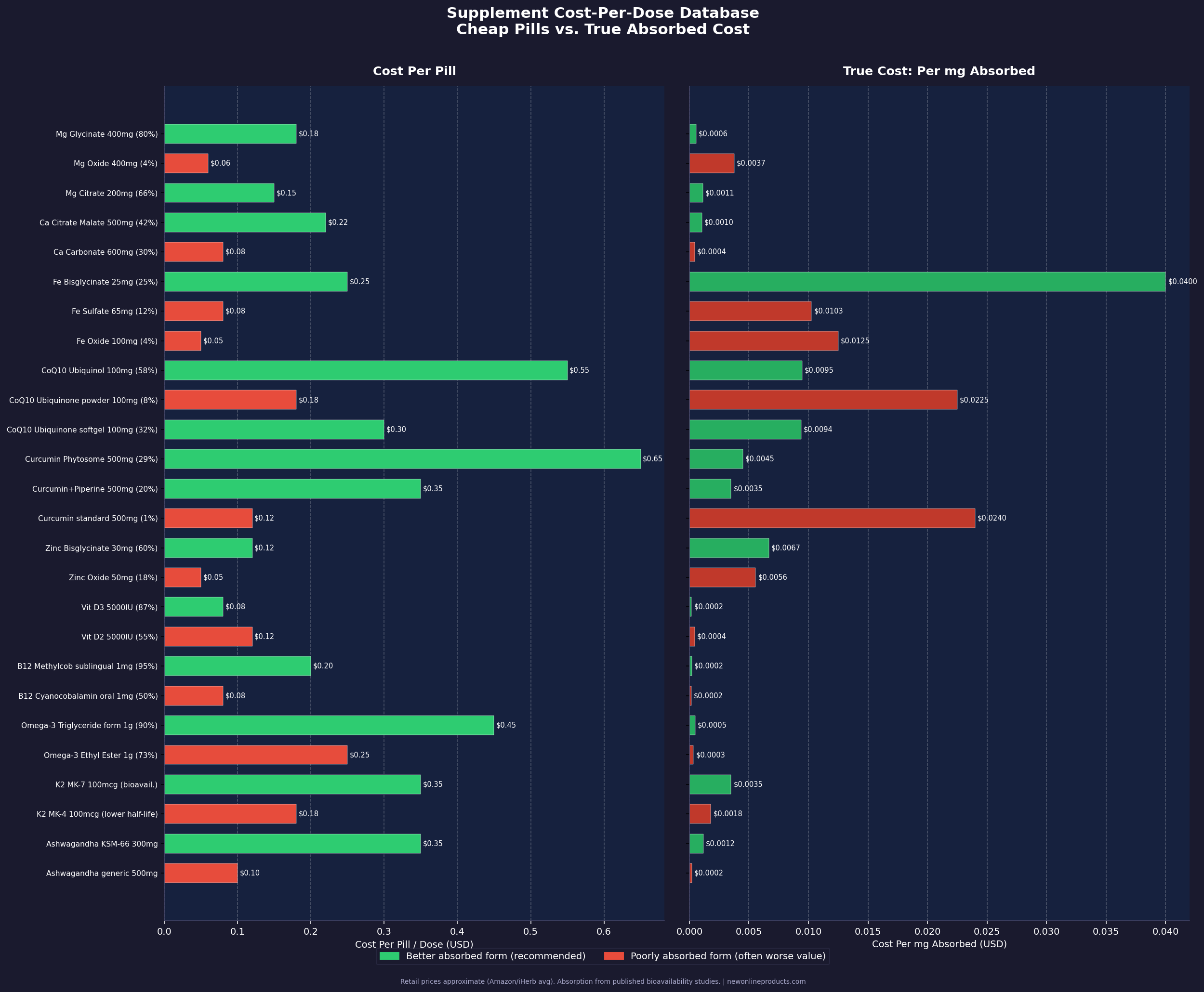
Common and cheap, but often less well absorbed and more likely to be used mainly for laxation.
What magnesium cannot do well on its own
Magnesium does not reliably stop severe hot flashes. It does not replace hormone therapy in women who need hormone therapy. It also does not fix caffeine overload, a chaotic bedtime routine, untreated sleep apnea, or anxiety disorders.
That does not make it useless. It just means expectations should stay realistic.
How to use magnesium for sleep in perimenopause
Keep it simple
- choose one form, usually glycinate
- take it consistently in the evening
- give it at least 1 to 2 weeks
Support it with basics
- cooler sleep environment
- regular wake time
- reduced alcohol close to bedtime
- less late caffeine
- light exposure in the morning
Those boring basics often do as much as the supplement.
Who is most likely to benefit?
Good fit
- women with mild sleep disruption
- women with stress, muscle tension, or constipation in the mix
- women building a sensible menopause foundation stack
Less ideal fit
- women with severe insomnia driven by major night sweats or mood disorder
- women expecting magnesium to work like a sedative
Key Takeaways
- Magnesium activates GABA receptors in the brain, promoting calm and facilitating sleep onset.
- Declining estrogen during perimenopause reduces magnesium retention, making deficiency more likely.
- Magnesium glycinate is preferred for sleep—better absorbed and less likely to cause digestive upset than other forms.
- Dose: 300–400 mg taken 1–2 hours before bed for sleep support.
- Benefits extend beyond sleep: magnesium may also reduce nighttime hot flashes and muscle cramps.
- Allow 2–4 weeks of consistent use before evaluating whether magnesium is helping sleep quality.
Why Perimenopause Disrupts Sleep
Sleep disruption is one of the most commonly reported symptoms of perimenopause, affecting up to 60% of women during the transition. Multiple mechanisms are at work simultaneously: hot flashes and night sweats wake women up multiple times per night; fluctuating estrogen and progesterone directly affect sleep architecture; declining progesterone (which has GABA-modulating properties) removes a natural sedative effect; and increased anxiety—common in perimenopause—raises cortisol and delays sleep onset.
How Magnesium Addresses Sleep in This Context
Magnesium plays multiple roles in sleep regulation. It activates GABA (gamma-aminobutyric acid) receptors in the brain—GABA is the primary inhibitory neurotransmitter that quiets the nervous system. It reduces cortisol and norepinephrine activity, lowering physiological arousal. It is a cofactor for serotonin-to-melatonin conversion, supporting the natural sleep hormone. It relaxes smooth and skeletal muscle, which can reduce nighttime cramping—another common perimenopausal sleep disruptor.
Why Perimenopausal Women Are at Higher Deficiency Risk
Estrogen enhances magnesium retention and cellular uptake. As estrogen declines, magnesium retention decreases, and dietary magnesium may be less efficiently utilized. Most Western adults already fall short of the recommended 320–420 mg/day from diet alone. Stress (elevated in perimenopause) further depletes magnesium through urinary losses. The combination creates a context where supplementation is often warranted.
Choosing the Right Magnesium Form for Sleep
Magnesium glycinate is the preferred form for sleep support—glycine is itself a calming amino acid that contributes to sleep quality. The glycinate form has high bioavailability and minimal digestive side effects. Magnesium threonate is an alternative with emerging evidence for crossing the blood-brain barrier more effectively—it is used in some cognitive-focused protocols. Magnesium oxide and sulfate are poorly absorbed and more likely to cause loose stools, making them poor choices for sleep-focused supplementation.
Building a Perimenopausal Sleep Stack
Magnesium glycinate works well as a foundation for perimenopausal sleep support. It can be combined safely with low-dose melatonin (0.5–1 mg) for sleep onset, and with apigenin (50 mg from chamomile extract) for additional GABA-modulating support. Black cohosh for hot flash reduction addresses another major sleep disruptor. These can be taken together without meaningful interaction concerns for most women.
Frequently Asked Questions
Does magnesium help sleep in perimenopause?
It may help some women, especially when sleep issues overlap with stress, tension, or low magnesium intake.
What type of magnesium is best for perimenopause sleep?
Magnesium glycinate is often the most practical starting point because it is generally gentle and commonly used for evening support.
Can magnesium help hot flashes?
It may help overall comfort and sleep quality, but it is not one of the strongest evidence-based supplements for hot flashes specifically.
When should I look beyond magnesium?
If you have severe insomnia, significant night sweats, loud snoring, mood symptoms, or symptoms that are worsening, broader evaluation makes sense.
References
- Context-dependent NMDA receptor dysfunction predicts seizure treatment in mice with human GluN1 variant. iScience. 2026. PMID: 41602908.
- Rondanelli M, Opizzi A, Monteferrario F. The effect of melatonin, magnesium, and zinc on primary insomnia in long-term care facility residents in Italy: a double-blind, placebo-controlled clinical trial. J Am Geriatr Soc. 2011.
- National Institutes of Health Office of Dietary Supplements. Magnesium Fact Sheet for Health Professionals.
- (2022). The 2022 hormone therapy position statement of The North American Menopause Society. Menopause (New York, N.Y.). PMID: 35797481.
- Wienecke T, et al. Magnesium in disease prevention and overall health. Adv Chronic Kidney Dis. 2018.
This article is informational only and is not medical advice. Persistent insomnia, significant mood changes, sleep apnea symptoms, or heavy bleeding deserve proper medical care.
Related Articles
- Complete Guide to Menopause Supplements in 2026
- Supplements for Menopause Belly Fat
- Creatine for Menopausal Women
- Glycine vs Collagen for Sleep and Recovery
- Best Magnesium Supplements in 2026
Sources
- National Institutes of Health Office of Dietary Supplements. Magnesium fact sheet for health professionals.
- Systematic reviews on magnesium and sleep quality. PubMed search.
- Reviews on perimenopause and insomnia. PubMed search.
- Reviews on magnesium glycinate and sleep support. PubMed search.
- Reviews on magnesium supplementation during menopause. PubMed search.
📚 Part of our Complete Guide to Menopause Supplements hub. Explore all our menopause supplement evidence reviews.
📚 Part of our Best Magnesium Supplements in 2026 hub. Explore all our magnesium guides.