The Complete Guide to Supplements for GLP-1 and Ozempic Users in 2026
What You Actually Need to Supplement When You’re on Ozempic, Mounjaro, or Any GLP-1 Med
You started a GLP-1 medication and the weight is coming off — sometimes faster than you expected. What nobody warned you about is what can come off with it: muscle mass, hair, electrolytes, and a host of micronutrients your body needs to stay functional during the weight loss process. The good news is that smart supplementation during GLP-1 therapy is genuinely achievable and evidence-grounded. The frustrating part is sorting through the noise to figure out what actually matters versus what’s just capitalizing on the GLP-1 supplement trend.
This is the full picture, built from what the research actually shows about nutrient needs during significant caloric restriction and rapid weight loss — the conditions GLP-1 medications create.
Quick Answer: The most important supplements for GLP-1 users are protein (often 100–150g/day total, supplement as needed to hit that target), electrolytes (sodium, potassium, magnesium), a high-quality multivitamin, and fiber. Muscle preservation is the single highest-stakes concern — losing significant lean mass during GLP-1 weight loss undermines both metabolic health and long-term weight maintenance. Most other “GLP-1 support” supplements are either general nutritional insurance or speculative. Get the fundamentals right first.
Why GLP-1 Medications Create Unique Nutritional Challenges

GLP-1 receptor agonists — including semaglutide (Ozempic, Wegovy), tirzepatide (Mounjaro, Zepbound), and the emerging retatrutide — work partly by dramatically suppressing appetite and slowing gastric emptying. The result is that many users find themselves eating 30–60% fewer calories than before, sometimes with very little hunger or interest in food.
This is powerful for weight loss. It also creates a nutritional environment that’s functionally similar to a medically supervised very low calorie diet (VLCD) — with similar risks if you don’t pay attention to nutrient density.
The clinical trials make the magnitude clear. The STEP 1 trial of semaglutide (Wilding et al., NEJM, 2021) showed average weight loss of 14.9% of body weight over 68 weeks. The SURMOUNT-1 trial of tirzepatide (Jastreboff et al., NEJM, 2022) showed 20.9% weight loss at the highest dose. These are large, rapid losses — far beyond what typical dieting produces.
Rapid, significant weight loss creates specific nutritional challenges that aren’t unique to GLP-1 drugs but are magnified by how much and how quickly weight comes off:
Reduced total intake means reduced total nutrients. When you eat 1,200 calories instead of 2,200, you’re not just eating less food — you’re consuming fewer vitamins, minerals, amino acids, and electrolytes across the board. Unless you’re eating extremely nutrient-dense food at every meal (most people aren’t), supplementation becomes necessary rather than optional.
Protein becomes more critical during weight loss, not less. This is a fundamental principle of body composition: to preserve lean mass while losing fat, you need adequate dietary protein combined with resistance training. When appetite is suppressed and food volume is low, hitting protein targets from diet alone becomes genuinely difficult.
Fluid shifts and reduced intake affect electrolytes. As glycogen stores deplete during caloric restriction, water is released (roughly 3–4 grams of water are stored with each gram of glycogen), taking electrolytes with it. Reduced food intake also reduces dietary electrolyte intake. Nausea — a very common GLP-1 side effect — further reduces what people can eat and drink.
GI motility changes can affect absorption. GLP-1 slows gastric emptying, which affects how nutrients are absorbed. While this generally isn’t dramatic enough to cause severe deficiencies on its own, it’s worth knowing that the GI environment is altered.
The Muscle Problem: Why This Is the Central Issue
When GLP-1 clinical trials have reported body composition data, the findings have been somewhat concerning: a meaningful portion of weight loss on GLP-1 medications appears to come from lean mass, not just fat.
Analysis of the STEP 1 trial using dual-energy X-ray absorptiometry (DEXA) body composition data showed that approximately 39% of weight lost was lean mass — a proportion higher than what’s typically seen with diet alone in studies that emphasize protein and resistance training (Wilding et al., NEJM, 2021). The SURMOUNT-1 data told a similar story.
This matters for multiple reasons. Lean mass — primarily muscle — is your primary metabolic tissue. Losing significant muscle during weight loss:
- Reduces resting metabolic rate, making weight maintenance harder
- Impairs glucose disposal (muscle is the primary site for glucose uptake)
- Increases functional limitations, particularly in older adults
- Contributes to the “skinny fat” body composition phenomenon some GLP-1 users report
The interventions most supported by evidence for preserving muscle during weight loss are resistance training and adequate protein intake. Supplementation can support both of these, but it cannot replace them.
For a full breakdown of the muscle preservation research and specific supplement protocols, see: Muscle-Preserving Supplements During GLP-1 Weight Loss and Lean Mass Support While Taking Semaglutide.
Protein: The Most Important Supplement Category for GLP-1 Users
This deserves extended treatment because it’s that important.
The general recommendation for protein intake during weight loss to preserve lean mass is approximately 1.2–1.6 grams per kilogram of body weight per day, with some research suggesting benefits from protein supplementation continue up to approximately 1.6 g/kg in the context of resistance training (Morton et al., British Journal of Sports Medicine, 2018); higher targets (up to 2.0 g/kg) may be warranted during aggressive caloric restriction, though evidence is from different study populations. For a 200-pound (90 kg) person, that’s 108–180 grams of protein per day.
When GLP-1 suppresses appetite enough that you’re struggling to eat 1,200 calories total, hitting 120–140 grams of protein from whole food sources is extremely difficult. A 6-oz chicken breast provides roughly 40 grams. Three eggs provide about 18 grams. You’d need to eat very intentionally and primarily protein-focused foods at every meal.
This is where protein supplementation becomes not just convenient but genuinely important. Whey protein isolate remains the most studied form — highly bioavailable, complete amino acid profile, rapid absorption. For those who don’t tolerate dairy, pea protein and rice protein blends have shown comparable results for muscle protein synthesis in some studies (van Vliet et al., Journal of Nutrition, 2015). Casein protein, absorbed more slowly, may be particularly valuable as a bedtime supplement to reduce overnight muscle protein breakdown.
The practical strategy: prioritize whole food protein at meals, and use protein shakes or powders to close the gap. Liquid protein is often better tolerated on GLP-1 medications than large amounts of solid food, particularly early in treatment when nausea is most common.
For specific protein supplement options and dosing guidance, see: Protein Supplements for Ozempic Users
Electrolytes: Underestimated and Often the First Problem
The nausea, fatigue, brain fog, and muscle cramps that many GLP-1 users experience in the first weeks of treatment are often misattributed entirely to the medication. While the medication does cause nausea directly, electrolyte depletion — specifically sodium, potassium, and magnesium — contributes to and worsens many of these symptoms.
Sodium often gets the most attention in the context of low-carb diets (glycogen loss causes sodium excretion), but potassium and magnesium are equally important and often more depleted with reduced food intake.
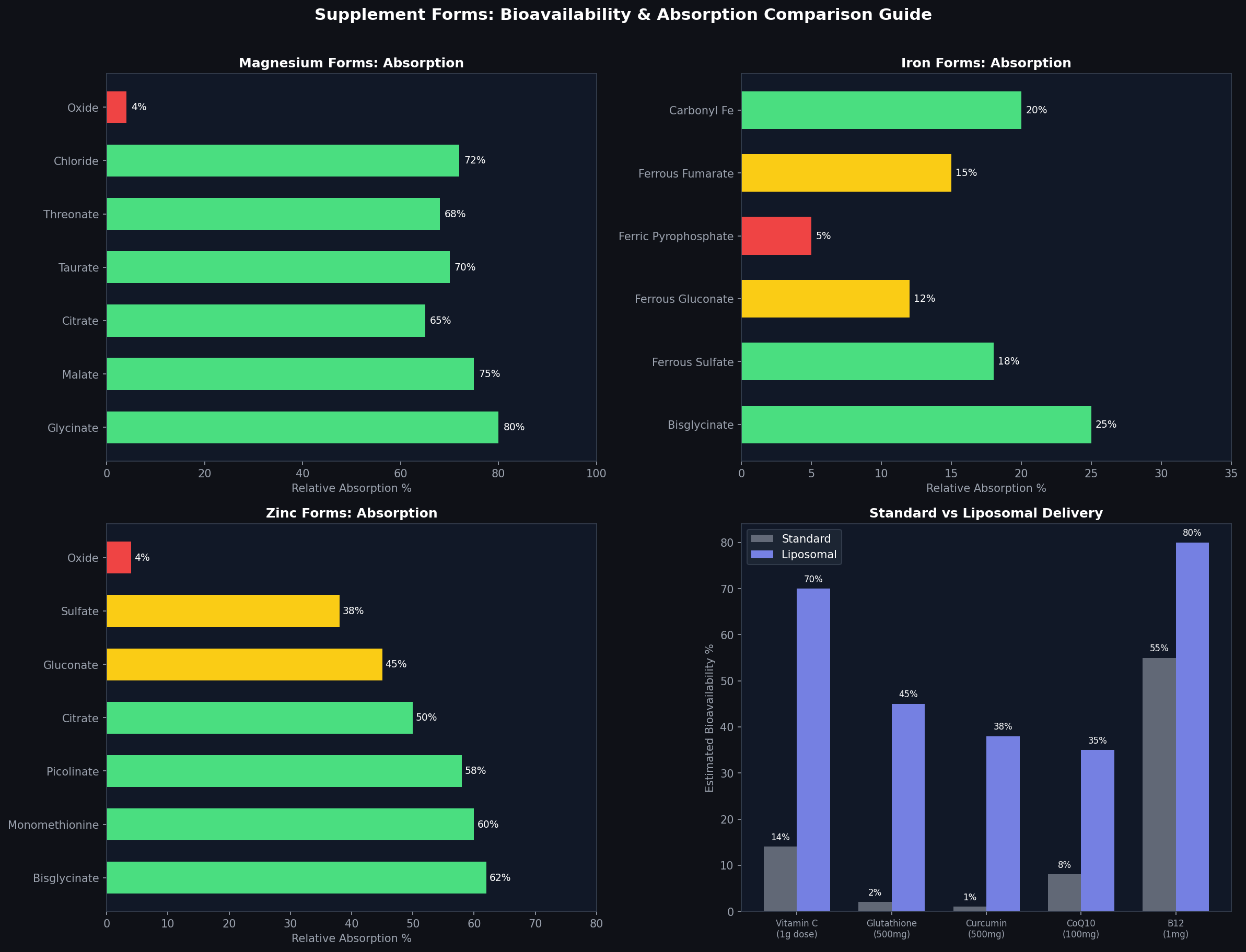
Magnesium is particularly worth calling out. It’s a cofactor in over 300 enzymatic reactions, involved in muscle function, nerve signaling, sleep quality, and energy metabolism. Dietary surveys consistently find that roughly 45–50% of Americans don’t meet the RDA for magnesium even without caloric restriction (Rosanoff et al., Nutrition Reviews, 2012). When you’re eating significantly less food, magnesium intake drops further. Symptoms of magnesium insufficiency — muscle cramps, poor sleep, anxiety, constipation — overlap substantially with common GLP-1 side effects and could easily be mistaken as medication effects alone.
For sodium on GLP-1 medications with reduced intake: adding salt to food intentionally, using electrolyte drinks, or adding a pinch of salt to water is often more effective than people expect for reducing fatigue and headaches. This is not cause for concern in people without hypertension.
For a complete electrolyte protocol and how to manage GLP-1-related nausea and dehydration: Electrolytes for GLP-1 Nausea and Dehydration
Fiber: Supporting GI Health and Satiety on Reduced Calories
GLP-1 medications significantly slow gastric motility. While this contributes to satiety, it also means that constipation is one of the most common and persistent side effects — reported by roughly 24% of semaglutide users in clinical trials (Wilding et al., NEJM, 2021).
Dietary fiber intake typically decreases when overall food volume decreases. Most Americans already fall well short of the 25–38g/day fiber recommendations without caloric restriction. On GLP-1 medications, hitting fiber targets from food alone becomes even harder.
Soluble fiber supplementation — psyllium husk being the most studied and practical — addresses multiple concerns simultaneously: it softens stool and promotes regularity, supports gut microbiome diversity, and provides a modest additional satiety effect. Inulin and partially hydrolyzed guar gum (PHGG) are other well-tolerated options for those who experience bloating from psyllium.
A practical approach: 5–10g of psyllium husk in water or mixed into a protein shake once or twice daily. Start low and increase gradually — introducing high-dose fiber suddenly can cause bloating and gas, which is the last thing someone managing GLP-1 nausea needs.
Timing matters: don’t take fiber supplements at the same time as other medications, as soluble fiber can reduce absorption. Space it at least two hours from medications.
For a detailed fiber protocol: Fiber Support While on GLP-1 Medications and Constipation Support for GLP-1 Users
The Daily Vitamin Stack: What You Actually Need
When eating significantly less food, a high-quality multivitamin becomes standard nutritional insurance rather than optional. This isn’t about filling gaps created specifically by GLP-1 medications — it’s about covering the gaps created by eating 30–50% less food than before.
Key micronutrients to pay particular attention to:
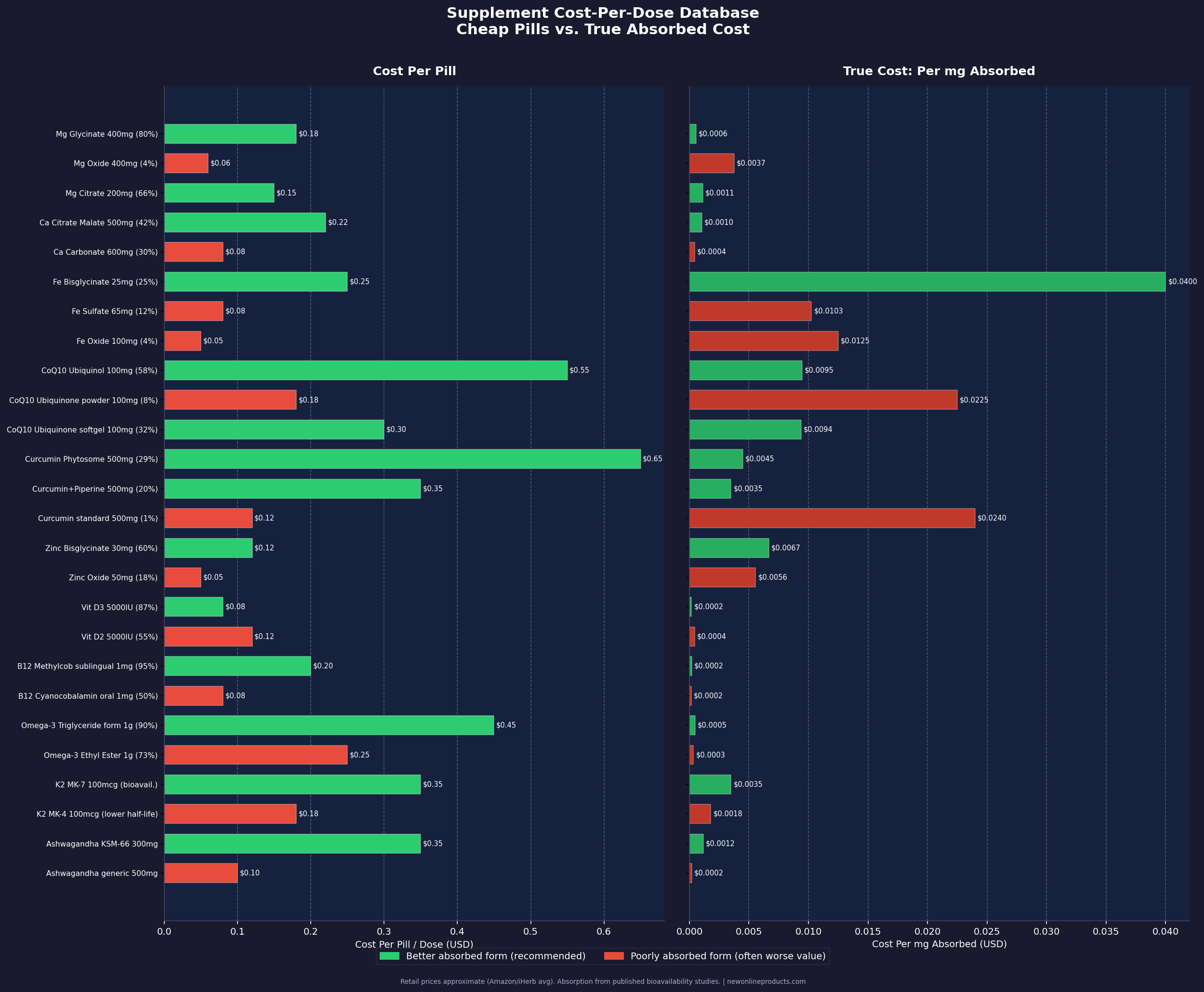
Iron deserves mention because iron deficiency is common in women of reproductive age to begin with, and reduced food intake can worsen it. Fatigue on GLP-1 medications is sometimes iron deficiency rather than (or in addition to) the expected metabolic adjustment.
B12 is concentrated in animal foods, and people who reduce meat intake substantially — which many GLP-1 users do, as red meat and chicken often become aversive — can see B12 levels decline. Sublingual or methylcobalamin forms are better absorbed than cyanocobalamin for people with MTHFR gene variants.
Zinc is involved in appetite regulation, wound healing, immune function, and testosterone production. It’s found primarily in meat, shellfish, and legumes — foods that may be reduced or avoided during GLP-1 therapy due to nausea or food aversions.
Vitamin D — covered in depth in our companion hub — is commonly insufficient at baseline and won’t be adequately supplied by a multivitamin alone at therapeutic doses. Separate supplementation is usually warranted.
For a comprehensive daily vitamin protocol: Daily Vitamin Stack for GLP-1 Users
Hair Loss: Real, Temporary, and Nutritionally Addressable
Telogen effluvium — stress-induced hair shedding — is a well-documented response to rapid significant weight loss and caloric restriction, regardless of the method. GLP-1-driven weight loss is no exception. In the STEP and SURMOUNT trials, hair loss was reported by approximately 3–11% of participants, with the incidence increasing at higher doses (Jastreboff et al., NEJM, 2022).
The biology: physical and metabolic stress causes a larger-than-normal proportion of hair follicles to enter the telogen (resting) phase simultaneously. Hair then sheds 2–4 months later when those follicles are replaced, creating the appearance of significant loss. It’s typically temporary — most people see improvement 6–12 months after weight loss stabilizes.
Nutritional factors that may worsen telogen effluvium include protein deficiency, iron deficiency, zinc deficiency, and biotin deficiency. Of these, protein is most important, and inadequate protein intake is plausible on GLP-1 medications without intentional attention to it. Whether supplementing specific nutrients above adequate levels prevents or accelerates recovery from telogen effluvium isn’t well-established in trials.
Biotin is widely marketed for hair loss, but biotin deficiency is rare and the evidence for biotin supplementation for non-deficient hair loss is weak. Ensuring adequate protein, iron, and zinc is more defensible from an evidence standpoint.
For a full breakdown: Hair Loss Support While on GLP-1 Meds
The Emerging Options: What Newer Research Suggests
Beyond the core stack of protein, electrolytes, fiber, and a multivitamin, a few other supplements have enough evidence to warrant discussion:
Creatine
Creatine monohydrate is one of the best-studied supplements in existence for preserving and building muscle mass, with particular evidence in older adults. It works by replenishing phosphocreatine stores in muscle, supporting short-burst exercise performance and recovery. While specific trials in GLP-1 users are limited, the broader evidence base for creatine in preserving lean mass during caloric restriction is supportive enough that many sports nutrition researchers and physicians recommend it for GLP-1 users doing resistance training (Devries & Phillips, Medicine & Science in Sports & Exercise, 2014). A dose of 3–5g/day of creatine monohydrate is inexpensive, safe, and well-tolerated by most people.
Omega-3 Fatty Acids
Omega-3s (EPA and DHA from fish oil) have an anti-inflammatory effect and emerging evidence for supporting muscle protein synthesis, particularly when combined with resistance training and adequate protein. The VITAL trial (Manson et al., NEJM, 2019) found a non-significant trend toward fewer cardiovascular events with omega-3 supplementation (HR 0.92, 95% CI 0.80–1.06; the primary composite cardiovascular endpoint was not significantly reduced), though secondary analyses suggested a possible signal for myocardial infarction reduction. For GLP-1 users, omega-3s may help address the inflammatory component of obesity-related metabolic dysfunction that persists even as weight is lost. A dose of 1–2g/day of combined EPA+DHA is reasonable; look for supplements that disclose total EPA and DHA content rather than just “fish oil” weight.
Berberine and Blood Sugar Support
Berberine is sometimes called “nature’s metformin” and has genuine evidence for blood sugar regulation (Yin et al., Metabolism, 2008). However, for people already on GLP-1 therapy — which itself significantly improves blood sugar control — the additive value of berberine is uncertain, and combining it with GLP-1 medication could theoretically over-lower blood sugar. If you’re interested in berberine, discuss it with your prescribing physician, especially if you’re also taking insulin or other glucose-lowering drugs.
For complete supplement stack recommendations: Best Supplement Stacks for Ozempic and Mounjaro and Best GLP-1 Companion Stacks for Muscle, Micronutrients, and GI Support
Managing Nausea: Practical Supplement Approaches
Nausea is the most common reason people reduce or discontinue GLP-1 medications, particularly in the dose-escalation phase. While it’s primarily a pharmacological effect of the medication, several supplements have evidence for reducing nausea severity:
Ginger has reasonable trial evidence for reducing nausea across multiple contexts (chemotherapy, pregnancy, postoperative). Studies using 1–2g of standardized ginger extract or powdered ginger daily show meaningful reductions in nausea severity (Viljoen et al., Nutrition Journal, 2014). Ginger tea, ginger candies, or capsules can all work — the evidence doesn’t point strongly to one form over another.
Vitamin B6 (pyridoxine) at doses of 10–25mg is used for pregnancy-related nausea with reasonable evidence. Its application to GLP-1-induced nausea is extrapolated rather than directly studied, but it’s safe at these doses and worth trying.
Magnesium glycinate (not oxide, which can worsen GI symptoms) may help with the GI discomfort that often accompanies nausea, particularly constipation and cramping.
The most important practical advice: take GLP-1 medications with food, stay hydrated, eat small amounts slowly, and avoid high-fat foods that slow gastric emptying further (the medication already does this). No supplement replaces these basic behavioral strategies.
What Doesn’t Have Good Evidence
Intellectual honesty requires saying what doesn’t hold up:
“GLP-1 boosting” herbal supplements — marketed as natural semaglutide alternatives — don’t have credible evidence for meaningful GLP-1 receptor agonism. Berberine, bitter melon, and various herbal blends may have modest metabolic effects through other pathways, but they’re not doing what GLP-1 medications do.
Detox and liver support supplements marketed to GLP-1 users exploit concern about fatty liver without credible evidence that silymarin, dandelion, or similar ingredients meaningfully address the metabolic changes of rapid weight loss.
Specialized probiotic blends marketed for “GLP-1 optimization” are ahead of the science. The gut microbiome does interact with GLP-1 signaling, and general probiotic supplementation may have modest health benefits, but there’s no established specific probiotic protocol for GLP-1 users as of 2026.
A general principle: if a supplement’s marketing is primarily about GLP-1 medications rather than well-established mechanisms in nutrition science, raise your skepticism proportionally.
For a curated list of what’s worth taking: Best Supplements to Take While on GLP-1 Meds and Best GLP-1 Companion Supplements in 2026
What Retatrutide and Triple Agonists Mean for Supplement Needs
Retatrutide, the first triple agonist acting on GLP-1, GIP, and glucagon receptors simultaneously, showed weight loss of 22–24% of body weight in Phase 2 trials (Jastreboff et al., NEJM, 2023) — greater than either semaglutide or tirzepatide. More powerful weight loss means more aggressive caloric restriction, more rapid lean mass loss risk, and greater electrolyte depletion. The supplement principles are the same but the urgency is higher. For more on retatrutide specifically: Retatrutide 2026: The Triple Agonist GLP-1 Drug
Frequently Asked Questions
Do I need supplements before I start a GLP-1 medication?
Getting baseline blood work done before starting — including a metabolic panel, CBC, and ideally ferritin, B12, and vitamin D — gives you a useful baseline. It helps distinguish between GLP-1 side effects and pre-existing nutritional issues once symptoms emerge. Starting with a daily multivitamin and focusing on protein intake from day one is reasonable regardless of what labs show.
Can I take all of these supplements at once?
Most of them are compatible, but timing and stacking matter. Take electrolytes throughout the day rather than in one dose. Take fiber separately from medications. Take fat-soluble vitamins (D, K) with meals containing fat. Avoid taking iron and calcium together as they compete for absorption. Most people do well building up to a full stack over 2–4 weeks rather than starting everything simultaneously.
Will supplements prevent the muscle loss on GLP-1s?
Supplements help, but resistance training is more important. Studies on caloric restriction consistently show that protein intake plus resistance training preserves significantly more lean mass than protein supplementation alone. If you’re on a GLP-1 medication and not doing some form of resistance training, that’s the first gap to close.
How much protein do I need if I’m on Ozempic?
Aim for at least 1.2–1.6 grams per kilogram of your target body weight (not current weight if you’re significantly above goal) per day, or a simpler approximation of 0.7g per pound of target body weight. For many GLP-1 users this means 100–140g/day. Prioritize whole food sources and supplement the rest.
My appetite is so suppressed I can barely eat — how do I get enough nutrients?
Focus on nutrient density per bite rather than volume. Protein shakes, greek yogurt, eggs, and small amounts of fatty fish give you the most nutritional return per calorie. Liquid meals are often better tolerated when nausea is present. A comprehensive multivitamin becomes especially important when total food volume is very low. If you genuinely cannot meet protein needs, notify your prescribing provider — they may adjust your dose or titration schedule.
Is there an appetite support supplement worth trying?
Some people find that 5-HTP (a serotonin precursor) or L-theanine helps with the psychological aspects of eating less and occasional rebound cravings. These have limited trial evidence specifically for GLP-1 users but reasonable safety profiles at standard doses. For a deeper look: Best GLP-1 Supplement Stack for Appetite Support
Sources
- Wilding JPH, Batterham RL, Calanna S, et al. Once-weekly semaglutide in adults with overweight or obesity. New England Journal of Medicine. 2021;384(11):989–1002.
- Jastreboff AM, Aronne LJ, Ahmad NN, et al. Tirzepatide once weekly for the treatment of obesity. New England Journal of Medicine. 2022;387(3):205–216.
- Jastreboff AM, Kaplan LM, Frías JP, et al. Triple-hormone-receptor agonist retatrutide for obesity — a phase 2 trial. New England Journal of Medicine. 2023;389(6):514–526.
- Morton RW, Murphy KT, McKellar SR, et al. A systematic review, meta-analysis and meta-regression of the effect of protein supplementation on resistance training-induced gains in muscle mass and strength. British Journal of Sports Medicine. 2018;52(6):376–384.
- van Vliet S, Burd NA, van Loon LJC. The skeletal muscle anabolic response to plant- versus animal-based protein consumption. Journal of Nutrition. 2015;145(9):1981–1991.
- Devries MC, Phillips SM. Creatine supplementation during resistance training in older adults — a meta-analysis. Medicine & Science in Sports & Exercise. 2014;46(6):1194–1203.
- Rosanoff A, Weaver CM, Rude RK. Suboptimal magnesium status in the United States: are the health consequences underestimated? Nutrition Reviews. 2012;70(3):153–164.
- Viljoen E, Visser J, Koen N, Musekiwa A. A systematic review and meta-analysis of the effect and safety of ginger in the treatment of pregnancy-associated nausea and vomiting. Nutrition Journal. 2014;13:20.
- Yin J, Xing H, Ye J. Efficacy of berberine in patients with type 2 diabetes mellitus. Metabolism. 2008;57(5):712–717.
- Manson JE, Cook NR, Lee IM, et al. Marine n-3 fatty acids and prevention of cardiovascular disease and cancer. New England Journal of Medicine. 2019;380(1):23–32.
- Apovian CM, Aronne LJ, Bessesen DH, et al. Pharmacological management of obesity: an Endocrine Society Clinical Practice Guideline. Journal of Clinical Endocrinology & Metabolism. 2015;100(2):342–362.
Related Articles
- Best GLP-1 Companion Stacks for Muscle, Micronutrients, and GI Support
- Retatrutide 2026: The Triple Agonist GLP-1 Drug
- Best Supplement Stacks for Ozempic and Mounjaro
- Best GLP-1 Companion Supplements in 2026
- Best Supplements to Take While on GLP-1 Meds
- Electrolytes for GLP-1 Nausea and Dehydration
- Fiber Support While on GLP-1 Medications
- Muscle-Preserving Supplements During GLP-1 Weight Loss
- Protein Supplements for Ozempic Users
- Best GLP-1 Supplement Stack for Appetite Support
- Constipation Support for GLP-1 Users
- Daily Vitamin Stack for GLP-1 Users
- Hair Loss Support While on GLP-1 Meds
- Lean Mass Support While Taking Semaglutide