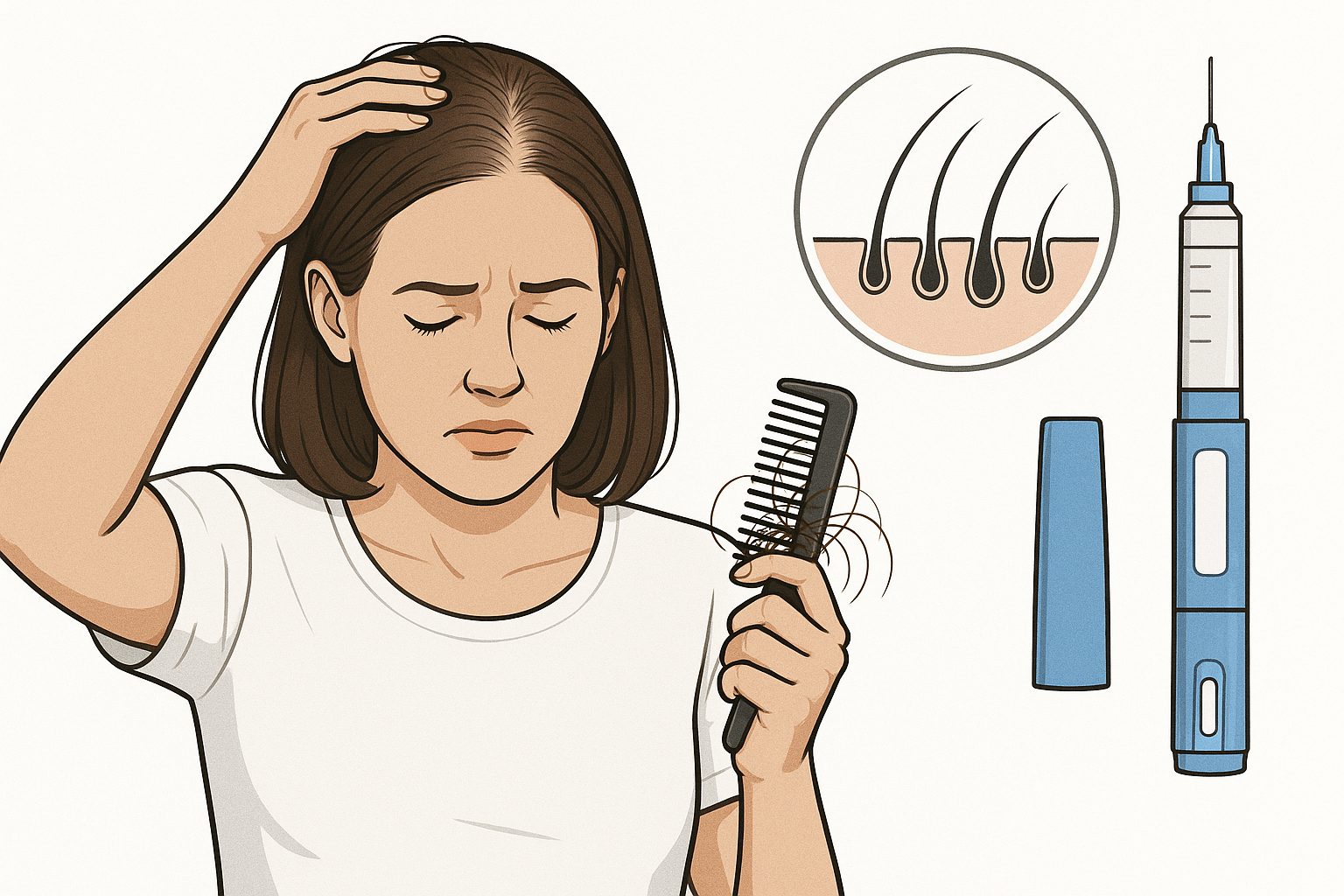
Hair shedding during rapid weight loss is frustrating, but it is common enough that it deserves a calm explanation instead of panic buying. When people notice thinning while using GLP-1 medications, the drug itself is not always the direct culprit. More often, the issue is the combination of rapid weight loss, lower protein intake, and nutrient shortfalls.
Quick Answer
Telogen effluvium – diffuse hair shedding – is a recognized consequence of rapid weight loss on GLP-1 medications, occurring in roughly 3% of clinical trial participants but likely higher in real-world rapid losers. The mechanism is nutritional stress: caloric and protein restriction during weight loss signals hair follicles (a high-metabolic-rate tissue) to prematurely enter the telogen (resting/shedding) phase. Hair loss typically peaks at 3-6 months post weight loss initiation and is self-limiting – but adequate protein, iron, zinc, biotin, and caloric intake can significantly reduce severity and duration.
Key Takeaways
- Telogen effluvium from weight loss is temporary and self-limiting – once the body adapts to the new setpoint and nutritional intake stabilizes, anagen (growth phase) re-entry typically begins within 3-6 months of the hair loss peak.
- Protein is the most critical nutritional factor – hair is almost entirely keratin. GLP-1 users should target 1.2-1.6 g protein per kg of ideal body weight daily; at 800-1200 calorie intakes, this typically requires protein supplementation to hit targets.
- Ferritin (stored iron) below 30 ng/mL is independently associated with accelerated telogen effluvium, even without frank anemia – GLP-1 users should check ferritin at 3 and 6 months on therapy, particularly women with heavy menstrual cycles.
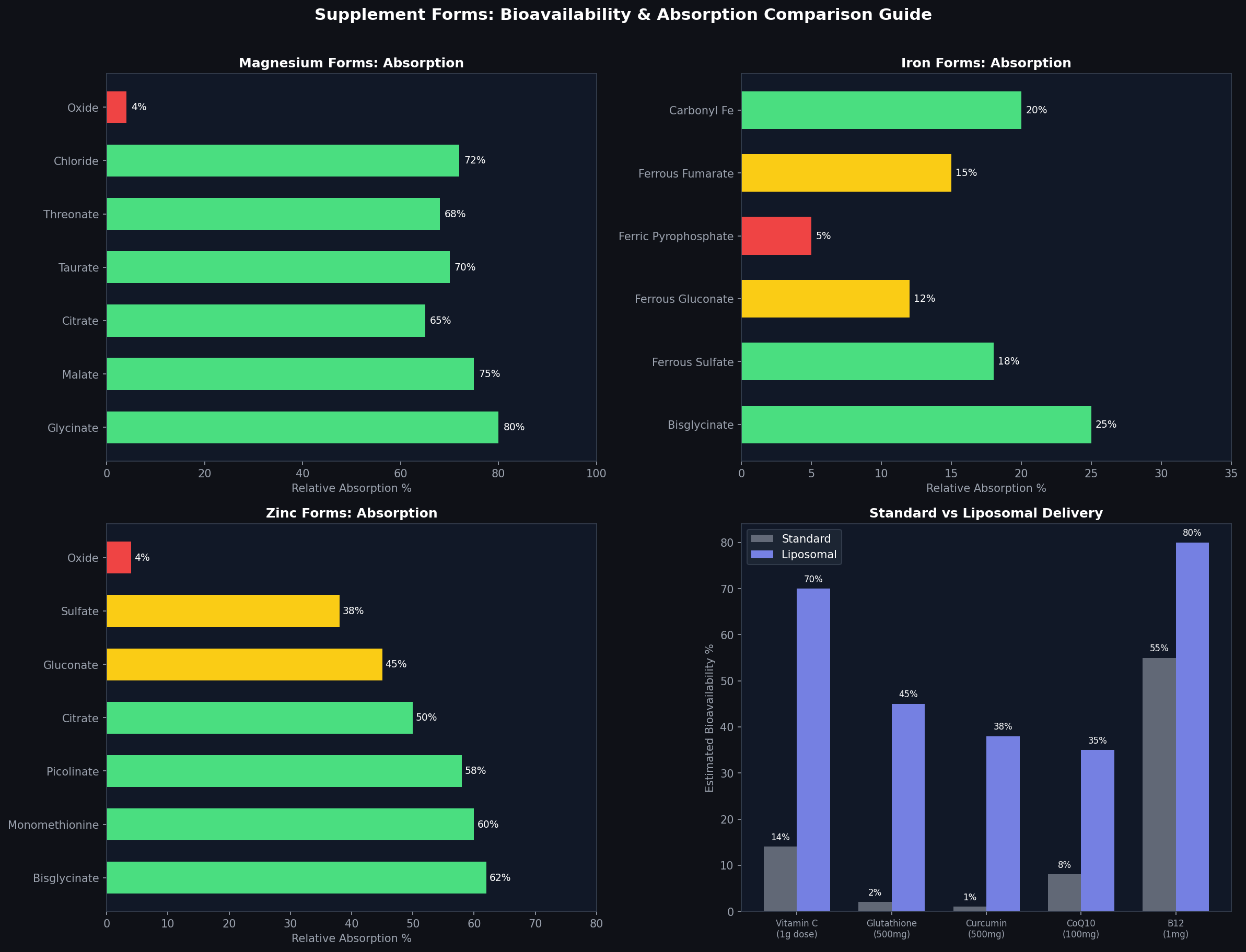
- Zinc deficiency (common in caloric restriction) impairs 5-alpha reductase regulation in the follicle, disrupting the anagen-to-catagen transition and worsening shedding – 15-30 mg elemental zinc daily from zinc picolinate or citrate is a reasonable supportive measure.
- Biotin supplementation (2,500-5,000 mcg/day) is widely used for hair loss support, but evidence for telogen effluvium specifically is limited. It is safe and reasonably priced, but note: high biotin supplementation can interfere with thyroid function test accuracy (falsely elevated T4 values) – inform your physician.
In many cases, what people are seeing looks more like telogen effluvium, a temporary shedding pattern triggered by physiologic stress, than permanent hair loss.
That means the best hair loss support while on GLP-1 meds is usually not exotic. It is protein first, then targeted iron, zinc, vitamin D, and overall nutritional adequacy when indicated.
Why hair shedding can happen on GLP-1 medications
Rapid weight loss stresses the system
Fast fat loss is still a major body change. Hair follicles are sensitive to illness, surgery, stress, and nutritional shifts, and weight loss can be one of those triggers.
Protein intake often falls too low
This is the biggest modifiable factor. Many GLP-1 users simply do not eat enough protein because appetite is low and nausea changes food choices.
Micronutrients may drift downward
Lower food intake can reduce intake of iron, zinc, biotin-containing foods, and other nutrients that matter for healthy hair growth.
The best support stack for hair loss while on GLP-1s
1. Protein
Hair is built from protein, and inadequate protein intake during weight loss is a classic setup for shedding.
Best use
– Prioritize a realistic protein goal
– Use shakes if meals are not enough
– Spread protein over the day
If total intake is too low, adding a fancy hair formula on top is often missing the main problem.
2. Iron
Iron deficiency is one of the most common reversible contributors to hair shedding.
Best use
– Check ferritin, CBC, and iron studies if shedding is significant
– Supplement only when there is evidence of deficiency or low stores
Iron is one of the nutrients most worth testing rather than guessing.
3. Zinc
Zinc plays a role in tissue repair and hair biology, but more is not automatically better.
Best use
– Consider it if diet is poor or a multivitamin is minimal
– Avoid high-dose long-term use without a reason
4. Vitamin D
Low vitamin D is common and may coexist with hair concerns, low energy, or poor nutritional status.
Best use
– Supplement if low or low-sun lifestyle
– Prefer lab-guided dosing when possible
5. A basic multivitamin
This is often enough as a background safety net if meals are inconsistent.
What about biotin?
Biotin is heavily marketed for hair, but true biotin deficiency is uncommon. If your diet is poor, a basic multivitamin may be enough. Huge standalone biotin doses are often oversold and can interfere with some lab tests.
What not to do
– Do not ignore protein intake
– Do not assume the medication itself is the whole problem
– Do not take high-dose iron or zinc blindly
How long does recovery take?
Hair shedding related to telogen effluvium is often delayed by weeks to months after the stressor begins. Improvement can also take time. That means better nutrition today may not produce visible hair improvement tomorrow, but it still matters.
When to get medical evaluation
Talk with a clinician if you have:
– Marked shedding that keeps worsening
– Bald patches rather than diffuse shedding
– Scalp rash or pain
– Signs of anemia or thyroid issues
– Very low calorie intake or trouble eating protein
Bottom line
The best hair loss support while on GLP-1 meds is usually not a glamorous beauty formula. It is an evidence-minded recovery plan built around:
– Adequate protein
– Iron testing and replacement only if needed
– Zinc when appropriate
– Vitamin D if low
– A basic multivitamin for consistency
If you improve the nutrition terrain, hair often has a better chance to recover.
FAQ
Does semaglutide cause hair loss?
It may be associated with hair shedding in some users, but rapid weight loss and reduced nutritional intake are often more likely explanations than a direct toxic effect.
What is the best supplement for hair loss on GLP-1s?
Protein is the most important place to start. Iron, zinc, and vitamin D may also matter, but they are best used based on diet, symptoms, and labs.
Should I take biotin for GLP-1 related hair shedding?
Maybe, but it is often not the main issue. A basic multivitamin and better protein intake are usually more important first steps.
Is hair shedding on GLP-1 meds permanent?
Often no. If it is related to telogen effluvium from rapid weight loss or undernutrition, it is frequently temporary, though recovery takes time.
Related Articles
- Best Supplements to Take While on GLP-1 Meds
- Fiber Support While on GLP-1 Medications: Complete Guide
- Best GLP-1 Companion Supplements
- Lean Mass Support While Taking Semaglutide
- Best Supplements for Skin Health in 2026
Sources
- Patel DP, Swink SM, Castelo-Soccio L. A review of the use of biotin for hair loss. Skin Appendage Disord. 2017;3(3):166-169.
- Li D, Radulescu A, Shrestha RT, et al. Association of biotin ingestion with performance of hormone and nonhormone assays in healthy adults. JAMA. 2017;318(12):1150-1160.
- Institute of Medicine. Dietary Reference Intakes for Thiamin, Riboflavin, Niacin, Vitamin B6, Folate, Vitamin B12, Pantothenic Acid, Biotin, and Choline. National Academies Press.
- Reviews on iron deficiency and its potential relation to hair loss. PubMed search.
- Reviews on zinc status and hair loss. PubMed search.
📚 Part of our Best GLP-1 Companion Supplements hub. Explore all our GLP-1 supplement guides.