A daily vitamin stack can make sense on GLP-1 medications, but not for the reason supplement companies usually pitch it. You do not need a “fat-melting” mega-formula. You need a smart safety net for reduced food intake, inconsistent meals, and common micronutrient shortfalls during weight loss.
Quick Answer
GLP-1 receptor agonists (semaglutide, tirzepatide) produce significant caloric restriction and reduced appetite, often leading to nutrient shortfalls — particularly vitamins B12, D, folate, iron, zinc, magnesium, and calcium — especially in people losing large amounts of weight rapidly. A targeted daily supplement stack for GLP-1 users should address these predictable gaps, support lean mass preservation, and account for reduced food diversity. Most GLP-1 users benefit from: a comprehensive multivitamin, additional vitamin D3/K2, magnesium (particularly for constipation and sleep), omega-3 fatty acids, and protein/leucine support for muscle preservation.
Key Takeaways
- Rapid weight loss from GLP-1 therapy is associated with accelerated loss of lean mass (muscle) alongside fat — supplementing leucine (3 g/day), adequate dietary protein (1.2-1.6 g/kg ideal body weight), and resistance training are the evidence-based combination to minimize muscle loss.
- Vitamin B12 is particularly vulnerable on GLP-1 therapy because reduced caloric intake, lower stomach acid production (often present with obesity), and sometimes metformin co-use all impair B12 absorption — target 1,000 mcg/day sublingual or methylcobalamin to bypass absorption limitations.
- Vitamin D3 (2,000-4,000 IU/day) + K2 (100 mcg MK-7) is an important stack because adipose tissue sequesters vitamin D, and as fat is lost, blood vitamin D may paradoxically rise then normalize. However, many GLP-1 users were deficient at baseline — check serum 25(OH)D before supplementing.
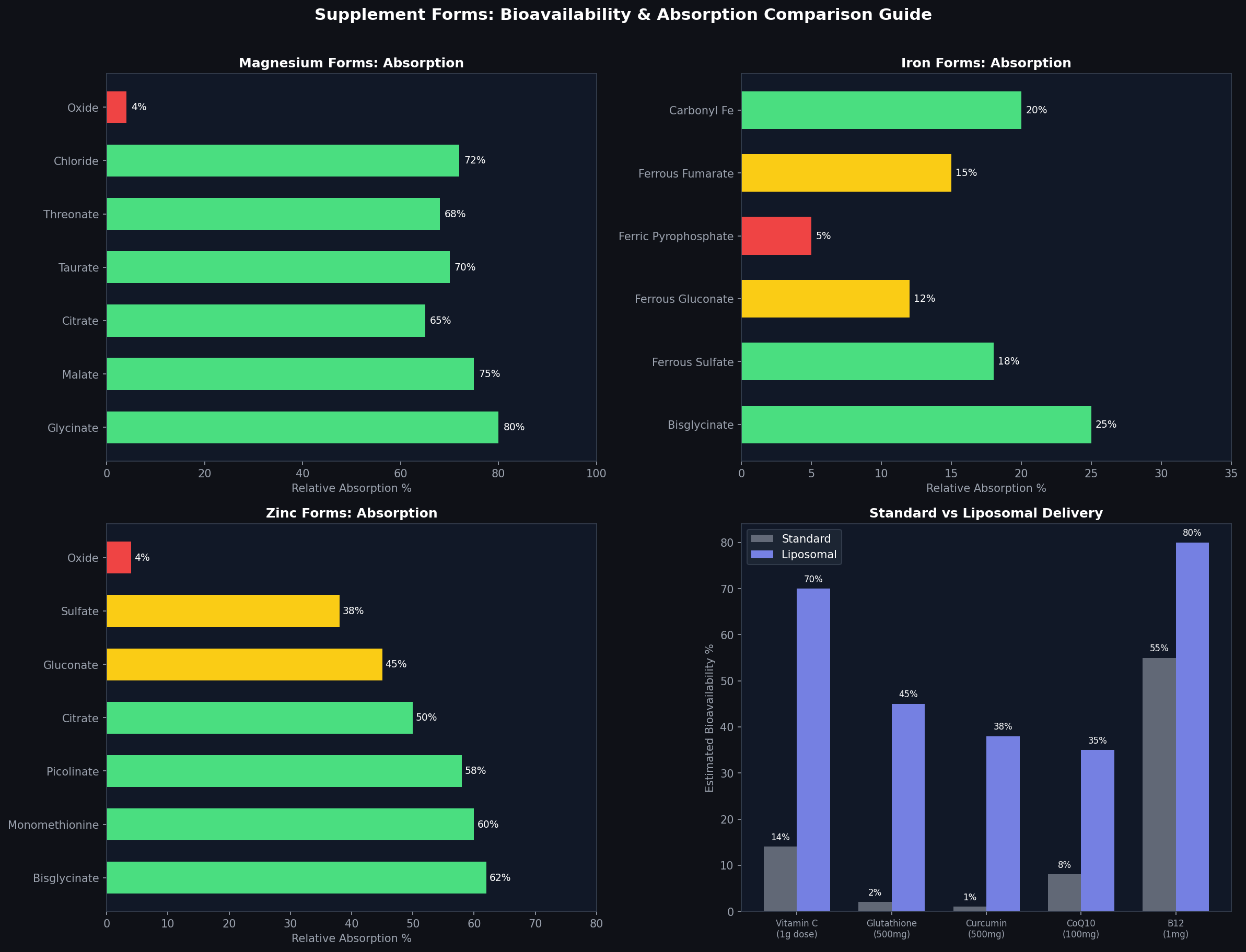
- Magnesium depletion accelerates on caloric restriction — GLP-1-related constipation management often requires magnesium supplementation anyway, making it doubly indicated. Target 300-400 mg elemental magnesium from citrate or glycinate forms, not oxide.
- Omega-3 fatty acids (1-2 g EPA+DHA daily) are important because GLP-1 users often inadvertently reduce fatty fish consumption along with overall caloric intake — omega-3s support cardiovascular health (already a priority for GLP-1’s cardiovascular-protective target population) and help manage inflammatory tone during rapid fat mass reduction.
When appetite drops and portions shrink, nutrient intake often shrinks with it.
The best daily vitamin stack for GLP-1 users is usually boring on purpose: a basic multivitamin, vitamin D when needed, B12 in specific situations, magnesium if intake is low, and iron only when labs say so.
`r`n`r`n
Why micronutrients matter more on GLP-1s
GLP-1 drugs such as semaglutide and tirzepatide can reduce calorie intake dramatically. That is useful for fat loss, but it also raises the risk of lower intake of:
– Magnesium
– Calcium
– B vitamins
– Iron
– Zinc
– Vitamin D from an overall poor-diet baseline
The smaller your meals get, the more important food quality becomes.
`r`n`r`n
The best daily vitamin stack for GLP-1 users
1. A basic multivitamin
This is the simplest “cover your bases” move when eating becomes inconsistent.
`r`n`r`n
What to look for
– Reasonable doses, not megadoses
– Good tolerability
– Iron-free unless iron is specifically needed
A multivitamin is not magic, but it can reduce the odds that small gaps turn into bigger ones.
`r`n`r`n
2. Vitamin D
Vitamin D inadequacy is common in adults, especially in people with low sun exposure, higher body fat, or lots of indoor time.
`r`n`r`n
Best use case
– Known low vitamin D
– Low-sun lifestyle
– Clinician recommendation
Vitamin D supports bone health, immune function, and overall adequacy.
`r`n`r`n
3. Vitamin B12
B12 deserves extra attention when food intake is low, animal food intake is reduced, or metformin is also part of the medication stack.
`r`n`r`n
Best use case
– Low animal-protein intake
– Concurrent metformin use
– Lab-confirmed insufficiency or borderline levels
`r`n`r`n
4. Magnesium
Magnesium is technically a mineral, but it belongs here because intake often slips when calories fall.
`r`n`r`n
Best use case
– Reduced intake overall
– Muscle cramps
– Constipation support when citrate is used appropriately
Magnesium supports muscle and nerve function, energy metabolism, and bowel regularity.
`r`n`r`n
5. Iron only if needed
This is where people get sloppy. Iron should usually be guided by labs, symptoms, and clinician input, not guesswork.
`r`n`r`n
Best use case
– Heavy menstrual losses
– Low ferritin or iron deficiency on labs
– Clinician-directed replacement
Too little iron is a problem. Too much is also a problem.
`r`n`r`n
What about zinc, biotin, and beauty blends?
Those may sound appealing, especially if rapid weight loss starts affecting hair quality, but blind supplementation is not automatically smart.
A better approach is:
– Make sure protein intake is adequate
– Use a basic multivitamin first
– Add zinc or biotin only when diet, symptoms, or labs suggest a reason
`r`n`r`n
What a simple daily stack can look like
Morning
– Basic multivitamin
– Vitamin D if indicated
`r`n`r`n
Midday or with food
– B12 if needed
`r`n`r`n
Evening
– Magnesium glycinate or citrate depending on the goal
That is enough for most people. More is not always better.
`r`n`r`n
How to avoid over-supplementing
– Do not casually stack duplicate products
– Respect lab work when possible
– Remember that food still matters more than pills
Supplements fill gaps. They do not replace a protein-forward, mineral-aware diet built from foods you actually tolerate.
`r`n`r`n
Bottom line
The best daily vitamin stack for GLP-1 users is usually modest and targeted:
– Basic multivitamin
– Vitamin D if needed
– B12 in the right situations
– Magnesium when intake is low
– Iron only based on real need
That kind of stack protects against common gaps without creating a new problem through over-supplementation.
`r`n`r`n
FAQ
Do GLP-1 users need a multivitamin?
Not everyone, but many benefit from one when appetite is low and meals are inconsistent. It is a practical backup, not a cure-all.
`r`n`r`n
What vitamins are most important on semaglutide?
Vitamin D, B12, magnesium, and sometimes iron are among the most useful to think about, depending on diet, labs, and symptoms.
`r`n`r`n
Should I take iron while on a GLP-1 medication?
Only if you likely need it. Iron is best guided by labs and clinical context rather than guesswork.
`r`n`r`n
Can a daily vitamin stack help fatigue on GLP-1s?
It can if fatigue is partly related to low intake or nutrient shortfalls, but low calories, dehydration, poor sleep, and inadequate protein are also common causes.
`r`n`r`n
Sources
- Schwalfenberg GK, Genuis SJ. The importance of magnesium in clinical healthcare. Scientifica (Cairo). 2017;2017:4179326.
- Boyle NB, Lawton C, Dye L. The effects of magnesium supplementation on subjective anxiety and stress. Nutrients. 2017;9(5):429.
- Abbasi B, Kimiagar M, Sadeghniiat K, et al. The effect of magnesium supplementation on primary insomnia in elderly. J Res Med Sci. 2012;17(12):1161-1169.
- Autier P, Gandini S, Mullie P. Systematic review on vitamin D supplementation and serum 25-hydroxyvitamin D concentration. J Clin Endocrinol Metab. 2012;97(8):2606-2613.
- Beveridge LA, Struthers AD, Khan F, et al. Effect of vitamin D supplementation on blood pressure: an individual-patient-data meta-analysis. JAMA Intern Med. 2015;175(5):745-754.