Best GLP-1 Companion Stacks for Muscle, Micronutrients, and GI Support
GLP-1 medications like semaglutide and tirzepatide can be game changers for weight loss and metabolic health, but they also create a predictable set of nutrition problems. People eat less, gastric emptying slows, nausea can reduce protein intake, and rapid weight loss can increase the risk of lean-mass loss, constipation, dehydration, and shortfalls in vitamins and minerals.

That is where a smart GLP-1 companion stack comes in. The goal is not to “boost” the drug. The goal is to protect muscle, support hydration, reduce GI friction, and make it easier to stay nourished while appetite is lower.
Why GLP-1 Users Often Need a Supplement Stack
Lean mass loss is a real concern
In the STEP 1 trial of semaglutide for obesity, participants lost substantial fat mass, but lean mass also declined as body weight dropped (Wilding et al., New England Journal of Medicine, 2021). Follow-up body-composition analyses from GLP-1 weight-loss studies suggest a meaningful share of total weight lost can come from fat-free mass if protein intake and resistance training are not prioritized.
Lower food intake can mean lower micronutrient intake
When total calories fall, intake of protein, potassium, magnesium, calcium, B vitamins, iron, and zinc often falls too. That is not unique to GLP-1 drugs, but these medications can amplify it because many users feel full quickly or avoid meals due to nausea.
GI side effects can derail adherence
Nausea, constipation, bloating, and reflux are among the most common reasons people struggle on GLP-1 therapy. Evidence-based nutrition support can make the medication far more tolerable.
The Best GLP-1 Companion Stack

1. Protein + creatine for muscle preservation
This is the foundation. If a GLP-1 user only gets one thing right, it should be preserving lean mass.
What to use
- Protein powder to help hit a realistic daily target
- Creatine monohydrate at 3-5 grams daily
Why it matters
Higher protein intake supports satiety and lean-mass retention during weight loss, and creatine is one of the best-studied supplements for preserving strength and supporting muscle performance. The International Society of Sports Nutrition continues to regard creatine monohydrate as safe and effective when used appropriately (Kreider et al., JISSN, 2022).
Product recommendations
- Whey isolate or a well-formulated plant protein delivering 20-30 grams per serving
- Thorne Creatine or Momentous Creatine Monohydrate
2. Electrolytes for hydration, cramps, and fatigue
Because food volume often drops, sodium, potassium, and magnesium intake can slide fast. Add nausea or reduced fluid intake, and people start feeling lousy.
What to use
- An electrolyte mix with sodium and potassium
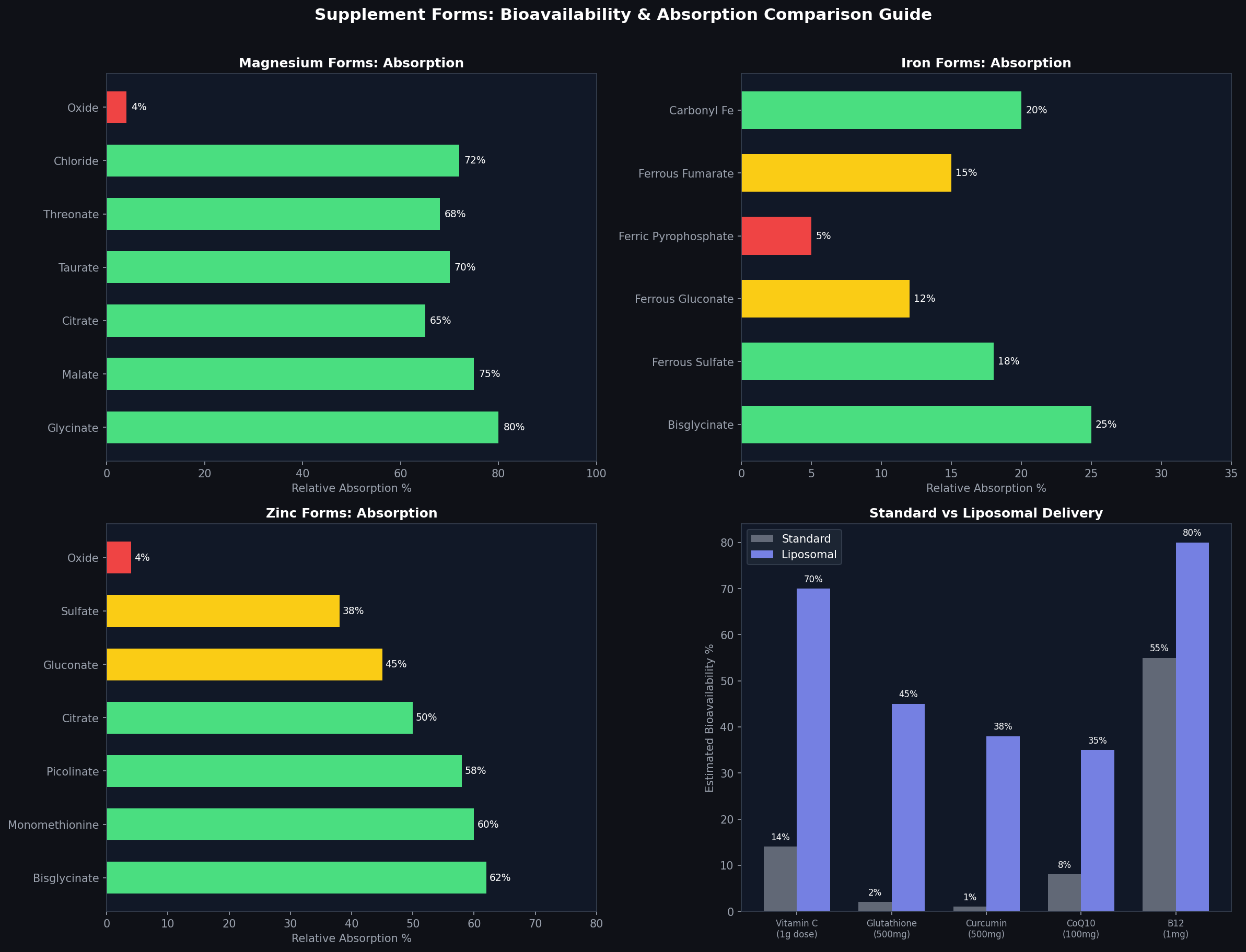
- Magnesium glycinate or citrate, depending on tolerance
Why it matters
Electrolyte support will not solve every GLP-1 side effect, but it can help with headaches, low energy, cramps, lightheadedness, and general “flat” feeling during reduced intake.
Product recommendations
- LMNT or Redmond Re-Lyte for sodium-forward hydration
- Magnesium glycinate capsules for gentler daily use
3. Fiber support for constipation
Constipation is one of the most common problems on GLP-1s. Soluble fiber can help, but the dose matters.
Best approach
Start low and go slow:
- Psyllium husk
- Partially hydrolyzed guar gum (PHGG)
- Food-first options if tolerated: kiwi, chia, oats, berries, vegetables
Why it matters
Psyllium has strong evidence for improving stool frequency and consistency, and it can support lipids and glycemic control as well (McRorie, Nutrition Today, 2015).
Product recommendations
- Yerba Prima Psyllium Husks
- Sunfiber PHGG for people who bloat easily
4. A basic micronutrient layer
A “cover your bases” strategy makes sense when intake is low.
Helpful additions
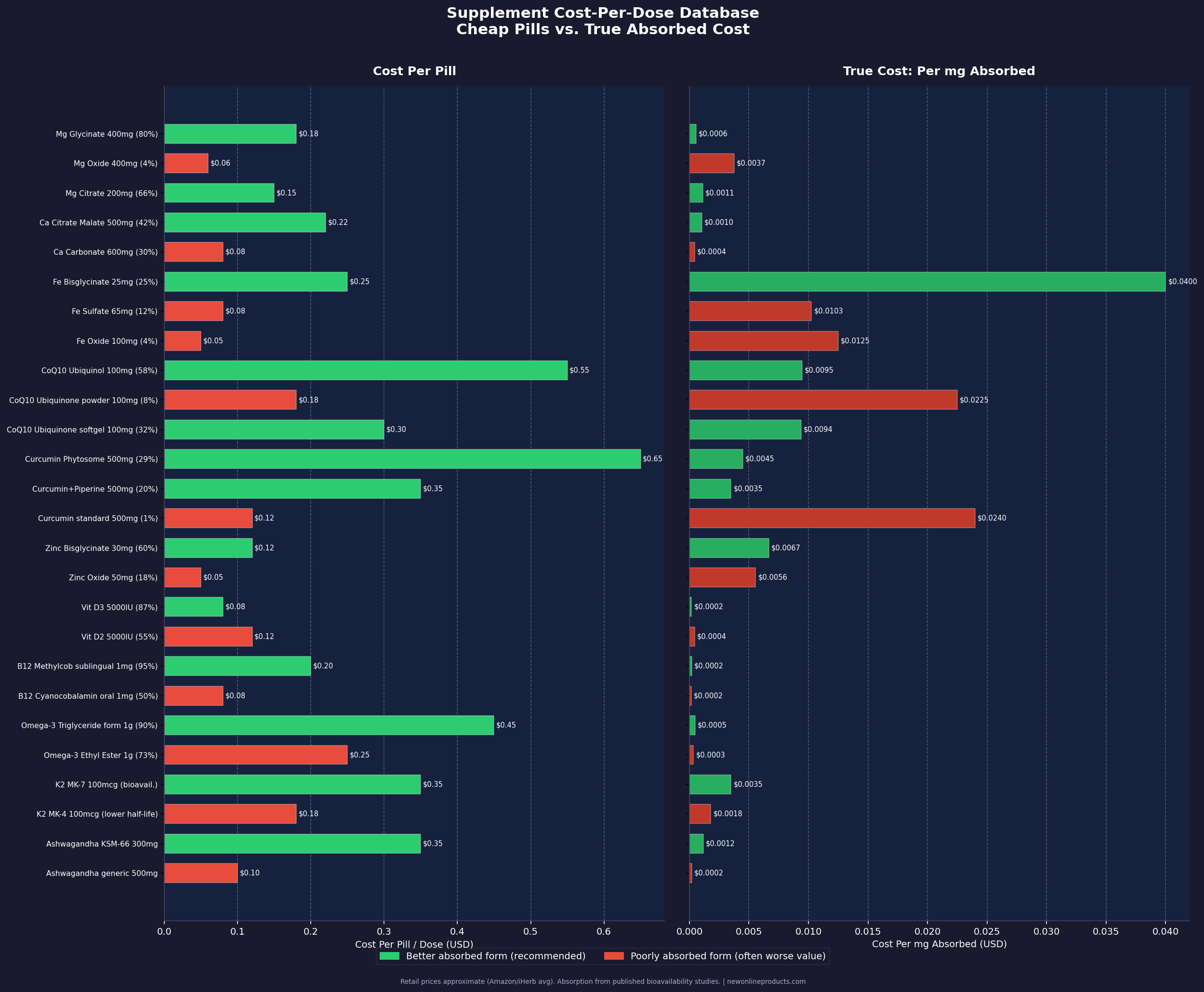
- Vitamin D3 + K2 if blood levels are low or sun exposure is poor
- B12 if intake is low, metformin is also being used, or labs suggest need
- A gentle multivitamin if meals are highly inconsistent
Why it matters
Vitamin D inadequacy is common in adults, and B12 insufficiency can be more likely in people with lower animal-food intake or concurrent metformin use. This is one place where lab work beats guessing.
Product recommendations
- Thorne Vitamin D/K2
- Jarrow Methyl B-12
- A low-iron multivitamin unless iron is specifically needed
5. GI support for nausea and meal tolerance
Best evidence-backed options
- Ginger extract
- Smaller meals with adequate protein
- Avoiding greasy, oversized, or very high-fiber meals during dose escalation
Ginger has clinical evidence for nausea reduction across several settings, including pregnancy and postoperative nausea, and is commonly used as a low-risk supportive option (Marx et al., Nutrition Journal, 2013).
Product recommendations
- Standardized ginger capsules
- Ginger tea or chews if capsules are hard to tolerate
What a Simple Daily GLP-1 Stack Can Look Like
Morning
- Protein shake
- Creatine monohydrate 3-5 g
- Electrolyte drink if appetite is low
Midday
- Light meal with protein
- Multivitamin or B12 if needed
Evening
- Magnesium glycinate
- Psyllium or PHGG away from medications
What to avoid
- Stimulant-heavy fat burners
- Large “metabolism” blends with a dozen overlapping ingredients
- Mega-dose fat-soluble vitamins without labs
- Adding a lot of fiber at once during active nausea
FAQ
What is the best supplement stack while on GLP-1 medications?
For most people, the best GLP-1 companion stack is protein, creatine, electrolytes, fiber, and a few targeted micronutrients such as vitamin D or B12 when needed. That covers the most common problems: muscle loss, dehydration, constipation, and low nutrient intake.
Can creatine be taken with Ozempic, Wegovy, or Mounjaro?
Yes, creatine monohydrate is generally compatible with GLP-1 therapy and can be especially useful for preserving strength and lean mass during weight loss. People with kidney disease or other major medical conditions should clear all supplements with their clinician first.
What helps constipation on GLP-1 drugs?
Hydration, electrolytes, walking, and low-dose soluble fiber usually help most. Psyllium or PHGG are often more useful than random “gut cleanse” products.
Do GLP-1 users need a multivitamin?
Not always, but many benefit from a simple multivitamin or targeted nutrients if food intake is inconsistent. Labs and diet quality should guide that decision.
Internal-link suggestions
subtopics/best-glp-1-supplement-stack-for-appetite-support/subtopics/constipation-support-for-glp-1-users/subtopics/daily-vitamin-stack-for-glp-1-users/subtopics/hair-loss-support-while-on-glp-1-meds/subtopics/lean-mass-support-while-taking-semaglutide/
Sources
- Effects of Skeletal Muscle Hypertrophy on Fat Mass and Glucose Homeostasis in Humans and Animals: A Narrative Review with Systematic Literature Search. Sports medicine (Auckland, N.Z.). 2025. PMID: 40576707.
- Kreider RB, et al. ISSN exercise and sports nutrition review update: research and recommendations on creatine supplementation. J Int Soc Sports Nutr. 2022.
- McRorie JW. Evidence-based approach to fiber supplements and clinically meaningful health benefits. Nutrition Today. 2015.
- Marx W, et al. Ginger—mechanism of action in chemotherapy-induced nausea and vomiting. Nutr J. 2013.
This article is for informational purposes only and is not medical advice. People taking prescription medications should review supplement changes with a qualified healthcare professional.
Key Takeaways
- For most people, the best GLP-1 companion stack is protein, creatine, electrolytes, fiber, and a few targeted micronutrients such as vitamin D or B12 when needed.
- Yes, creatine monohydrate is generally compatible with GLP-1 therapy and can be especially useful for preserving strength and lean mass during weight loss.
- Hydration, electrolytes, walking, and low-dose soluble fiber usually help most.
- Not always, but many benefit from a simple multivitamin or targeted nutrients if food intake is inconsistent.