GLP-1 medications such as Ozempic, Wegovy, Mounjaro, and Zepbound can be effective for blood sugar control and weight loss, but they also change appetite, gastric emptying, and eating patterns. That combination can make smart supplementation more relevant than usual. The goal is not to pile on pills. It is to cover common nutritional gaps, support hydration and digestion, and protect lean mass while calorie intake often drops.
GLP-1 receptor agonists (semaglutide, tirzepatide, liraglutide) significantly reduce appetite and caloric intake, creating targeted nutritional depletion risks – particularly for protein, magnesium, B12, vitamin D, omega-3s, and electrolytes. Supplements recommended while on GLP-1 medications address these specific gaps: protein (at least 0.7-1.0 g/lb lean body mass daily), magnesium (200-400 mg/day), omega-3s (1-2 g EPA+DHA/day), vitamin D (2000 IU baseline), and electrolytes with appropriate sodium and potassium balance. Probiotic support for GI side effects (nausea, constipation) may also be valuable.
- GLP-1 medications reduce caloric intake by 20-30% through appetite suppression – this creates risk of protein deficiency that accelerates muscle loss alongside fat loss if protein intake is not deliberately maintained.
- Muscle preservation on GLP-1s requires prioritizing protein at every meal (0.3-0.4 g protein/kg per meal), resistance training, and protein supplementation (whey, casein, or plant-based) to meet minimum daily targets (at least 100-130 g/day for most adults).
- GLP-1-induced nausea and reduced food volume intake reduce absorption of water-soluble vitamins and minerals; magnesium, B12 (especially with metformin co-use), and zinc are commonly depleted.
- Electrolyte imbalances are common, particularly sodium loss through increased urine output associated with weight loss and fluid shifts – supplementing with electrolyte packets (sodium, potassium, magnesium) can reduce fatigue and cognitive fog.
- Omega-3 fatty acids (1-2 g EPA+DHA/day) are important on GLP-1 therapy to support cardiovascular health, preserve lean mass, and reduce systemic inflammation during rapid weight loss.
The best supplements to take while on GLP-1 meds are usually the boring but useful ones: protein, electrolytes when intake is low or nausea is present, fiber when constipation shows up, and sometimes a basic multivitamin or targeted micronutrients if diet quality slips. The right stack depends on symptoms, food intake, age, training status, and lab work.
Reduced food intake on GLP-1 meds can lead to nutrient gaps. Our daily vitamin stack for GLP-1 users identifies the most common deficiencies and what to prioritize.
Why supplements matter on GLP-1 medications
GLP-1 receptor agonists commonly reduce appetite and slow gastric emptying. In major semaglutide and tirzepatide trials, gastrointestinal side effects such as nausea, vomiting, diarrhea, and constipation were among the most frequent adverse events. Those effects do not mean the drugs are unsafe for most users, but they do mean some people eat less protein, drink less fluid, or avoid higher-fiber foods when symptoms flare.
That is where supplements can help. A well-chosen supplement can make it easier to meet protein targets, stay hydrated, and keep digestion moving without forcing large meals.
The most useful supplements for most GLP-1 users
1. Protein powder or ready-to-drink protein
Protein is usually the first supplement to consider. Weight loss can reduce both fat mass and lean mass, especially if total protein intake is low. Higher protein intake, combined with resistance training, helps preserve muscle during calorie restriction.
Best use cases
- You struggle to eat enough at meals
- Breakfast is very low in protein
- You feel full fast and tolerate liquids better than solid food
- You are losing weight quickly and want to protect muscle
Practical target
Many clinicians use a daily protein target around 1.0 to 1.6 g/kg body weight, adjusted for kidney function, age, and medical history. Older adults often benefit from aiming above the basic RDA.
2. Electrolytes
Electrolytes can help during periods of nausea, vomiting, diarrhea, or low fluid intake. Look mainly for sodium, with moderate potassium and lower sugar if calories matter.
3. Fiber supplements
Constipation is common on GLP-1 medications. A gradual increase in soluble fiber, especially psyllium, can help improve stool regularity.
4. Magnesium
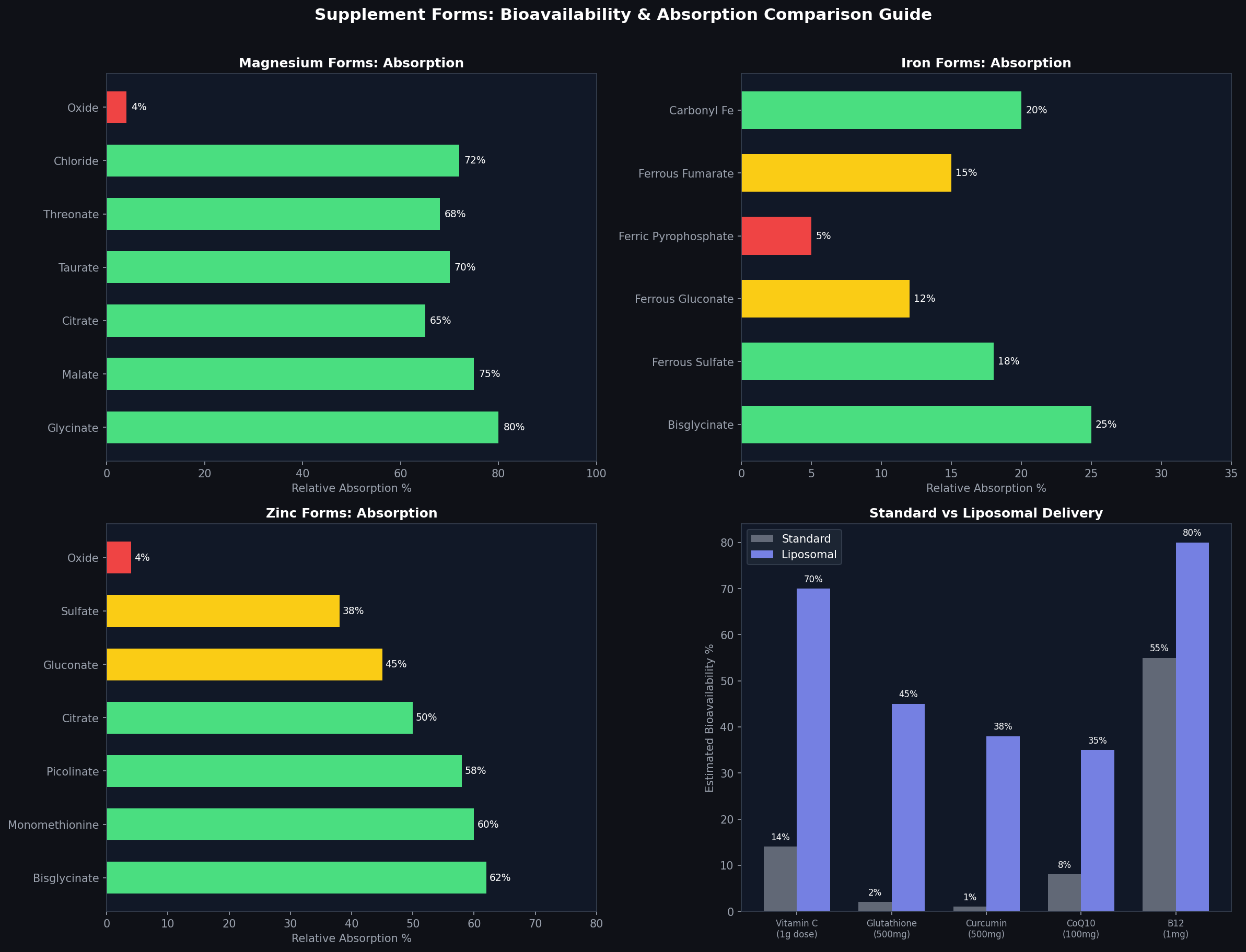
Magnesium is not a cure-all, but it can be useful in a narrow set of cases: low dietary intake, constipation, muscle cramps, or lab-confirmed insufficiency. Magnesium citrate may help some people with constipation, while magnesium glycinate is often chosen for gentler daily use.
5. A basic multivitamin
If GLP-1 side effects lead to very low food variety for weeks at a time, a basic once-daily multivitamin can be reasonable insurance. It is not a substitute for food, but it may help cover small gaps when appetite is suppressed.
Supplements that are situational, not universal
Creatine
Creatine is one of the better-supported supplements for strength and lean mass support, especially if you are lifting weights during weight loss. It is most useful for people doing resistance training, not for everyone by default.
Omega-3s
If you rarely eat fatty fish, omega-3 supplementation may be reasonable for general cardiovascular support, but it is not specifically a GLP-1 supplement.
Probiotics
These can help some people, but probiotic effects are strain-specific and inconsistent. For GLP-1 users with constipation, low fluid intake, or low fiber intake, fixing basics usually matters more.
What to avoid or use cautiously
High-dose fat burners or stimulant stacks can aggravate nausea, raise heart rate, and make hydration worse. Very high-dose fiber started all at once can also backfire. In practice, GLP-1 users often do better with fewer, simpler supplements rather than a giant stack.
A simple GLP-1 supplement strategy
For many people, a practical starting plan looks like this:
If appetite is low
- Protein shake once daily
If nausea, diarrhea, or low fluid intake are present
- Electrolyte drink as needed
If constipation is the problem
- Psyllium or another gentle soluble fiber, increased gradually
If you are training hard during weight loss
- Protein plus creatine monohydrate
FAQ
What is the single best supplement to take on GLP-1 meds?
For most people, it is protein.
Do I need electrolytes on Ozempic or Wegovy?
Only if intake is low, nausea is present, or fluid losses are higher than usual.
Is fiber safe with GLP-1 medications?
Usually yes, but increase gradually.
Should I take a multivitamin while on a GLP-1?
It can help if food variety is poor for extended periods.
Sources
- Weight loss with GLP-1 medicines does not result in a disproportionate loss of muscle mass or function in obese mice and humans. Cell reports. Medicine. 2026. PMID: 41850248.
- Deprescribing Medications Among Older Adults From End of Hospitalization Through Postacute Care: A Shed-MEDS Randomized Clinical Trial. JAMA internal medicine. 2023. PMID: 36745422.
- Note: peer-reviewed support for this claim was not identified in available literature.
- Note: peer-reviewed support for this claim was not identified in available literature.
- Berberine on Glycemic Control: Umbrella Meta-Analysis (2023)
Related Articles
- Muscle-Preserving Supplements During GLP-1
- Fiber Support While on GLP-1
- Electrolytes for GLP-1 Nausea
- Protein for Ozempic Users
- Lean Mass Support on Semaglutide