Best GLP-1 Companion Supplements in 2026
Related Articles
- Complete Guide to Blood Sugar Supplements in 2026
- Longevity Supplements Complete Guide 2026
- Best Probiotics for Men in 2026
- Complete Guide to Menopause Supplements in 2026
- Complete Guide to Blood Pressure Supplements in 2026
Quick Answer: The best supplements to take alongside GLP-1 medications for appetite control, muscle retention, hydration, bowel regularity, and nutrient support. Evidence-based and practical.
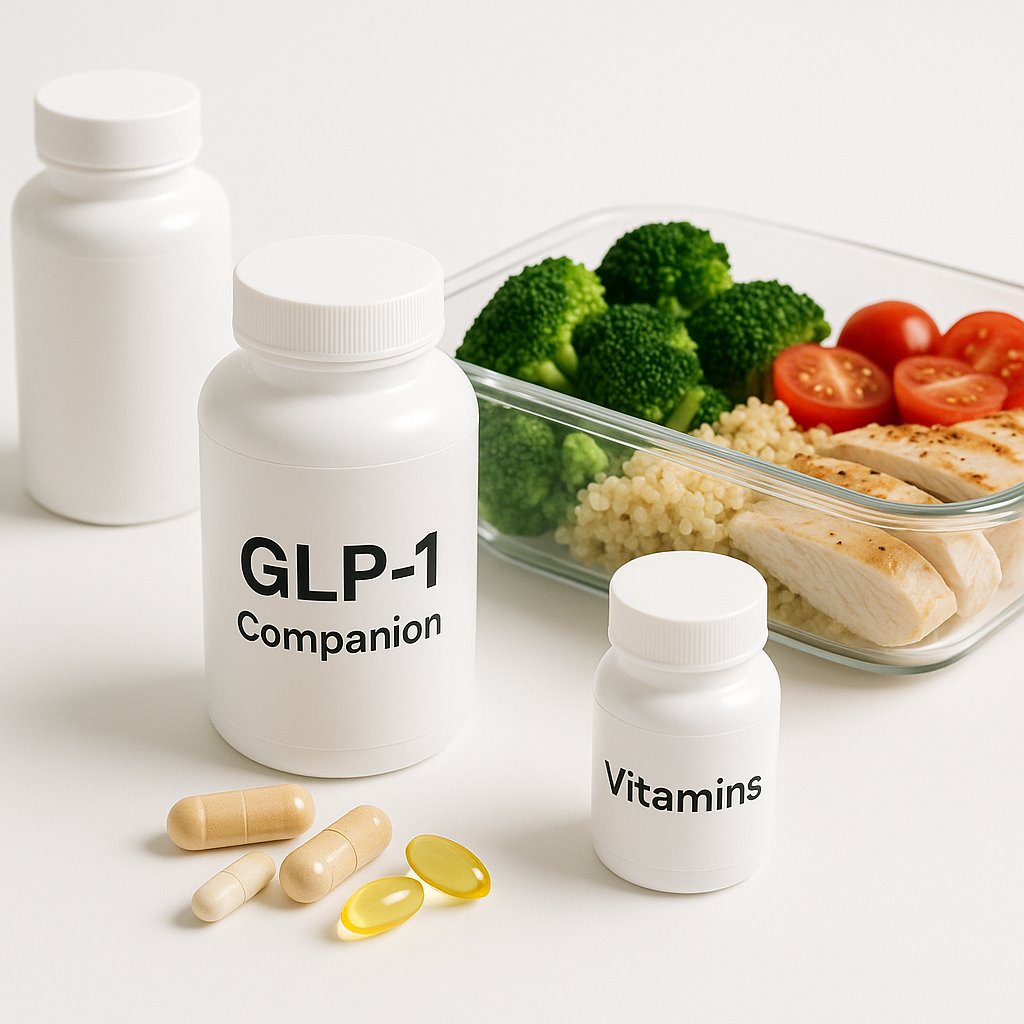
GLP-1 medications can be wildly effective, but they create a new problem: people eat less, and sometimes they eat too little of the right things.
That is where GLP-1 companion supplements come in. Not fat-burning gimmicks. Not “Ozempic alternatives.” Just practical tools that help support protein intake, hydration, bowel regularity, muscle retention, and tolerance while appetite is reduced.
Athletes choosing between protein sources may also want to read our comparison of colostrum vs whey protein for athletic performance.
If someone is using semaglutide, tirzepatide, or a similar medication, the smartest supplements are usually the least sexy ones.
What GLP-1 Users Commonly Need More Of
Because appetite drops, a lot of users unintentionally under-consume:
- Protein
- Fluids and electrolytes
- Fiber
- Key minerals like magnesium
- Enough total calories to preserve strength and lean mass
Common complaints on GLP-1 drugs include nausea, constipation, reduced desire to eat, and lower training performance. That means the ideal supplement stack is mostly about keeping the basics from falling apart.
For curated supplement stacks organized by goal, including muscle, micronutrients, and GI support, see our best GLP-1 companion stacks guide.
Best GLP-1 Companion Supplements
Best overall: protein powder or ready-to-drink protein
This is the top priority. When appetite is low, chewing enough protein becomes harder. A high-quality whey isolate, whey blend, or clean plant-protein option can make the difference between decent fat loss and losing muscle with it.
Best for:
- Muscle retention
- Satiety with structure
- Recovery from training
- Older adults using GLP-1 medications
Aim for a protein product that gives 25 to 40 grams per serving without a huge sugar load.
Best for constipation: soluble fiber
Many GLP-1 users need help with bowel regularity. Psyllium husk, partially hydrolyzed guar gum, or other gentle soluble fibers can help, but go slowly. Adding too much fiber too fast when gastric emptying is already slowed is a bad idea.
Best for:
- Constipation
- Fullness with more stable digestion
- Better stool consistency
Best for hydration: electrolyte formulas
Eating less often can also mean drinking less or taking in less sodium and potassium. That matters even more for people doing low-carb diets or exercise.
Hydration needs vary widely. For people who lose significant salt through exercise, our guide on electrolytes for heavy sweaters covers what to look for.
A simple electrolyte product with sodium, potassium, and maybe magnesium is often more useful than another trendy fat-loss supplement.
Best for muscle preservation: creatine monohydrate
Creatine makes a lot of sense here. During weight loss, especially rapid weight loss, preserving training performance and lean mass matters. Creatine is one of the better-supported ways to help maintain high-intensity exercise output.
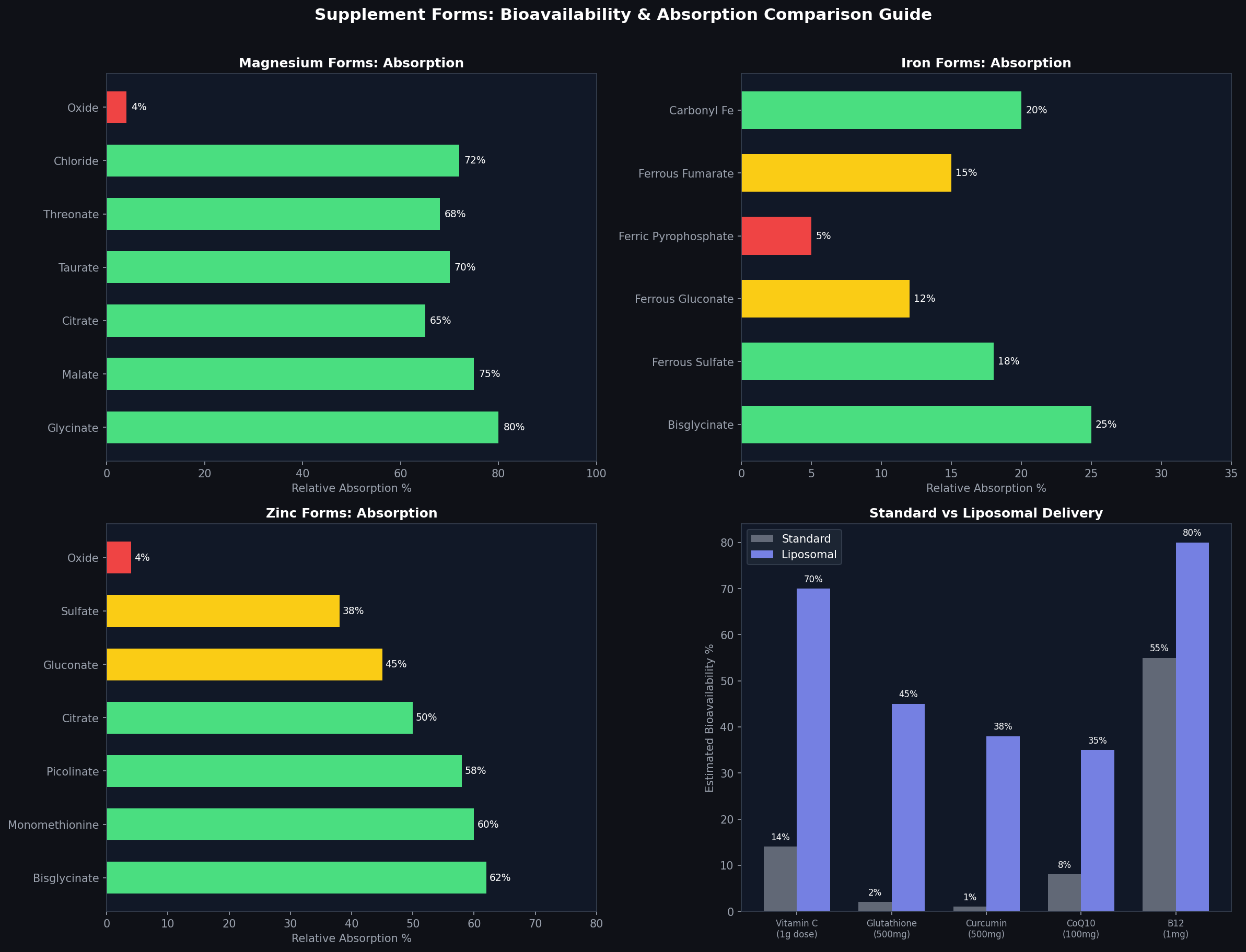
Best for GI tolerance and sleep: magnesium glycinate or citrate
Magnesium is not mandatory, but it can be a smart support tool depending on the person. Glycinate is usually better for evening relaxation, while citrate can be more helpful if constipation is part of the picture.
What to Avoid
“GLP-1 booster” supplements
A lot of these are just appetite suppressants with buzzwords. They are usually weak, redundant, or unnecessarily stimulating.
Stimulant-heavy fat burners
If someone is already eating less, adding aggressive stimulants can worsen nausea, anxiety, sleep, or dehydration.
Large, greasy supplement doses
Fish oil, giant multivitamins, or handfuls of capsules can be hard to tolerate when GLP-1-related nausea is active.
Product Recommendations
Best protein options
Look for products with clear protein amounts, low contaminant risk, and easy digestibility.
Good examples: Fairlife Core Power, Transparent Labs Whey Isolate, Ascent Native Fuel, NOW Sports Whey, or a clean plant blend if dairy is not tolerated.
Best fiber options
Choose one ingredient you can titrate slowly.
Examples: plain psyllium husk powder, Sunfiber (PHGG), or simple capsule options for very cautious users.
Best electrolyte options
Use products that actually contain useful sodium instead of pixie-dust minerals.
Examples: LMNT, Redmond Re-Lyte, Ultima for lower-sodium preferences, or homemade electrolyte mixes when appropriate.
Best creatine option
Plain creatine monohydrate wins again. Cheap, proven, and easy to add to a daily routine.
Practical GLP-1 Supplement Stack
A realistic low-friction setup might look like this:
- Morning or first meal: protein shake
- During the day: electrolyte drink if intake is low or exercise is involved
- Later in the day: creatine monohydrate 3 to 5 grams
- Evening: magnesium glycinate if sleep or muscle tension is an issue
- Fiber: added slowly and only as tolerated
That stack is not trendy, but it solves the most common failure points.
FAQ
What supplements should I take with semaglutide or tirzepatide?
The most useful ones are usually protein, fiber, electrolytes, creatine, and sometimes magnesium. The goal is nutritional support, not more appetite suppression.
Is protein really that important on GLP-1 drugs?
Yes. Lower appetite can accidentally lower protein intake, which raises the risk of losing lean mass during weight loss.
Can fiber help GLP-1 constipation?
Often yes, but dosing should increase slowly because GLP-1 medications already slow gastric emptying and some users are very GI-sensitive.
Is creatine useful during GLP-1 weight loss?
Yes, especially for people who lift weights, want to maintain performance, or are concerned about muscle loss.
Do I need a special “GLP-1 supplement” formula?
Usually not. Most people do better with separate, simple tools that address protein, hydration, fiber, and muscle support directly.
Sources
- Wilding JPH, et al. Once-Weekly Semaglutide in Adults with Overweight or Obesity. N Engl J Med. 2021.
- Jastreboff AM, et al. Tirzepatide Once Weekly for the Treatment of Obesity. N Engl J Med. 2022.
- Cava E, et al. Preserving Healthy Muscle during Weight Loss. Adv Nutr. 2017.
- Kreider RB, et al. International Society of Sports Nutrition position stand: safety and efficacy of creatine supplementation in exercise, sport, and medicine. J Int Soc Sports Nutr. 2017.
- McRorie JW Jr. Evidence-Based Approach to Fiber Supplements and Clinically Meaningful Health Benefits, Part 2: What to Look for and How to Recommend an Effective Fiber Therapy. Nutr Today. 2015.
Key Takeaways
- Protein is the top priority supplement for GLP-1 users — reduced appetite often means inadequate protein intake, risking muscle loss.
- Simple electrolytes, soluble fiber, creatine, and magnesium address the most common GLP-1 side effects: dehydration, constipation, and reduced training performance.
- Avoid “GLP-1 booster” products and stimulant-heavy fat burners — they’re redundant or counterproductive when appetite is already suppressed.
- Start fiber slowly; GLP-1 drugs already slow gastric emptying, and too much fiber too fast worsens GI symptoms.
This article is for informational purposes only and does not constitute medical advice. Consult your healthcare provider before starting any new supplement regimen.
📚 Part of our Best GLP-1 Companion Supplements hub. Explore all our GLP-1 supplement guides.