

Electrolytes can be genuinely helpful for people using GLP-1 medications when nausea, vomiting, diarrhea, low appetite, or reduced fluid intake make hydration harder. They are not magic, and not every GLP-1 user needs them daily, but they are often one of the simplest ways to feel less depleted during the rougher phases of treatment.
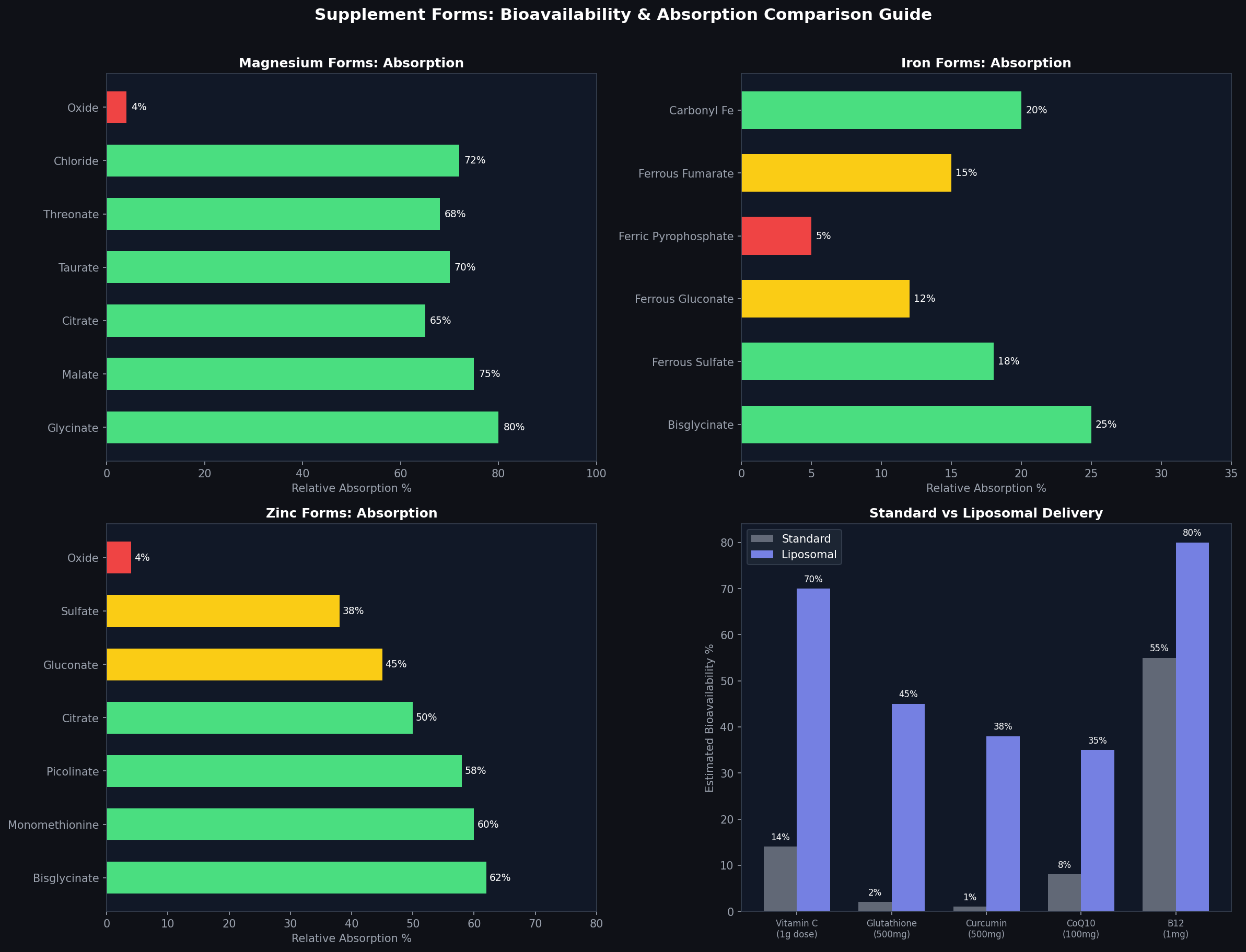
GLP-1 medications (semaglutide/Ozempic/Wegovy, tirzepatide/Mounjaro) cause nausea in 15-44% of users, particularly in early weeks. GLP-1-related nausea is primarily central (hypothalamic GLP-1 receptor activation) and gastrointestinal (slowed gastric emptying). Electrolyte supplementation addresses a secondary concern: reduced fluid and food intake during nausea can cause sodium, potassium, and magnesium depletion, worsening fatigue, headaches, and muscle cramps. The approach: small-volume, electrolyte-rich fluids consumed slowly during nausea episodes; magnesium glycinate (200-400 mg/day) for nausea and gut motility support.
- GLP-1 medications slow gastric emptying, meaning fluids and electrolytes are absorbed more slowly – small, frequent sips of electrolyte drinks are better tolerated than large volumes during nausea.
- Sodium loss on GLP-1s occurs through multiple mechanisms: reduced food intake (less dietary sodium), increased urine output during early weight loss (insulin reduction causes sodium excretion), and sometimes GLP-1-induced vomiting – all increasing risk of hyponatremia.
- Magnesium supports gut motility: GLP-1-induced constipation is common, and magnesium oxide (100-200 mg/day) or citrate can gently support bowel regularity without harsh laxative effects.
- Potassium needs increase if nausea leads to vomiting – significant potassium loss through vomiting can cause hypokalemia, causing muscle weakness and cardiac conduction issues at severe levels.
- Practical approach for GLP-1 nausea: BRAT-adjacent diet during peak nausea (small portions, low-fat, easy-to-digest foods) + sipping electrolyte drinks or coconut water + ginger (500-1000 mg or ginger tea) + magnesium at bedtime.
If you are on Ozempic, Wegovy, Mounjaro, or Zepbound and you feel lightheaded, dry, crampy, or unable to eat and drink normally, an electrolyte drink may be more useful than plain water alone. The reason is straightforward: hydration status depends on both fluid and key minerals, especially sodium.
Why GLP-1 users may need electrolyte support
GLP-1 drugs commonly cause gastrointestinal side effects, especially during initiation and dose escalation. In clinical trials of semaglutide and tirzepatide, nausea, vomiting, diarrhea, and constipation were among the most common adverse events.
When those symptoms show up, people often do three things at once:
Beyond hydration, constipation often requires its own approach. Our guide on constipation support for GLP-1 users covers magnesium, fiber timing, and what to avoid.
Beyond GLP-1 related dehydration, people who sweat heavily during exercise face similar electrolyte challenges. Our guide to electrolytes for heavy sweaters goes deeper on exercise-related needs.
- Eat less
- Drink less
- Lose more fluid than usual
That combination can make plain water feel inadequate, especially if you are also eating low carb, sweating heavily, or drinking coffee without balancing fluid intake.
What electrolytes actually do

Electrolytes help regulate fluid balance, nerve signaling, and muscle function. The main ones to think about here are:
Sodium
The most important electrolyte for retaining fluid volume. If you are nauseated, vomiting, or barely eating, sodium can matter more than people realize.
Potassium
Important for muscle and nerve function. You usually want food first here, but some electrolyte mixes include modest amounts.
Magnesium
Helpful in some formulas, though large doses can loosen stools. That can be good or bad depending on your symptoms.
Signs you may benefit from an electrolyte drink
You may need more than plain water if you notice:
- Dizziness when standing
- Headache and fatigue
- Dry mouth
- Low urine output or darker urine
- Muscle cramps
- Vomiting or diarrhea
- Trouble drinking enough because of nausea
Severe dehydration, persistent vomiting, confusion, fainting, or inability to keep fluids down are medical issues, not a supplement problem.
Best electrolyte options for GLP-1 users
Low-sugar electrolyte powders
These are usually the best fit if weight loss is the goal and you want sodium support without a large calorie load.
Look for
- Enough sodium to make a difference
- Moderate potassium
- Optional magnesium if tolerated
- No huge stimulant blend attached
Oral rehydration solutions
If you have active vomiting or diarrhea, an oral rehydration solution can be more appropriate than a generic sports drink because it is designed around fluid absorption. These products usually contain sodium plus glucose in a ratio intended to improve rehydration.
Sports drinks
These can work, but many are lower in sodium than ideal and higher in sugar than some GLP-1 users want. They are better than nothing, just not always the best option.
How to use electrolytes without overdoing it
For mild symptoms, one serving per day as needed is often enough. During hotter weather, exercise, fasting, keto dieting, or GI upset, some people may need more. The key is to match intake to losses rather than treating electrolytes like a trendy daily ritual.
A reasonable approach
- Use them when appetite and fluid intake are clearly down
- Use them during vomiting, diarrhea, heat exposure, or heavy sweating
- Pair them with small, frequent sips if nausea is present
Common mistakes
Choosing a product with very little sodium
Many electrolyte products are marketed well but underdosed where it counts.
Using only plain water during GI losses
Water helps, but if symptoms are significant, sodium-containing fluids are often better.
Ignoring blood pressure, kidney disease, or medication interactions
People with kidney disease, heart failure, uncontrolled hypertension, or diuretic use should be more careful with electrolyte supplements and ask their clinician first.
FAQ
Do electrolytes help with GLP-1 nausea?
They do not directly treat nausea, but they can help you feel less weak, headachy, and depleted when nausea causes poor fluid intake.
Are electrolytes necessary on Ozempic or Wegovy?
No. They are most useful when you have low intake, sweating, vomiting, diarrhea, or symptoms of mild dehydration.
What is the best electrolyte for GLP-1 users?
Usually a low-sugar formula with meaningful sodium. If GI losses are significant, an oral rehydration solution may be the better choice.
Can electrolytes replace medical care?
No. Ongoing vomiting, inability to keep fluids down, or signs of severe dehydration need medical attention.
Sources
- Ad libitum fluid intake and plasma responses after pickle juice, hypertonic saline, or deionized water ingestion. Journal of athletic training. 2013. PMID: 23952039.
- Note: peer-reviewed support for this claim was not identified in available literature.
- Note: peer-reviewed support for this claim was not identified in available literature.
- Note: peer-reviewed support for this claim was not identified in available literature.
- Berberine on Glycemic Control: Umbrella Meta-Analysis (2023)
Related Articles
- Muscle-Preserving Supplements During GLP-1 Weight Loss: Complete Guide
- Fiber Support While on GLP-1 Medications: Complete Guide
📚 Part of our Best GLP-1 Companion Supplements hub. Explore all our GLP-1 supplement guides.