
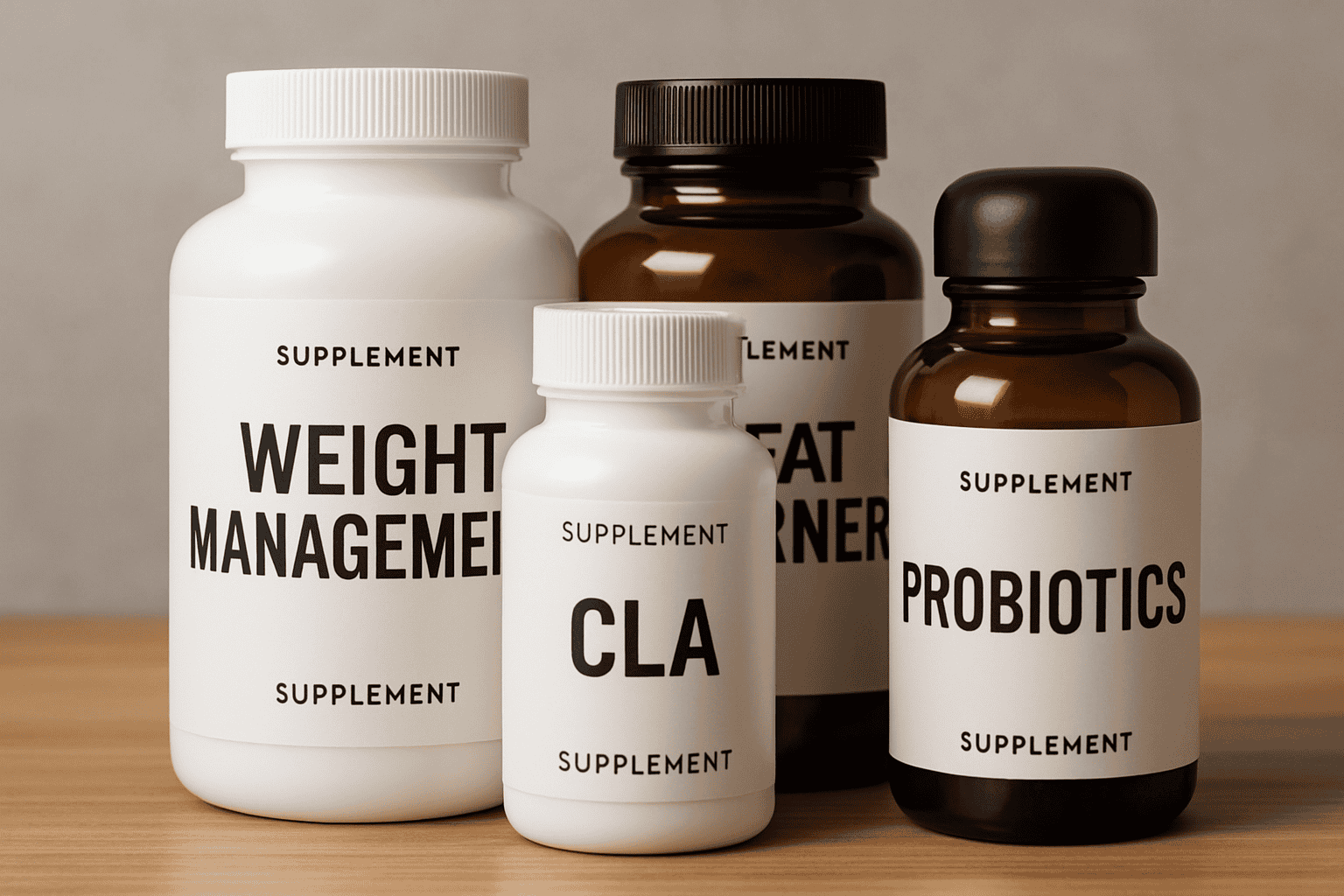
GLP-1 receptor agonists like semaglutide (Ozempic, Wegovy) and tirzepatide (Mounjaro) are transforming weight management. But rapid weight loss brings real nutritional challenges – muscle loss, micronutrient depletion, hair thinning, and GI side effects that most doctors aren’t addressing with supplements.
A strategic GLP-1 companion stack can protect lean mass, fill nutritional gaps, and reduce the side effects that cause many people to quit these medications.
Why GLP-1 Users Need Targeted Supplementation
The Muscle Loss Problem
Studies show that up to 40% of weight lost on GLP-1 agonists can be lean muscle mass (Wilding et al., NEJM, 2021). Without intervention, you’re losing the metabolically active tissue that keeps your metabolism healthy long-term.

Nutrient Absorption Challenges
GLP-1 drugs slow gastric emptying – great for appetite suppression, terrible for nutrient absorption. Reduced food intake compounds the problem. Common deficiencies include:
- Vitamin B12 (delayed gastric processing)
- Vitamin D (reduced dietary fat intake)
- Iron and zinc
- Electrolytes (magnesium, potassium)
GI Side Effects
Nausea, constipation, and acid reflux are the top reasons people discontinue GLP-1 therapy. Targeted supplements can meaningfully reduce these symptoms.
The Essential GLP-1 Companion Stack
?? Priority 1: Protein + Creatine (Muscle Preservation)
Why: The single most important intervention for preventing muscle loss.
Recommendation: 30-40g protein per meal minimum, plus 3-5g creatine monohydrate daily. Creatine supports lean mass retention even in caloric deficit (Antonio et al., JISSN, 2021).
Best for: Anyone on GLP-1 therapy concerned about body composition
Top Pick: Momentous Creatine Monohydrate + a high-quality whey or collagen protein
Priority 2: Electrolyte Complex
Why: Reduced food and water intake plus GI side effects deplete electrolytes fast.
Recommendation: Magnesium glycinate (300-400mg), potassium, sodium, and trace minerals daily.
Best for: Users experiencing muscle cramps, fatigue, or brain fog
Top Pick: LMNT Electrolyte Mix or Redmond Re-Lyte
Priority 3: Vitamin B12 + Methylfolate
Why: GLP-1 drugs impair B12 absorption through delayed gastric emptying, similar to metformin’s mechanism (Aroda et al., JCEM, 2016).
Recommendation: Methylcobalamin 1000-2000mcg sublingual (bypasses GI tract)
Best for: Long-term GLP-1 users, especially those also on metformin
Top Pick: Jarrow Formulas Methyl B-12 sublingual
Priority 4: Vitamin D3 + K2
Why: Reduced caloric intake and dietary fat lower vitamin D absorption. Rapid weight loss also releases stored vitamin D from fat cells unpredictably.
Recommendation: 2000-5000 IU D3 with 100-200mcg K2 (MK-7) daily
Best for: Everyone on GLP-1 medications – deficiency is near-universal
Top Pick: Thorne Vitamin D/K2 Liquid
Priority 5: Digestive Support
Why: Ginger root and digestive enzymes can reduce the nausea and bloating that plague GLP-1 users.
Recommendation: Ginger extract (250mg, 2x daily) has clinical evidence for nausea reduction. Betaine HCl with meals supports digestion during slowed gastric emptying.
Best for: Users struggling with GI side effects in the first 8-12 weeks
Top Pick: Thorne Bio-Gest digestive enzymes
Advanced Additions
Collagen Peptides (Skin + Hair)
Rapid weight loss can cause skin laxity and hair thinning. Collagen peptides (10-15g daily) support skin elasticity and hair growth. Look for Type I and III collagen from marine or bovine sources.
Omega-3 Fish Oil
Anti-inflammatory support plus benefits for the cardiovascular system – important since many GLP-1 users have metabolic syndrome.
Top Pick: Nordic Naturals Ultimate Omega or Carlson’s Very Finest Fish Oil
Fiber Supplement
Constipation is the #2 side effect. A gentle fiber supplement (psyllium husk or partially hydrolyzed guar gum) can help without worsening the bloating.
What to Avoid
- Fat-blocking supplements – You’re already eating less fat; blocking more can worsen fat-soluble vitamin deficiencies
- Stimulant-heavy fat burners – Unnecessary cardiovascular stress
- Mega-dose multivitamins – Nausea risk; targeted supplementation is better
Sample Daily Protocol
Morning (with food):
- Protein shake (30g)
- Creatine (5g)
- Vitamin D3/K2
- Omega-3
Midday:
- B12 sublingual
- Electrolyte mix
Evening (with food):
- Magnesium glycinate (300mg)
- Collagen peptides (10g)
- Digestive enzyme (with dinner)

FAQ
What supplements should I take with Ozempic or Wegovy?
The essential companion stack includes protein (30g+ per meal), creatine monohydrate (3-5g daily), electrolytes, vitamin B12 sublingual, vitamin D3/K2, and digestive support like ginger extract. These address the most common deficiencies and side effects of GLP-1 medications.
Can supplements help with GLP-1 nausea?
Yes. Ginger extract (250mg twice daily) has clinical evidence for nausea reduction. Digestive enzymes and electrolyte balance also help. Taking supplements with small meals rather than on an empty stomach reduces nausea risk.
How do I prevent muscle loss on semaglutide?
Prioritize high protein intake (minimum 1g per pound of ideal body weight), add creatine monohydrate (3-5g daily), and incorporate resistance training. Studies show creatine helps preserve lean mass during caloric restriction.
Should I take a multivitamin on GLP-1 medications?
Targeted supplementation is generally better than a broad multivitamin, which can worsen nausea and provides nutrients you may not need. Focus on the documented deficiency risks: B12, D3, electrolytes, and iron/zinc if blood work confirms it.
When should I start the companion stack?
Ideally before or at the same time you begin GLP-1 therapy. Building nutrient reserves before the appetite suppression kicks in gives you a head start, especially for protein and vitamin D levels.
Key Takeaways
- The essential companion stack includes protein (30g+ per meal), creatine monohydrate (3-5g daily), electrolytes, vitamin B12 sublingual, vitamin D3/K2, and digestive support like ginger extract.
- Prioritize high protein intake (minimum 1g per pound of ideal body weight), add creatine monohydrate (3-5g daily), and incorporate resistance training.
- Targeted supplementation is generally better than a broad multivitamin, which can worsen nausea and provides nutrients you may not need.
- Ideally before or at the same time you begin GLP-1 therapy.
Sources
- Implications of Ozempic and Other Semaglutide Medications for Facial Plastic Surgeons. Facial plastic surgery : FPS. 2023. PMID: 37541662.
- Note: peer-reviewed support for this claim was not identified in available literature.
- GLP-1 and Exercise: Review (2025)
- Berberine on Blood Sugar: Meta-Analysis (2022)
- Berberine Glycemic Control: Meta-Analysis (2023)
Related Articles
Related Supplement Guides
These comprehensive guides cover related topics:



Leave a Reply