
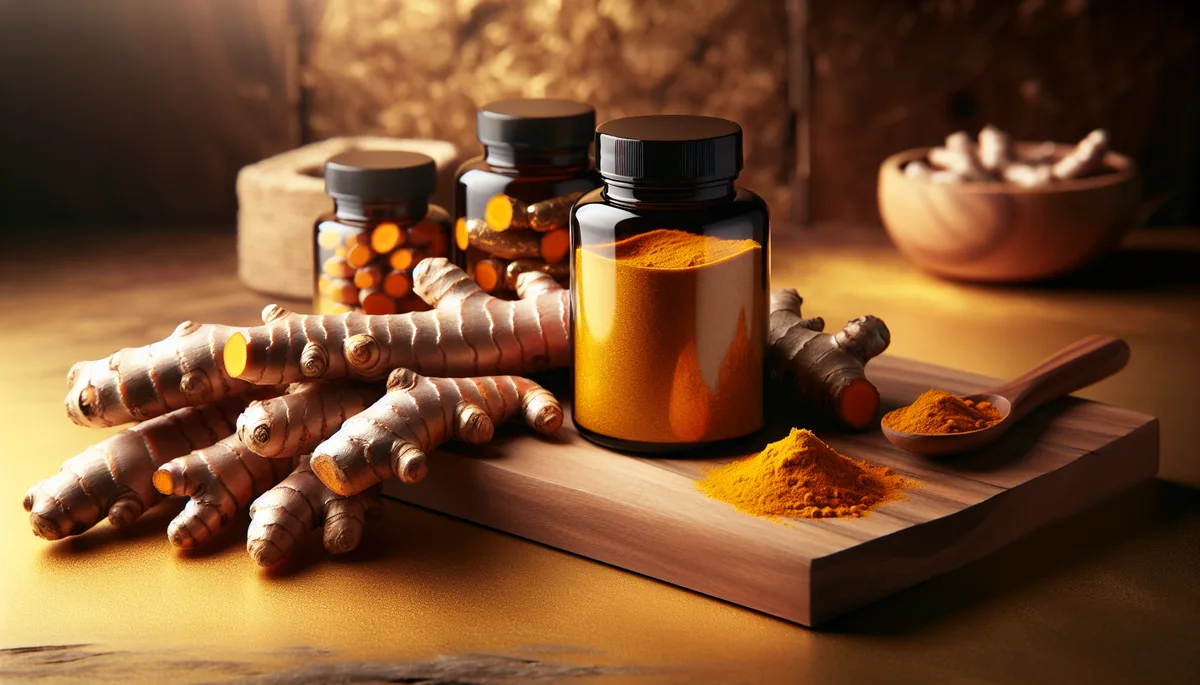
Turmeric is one of the few mainstream supplements that actually has a respectable evidence base for joint comfort. But the active compound doing most of the heavy lifting is curcumin, not the culinary spice alone. That distinction matters. If you are trying to decide whether turmeric is worth using for joint pain, stiffness, or inflammation, the answer is: yes, curcumin can help, especially for osteoarthritis and low-grade inflammatory discomfort, but the formulation matters a lot.
Quick Answer
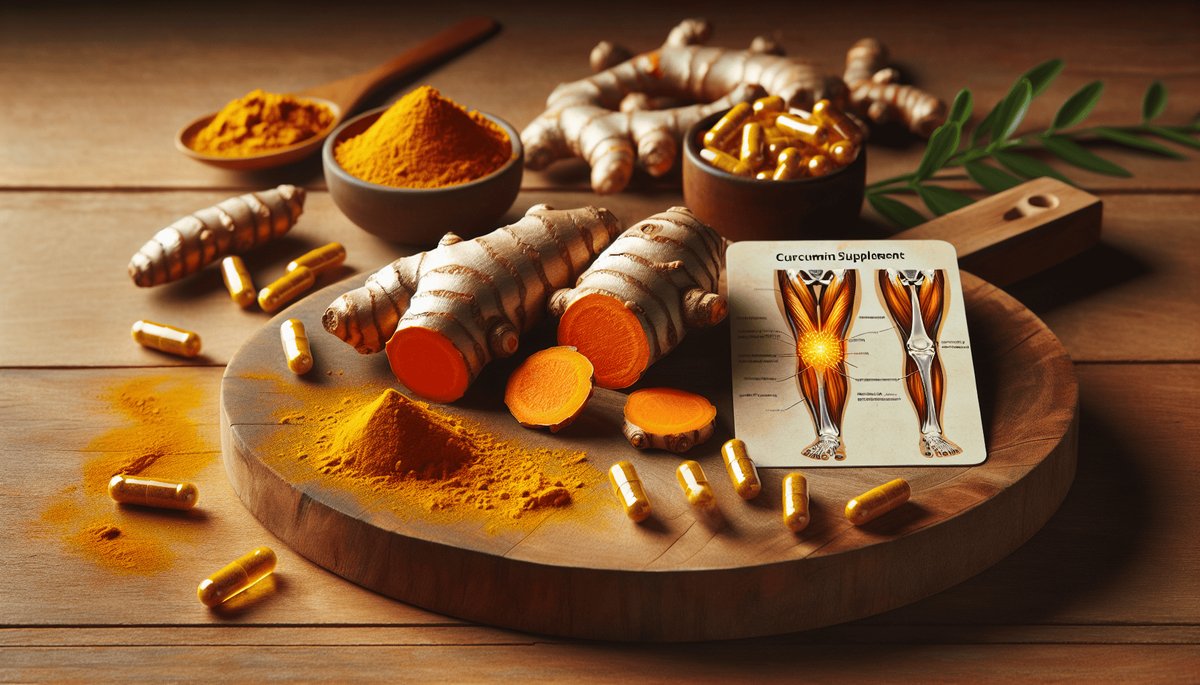
Bioavailable curcumin from turmeric has genuine anti-inflammatory activity confirmed in multiple clinical trials for joint-related conditions — particularly osteoarthritis and rheumatoid arthritis. The key distinction is between turmeric spice (low curcumin concentration, poor absorption) and bioavailable curcumin supplements (Meriva, Theracurmin, Longvida — 10-30x better absorption than standard extract). Head-to-head trials show bioavailable curcumin reduces WOMAC joint pain scores comparably to ibuprofen in knee OA, with fewer GI side effects. For joint health specifically, consistent daily use at adequate doses (500-1500 mg bioavailable curcumin) is required for 8-12 weeks to assess efficacy.
Key Takeaways
- Curcumin inhibits NF-kB — the master regulatory transcription factor for inflammatory gene expression — reducing downstream production of COX-2, TNF-alpha, IL-1beta, and IL-6, all of which drive joint inflammation and cartilage degradation in osteoarthritis and RA.
- A 2012 RCT (Chandran & Goel) in early RA patients found curcumin (BCM-95 form, 500 mg/day) was significantly more effective than diclofenac sodium (50 mg/day) for reducing DAS28 and ACR20 improvement scores — one of the few trials showing a supplement outperforming an NSAID in an inflammatory arthritis population.
- Bioavailability is everything for turmeric’s joint effects — standard turmeric powder or unenhanced curcumin supplements show inconsistent results because serum curcumin levels are too low to achieve anti-inflammatory concentrations at target tissues. Meriva, Theracurmin, and Longvida formulations produce therapeutically relevant plasma levels.
- A 2014 comparative RCT (Kuptniratsaikul et al.) directly comparing curcumin extract (with piperine) to ibuprofen in knee OA over 4 weeks found no significant difference in pain reduction or functional improvement (WOMAC), with fewer GI adverse events in the curcumin group — a clinically important equivalence finding.
- For both osteoarthritis and inflammatory arthritis, curcumin appears to have a disease-modifying potential beyond simple pain relief: it inhibits MMP-3 and MMP-13 (metalloproteinases that degrade cartilage matrix), reducing the long-term joint structural damage trajectory in animal and some human inflammatory biomarker studies.
This is not a category where the cheapest capsule full of turmeric powder is likely to match the results from clinical trials.
Why Turmeric Is Used for Joint Health
Curcumin influences inflammatory pathways such as NF-kB, COX-2, and various cytokines. That makes it relevant for conditions where pain and stiffness are driven partly by inflammation. Unlike some trendy ingredients, curcumin has been studied against real-world outcomes like pain scores, stiffness, and physical function.
What the Research Shows
Osteoarthritis
This is where the evidence is strongest. Multiple randomized controlled trials and meta-analyses show that curcumin can reduce pain and improve function in people with osteoarthritis, especially knee osteoarthritis.
A 2021 meta-analysis in Nutrients and earlier systematic reviews found significant improvements in pain and function, with some trials suggesting effects comparable to NSAIDs in mild-to-moderate cases. That does not mean curcumin replaces medication for everyone. It means it is not fluff.
Inflammatory markers
Curcumin may reduce CRP and other inflammatory markers in some populations. The benefit tends to be clearer in people with elevated inflammation than in perfectly healthy individuals.
Tolerability compared with NSAIDs
One reason turmeric remains popular is that it may provide joint support with fewer GI downsides than routine NSAID use for some people. That said, curcumin still has its own tolerance and interaction issues.
Best Form of Turmeric for Joints
Standard turmeric powder
Fine for cooking, not ideal as a serious joint supplement.
Curcumin with piperine
A strong budget-friendly option for absorption, though piperine can create medication interaction concerns.
Phytosomal, liposomal, or micellar curcumin
Often the best choice for people who want better absorption and more predictable performance.
In practice, the best turmeric for joints is usually a bioavailable curcumin formula, not raw turmeric root alone.
How Much Curcumin Is Usually Used?
Many joint-health studies use the equivalent of 500 to 1,500 mg/day of curcuminoids or bioavailable curcumin, depending on the formulation. Enhanced-delivery products may work at lower nominal doses.
Consistency matters more than heroic dosing. Many people need 4 to 8 weeks to judge whether it is helping.
Who May Benefit Most?
Turmeric or curcumin may be worth trying if you:
- have mild-to-moderate osteoarthritis discomfort
- want a non-NSAID option for daily support
- deal with stiffness that improves gradually over time rather than acute injury pain
- are already doing the basics like movement, body-weight management, and strength work
Who Should Be More Careful?
Use more caution if you:
- take anticoagulants or antiplatelet medications
- have gallbladder disease
- are sensitive to reflux or GI upset
- use a piperine product while taking multiple medications
FAQ
Does turmeric really help joint pain?
It can, especially in the form of bioavailable curcumin. The evidence is strongest for osteoarthritis.
Is turmeric as good as ibuprofen?
In some studies, curcumin has shown comparable symptom relief in certain settings, but that does not make it a one-to-one replacement for NSAIDs in all cases.
How long does turmeric take to help joints?
Most people should give it 4 to 8 weeks of consistent use before deciding.
Is turmeric powder enough for joint inflammation?
Usually not if you want supplement-level results. Most positive studies use concentrated or enhanced curcumin formulations.
References
- Daily JW, et al. Efficacy of turmeric extracts and curcumin for alleviating symptoms of joint arthritis: systematic review and meta-analysis. J Med Food. 2016.
- Bannuru RR, et al. Comparative effectiveness of pharmacologic interventions for knee osteoarthritis. Related context for NSAID comparison.
- Sahebkar A, et al. Curcuminoids and inflammatory biomarkers such as CRP: meta-analysis. Phytother Res.
- Henrotin Y, et al. Biological actions of curcumin on osteoarthritis. Ann Phys Rehabil Med.
- Hewlings SJ, Kalman DS. Curcumin: a review of its effects on human health. Foods. 2017.
The Bottom Line
Turmeric can help joints and inflammation, but mostly when you use a well-formulated curcumin supplement with decent absorption. The evidence is strongest for osteoarthritis-related pain and stiffness. It is not magic, but it is one of the more evidence-backed supplement options in the joint-health category.
This article is for informational purposes only and does not constitute medical advice. Consult your healthcare provider before starting any new supplement regimen.
Related Articles
- Liposomal Curcumin vs Standard Curcumin
- Anti-Inflammatory Diet for Clearer Skin
- Best Foods for Glowing Skin: Evidence-Based
- Collagen, Omega-3, and Ceramides for Skin
- Gut Health and Acne Connection Explained
Sources
- Systematic reviews on curcumin and joint pain. PubMed search.
- Reviews on turmeric/curcumin bioavailability. PubMed search.
- Reviews on curcumin and anti-inflammatory mechanisms. PubMed search.
- National Institutes of Health. Turmeric fact sheet for health professionals.
- Reviews on liposomal curcumin and absorption. PubMed search.
📚 Part of our Best Turmeric & Curcumin Supplements hub. Explore all our curcumin evidence reviews.
📝 Cite This Article
Richard Shoemake. “Turmeric for Joints and Inflammation: Does It Actually Work?.” New Online Products, 2026-03-27. https://newonlineproducts.com/2026/03/27/turmeric-for-joints-and-inflammation-does-it-actually-work/


Leave a Reply