Best Quercetin Supplements in 2026: Full Guide
Quick Answer: Quercetin stabilizes mast cells for allergy relief, acts as a senolytic to clear aged cells, and functions as a zinc ionophore. Standard quercetin absorbs poorly – choose quercetin phytosome or Sophora japonica extract for 20-50x better bioavailability.
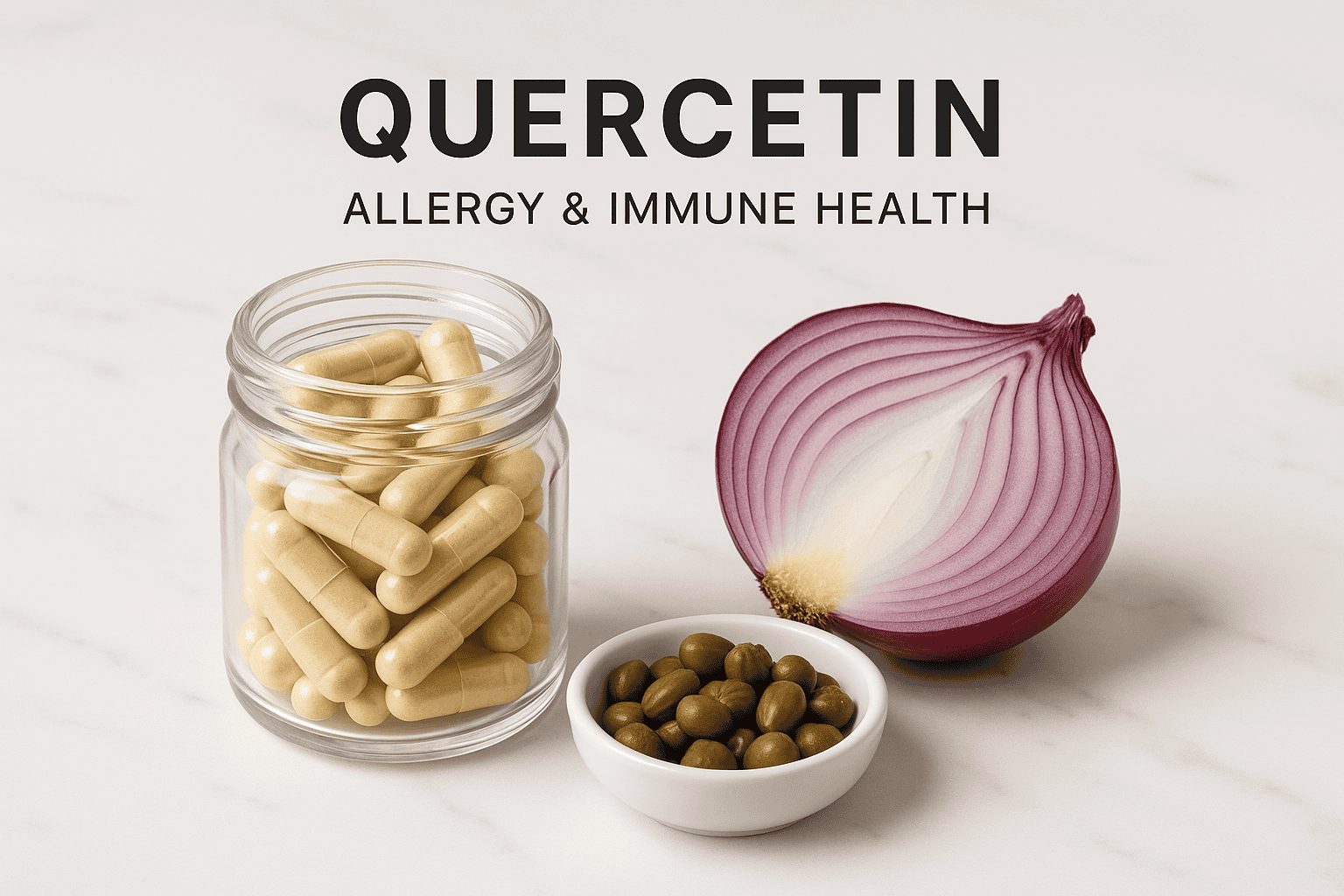
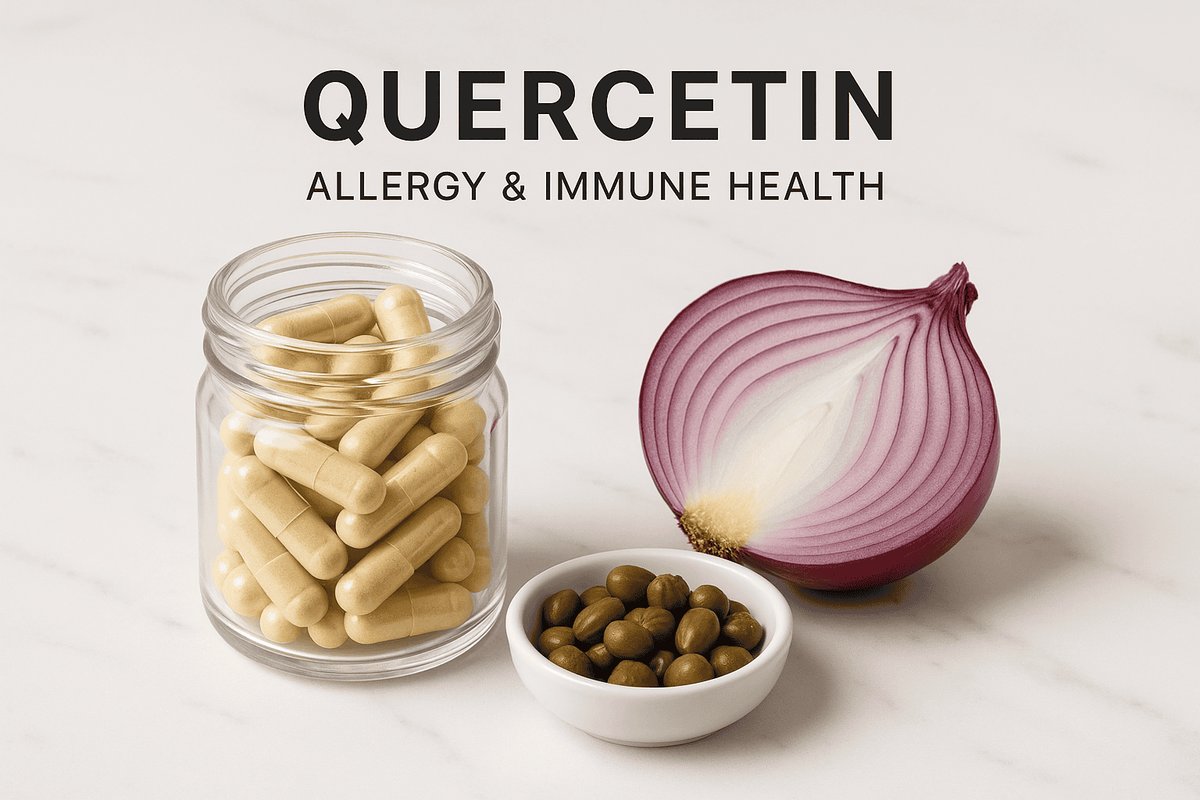
Quercetin is one of the most abundant flavonoids in the human diet — found in onions, apples, capers, kale, and berries. It’s also one of the most multifunctional plant compounds studied in nutritional science, with plausible and emerging evidence for allergy relief, senolytic activity (clearing aged cells), anti-inflammatory effects, and even antiviral mechanisms.
The challenge: standard quercetin has notoriously poor bioavailability. Much of the quercetin in supplements passes through the gut without being absorbed. This has driven development of enhanced forms — but navigating which ones actually work requires understanding the evidence.
What Is Quercetin?
Quercetin is a flavonol — a polyphenol found in plant foods. It exists primarily as glycosides in food (quercetin bound to sugar molecules) and as aglycone (free quercetin) in supplements.
Key biological activities:
- Antihistamine/mast cell stabilization
- Anti-inflammatory (NF-κB inhibition)
- Antioxidant
- Senolytic (selectively kills senescent cells at higher concentrations)
- Zinc ionophore (facilitates zinc entry into cells)
- Antiviral (inhibits viral replication in cell studies)
- Anti-cancer activity in cell studies (mechanism: apoptosis induction)
Quercetin for Allergy Support
Quercetin’s antihistamine properties are one of its most clinically relevant features. It works by:
- Inhibiting histamine release from mast cells and basophils
- Inhibiting synthesis of pro-inflammatory prostaglandins and leukotrienes
- Stabilizing mast cell membranes — reducing degranulation in response to allergens
What the evidence shows:
- Multiple in vitro studies show quercetin inhibits IgE-mediated histamine release more potently than cromolyn sodium (a prescription mast cell stabilizer) in some assays
- Animal studies consistently show anti-allergic effects
- Human RCTs are limited: small trials show improvement in seasonal allergy symptoms, reduced nasal congestion, and some improvement in bronchial hyperreactivity
- A notable 2007 study in Pharmacological Research found quercetin supplementation reduced allergic symptoms comparable to cetirizine in a small cohort
Practical note: Quercetin doesn’t work immediately like diphenhydramine (Benadryl). It’s best used as a preventive — starting 4-8 weeks before allergy season for mast cell stabilization. It can also be used daily during allergy season. For acute symptom relief, it’s less effective than antihistamine drugs.
Typical dose for allergy support: 500-1000 mg/day in divided doses (quercetin phytosome or another enhanced form)
Quercetin as a Senolytic
This is perhaps the most exciting emerging use of quercetin. Senescent cells — “zombie cells” that have stopped dividing but refuse to die — accumulate with age and drive chronic inflammation (inflammaging). Senolytics are compounds that selectively clear senescent cells.
The quercetin + dasatinib combination (Q+D) is the most studied senolytic protocol, developed at the Mayo Clinic. Dasatinib is a cancer drug (BCR-ABL inhibitor); quercetin synergizes with it by inhibiting anti-apoptotic pathways that senescent cells depend on.
Human evidence for senolytic use:
- A 2019 pilot study in EBioMedicine (Mayo Clinic) in patients with idiopathic pulmonary fibrosis showed that oral quercetin + dasatinib reduced circulating senescent cell markers and improved physical function over 3 weeks of intermittent dosing
- A 2020 RCT in diabetic kidney disease showed Q+D reduced senescent cell burden markers
- Multiple ongoing clinical trials
For supplement users without dasatinib:
Fisetin (another flavonoid) may be more potent as a standalone senolytic. Quercetin alone at supplement doses probably has modest senolytic activity. Some biohackers and longevity-focused individuals use high-dose quercetin (1-2g) intermittently (e.g., 2-3 days per month) as a partial senolytic protocol — this is based on plausible mechanism rather than strong human RCT evidence.
Quercetin as a Zinc Ionophore
During the COVID-19 pandemic, quercetin gained attention as a potential zinc ionophore — a compound that facilitates zinc entry into cells. Zinc has antiviral properties by inhibiting viral RNA replication. If quercetin can enhance cellular zinc uptake, it could potentiate zinc’s antiviral effects.
Evidence for zinc ionophore activity: In vitro cell studies confirm quercetin functions as a zinc ionophore. The clinical relevance of this effect with oral quercetin supplementation at standard doses is uncertain — the amount of quercetin actually reaching cells may be insufficient to significantly shift zinc distribution.
Practical implication: Taking quercetin with zinc supplementation is reasonable, especially for immune support. The combination (quercetin + zinc + vitamin C) became one of the most popular immune supplement stacks from 2020 onward. The evidence for this combination specifically against viral infections is preliminary but mechanistically plausible.
Bioavailability: The Central Challenge
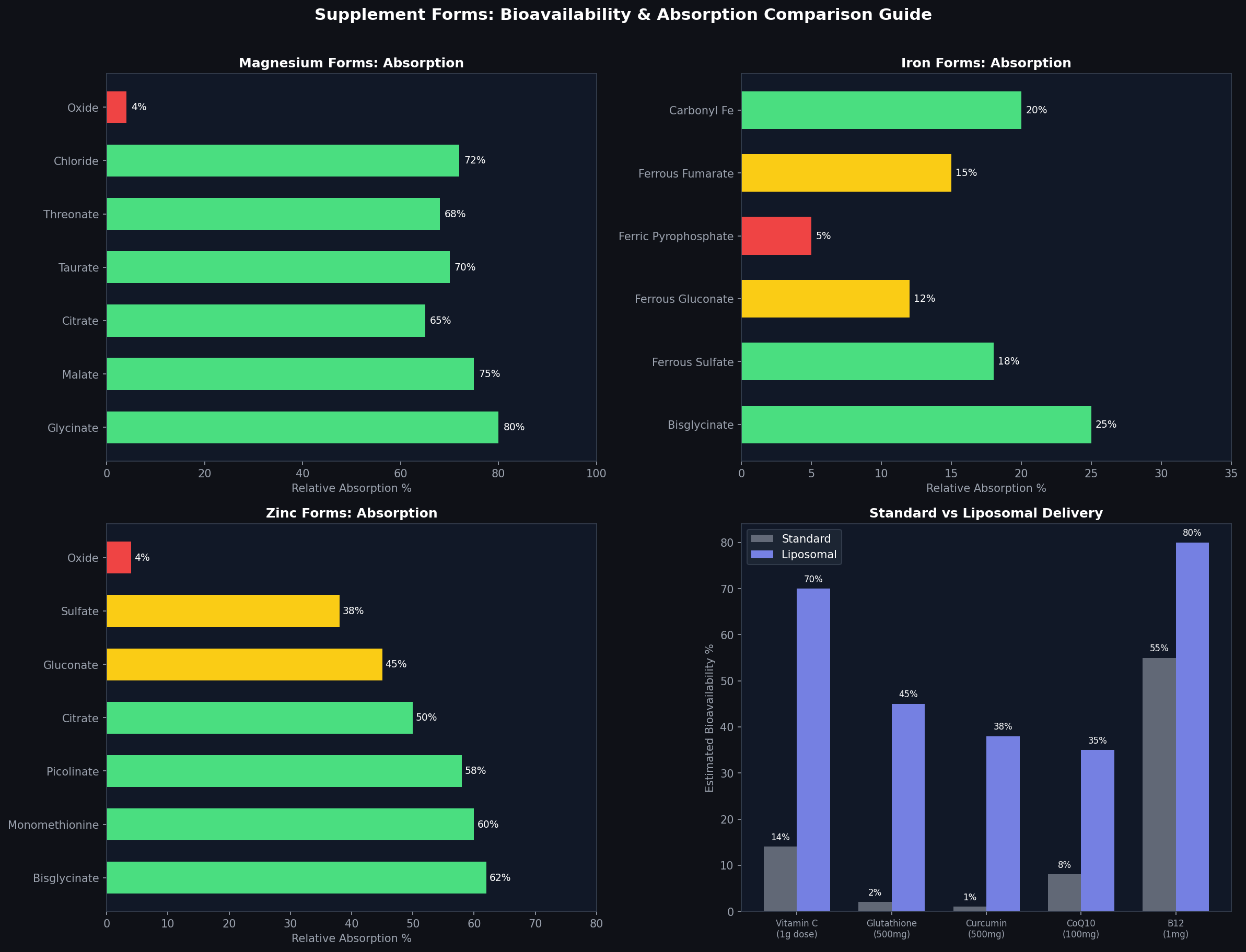
Standard quercetin aglycone has poor bioavailability — roughly 0-50% in studies, with high variability. Factors affecting absorption:
- Food matrix (quercetin glycosides from food absorbed differently than aglycone in supplements)
- Gut microbiome (converts quercetin glycosides to absorbable aglycone)
- Individual genetics
- Co-ingestion with fat
Enhanced forms:
Quercetin Phytosome (Quercefit®, Sophora japonica): Quercetin complexed with phosphatidylcholine. Several pharmacokinetic studies show 20-50x higher plasma levels compared to standard quercetin. This is the best-studied enhanced form.
Quercetin-3-glucoside (isoquercitrin, quercetin glycoside): Absorbed faster due to sugar transport mechanisms in the gut. Some evidence for better absorption than aglycone.
Quercetin-bromelain combinations: Bromelain (pineapple enzyme) is often combined with quercetin; bromelain itself has anti-inflammatory properties, and there’s some evidence it may modestly enhance quercetin absorption.
Liposomal quercetin: Encapsulated in liposomes. Claimed enhanced absorption but clinical data is limited compared to phytosome.
Nanoparticle formulations: Research stage for enhanced bioavailability; not widely available as supplements.
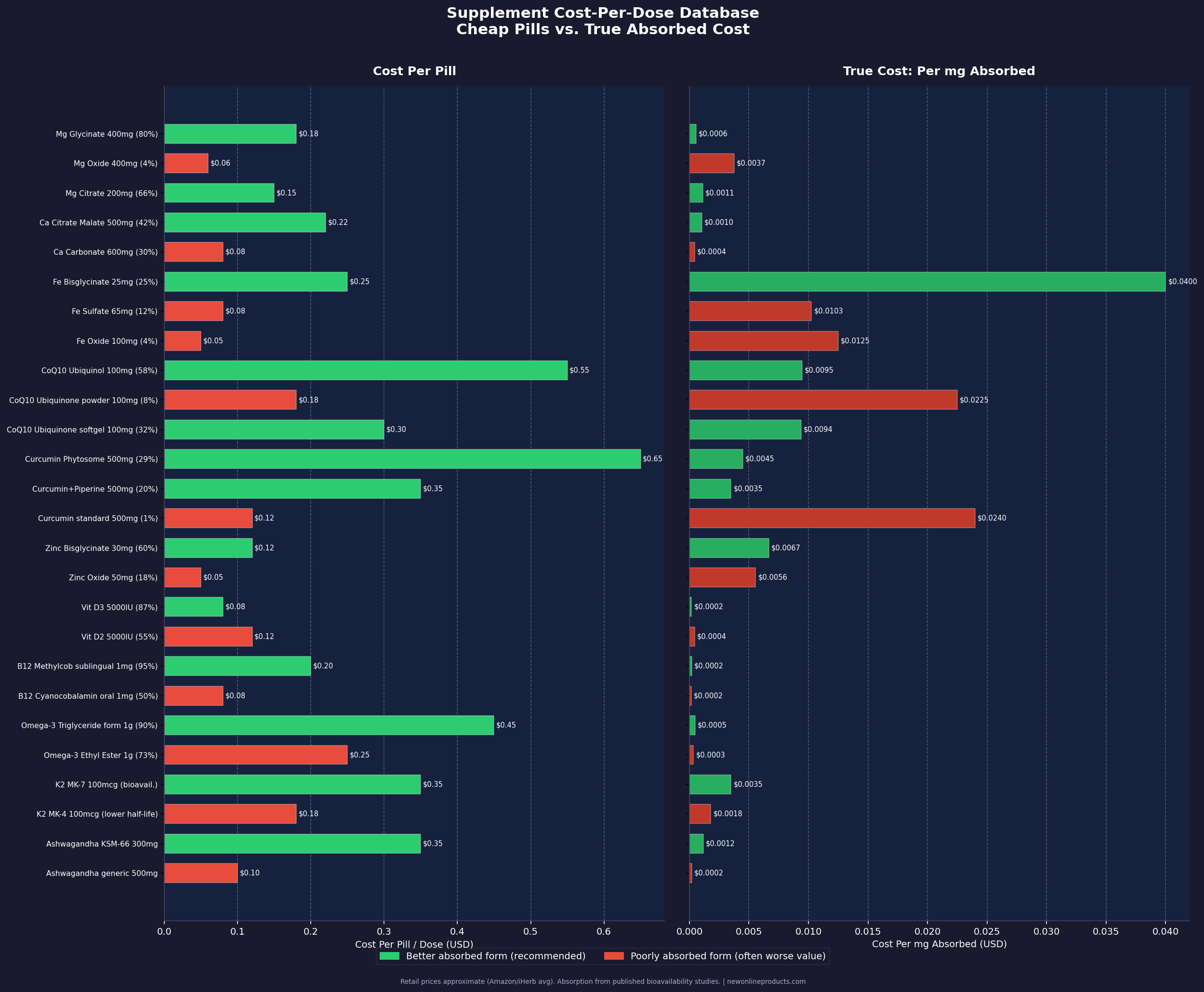
Bottom line: Choose quercetin phytosome (or another documented enhanced-bioavailability form like isoquercitrin) over standard quercetin powder for any therapeutic use. Standard quercetin at very high doses (1-2g/day) may achieve comparable therapeutic concentrations to lower doses of enhanced forms — but at higher cost and potential GI side effects.
Other Evidence-Based Benefits
Cardiovascular: Quercetin has blood pressure-lowering effects in hypertensive subjects. A 2007 RCT in Journal of Nutrition showed 730 mg/day quercetin reduced systolic BP by 7 mmHg in Stage 1 hypertensives. Meta-analyses support modest BP reduction.
Exercise performance: Several trials show quercetin improves VO2 max and endurance performance modestly. The effect size is small but consistent in meta-analyses.
Anti-inflammatory: Quercetin inhibits multiple inflammatory pathways. Clinical evidence for inflammatory conditions is preliminary.
Antiviral: Strong in vitro data for multiple viruses. Limited human clinical trial evidence for specific antiviral use.
Dosing and Safety
Typical doses:
- Allergy/immune support: 500-1000 mg/day (standard form) or 250-500 mg/day (phytosome)
- Senolytic protocol (intermittent): 1000-2000 mg 2-3 days per month
- Cardiovascular support: 500-1000 mg/day
Safety: Quercetin is generally well-tolerated at supplement doses. High doses (>1g/day long-term) have shown nephrotoxicity in some animal studies, though human data doesn’t clearly replicate this. As a precaution, those with kidney disease should be cautious with high-dose quercetin.
Drug interactions:
- CYP3A4 substrate drugs: Quercetin may inhibit this enzyme, potentially increasing levels of drugs like statins, certain calcium channel blockers, and others
- Cyclosporine: Increased levels reported
- Antibiotics (quinolones): May reduce absorption
- Always discuss with a physician if on multiple medications
Frequently Asked Questions
Q: Does quercetin work better than antihistamines for allergies?
A: No — pharmaceutical antihistamines work faster and more predictably for acute allergy symptoms. Quercetin’s advantage is as a preventive, with mast cell stabilization that may reduce overall allergic reactivity over time. Many people use quercetin alongside (not instead of) conventional allergy management.
Q: How long does quercetin take to work for allergies?
A: As a mast cell stabilizer, therapeutic benefit builds over 4-6 weeks of consistent use. Some people report reduced symptoms within 2-3 weeks, but starting before allergy season is ideal.
Q: Should I take quercetin with bromelain?
A: Yes, this is the classic pairing. Bromelain adds its own anti-inflammatory effects and may modestly improve quercetin absorption. Many products combine them.
Q: What’s the best way to increase quercetin from food?
A: Capers (highest quercetin per gram of any food), red onions, kale, apples (with skin), red grapes, green tea, and berries are the richest sources. Raw onions have more quercetin than cooked. A heavily plant-based diet can provide 50-200 mg/day of quercetin from food.
Q: Can quercetin cause kidney damage?
A: High-dose quercetin (>1g/day) in animal studies has shown renal crystal formation in some models. Human data hasn’t confirmed nephrotoxicity at normal supplement doses, but caution is warranted in those with pre-existing kidney disease or at very high doses. Enhanced-absorption forms (phytosome) allow lower doses for equivalent effect.
Key Takeaways
- Standard quercetin has very low bioavailability (approximately 1%); quercetin phytosome (complexed with lecithin) achieves 20x better absorption.
- Quercetin inhibits histamine release from mast cells and basophils – clinical evidence supports seasonal allergy and allergic rhinitis relief.
- As a senolytic (often stacked with fisetin), quercetin selectively clears senescent cells – promising for longevity research.
- Quercetin acts as a zinc ionophore, helping transport zinc into cells – often taken with zinc for antiviral support.
- Safe at 500-1,000 mg/day of enhanced forms; avoid high doses in pregnancy; may interact with cyclosporine and certain antibiotics.
Conclusion
Quercetin is a versatile supplement with genuine evidence for allergy support, emerging senolytic applications, and a favorable safety profile at standard doses. For allergy management and immune support, it’s most effective as a daily preventive using an enhanced-bioavailability form like quercetin phytosome. For those interested in longevity science, the senolytic potential — particularly when combined with fisetin — makes quercetin one of the more interesting longevity supplements in the 2026 landscape.
Prioritize bioavailability: quercetin phytosome provides the best evidence base for enhanced absorption. Standard quercetin is significantly less effective gram-for-gram.
Sources
- Reviews on quercetin supplementation. PubMed search.
- Reviews on quercetin and anti-inflammatory effects. PubMed search.
- Reviews on quercetin and allergy/histamine. PubMed search.
- Reviews on quercetin bioavailability. PubMed search.
- NIH ODS. Dietary supplement fact sheets.