Quick Answer: Omega-3 fatty acids, magnesium, zinc, and iron have the strongest clinical evidence as supportive supplements for ADHD in both children and adults. L-theanine, phosphatidylserine, and Bacopa monnieri show promising results in smaller trials. Lion’s mane and Pycnogenol have interesting preliminary data. None of these replace medication when medication is clinically indicated — but several have solid enough evidence to be worth discussing with your doctor as adjuncts to a comprehensive ADHD treatment plan.
Natural ADHD Supplements: What Has Real Evidence (2026 Guide) — Featured
Let’s get one thing out of the way immediately: this article isn’t here to tell you that a bottle of gummies can replace Adderall or Strattera. If your child or you have clinical ADHD that’s significantly impairing function, and medication helps — that’s a legitimate medical treatment and nothing in the supplement world comes close to matching its effect size. Anyone claiming otherwise is selling you something.
What this article is about is the legitimate, evidence-based role that certain nutrients and botanicals can play as adjuncts — meaning alongside medical treatment, not instead of it. The research here is real, much of it published in peer-reviewed journals, and the findings matter because ADHD is complex, medication isn’t right for everyone, and nutritional deficiencies genuinely contribute to symptom severity in ways that often go unaddressed.
ADHD is a neurological condition involving dysregulation of dopamine and norepinephrine signaling in the prefrontal cortex. What’s less commonly discussed is that the production, transport, and metabolism of these neurotransmitters is directly dependent on a range of nutrients — and deficiencies in those nutrients can make ADHD symptoms worse. Correcting deficiencies isn’t a cure, but it removes obstacles that shouldn’t be there in the first place.
Here’s what the research actually shows.
Supplement
Mechanism
Evidence Level
Children’s Dose
Adult Dose
Key Caution
Omega-3 (EPA/DHA)
Supports dopamine/serotonin membrane signaling
★★★★☆ Strong
500–750 mg EPA+DHA
1,000–2,000 mg
Take with food; use caution with blood thinners
Magnesium
NMDA modulation; dopamine/serotonin synthesis
★★★☆☆ Moderate
80–200 mg (glycinate)
200–400 mg
Use glycinate form; split high doses
Zinc
Dopamine transporter regulation
★★★☆☆ Moderate
15–20 mg
25–40 mg
Balance with 1–2 mg copper for long-term use
Iron (ferritin-low only)
Dopamine synthesis enzyme cofactor
★★★☆☆ Moderate
Test first; 1 mg/kg if deficient
Varies by ferritin level
Test before supplementing; iron toxicity is serious
L-Theanine
GABA modulation; alpha brain wave support
★★☆☆☆ Emerging
100–200 mg
200–400 mg
Well-tolerated; pairs well with stimulant medications
Phosphatidylserine
Neuronal membrane integrity; cortisol regulation
★★☆☆☆ Emerging
100–200 mg
100–200 mg
Best combined with omega-3s
Bacopa Monnieri
Acetylcholine support; anxiety modulation
★★☆☆☆ Emerging
Not recommended under 6
300–450 mg
Takes 8–12 weeks; GI side effects if taken without food
Pycnogenol
Catecholamine metabolism; antioxidant
★★☆☆☆ Emerging
1 mg/kg/day
40–100 mg
Effects diminish when supplementation stops
Vitamin D
Dopaminergic pathway receptor support
★★☆☆☆ Emerging
Test first; varies by level
Test first; varies
Test and correct deficiency rather than blind supplementing
Omega-3 Fatty Acids: The Strongest Evidence in the Stack
If you’re only going to add one supplement to an ADHD management protocol, omega-3s are the most defensible choice — and the evidence supporting this is considerably better than most people realize.
DHA (docosahexaenoic acid) and EPA (eicosapentaenoic acid) are structural components of brain cell membranes and play direct roles in dopaminergic and serotonergic neurotransmission. The brain is approximately 60% fat, and DHA is the dominant fatty acid in neural tissue. Without adequate omega-3s, cell membrane fluidity suffers, and with it, the speed and reliability of neurotransmitter signaling.
A 2012 meta-analysis in Neuropsychopharmacology analyzed 10 randomized controlled trials and found statistically significant improvements in ADHD symptoms with omega-3 supplementation — specifically in inattention, hyperactivity, and impulsivity. The effect size was rated as small-to-moderate. A 2014 Cochrane review was more conservative, noting heterogeneity in the trials, but still found the evidence supportive of a modest beneficial effect.
Multiple studies have noted that children and adults with ADHD consistently show lower blood levels of DHA and EPA compared to neurotypical peers. Whether this is causal or correlated remains somewhat debated, but the association is robust enough that it’s worth taking seriously.
Dosing: Most research has used EPA + DHA doses ranging from 500–2000 mg/day. For children, 500–750 mg combined EPA/DHA is a starting point; adults with ADHD may benefit from higher doses in the 1000–2000 mg range, with some evidence that higher EPA relative to DHA may be particularly helpful for mood and attention symptoms.
Practical note: Many ADHD medications reduce appetite, which in turn reduces dietary fat intake, which in turn reduces omega-3 availability. This creates a feedback loop that supplementation can help interrupt.
Magnesium: The Quiet Deficiency Nobody’s Checking
Magnesium is involved in over 300 enzymatic reactions in the body, including the synthesis and regulation of dopamine and serotonin. It’s also a natural NMDA receptor antagonist — essentially helping to modulate the excitatory glutamate system that, when overactive, contributes to hyperactivity and anxiety.
The research on magnesium and ADHD is consistent: children with ADHD show higher rates of magnesium deficiency than age-matched controls. A frequently cited Polish study found that 95% of children with ADHD were deficient in magnesium, and that supplementation for six months produced significant improvements in attention and hyperactivity compared to controls. A 2017 study in Nutrients corroborated these findings.
Adults with ADHD are less well-studied specifically, but magnesium deficiency is common in the general adult population (estimates suggest 50-70% of Americans don’t meet the RDA), and deficiency is associated with anxiety, poor sleep, and difficulty with concentration — all symptoms that overlap heavily with ADHD.
Form matters: Magnesium oxide is cheap and common but poorly absorbed. Magnesium glycinate offers superior absorption with minimal digestive side effects and has the added bonus of glycine, which has calming properties. Magnesium malate is another good option. For children, magnesium glycinate powder (unflavored or lightly flavored) is easy to incorporate into drinks.
Dosing: Children: 80-200 mg/day elemental magnesium. Adults: 200-400 mg/day. Magnesium taken at night has the additional benefit of supporting sleep quality — a particular issue for many with ADHD.
Zinc: The Dopamine Regulator
Zinc isn’t discussed as often as omega-3s or magnesium in ADHD conversations, but the evidence warrants its inclusion. Zinc is a cofactor in the synthesis of dopamine and plays a regulatory role in dopamine transporter function — the very system targeted by stimulant medications.
Several studies have found lower zinc levels in children with ADHD compared to controls. A Turkish study found that zinc supplementation as an adjunct to stimulant medication allowed clinically effective results at lower medication doses — suggesting genuine additive or synergistic effects. A study by Akhondzadeh et al. published in BMC Psychiatry found that zinc alone produced significant ADHD symptom improvement compared to placebo over 6 weeks.
The zinc-dopamine connection is direct enough that some researchers consider it an underappreciated pathway in ADHD pathophysiology.
Important caveat: More zinc is not better. High-dose zinc supplementation can deplete copper (they compete for absorption), and copper deficiency has its own neurological consequences. If supplementing long-term, a zinc-to-copper ratio of approximately 10:1 is generally considered safe — meaning a small amount of copper supplementation alongside zinc is prudent.
Dosing: 15-30 mg/day elemental zinc for children; 25-40 mg for adults.
Iron: The Most Overlooked Factor
This may be the most underdiscussed ADHD nutrient connection in mainstream conversations. The research is striking.
A 2004 study by Konofal et al. in Archives of Pediatrics & Adolescent Medicine found that 84% of children with ADHD had low ferritin levels (below 30 ng/mL), compared to 18% of neurotypical controls. Importantly, ferritin levels inversely correlated with ADHD severity — the lower the ferritin, the worse the symptoms.
Follow-up work showed that iron supplementation in children with confirmed low ferritin improved attention scores significantly. The mechanism: dopamine synthesis requires iron-dependent enzymes. Low iron doesn’t just make you tired; it impairs the neurochemical machinery underlying attention and impulse control.
The practical issue: standard blood tests often check hemoglobin for anemia but not ferritin. A child can have normal hemoglobin (not clinically anemic) but have iron stores depleted enough to affect brain function. Many pediatricians aren’t in the habit of checking ferritin in ADHD patients. If your child has been diagnosed with ADHD, requesting a ferritin test is entirely reasonable and potentially game-changing.
Important: Don’t supplement iron without confirmed deficiency. Iron toxicity is serious, and excess iron is pro-oxidant. Test first, supplement if indicated.
L-Theanine: Calm Focus Without Sedation
L-theanine is an amino acid found naturally in green tea. It promotes alpha brain wave activity — the brain state associated with relaxed focus — without causing sedation. It does this partly by increasing GABA and reducing glutamate excitatory activity.
For ADHD, the evidence is modest but interesting. A 2011 RCT in Nutritional Neuroscience (the Higashiyama study) found that boys with ADHD who received 400 mg/day of L-theanine showed significantly improved sleep efficiency and reduced midpoint nocturnal activity compared to placebo. Sleep is a major issue in ADHD — up to 75% of people with ADHD have sleep difficulties, and poor sleep dramatically worsens symptoms.
A small 2019 study found that L-theanine combined with caffeine improved attention-switching and reduced impulsivity in adults with ADHD more than either alone. This mirrors the well-established cognitive findings in neurotypical populations.
L-theanine is safe, well-tolerated, and pairs well with stimulant medications (potentially smoothing out the edge some people feel from stimulants without reducing effectiveness). It’s one of the more practical additions to an ADHD support stack.
Dosing: 100-400 mg/day. Children tend to do well at lower doses (100-200 mg).
Phosphatidylserine: The Cell Membrane Support
Phosphatidylserine (PS) is a phospholipid that’s a key component of neuronal cell membranes. It supports cellular signaling and has documented effects on cortisol regulation. The FDA has permitted a qualified health claim that PS may reduce the risk of cognitive dysfunction.
In the ADHD context, a well-designed double-blind RCT published in the Journal of Human Nutrition and Dietetics (2014) gave 200 mg/day of PS to children with ADHD for 2 months. The results showed significant improvements in attention, short-term memory, and impulsivity compared to placebo. Another study found that PS combined with omega-3s produced greater improvements than either alone.
The research here is real, though the study sizes are still relatively small. PS is food-derived (found in organ meats and fish), largely safe, and the mechanism is plausible and well-understood. It’s a reasonable addition for both children and adults, particularly when combined with omega-3 supplementation.
Dosing: 100-200 mg/day.
Bacopa Monnieri: The Ayurvedic Attention Herb
Bacopa monnieri is an herb with a long history in Ayurvedic medicine and an increasingly robust modern evidence base. It works primarily by supporting acetylcholine signaling (the neurotransmitter central to memory and attention) and by reducing anxiety through modulation of serotonin and GABA pathways.
Several systematic reviews confirm Bacopa’s cognitive effects in adults — particularly for memory formation and verbal learning. The ADHD-specific research is more limited but promising. A 2010 RCT in Journal of Alternative and Complementary Medicine found that children with ADHD who received Bacopa extract showed significant improvements in cognitive performance, including attention, impulsivity, and learning over a 12-week period.
Bacopa’s effects are slow to build (4-6 weeks before notable results) and require consistent use. It’s not a fast-acting focus compound. It’s best thought of as a longer-term neurological support rather than a situational attention aid.
Side note: Bacopa can cause nausea and digestive discomfort, especially on an empty stomach. Always take with food.
Dosing: 300-450 mg/day of a standardized extract (45% bacosides). Allow 8-12 weeks to assess effect.
Pycnogenol: The Surprising French Pine Bark Option
Pycnogenol is a standardized extract of French maritime pine bark, containing a complex of proanthocyanidins with antioxidant and anti-inflammatory properties. It sounds obscure, but it’s been the subject of surprisingly solid ADHD research.
A 2006 randomized controlled trial published in European Child & Adolescent Psychiatry tested 1 mg/kg/day Pycnogenol in children with ADHD versus placebo for one month. Outcomes: significant improvements in hyperactivity and attention, with reduced oxidative stress markers. A subsequent study showed that these benefits diminished when supplementation stopped, suggesting ongoing use is needed.
The proposed mechanism involves normalizing catecholamine (dopamine/norepinephrine) metabolism and reducing oxidative damage in neural tissue. The research is limited in quantity but higher quality than most supplement research in this area.
Dosing: 1 mg/kg body weight daily; typical adult doses run 40-100 mg/day.
Lion’s Mane and Vitamin D: Emerging Players
Lion’s mane mushroom (Hericium erinaceus) is best known for its nerve growth factor (NGF) stimulating properties. For ADHD specifically, the research is very preliminary — mostly animal studies and small human trials in other cognitive domains. It’s interesting enough to mention, not yet robust enough to make strong claims about.
Vitamin D deserves more attention in ADHD discussions. A 2018 meta-analysis found significant associations between vitamin D deficiency and ADHD. Vitamin D receptors are found throughout dopaminergic pathways in the brain. A 2019 RCT found that vitamin D supplementation significantly improved ADHD symptoms in deficient children. Given that vitamin D deficiency is widespread, checking levels and correcting deficiency makes practical sense for anyone managing ADHD.
Building a Rational Stack (With Honest Caveats)
For children with ADHD:
Fish oil (500-750 mg EPA+DHA combined) — check omega-3 index if possible
Magnesium glycinate (80-200 mg at night)
Zinc (15-20 mg, with copper if using long-term)
Check ferritin and vitamin D levels; supplement if deficient
Phosphatidylserine (100-200 mg) if budget allows
For adults with ADHD:
Fish oil (1000-2000 mg EPA+DHA)
Magnesium glycinate (200-400 mg, evening)
Zinc (25-30 mg with small copper dose)
L-theanine (200 mg, particularly if stimulants are used)
Bacopa monnieri (300-450 mg) — allow 8-12 weeks
Vitamin D (test and replace if deficient)
None of this replaces a proper evaluation by a psychiatrist or developmental pediatrician. Medication, behavioral therapy, environmental modifications, and lifestyle factors (sleep, exercise, dietary quality) all have larger effect sizes than any supplement. Supplements are support — not solutions.
Frequently Asked Questions
Can supplements replace ADHD medication?
No. Stimulant and non-stimulant medications for ADHD have significantly larger effect sizes than any supplement currently studied. Omega-3s and magnesium can meaningfully support brain function and may reduce symptom severity, but they work best as adjuncts to — not replacements for — a comprehensive treatment plan that may include medication, behavioral therapy, and lifestyle changes.
What is the most evidence-based supplement for ADHD?
Omega-3 fatty acids (EPA and DHA) have the most consistent evidence across multiple meta-analyses and randomized controlled trials. The effect size is small-to-moderate, but the safety profile is excellent and the supplements are widely accessible. Magnesium is a close second, particularly when deficiency is confirmed through testing.
How do I know if my child with ADHD is iron or magnesium deficient?
Blood testing is the only reliable method. For iron, ask your pediatrician to test serum ferritin (not just hemoglobin) — ferritin reflects stored iron and can be depleted even when hemoglobin is normal. For magnesium, a standard metabolic panel offers limited accuracy; RBC magnesium levels provide a more reliable picture and are offered by functional medicine practitioners.
Is L-theanine safe for children with ADHD?
Yes, L-theanine is generally considered safe for children and has been studied in ADHD populations. A 2011 RCT found it improved sleep efficiency in boys with ADHD. It is not stimulating, pairs well with ADHD medications by smoothing the stimulant edge, and has a favorable tolerability profile. Start at 100–200 mg and assess response.
Does diet affect ADHD symptoms?
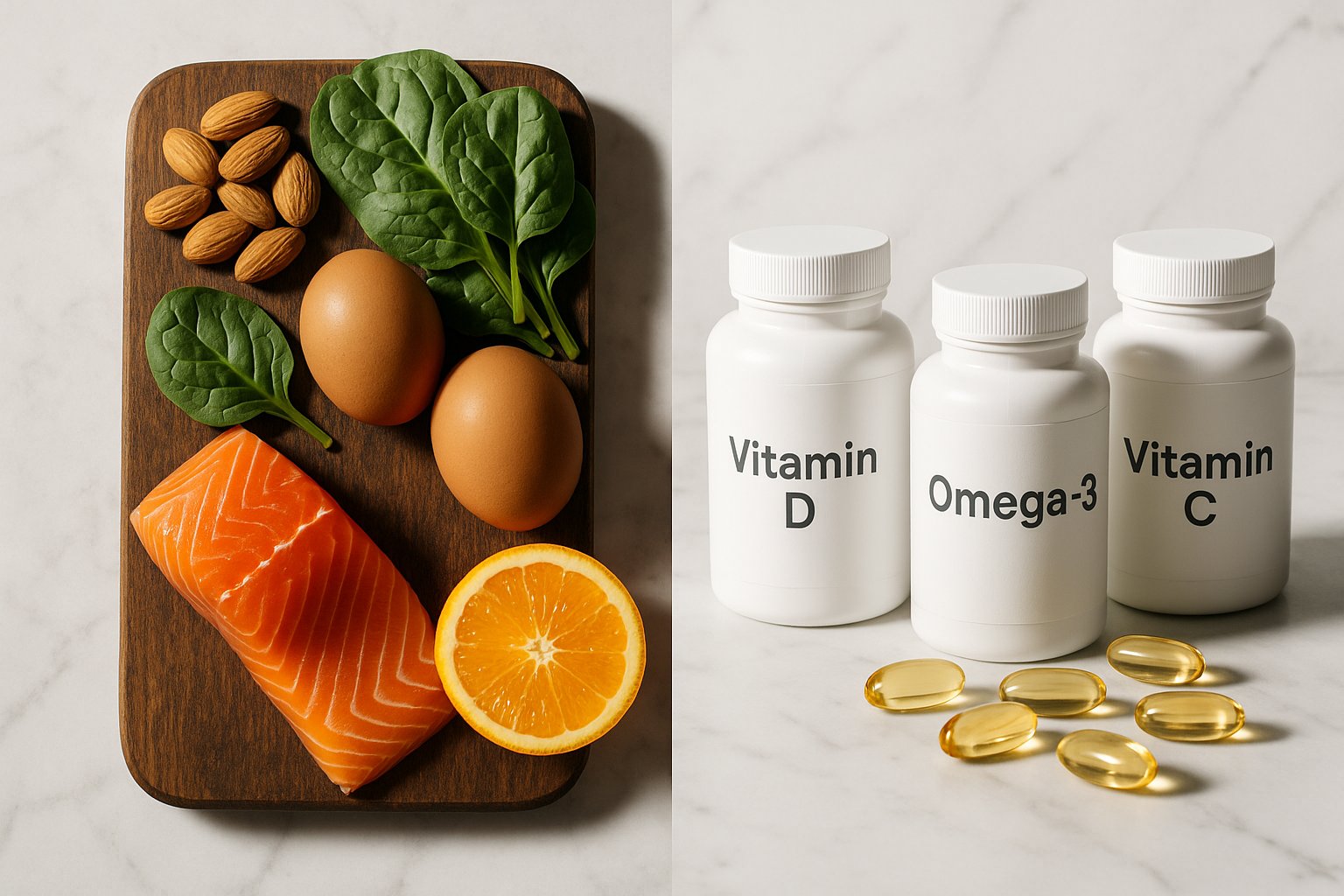
Yes, meaningfully. Diets high in sugar, artificial additives, and refined carbohydrates are associated with worse ADHD symptoms. Adequate protein intake supports dopamine and norepinephrine synthesis. The elimination of artificial food dyes shows modest benefit for hyperactivity in some research. A whole-food diet rich in omega-3s, zinc, magnesium, and iron provides the nutritional foundation that supplements can only build upon.
Sources
Bloch MH, Qawasmi A. “Omega-3 fatty acid supplementation for the treatment of children with attention-deficit/hyperactivity disorder.” JAMA Pediatrics. 2011. PMID: 21961774
Konofal E, et al. “Iron deficiency in children with attention-deficit/hyperactivity disorder.” Archives of Pediatrics & Adolescent Medicine. 2004. PMID: 15583094
Ucuz II, et al. “Zinc supplementation in children with ADHD: A 6-month randomized trial.” BMC Psychiatry. 2011. doi:10.1186/1471-244X-11-111
Mousain-Bosc M, et al. “Magnesium VitB6 intake reduces central nervous system hyperexcitability in children.” Journal of the American College of Nutrition. 2004. PMID: 15190448
Trebatická J, et al. “Treatment of ADHD with French maritime pine bark extract, Pycnogenol.” European Child & Adolescent Psychiatry. 2006. PMID: 16977352
Higashiyama A, et al. “Effects of L-theanine on attention and reaction time response.” Journal of Functional Foods. 2011. doi:10.1016/j.jff.2011.03.009
Hirayama S, et al. “The effect of phosphatidylserine administration on memory and symptoms of attention-deficit hyperactivity disorder.” Journal of Human Nutrition and Dietetics. 2014. PMID: 23495677
Katz M, et al. “A compound herbal preparation (CHP) in the treatment of children with ADHD.” Journal of Alternative and Complementary Medicine. 2010. PMID: 20180696




Leave a Reply