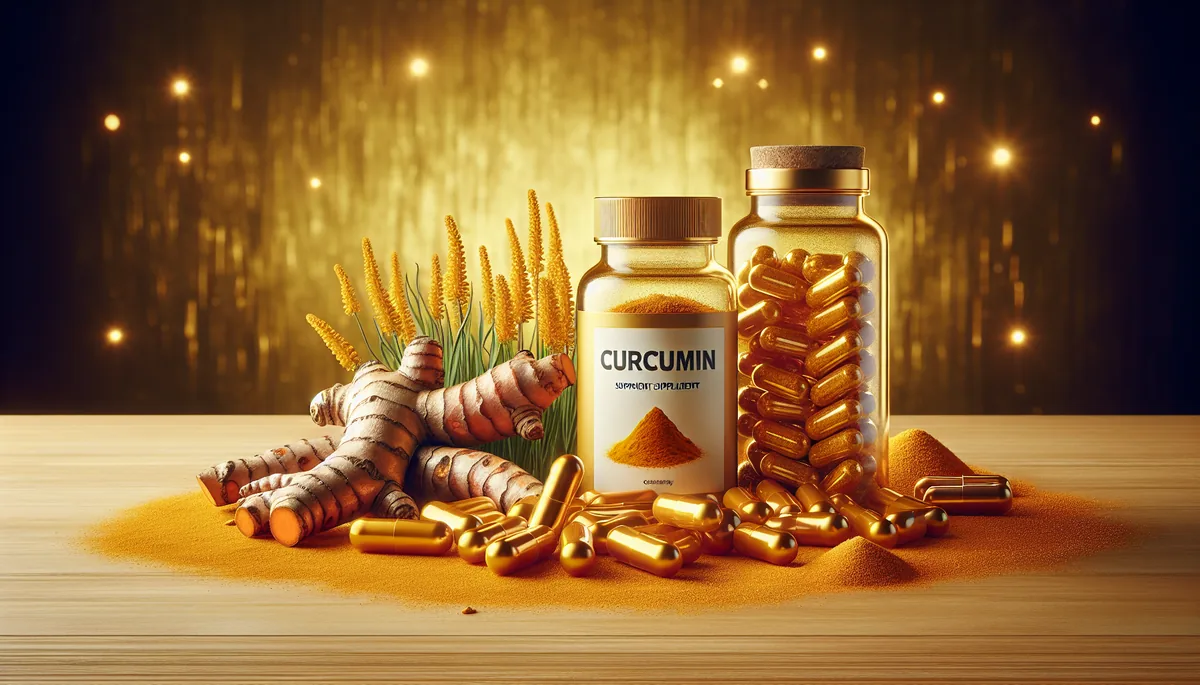
Turmeric gets a lot of hype in recovery supplements, and there is a real reason for that. Its active compound, curcumin, can modulate inflammatory pathways involved in soreness and post-exercise tissue stress. But “reducing inflammation” is not automatically a good thing in every training context. Adaptation requires some inflammatory signaling. So the right question is not whether turmeric does anything. It is whether it helps enough, in the right situation, without blunting useful training adaptations.
Beyond exercise recovery, turmeric is widely used for chronic joint issues. See our guide on turmeric for joint inflammation and what the evidence actually supports.
Quick Answer
Curcumin (the bioactive compound in turmeric) has demonstrated genuine post-exercise recovery benefits in multiple RCTs — primarily reducing DOMS (delayed-onset muscle soreness), accelerating recovery of muscle force output, and reducing post-exercise markers of muscle damage (CK, LDH) and inflammation (IL-6, TNF-alpha). The key requirement is bioavailable curcumin formulations (Longvida, Theracurmin, Meriva) rather than plain turmeric powder — unenhanced turmeric shows inconsistent results due to poor absorption. Effects are most pronounced for the muscle soreness and recovery timeline, with less evidence for directly improving athletic performance.
Key Takeaways
- A 2015 RCT (Drobnic et al.) using Meriva (bioavailable curcumin) at 400 mg/day vs. placebo over 5 months in a soccer team found significantly lower DOMS scores, lower CK and LDH (muscle damage markers), and better post-training muscle performance recovery — one of the longest-duration exercise recovery curcumin trials.
- Longvida (SLCP lipid matrix curcumin) has been specifically studied for DOMS in amateur cyclists and resistance trainers — a 2014 RCT found 400 mg/day Longvida reduced lower-limb muscle pain and tenderness at 24-72 hours post-eccentric exercise vs. placebo, with significant CK reduction at 96 hours.
- The anti-DOMS mechanism operates through COX-2 and LOX-5 inhibition (reducing prostaglandin and leukotriene production from exercise-damaged tissue) and NF-kB suppression (reducing the downstream cytokine cascade) — the same targets as NSAIDs, but via a slower-onset, chronic supplementation pathway.
- Curcumin potentially raises a recovery-specific controversy: it may partially attenuate some of the adaptive inflammation from exercise (the same that drives hypertrophy signaling). Current evidence suggests this concern is primarily theoretical at supplemental doses and that any attenuation of beneficial inflammation is outweighed by DOMS reduction and recovery quality benefits.
- Practical protocol for exercise recovery: 500-1000 mg bioavailable curcumin (Longvida, Meriva, or Theracurmin) with a fat-containing meal, daily rather than only on training days. Pre-workout dosing (1 hour before) may also blunt acute post-exercise inflammatory cascade initiation, but chronic daily dosing is the more evidence-supported approach.
The short answer: curcumin may modestly help with soreness, perceived recovery, and some muscle-damage markers, especially after hard or unfamiliar exercise, but it is not a replacement for sleep, protein, hydration, or intelligent programming.
Why Turmeric Is Used for Recovery
Curcumin appears to influence NF-kB, COX-2, and other pathways related to inflammation and oxidative stress. That makes it attractive after high-volume training, races, or eccentric exercise that creates more delayed-onset muscle soreness.
This mechanism is plausible, and unlike some “recovery” ingredients, curcumin actually has human research behind it.
What the Research Says
Soreness and muscle damage
Several studies have found that curcumin supplementation can reduce perceived soreness and may lower markers such as creatine kinase after strenuous exercise. A 2021 review in Nutrients and related sports-nutrition reviews suggest small but potentially useful benefits for recovery, especially in unaccustomed or damaging exercise.
Performance recovery
Some trials show improved recovery of strength or range of motion after eccentric exercise. The effect is not dramatic, but it can matter if you are training again soon.
Inflammation markers
Curcumin may reduce inflammatory signaling, but the results are mixed and depend on dose, timing, and formulation.
Where Curcumin Seems Most Useful
During unusually hard training blocks
If you are increasing volume, doing repeated competitions, or coming back from a layoff, curcumin may help take the edge off recovery demands.
For people who get a lot of soreness
Some individuals respond especially well to anti-inflammatory nutrition strategies. If you are the kind of person who gets wrecked by downhill running, high-rep squats, or novel training, curcumin is more interesting.
For older active adults
Recovery capacity often gets worse with age. Curcumin may be more useful when the goal is staying consistent and comfortable, not maximizing every molecular adaptation signal.
Where Caution Makes Sense
Around adaptation-heavy training phases
Some sports scientists worry that heavily suppressing inflammation all the time could reduce training adaptation. This concern is strongest with aggressive NSAID use and high-dose antioxidant strategies, but it is still worth thinking about with chronic curcumin use.
If you only want a shortcut
No supplement compensates for poor basics. If protein intake, sleep, hydration, and load management are sloppy, turmeric is not going to rescue the plan.
Best Type of Turmeric for Recovery
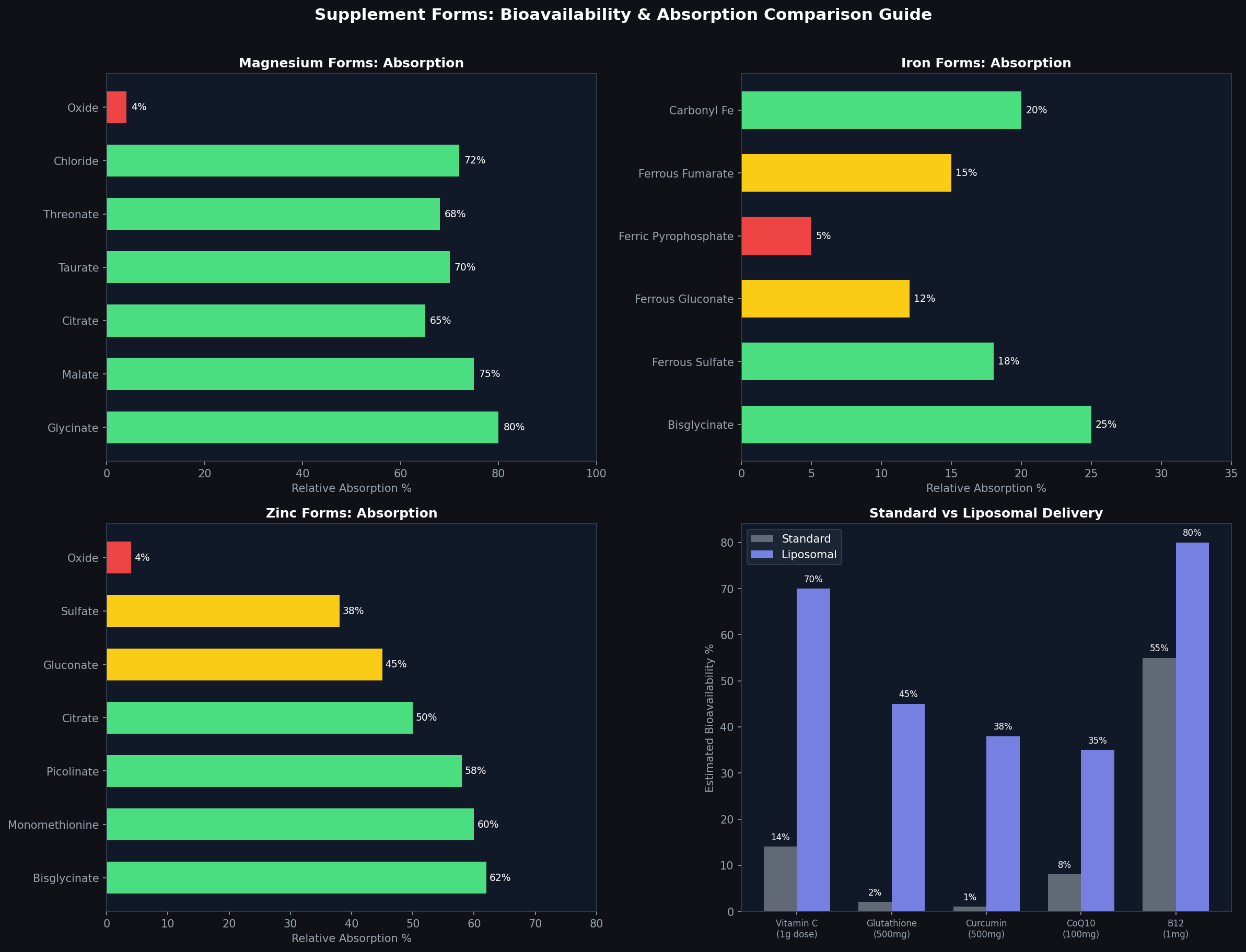
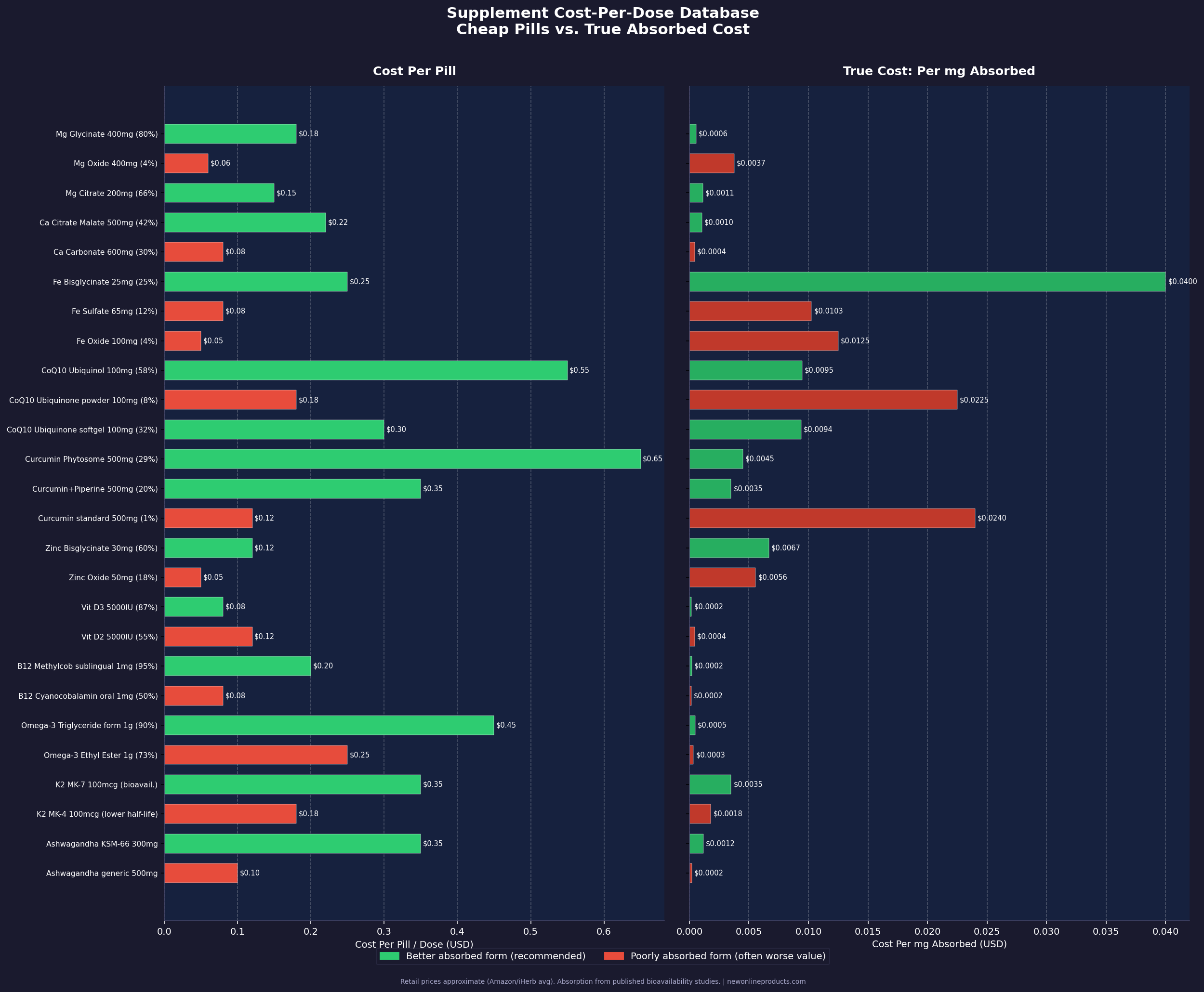
Standard turmeric powder is usually too weak for this purpose. If you want a fair trial, choose a bioavailable curcumin supplement such as:
- Curcumin with piperine
- Phytosomal curcumin like Meriva
- Micellar or liposomal curcumin
A common practical range is 500 to 1,000 mg of bioavailable curcumin daily, often around hard training sessions.
How to Use It
Option 1: Daily during demanding training
Useful when soreness is stacking up over a week or block.
Option 2: Short-term around intense sessions or events
Useful when recovery speed matters more than long-term adaptation concerns.
Option 3: With meals for tolerance
Most users do better taking curcumin with food, especially standard extract formulas.
FAQ
Does turmeric reduce muscle soreness?
It may modestly reduce soreness, especially after eccentric or unfamiliar exercise. The effect is usually helpful, not dramatic.
Is curcumin better than turmeric powder for recovery?
Yes. Most sports-recovery studies use curcumin extracts or enhanced formulations rather than culinary turmeric powder.
Can turmeric hurt gains?
Probably not in moderate use, but it is reasonable to avoid over-relying on anti-inflammatory supplements during phases where maximum adaptation is the priority.
How long does it take to work?
Some users take it acutely around hard training, while others notice the biggest benefit after several days or weeks of consistent use.
References
- Tanabe Y, et al. Curcumin supplementation and exercise-induced muscle damage and soreness: multiple human trials and reviews.
- McFarlin BK, et al. Curcumin and delayed onset muscle soreness after exercise. Eur J Appl Physiol.
- Nicol LM, et al. Curcumin supplementation and recovery following exercise-induced muscle damage. Eur J Appl Physiol.
- Jäger R, et al. International Society of Sports Nutrition position stand on nutritional considerations for recovery. J Int Soc Sports Nutr.
- Hewlings SJ, Kalman DS. Curcumin: a review of its effects on human health. Foods. 2017.
The Bottom Line
Turmeric can help recovery after exercise, but mainly in the form of bioavailable curcumin, not random low-dose turmeric powder. The benefit seems most relevant for soreness, comfort, and short-term recovery during hard training or after damaging sessions. It is a useful tool, just not a magic one.
This article is for informational purposes only and does not constitute medical advice. Consult your healthcare provider before starting any new supplement regimen.
Related Articles
- Turmeric for Joints and Inflammation
- Liposomal Curcumin vs Standard Curcumin
- Tart Cherry for Soreness and Sleep
- Creatine Plus Protein: The Recovery Stack
- Recovery Supplements After 40
Sources
- Systematic reviews on curcumin and joint pain. PubMed search.
- Reviews on turmeric/curcumin bioavailability. PubMed search.
- Reviews on curcumin and anti-inflammatory mechanisms. PubMed search.
- National Institutes of Health. Turmeric fact sheet for health professionals.
- Reviews on liposomal curcumin and absorption. PubMed search.
📚 Part of our Best Turmeric & Curcumin Supplements hub. Explore all our curcumin evidence reviews.