Turmeric Tea Benefits: What the Science Actually Shows
Quick Answer: Turmeric tea provides curcumin, the plant’s primary bioactive compound, which has genuine anti-inflammatory and antioxidant properties supported by hundreds of studies. Regular consumption may help with joint discomfort, mild cognitive support, and gut health. The main limitation is absorption — curcumin is poorly bioavailable on its own, so pairing turmeric with black pepper (piperine) and a fat source dramatically improves how much your body actually uses.
Anti-Inflammatory Effects
Curcumin’s anti-inflammatory mechanisms are well-characterized. It suppresses multiple pro-inflammatory pathways including NF-κB (nuclear factor kappa B), a transcription factor that regulates genes encoding for inflammatory cytokines like TNF-alpha, interleukin-6, and COX-2 enzymes. NF-κB is implicated in chronic inflammatory conditions from arthritis to atherosclerosis.
A comprehensive review published in Molecules analyzed 700+ curcumin studies and concluded that curcumin exhibits significant anti-inflammatory effects comparable to some pharmaceutical anti-inflammatory drugs — but without the gastrointestinal side effects associated with long-term NSAID use. The caveat: most high-quality studies used curcumin extracts at 500–2,000 mg/day, not turmeric tea with its lower curcumin content.
For turmeric tea specifically, the curcumin dose per cup is substantially lower than capsule studies — roughly 100–200 mg curcumin assuming a 1 teaspoon (about 3g) serving of turmeric powder, before accounting for absorption losses. This means tea drinkers are working with a real but more modest dose than clinical trials typically use.
Joint Health and Arthritis
This is arguably the best-supported application for turmeric/curcumin. Multiple randomized controlled trials have examined curcumin in osteoarthritis (OA) and rheumatoid arthritis (RA) patients. A 2016 meta-analysis in the Journal of Medicinal Food pooled data from 8 RCTs and found that curcumin supplementation produced significant reductions in joint pain and improved physical function compared to placebo. The effect size was modest but consistent across trials.
A frequently cited 2014 study in Clinical Interventions in Aging compared curcumin to ibuprofen in patients with knee OA and found comparable pain relief, with curcumin producing fewer gastrointestinal side effects. These were supplemental doses (1,000 mg/day of curcumin), not tea doses — but the tea provides a low-dose, cumulative daily exposure that may offer milder, sustained benefit for people with mild joint discomfort.
Antioxidant Activity
Curcumin is a potent antioxidant — it directly scavenges reactive oxygen species (free radicals) and also upregulates the body’s own antioxidant enzymes, particularly superoxide dismutase (SOD), catalase, and glutathione peroxidase. This dual mechanism makes it more effective than simple antioxidants that only work through one pathway.
Oxidative stress is a contributing factor in aging, cardiovascular disease, diabetes, and neurodegenerative disease. While “antioxidant” has become marketing jargon, the mechanistic evidence for curcumin is more robust than for most claimed antioxidants. One honest caveat: translating antioxidant activity from test tubes (in vitro) to human health outcomes is difficult, and definitive clinical evidence for disease prevention remains limited.
Brain Health and Cognitive Support
Curcumin can cross the blood-brain barrier, which is unusual among polyphenols. Animal studies have shown it reduces amyloid plaque accumulation and tau tangles — the hallmarks of Alzheimer’s disease pathology — but human clinical trials have produced more mixed results.
A 2018 double-blind RCT published in the American Journal of Geriatric Psychiatry found that 90 mg of a bioavailable curcumin formulation twice daily for 18 months significantly improved memory and attention in older non-demented adults compared to placebo. Brain scans showed reduced amyloid and tau signals in brain regions involved in mood and memory. This is among the most compelling human trials to date, though the curcumin formulation used had enhanced bioavailability, making direct application to tea drinking uncertain.
For turmeric tea as a daily habit, the cognitive benefit is more plausible as a long-term, low-dose protective strategy than a short-term nootropic effect.
Gut Health
Turmeric has traditional use for digestive complaints, and some evidence supports this. Curcumin appears to modulate the gut microbiome, promoting beneficial bacterial growth and reducing inflammatory markers in the gut lining. A small RCT found that curcumin reduced symptoms of irritable bowel syndrome (IBS). Curcumin also stimulates bile production, which can aid fat digestion.
Interestingly, the gut may actually be one of the better delivery routes for curcumin’s effects, since even if systemic absorption is low, local concentrations in the intestinal lining can be quite high — potentially explaining gastrointestinal benefits even when bioavailability limits systemic effects.
How to Make Turmeric Tea That Actually Works
Most “turmeric tea” recipes produce a pleasant drink with minimal bioavailability. Here’s how to make one that’s both enjoyable and maximally effective:
Basic bioavailable recipe:
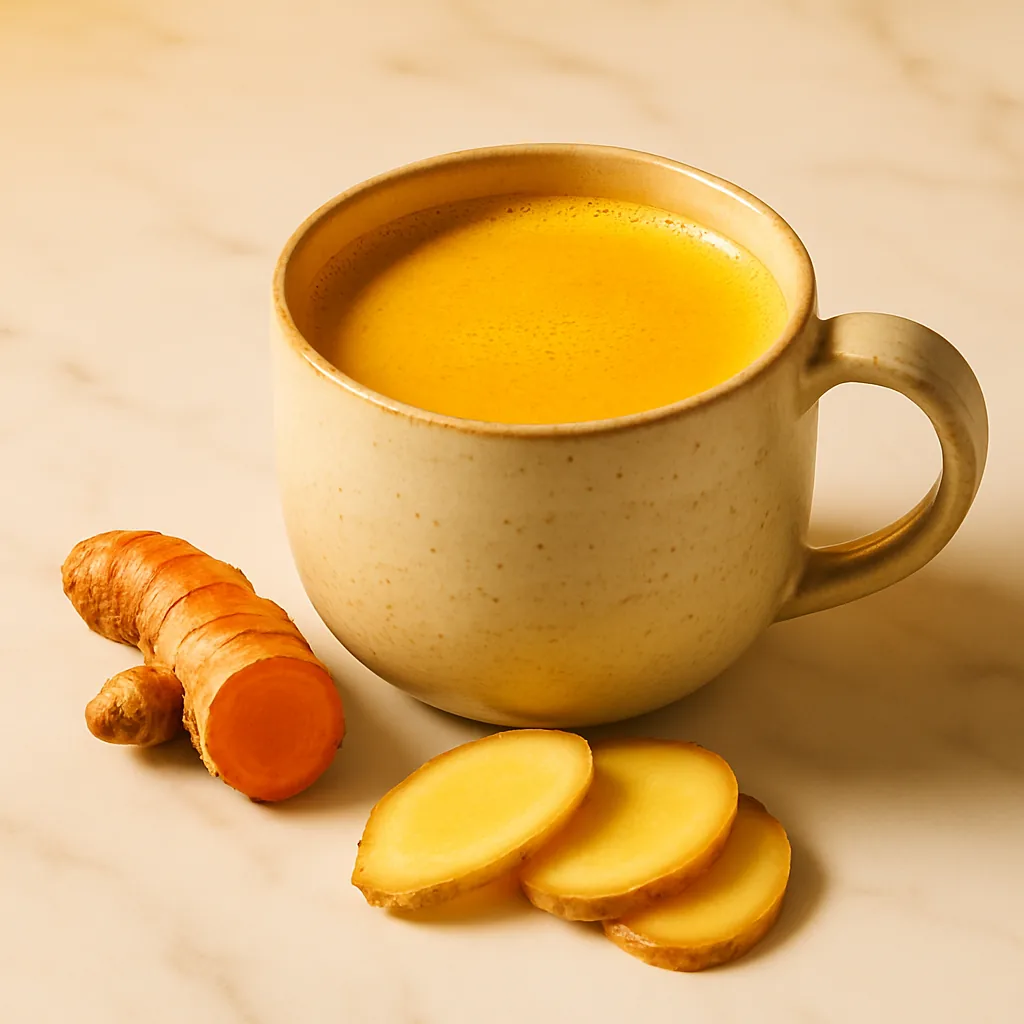
1 teaspoon (3g) turmeric powder
A pinch (1/8 tsp) black pepper
1 teaspoon coconut oil, ghee, or MCT oil
8 oz hot (not boiling) water or milk of choice
Optional: cinnamon, ginger, honey, or maple syrup to taste
Combine the turmeric, black pepper, and oil in your mug, then pour over hot liquid and stir or froth. The fat and piperine together can increase curcumin absorption many-fold compared to turmeric in water alone.
Why not boiling water? Very high temperatures can degrade curcumin somewhat, though this effect is modest for typical brewing temperatures.
Consistency matters more than dose. Daily low-dose exposure over weeks and months appears more effective for most outcomes (joint inflammation, antioxidant status) than intermittent high doses. Making turmeric tea a daily ritual is more important than perfecting the exact dose each time.
What Turmeric Tea Won’t Do
Honest health writing requires stating what the evidence doesn’t support, not just what it does.
Turmeric tea is not a cancer treatment or a proven cancer preventive in humans. In vitro studies show curcumin kills cancer cells in petri dishes, and animal studies show tumor suppression — but human clinical trials have been limited, and cancer biology is vastly more complex. Do not treat turmeric tea as a substitute for cancer screening or treatment.
It is not reliably effective for depression as a standalone treatment, though some small trials suggest adjunctive benefit alongside antidepressants. It’s not a heart disease treatment. It will not cure autoimmune conditions.
What it is: a genuine low-risk, low-cost daily habit with real anti-inflammatory and antioxidant mechanisms that may cumulatively contribute to better joint health, reduced chronic inflammation, and cognitive resilience over time — particularly when consumed as part of an otherwise healthy diet.
Key Takeaways
Curcumin in turmeric has well-documented anti-inflammatory and antioxidant mechanisms operating through multiple pathways.
Joint pain, particularly from osteoarthritis, has the strongest RCT evidence among turmeric’s claimed benefits.
Poor bioavailability is the primary limitation — always add black pepper and a fat source to your turmeric tea.
Emerging evidence on brain health is promising but not yet definitive for tea-level doses.
Turmeric tea is a safe, low-cost daily habit with a favorable benefit-to-risk ratio, especially as part of an anti-inflammatory diet.
Frequently Asked Questions
How much turmeric should I use per cup of tea?
Most recipes call for 1/2 to 1 teaspoon (1.5–3g) of turmeric powder per cup. That provides roughly 50–150 mg of curcumin before absorption losses. This is below the doses used in clinical supplementation trials but represents a reasonable daily dietary intake, particularly with regular use.
Is turmeric tea safe to drink every day?
Yes, for most people. Turmeric has an excellent safety record as a food at culinary doses. At high supplemental doses (8g+ of curcumin per day), some people experience nausea, diarrhea, or headaches. Daily tea with 1 teaspoon of turmeric is well below any concerning threshold. People on blood-thinning medications (warfarin, aspirin) should exercise caution because curcumin has mild anticoagulant properties; consult your doctor.
Does turmeric tea help with weight loss?
There’s preliminary evidence that curcumin may support modest fat loss, partly through anti-inflammatory mechanisms that improve insulin sensitivity and partly through effects on adipogenesis (fat cell formation). However, turmeric tea is not a weight loss tool in any meaningful standalone sense. The effect sizes in studies are small, and no one should rely on it as a primary weight management strategy.
Can I drink turmeric tea at night?
Yes. Turmeric tea does not contain caffeine (unless blended with green or black tea). A warm cup before bed is a traditional practice in many cultures. Some people find it soothing, and there’s limited evidence that curcumin may support sleep quality through anti-inflammatory effects. It pairs naturally with warm milk (dairy or plant-based).
Does turmeric tea interact with medications?
Turmeric can interact with blood thinners (warfarin, clopidogrel, aspirin), antiplatelet drugs, and diabetes medications. At culinary doses (1 teaspoon/day), these interactions are generally minimal but worth noting if you’re on these medications. High-dose supplementation warrants medical consultation. Turmeric also stimulates bile production, so people who’ve had gallbladder removal should use caution.
Is turmeric tea better than turmeric capsules?
It depends on your goal. Capsules (especially enhanced-bioavailability forms like BCM-95, Meriva, or CurcuWIN) deliver more curcumin per dose and have been used in clinical trials. Tea provides a lower dose with a ritual component, bioavailability that depends heavily on preparation, and the enjoyment of the beverage itself. For therapeutic purposes — managing arthritis pain, for instance — capsules with bioavailability enhancement are more reliable. For daily preventive habits and inflammation management, tea made with pepper and fat is a reasonable, evidence-aligned choice.
Why does turmeric stain everything yellow?
Curcumin is a highly pigmented polyphenol that binds to proteins and surfaces. It will stain fabrics, countertops, and plastic containers. Use stainless steel or glass cups, wipe surfaces immediately after spills, and rinse equipment in cool water before washing. Avoid pouring it into anything you care about keeping pristine.
Sources
Note: peer-reviewed support for this claim was not identified in available literature.
This article is for informational purposes only and does not constitute medical advice. Consult a qualified healthcare professional before starting any supplement regimen.


Leave a Reply