Turmeric Benefits Sexually: An Honest Look at the Research
Quick Answer: Turmeric’s active compound curcumin has several biological mechanisms that may indirectly support sexual health — including anti-inflammatory effects, improvements in blood flow, modest testosterone-supporting properties, and antioxidant protection. However, direct human clinical trials specifically examining turmeric’s effects on sexual function are limited. Most evidence comes from animal studies, in vitro research, and mechanistic reasoning. Turmeric is a worthwhile addition to a health-supporting diet but is not a reliable aphrodisiac or treatment for sexual dysfunction.
Searches for “turmeric benefits sexually” have grown steadily as interest in natural approaches to sexual wellness has risen. Social media claims range from modest (“supports libido naturally”) to wildly exaggerated (“boosts testosterone by 300%”). As with most internet health trends, the truth sits somewhere between the hype and dismissive skepticism.
This article takes an honest, evidence-grounded look at what turmeric and curcumin can and cannot do for sexual health, acknowledges the real limitations of the current research, and explains the mechanisms behind the legitimate benefits so you can make an informed decision.
The Mechanisms Linking Turmeric to Sexual Health
There is no single “turmeric for sex” pathway. Instead, several of curcumin’s established biological effects may converge on outcomes relevant to sexual function. Understanding these mechanisms requires a short tour of the physiology.
Blood Flow and Vascular Health
Sexual arousal and function in both men and women depend heavily on blood flow. Male erections require vasodilation — the relaxation of smooth muscle in penile arteries, allowing blood to fill erectile tissue. Female arousal similarly depends on clitoral and vaginal engorgement. Any compound that supports vascular health, reduces arterial inflammation, or enhances nitric oxide (NO) availability can, in principle, support sexual function.
Curcumin has demonstrated endothelial-protective effects in multiple studies. Endothelial cells lining blood vessels produce nitric oxide via endothelial nitric oxide synthase (eNOS). A 2017 study published in Nutrition Research found that curcumin supplementation significantly increased endothelial function measured by flow-mediated dilation in postmenopausal women — a population where endothelial dysfunction is particularly pronounced. This effect is consistent with curcumin’s known inhibition of NF-κB, which downregulates inflammatory signaling that damages vascular endothelium.
The practical implication: curcumin’s vascular benefits are real and well-documented. Whether they’re sufficient to meaningfully improve sexual function in people without significant vascular disease is a different question — and one the research hasn’t directly answered.
Testosterone and Hormonal Effects
Several animal studies have examined curcumin’s effects on testosterone. The results are mixed and must be interpreted cautiously.
A study in Andrologia found that curcumin administration in male rats reduced the testicular damage and testosterone decline induced by a high-fat diet. Another study found that curcumin protected against cadmium-induced testicular damage. These are protective effects against toxin-induced testicular harm — not evidence that curcumin raises testosterone above normal levels in healthy males.
One frequently cited concern is that curcumin exhibits some estrogenic activity in vitro — it can bind estrogen receptors. Whether this translates to meaningful hormonal disruption at dietary doses in humans is unclear, but it has led some researchers to caution against very high-dose curcumin supplementation in men concerned about estrogen balance. At culinary doses (1–2 teaspoons of turmeric powder daily), this concern appears to be theoretical rather than clinically demonstrated.
A 2013 study in Basic and Clinical Andrology examined curcumin’s effects on testicular steroidogenesis (the process of hormone synthesis) in male rats and found that high doses suppressed testosterone production. Again — animal study, high doses, not representative of typical human intake.
The honest summary: the evidence does not support the claim that turmeric reliably raises testosterone. The protective effects in compromised states (high-fat diet, toxin exposure) are real but don’t translate to a testosterone boost in healthy individuals.
Anti-Inflammatory Effects and Sexual Function
Chronic inflammation is increasingly recognized as a contributor to erectile dysfunction, low libido, and hormonal imbalance. Inflammatory cytokines like TNF-alpha and interleukin-6 can suppress hypothalamic-pituitary-gonadal (HPG) axis function, reducing LH, FSH, and testosterone output. They also damage endothelial cells, contributing to vascular ED.
Curcumin’s potent anti-inflammatory activity — documented across hundreds of studies — may therefore support sexual health indirectly by reducing the systemic inflammatory burden that impairs these systems. This is a legitimate mechanistic pathway, though the dose required to produce meaningful systemic anti-inflammatory effects in humans likely exceeds what a cup of turmeric tea delivers.
A 2020 review in Andrology specifically discussed the role of chronic systemic inflammation in male sexual dysfunction and noted anti-inflammatory dietary patterns as a potentially relevant intervention. Curcumin was mentioned as a promising candidate in this context, pending better clinical trials.
Antioxidant Protection of Sperm
This is one of the more directly tested areas. Sperm cells are particularly vulnerable to oxidative damage because of their high unsaturated fatty acid content and limited antioxidant defenses. Reactive oxygen species (ROS) are a leading cause of male infertility.
Multiple animal studies and a small number of human studies have found that curcumin reduces sperm oxidative damage markers. A 2015 study in Andrologia found that curcumin improved sperm motility and reduced oxidative stress in a rat model of varicocele-associated infertility. A human pilot study found that curcumin supplementation reduced oxidative stress markers in seminal plasma.
This is among the more promising areas for turmeric in male reproductive health, though large-scale human RCTs are still needed.
Mood, Stress, and Libido
A less-discussed pathway involves curcumin’s effects on mood and cortisol. Libido is profoundly affected by psychological state — chronic stress, anxiety, and depression are among the most common causes of reduced sexual desire. Curcumin has demonstrated antidepressant effects in several trials, including a meta-analysis published in the Journal of Affective Disorders that found curcumin significantly reduced depression scores compared to placebo.
Curcumin appears to modulate serotonin and dopamine metabolism, and has demonstrated cortisol-lowering effects in some studies. Lower chronic cortisol and improved mood can meaningfully support libido, even if this isn’t what people typically think of when they search for “sexual benefits.”
What the Research Doesn’t Show
Being honest about the limitations here is important.
There are no large, well-designed human clinical trials specifically examining turmeric supplementation and sexual function as the primary outcome. The human evidence for turmeric’s sexual health benefits is indirect — assembled from mechanistic studies, animal research, and clinical trials on related endpoints (inflammation, vascular function, mood) that plausibly connect to sexual health.
This is not unusual in nutrition research, where funding for well-powered RCTs on dietary compounds is limited. But it does mean that confident claims about turmeric as an aphrodisiac, a testosterone booster, or a treatment for erectile dysfunction are not supported by the clinical evidence.
Turmeric will not:
Replace PDE5 inhibitors (Viagra, Cialis) for clinically significant erectile dysfunction
Produce dramatic libido increases in men or women without underlying deficiencies
Raise testosterone to meaningful above-baseline levels in healthy men
Fix sexual dysfunction caused by relationship problems, psychological trauma, or medication side effects
Practical Guidance: Using Turmeric for Overall Sexual Wellness
Given what the evidence shows, here’s a grounded approach:
Turmeric is best positioned as one component of an anti-inflammatory, cardiovascular-healthy diet that supports the hormonal and vascular conditions necessary for healthy sexual function — alongside regular exercise, adequate sleep, stress management, and other well-evidenced interventions.
If you’re going to use turmeric for potential sexual health benefits, consider these approaches:
For vascular support: Pair turmeric with regular aerobic exercise (which also boosts eNOS and NO production), avoid smoking, maintain healthy blood pressure, and keep inflammation low through diet. Turmeric’s vascular effects reinforce rather than replace these fundamentals.
For antioxidant/sperm health: Combine turmeric with other antioxidants (vitamin C, vitamin E, zinc, CoQ10) if male fertility is a concern. A comprehensive antioxidant strategy is better supported than any single agent.
For mood and libido: Address underlying stress and sleep issues directly. Curcumin’s mood effects are real but modest — they complement, not substitute for, evidence-based mental health interventions.
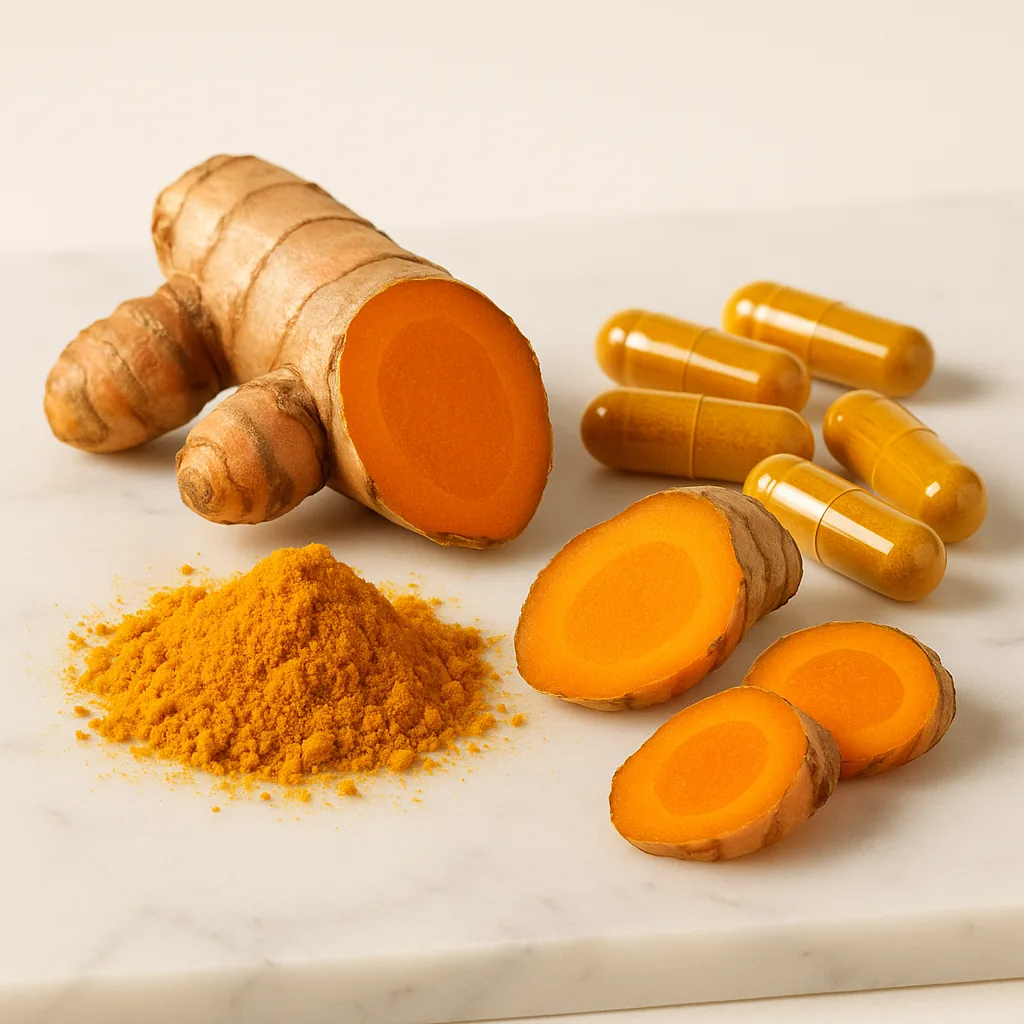
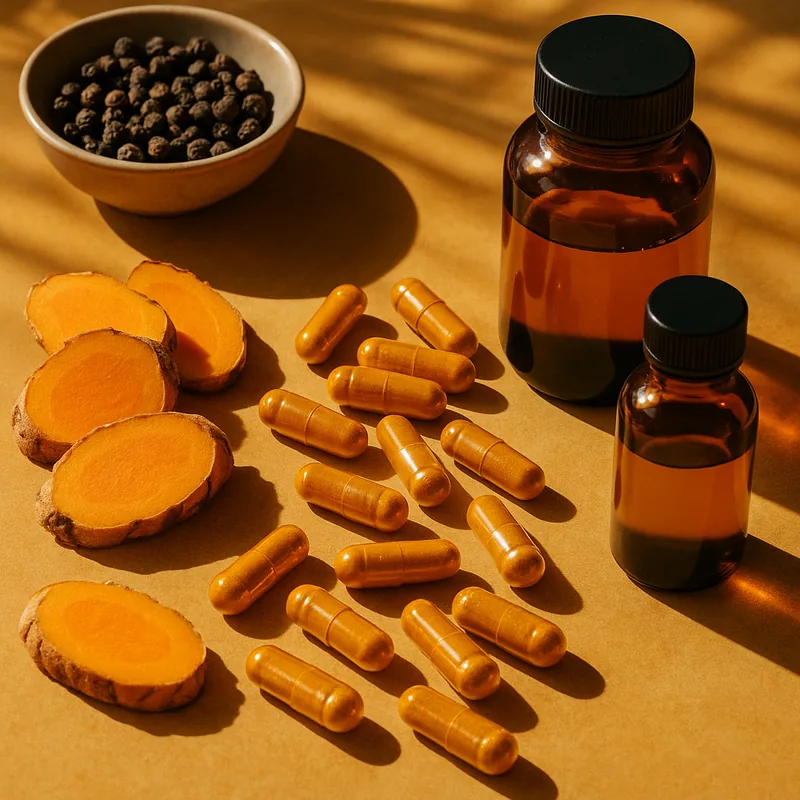
Dosing: Most research on curcumin uses 500–1,500 mg/day of curcumin extract, often in enhanced-bioavailability forms. Turmeric tea provides lower doses and is appropriate for daily wellness routines, while capsules make more sense for therapeutic intent.
Always use with black pepper: Piperine increases curcumin bioavailability by up to 2,000%, making it essentially mandatory for any therapeutic use.
Key Takeaways
Curcumin’s vascular, anti-inflammatory, and antioxidant mechanisms offer plausible indirect support for sexual health, especially in the context of chronic inflammation or vascular dysfunction.
No large human RCTs directly test turmeric for sexual function; existing evidence is primarily mechanistic and animal-based.
Sperm quality and oxidative stress protection is among the better-supported specific applications in male reproductive health.
Turmeric’s mood and cortisol-lowering effects may benefit libido indirectly by reducing stress and improving psychological wellbeing.
Claims about turmeric as an aphrodisiac or reliable testosterone booster exceed what the current evidence supports.
Frequently Asked Questions
Does turmeric increase testosterone in men?
The evidence does not support turmeric as a reliable testosterone booster in healthy men. Some animal studies show protective effects on testicular function when testosterone is suppressed by toxins or high-fat diets, but these are protective effects, not enhancement above normal levels. At very high doses, some research suggests curcumin may actually suppress testosterone production. At normal dietary doses, the evidence is inconclusive.
Can women use turmeric for sexual health?
Yes, the same vascular and anti-inflammatory mechanisms apply to female sexual health. Arousal depends on blood flow to genital tissue, and chronic inflammation affects libido and hormone balance in women as well. Additionally, curcumin’s effects on estrogen receptor signaling have been studied in the context of menopause and hormonal balance, though this is an active research area without definitive conclusions. Postmenopausal women in particular may benefit from curcumin’s endothelial-protective effects on vascular function.
Is turmeric an aphrodisiac?
By the most common definition — a substance that acutely increases sexual desire or arousal — turmeric is not a proven aphrodisiac. Its effects are gradual, systemic, and more about reducing the physiological barriers to healthy sexual function (inflammation, poor blood flow, oxidative stress) than triggering acute arousal. It operates more like a long-term health investment than a short-term enhancer.
How long does it take for turmeric to affect sexual health?
If turmeric provides any benefit in this area, it would come through chronic use — weeks to months of consistent daily supplementation that gradually reduces inflammation, improves endothelial function, and supports antioxidant status. Don’t expect effects within days. The anti-inflammatory and vascular benefits that are most relevant require sustained exposure.
Are turmeric supplements better than turmeric tea for sexual health?
For therapeutic intent, enhanced-bioavailability curcumin capsules (such as those using BCM-95, Meriva phospholipid complex, or CurcuWIN technologies) deliver more consistent, higher doses of curcumin than tea. If you’re using turmeric specifically to support sexual health outcomes, capsules with demonstrated absorption enhancement are the more reliable delivery method. Tea is appropriate for general daily wellness and is a lower-cost option with broader health benefits.
Does turmeric interact with sexual health medications?
Turmeric at high doses has mild anticoagulant properties that could theoretically interact with PDE5 inhibitors (such as sildenafil/Viagra) or blood thinners. At culinary doses, interactions are unlikely but worth mentioning to your prescribing doctor if you’re on these medications. Turmeric should not be used as a replacement for prescribed treatments for erectile dysfunction or other sexual health conditions.
This article is for informational purposes only and does not constitute medical advice. Consult a healthcare provider if you have concerns about sexual health or before starting new supplementation.


Leave a Reply