Your gut and brain are in constant conversation. This isn’t metaphor – it’s biology. The gut-brain axis is a real, bidirectional communication system that influences mood, stress, cognition, and behavior. Understanding how it works helps you evaluate the flood of “gut health = mental health” claims.
Quick Answer
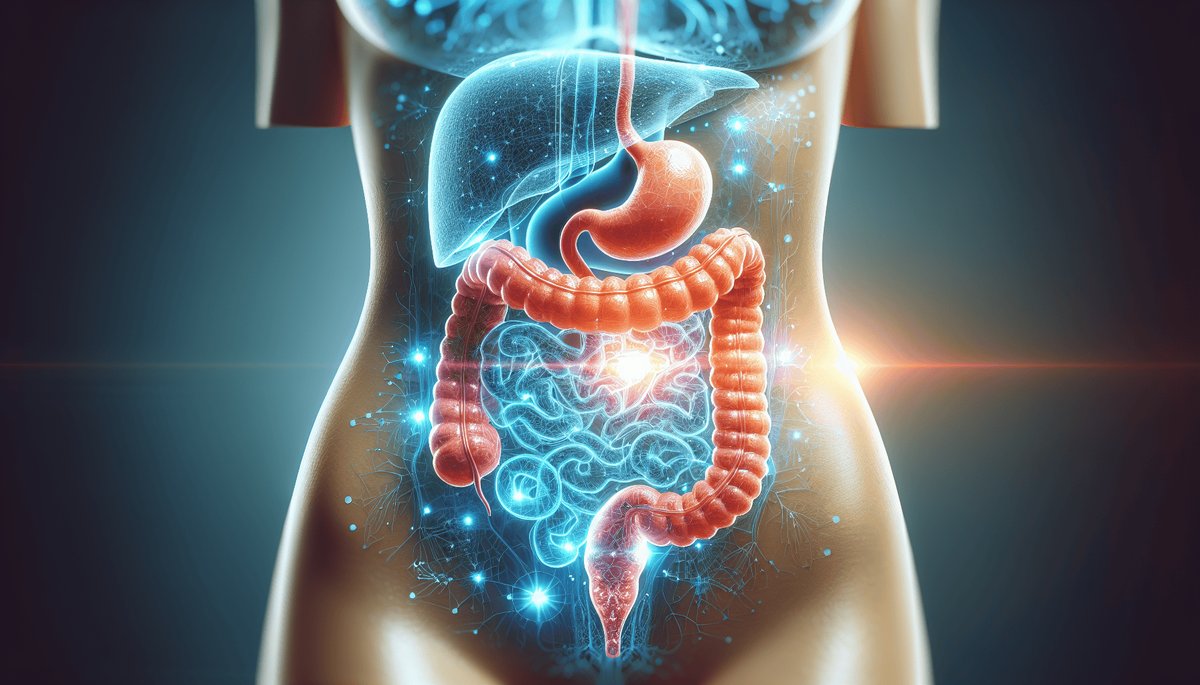
The gut-brain axis is a bidirectional communication network between the enteric nervous system (the ‘second brain’ of the gut), the central nervous system, the immune system, and the endocrine system. Approximately 95% of the body’s serotonin is produced in the gut, and the vagus nerve carries information from the gut microbiome and GI environment directly to the brainstem. Gut bacteria influence mood, stress response, cognitive function, and sleep through neurotransmitter precursor production, immune cytokine modulation, and direct neural signaling – meaning what you eat and the health of your microbiome genuinely impacts your mental state.
The gut-brain connection extends to attention and focus too. For targeted options, our guide to ADHD support supplements reviews the nutrients with the strongest evidence.
Key Takeaways
- The enteric nervous system (ENS) contains roughly 500 million neurons embedded in the walls of the GI tract – more than the spinal cord – and can function independently of the brain, giving rise to the ‘gut feeling’ as a physiologically real phenomenon.
- The vagus nerve is the primary physical connection between gut and brain, carrying approximately 80% of its signals upward (gut ? brain) rather than downward – this means the brain ‘listens to’ gut status far more than it sends direct commands to it.
- Gut bacteria produce or modulate virtually every major neurotransmitter: 95% of serotonin is gut-derived; gut bacteria produce GABA, dopamine precursors (L-DOPA), tryptophan (serotonin precursor), and acetylcholine – directly influencing mood, anxiety, and cognition.
- Intestinal permeability (‘leaky gut’) is the primary mechanism by which gut dysfunction affects brain health – bacterial LPS and undigested food antigens crossing the epithelial barrier trigger systemic low-grade inflammation, including neuroinflammation, linked to depression and cognitive impairment.
- Practical gut-brain axis support includes: diverse high-fiber diet (feeds diverse microbiome), fermented foods (direct microbiome seeding), stress management (chronic stress disrupts gut motility and microbiome balance via corticotropin-releasing hormone), adequate sleep (microbiome diversity follows circadian rhythms), and targeted probiotics when needed.
The Four Communication Highways
Your gut talks to your brain (and vice versa) through four main pathways:

1. The Vagus Nerve: The Direct Phone Line
The vagus nerve is the longest cranial nerve in your body. It runs from your brainstem down through your chest and abdomen, directly innervating the gut.
- 80% of vagal fibers are afferent (gut-to-brain). Your gut sends far more signals to your brain than the reverse
- The vagus nerve detects gut inflammation, nutrient status, and microbial signals
- Vagal tone (how active this nerve is) correlates with emotional regulation, social engagement, and stress resilience
- Stimulating the vagus nerve is an FDA-approved treatment for depression
Why this matters: When researchers cut the vagus nerve in animal studies, many probiotic mental health effects disappear. This confirms the nerve is a primary pathway for gut-brain communication.
2. Neurotransmitters Made in the Gut
Your gut bacteria produce neurotransmitters – the same chemicals your brain uses to regulate mood:
- Serotonin: 90-95% of your body’s serotonin is made in the gut (by enterochromaffin cells, with bacterial influence). While gut serotonin doesn’t directly cross the blood-brain barrier, it affects vagal signaling and immune function
- GABA: Several Lactobacillus and Bifidobacterium species produce GABA, the brain’s primary inhibitory (calming) neurotransmitter
- Dopamine: Gut bacteria produce approximately 50% of the body’s dopamine
- Norepinephrine: Produced by certain gut bacteria including Bacillus species
The nuance: Just because bacteria produce neurotransmitters doesn’t mean those molecules reach your brain directly. Most don’t cross the blood-brain barrier. The effect is indirect – through vagal signaling, immune modulation, and precursor molecule supply.
3. The Immune System
70% of your immune tissue is in the gut (gut-associated lymphoid tissue, or GALT). This matters for the brain because:
- Gut inflammation produces cytokines (IL-6, TNF-?, IL-1?) that enter the bloodstream
- These inflammatory molecules cross the blood-brain barrier and activate brain immune cells (microglia)
- Neuroinflammation is now recognized as a factor in depression, anxiety, and neurodegenerative diseases
- Gut dysbiosis ? gut inflammation ? systemic inflammation ? neuroinflammation
This is probably the most clinically significant pathway. Chronic low-grade inflammation from gut issues can genuinely affect brain function.
4. Microbial Metabolites
Gut bacteria produce metabolites that affect brain function:
- Short-chain fatty acids (SCFAs): Butyrate, propionate, and acetate – produced when bacteria ferment fiber. SCFAs strengthen the gut barrier, reduce inflammation, and butyrate specifically affects gene expression in the brain
- Tryptophan metabolites: Gut bacteria influence how tryptophan (an amino acid from food) is metabolized. It can become serotonin, kynurenine (linked to depression when elevated), or indole compounds
- Bile acid metabolites: Gut bacteria modify bile acids, which act as signaling molecules that affect brain function through the farnesoid X receptor
What Disrupts the Gut-Brain Axis
Dysbiosis (Microbial Imbalance)
- Reduced diversity is consistently associated with depression and anxiety in human studies
- Loss of butyrate-producing bacteria weakens the gut barrier
- Overgrowth of inflammatory species increases systemic cytokines
Stress (Brain-to-Gut Direction)
The communication goes both ways:
- Psychological stress changes gut motility, secretion, and permeability within hours
- Chronic stress reduces microbial diversity – shown in both animal models and human studies
- Stress hormones (cortisol, norepinephrine) directly alter bacterial gene expression and virulence
- This creates a vicious cycle: stress ? gut changes ? more inflammation ? more stress
Diet
- Western diet (high sugar, low fiber, processed food) is associated with reduced microbial diversity and increased gut permeability
- Fiber deprivation causes bacteria to eat the mucus lining instead, weakening the barrier
- Emulsifiers and artificial sweeteners may disrupt the microbiome (emerging evidence, not conclusive)
Medications
- Antibiotics cause the most dramatic microbiome disruption
- NSAIDs increase gut permeability
- Proton pump inhibitors alter the gut pH environment
- Even some non-antibiotic drugs (metformin, SSRIs) affect microbial composition
What You Can Actually Do
Based on the science, strategies that support the gut-brain axis:
- Eat fiber – feeds butyrate-producing bacteria. 25-35g/day from diverse plant sources
- Include fermented foods – yogurt, kefir, kimchi, sauerkraut (6+ servings/week, per the Stanford study)
- Exercise regularly – increases microbial diversity and vagal tone independently
- Manage stress – meditation, deep breathing, and cold exposure all increase vagal tone
- Sleep adequately – sleep deprivation alters the microbiome within 48 hours
- Consider targeted probiotics – specific strains (not generic blends) with clinical evidence for the outcome you want
- Avoid unnecessary antibiotics – discuss with your doctor whether an antibiotic is truly needed
What to Be Skeptical Of
- “Fix your gut, fix your brain” – the relationship is real but not that simple. Clinical depression and anxiety have genetic, psychological, and social components that gut health alone won’t address
- Microbiome testing to diagnose mental health issues – commercial gut tests can’t diagnose or predict anxiety/depression
- Any single probiotic strain as a mental health treatment – even the best-studied psychobiotics show modest effects
- “Leaky gut causes depression” – intestinal permeability is a real factor, but it’s one of many, and the causal arrow is bidirectional
The Bottom Line
The gut-brain axis is genuine, well-researched, and clinically relevant. Your gut microbiome influences your mood, stress response, and cognitive function through real, measurable biological pathways.
But it’s one system among many. Good gut health supports good mental health – it doesn’t guarantee it. The most honest framing: take care of your gut (fiber, fermented foods, stress management) as part of a comprehensive approach to wellbeing, not as a replacement for evidence-based mental health care.
Related reading:
- Psychobiotics: Gut Bacteria and Mental Health
- Best Probiotic Strains for Anxiety
- Gut Health and Acne Connection
FAQ
What is the gut-brain axis?
The gut-brain axis is the two-way communication system between your gastrointestinal tract and your central nervous system. It operates through four main channels: the vagus nerve (direct neural link), the immune system (cytokine signaling), the endocrine system (cortisol, GLP-1, and other hormones), and neurotransmitter production by gut bacteria. This bidirectional network means gut health directly influences mental health and vice versa.
How does gut health affect mood?
Gut bacteria produce and modulate key neurotransmitters and their precursors – approximately 95% of the body’s serotonin is made in the gut, not the brain. Dysbiosis (microbial imbalance) is associated with increased intestinal permeability, higher levels of circulating inflammatory cytokines (IL-6, TNF-alpha), and altered tryptophan metabolism – all contributing to depressive and anxiety symptoms. Multiple human trials show probiotic interventions improve mood and stress biomarkers.
What foods support the gut-brain axis?
The best dietary support for the gut-brain axis includes: fermented foods (yogurt, kefir, kimchi, sauerkraut) for microbial diversity; prebiotic-rich fiber (chicory, garlic, onions, asparagus, banana) to feed beneficial bacteria; omega-3 fatty acids (fatty fish, walnuts, flaxseed) for anti-inflammatory signaling; and polyphenols (berries, dark chocolate, green tea) which selectively favor beneficial microbiome species.
Polyphenol-rich foods like dark chocolate may also influence mood through the gut-brain connection. Our evidence review covers dark chocolate’s polyphenols supporting gut bacteria that produce serotonin, linking to mood regulation.
Can improving gut health help with anxiety or depression?
Evidence suggests yes, particularly for mild anxiety and stress-related mood changes. Multiple RCTs using specific psychobiotic strains (L. helveticus + B. longum combinations) show significant reductions in anxiety and cortisol. For clinical depression or anxiety disorders, gut-targeted interventions should be considered adjuncts to evidence-based treatment. The strongest evidence exists for the IBS-anxiety-depression overlap population.
Sources
- Dinan TG, Stanton C, Cryan JF. Psychobiotics: a novel class of psychotropic. Biol Psychiatry. 2013.
- Cryan JF, O’Riordan KJ, Cowan CSM, et al. The microbiota-gut-brain axis. Physiol Rev. 2019;99(4):1877-2013.
- Carabotti M, Scirocco A, Maselli MA, Severi C. The gut-brain axis: interactions between enteric microbiota, central and enteric nervous systems. Ann Gastroenterol. 2015;28(2):203-209.
- Hill C, Guarner F, Reid G, et al. The ISAPP consensus statement on the scope and appropriate use of the term probiotic. Nat Rev Gastroenterol Hepatol. 2014;11(8):506-514.
- Foster JA, Neufeld K-AM. Gut-brain axis and microbiome influences on mood and stress. PubMed search.