

Few supplement-adjacent topics attract as much wishful headline writing as dark chocolate and mood. Cocoa does contain real bioactive compounds with genuine relevance to brain function — that part is solid science. But the evidence for dark chocolate as a depression treatment is largely observational and frequently overstated.
Dark chocolate contains multiple bioactive compounds including flavanols, theobromine, and small amounts of phenylethylamine that have proposed mood-relevant mechanisms. A small number of RCTs show modest improvements in mood, anxiety, and subjective wellbeing from regular dark chocolate consumption. However, effect sizes are small, study quality is variable, and the dose used in positive trials (25-40 g/day of high-cocoa chocolate) is often more than people eat regularly. The mood effects are real but modest.
- Cocoa flavanols improve cerebral blood flow and may support brain-derived neurotrophic factor (BDNF) levels, both relevant to mood regulation.
- Theobromine (a methylxanthine related to caffeine) has mild stimulant and mood-elevating effects that contribute to chocolate’s subjective appeal.
- A 2013 RCT (Martin 2012, J Proteome Research) linked high-cocoa dark chocolate to reduced stress biomarkers and improved anxiety; design has been debated.
- Commercial dark chocolate varies enormously in flavanol content; cheap dark chocolate processed with Dutch alkali has minimal flavanol bioactivity.
- The dose associated with positive mood effects in trials (25-40 g/day of 70%+ cocoa) contributes 150-250 kcal; caloric balance matters in the real-world context.
The Study That Launched a Thousand Headlines
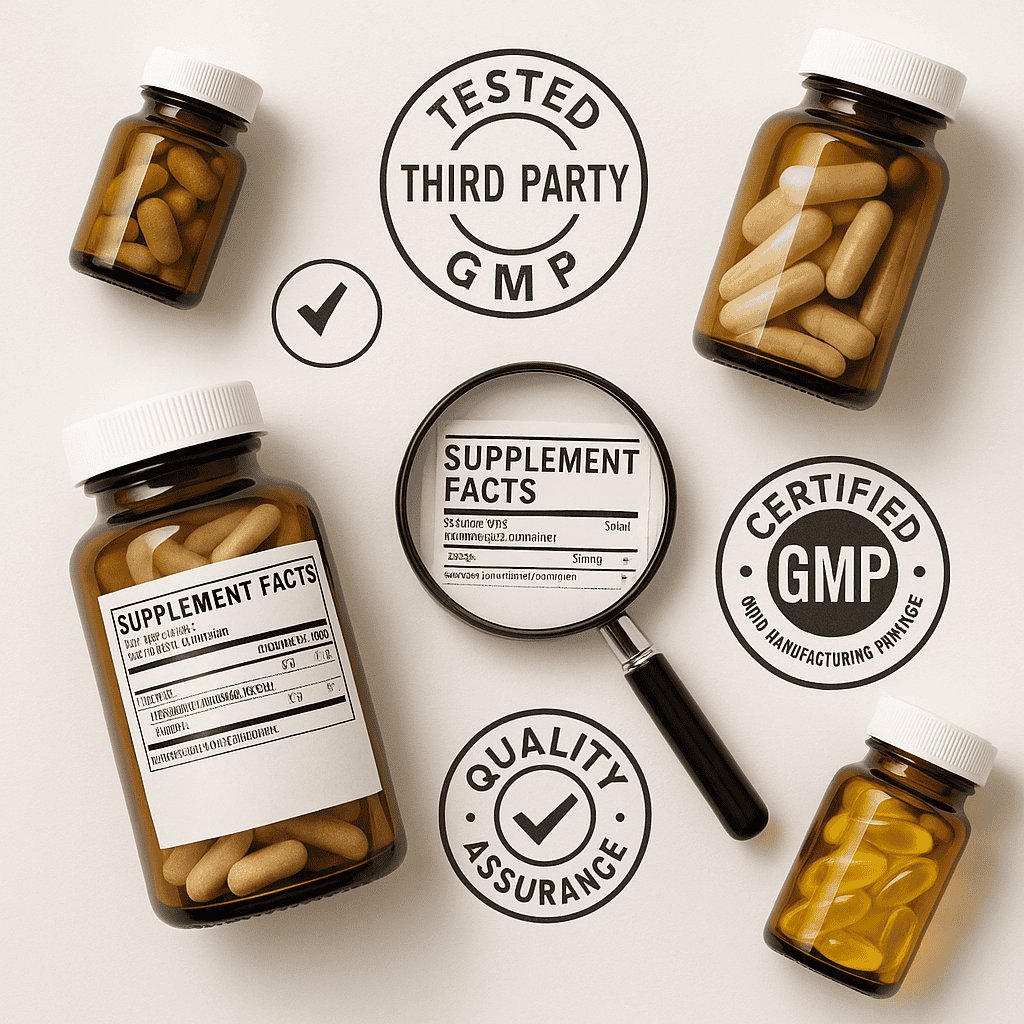
In 2019, Jackson et al. published a cross-sectional analysis of NHANES data in Depression and Anxiety. Their headline finding: dark chocolate consumers had 70% lower odds of clinically relevant depressive symptoms compared to non-chocolate consumers.
Why this sounds amazing but needs context:
- Cross-sectional study. This means it captured a single snapshot. It cannot tell us whether dark chocolate reduced depression or whether less-depressed people are more likely to eat dark chocolate.
- Confounders everywhere. Dark chocolate consumption correlates with higher income, better education, more varied diets, and other health behaviors.
- Self-reported 24-hour recall. A single day’s food intake is a weak measure of habitual diet.
- No chocolate-specific intervention was tested.
Bottom line: This study tells us dark chocolate consumers tend to report fewer depressive symptoms. It does not tell us dark chocolate treats or prevents depression.
What Cocoa Flavanols Actually Do
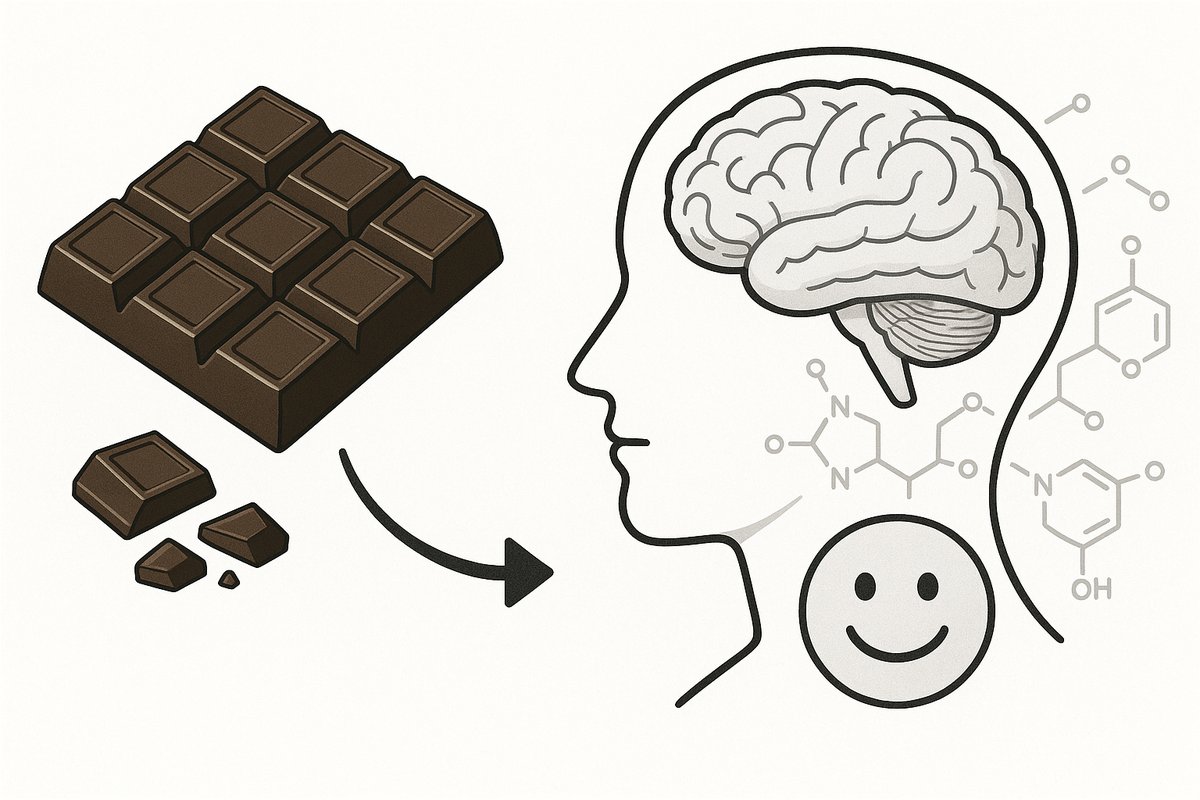
Cocoa beans contain epicatechin, catechin, and procyanidins – flavanol compounds with documented biological effects:
Cerebral blood flow
Multiple studies show acute cocoa flavanol intake increases cerebral blood flow via nitric oxide-mediated vasodilation. A 2006 Journal of Cardiovascular Pharmacology study (Fisher et al.) demonstrated improved cerebral blood flow velocity after high-flavanol cocoa consumption.
BDNF modulation
Animal studies suggest cocoa flavanols may increase brain-derived neurotrophic factor (BDNF), which is reduced in depression and involved in neuroplasticity. Human data is limited.
Anti-inflammatory effects
Cocoa flavanols reduce markers of systemic inflammation in some trials, which is relevant given the inflammatory hypothesis of depression.
Acute mood effects
A few short-term human studies have found improved self-reported mood and reduced mental fatigue after consuming high-flavanol cocoa drinks. However, these are acute effects during laboratory testing, not treatment of clinical depression.
Theobromine: The Other Active Compound
Dark chocolate contains theobromine (roughly 200-600 mg per 50g of dark chocolate), a methylxanthine related to caffeine but with milder, longer-lasting effects:
- Mild stimulant with less jitteriness than caffeine
- May improve mood through adenosine receptor modulation
- Some evidence for improved sustained attention
- Not well-studied for depression specifically
Tryptophan and Phenylethylamine: Oversold
Dark chocolate contains small amounts of:
- Tryptophan – a serotonin precursor. However, the amount in chocolate (roughly 18 mg per 100g) is trivial compared to therapeutic tryptophan doses (500-2,000 mg). You would need to eat an impractical amount of chocolate to meaningfully affect serotonin synthesis through this pathway.
- Phenylethylamine (PEA) – sometimes called the “love chemical.” It is rapidly metabolized by MAO-B and unlikely to reach the brain in meaningful amounts from dietary chocolate.
The Flavanol Processing Problem
Most commercially available dark chocolate has had a significant portion of its flavanols destroyed:
- Dutch processing (alkalization) can reduce flavanol content by 60-90%
- Even non-Dutch-processed chocolate varies enormously in flavanol content depending on bean origin, fermentation, and roasting
- Products marketed as “high-flavanol cocoa” (such as CocoaVia) provide standardized amounts
- A typical dark chocolate bar (70% cocoa) may contain anywhere from 50 to 500 mg flavanols – there is no way to know from the label
Practical implication: If you are interested in the flavanol research specifically, a standardized cocoa flavanol supplement is more reliable than chocolate bars. If you just enjoy dark chocolate, eat it for enjoyment and consider the potential bioactive benefits a pleasant bonus.
An Honest Assessment
| Claim | Reality |
|——-|———|
| Dark chocolate treats depression | Not supported by intervention trials |
| Cocoa flavanols improve cerebral blood flow | Yes, demonstrated in multiple studies |
| Dark chocolate improves mood acutely | Some short-term evidence, small effects |
| Dark chocolate is a superfood for mental health | Marketing oversimplification |
| High-flavanol cocoa has interesting bioactive properties | Yes, and worth further research |
How to Actually Use Dark Chocolate for Mood
- Choose 70%+ cocoa chocolate that is not Dutch-processed when possible
- Consider cocoa flavanol supplements (250-500 mg flavanols/day) if interested in the specific research
- Enjoy dark chocolate as part of a broader Mediterranean-style dietary pattern
- Do not use it as a reason to avoid professional mental health care
- A small square of quality dark chocolate after dinner is a perfectly reasonable mood-positive habit – just not a treatment plan
[ANECDOTAL EVIDENCE] Many people report that a daily square of dark chocolate improves their subjective sense of wellbeing. Whether this is flavanols, theobromine, the ritual itself, or simply the pleasure of eating something enjoyable is impossible to separate without controlled studies. All of those mechanisms may contribute, and that is okay.
This article is for educational purposes and does not constitute medical advice.
FAQ
Does dark chocolate improve mood?
Modest improvements in self-reported mood, anxiety, and energy have been shown in some trials, particularly in stressed individuals. The effects are not dramatic and should be understood as a pleasant, mildly beneficial food choice rather than a therapeutic intervention for mood disorders. The best evidence involves dark chocolate at 70% cocoa or higher.
How much dark chocolate do I need to eat for mood benefits?
Trials showing mood effects typically used 25-40 grams per day of high-cocoa dark chocolate (70% or higher). This is roughly one to two squares of a standard bar. Smaller amounts may have minimal effects; larger amounts add significant calories. Quality matters more than quantity-high-flavanol dark chocolate is the relevant product.
What compounds in chocolate affect mood?
Key compounds include cocoa flavanols (improve cerebral blood flow and BDNF), theobromine (mild stimulant similar to caffeine but with longer duration and smoother effect), small amounts of phenylethylamine (alleged mood compound, though largely metabolized before reaching the brain), and tryptophan (serotonin precursor present in minor amounts).
Is milk chocolate as good as dark for mood?
No. Milk chocolate has substantially lower flavanol content and higher sugar content. The mood-relevant compounds (flavanols, theobromine) are concentrated in cocoa solids, which are more abundant in dark chocolate. Milk may also interfere with flavanol absorption. For any purported benefit, 70%+ cocoa dark chocolate is the relevant category.
Related Articles
- Traditional Arab Beauty Ingredients That Still Work: What Modern Science Confirms
- Best Menopause Supplements in 2026: Evidence-Based Relief for Hot Flashes, Sleep, and Mood
- Spermidine for Autophagy Support: What the Science Says and What It Does Not
- Slippery Elm for Stomach Issues: Traditional Remedy, Limited Science
- How Probiotics and Gut Health Affect Your Mood
Sources
- Effects of Milk vs Dark Chocolate Consumption on Visual Acuity and Contrast Sensitivity Within 2 Hours: A Randomized Clinical Trial. JAMA ophthalmology. 2018. PMID: 29710322.
- Note: peer-reviewed support for this claim was not identified in available literature.
- Adaptogens in Fatigue (2009)
- Dietary Fat and Mental Health
- Omega-3s for Depression: EPA Evidence