—
Rosacea-friendly makeup requires choosing products that avoid common chemical triggers (fragrance, alcohol, menthol, eucalyptus oil, witch hazel, high-dose niacinamide in some individuals) and that provide calming, coverage-focused formulations. The best approach: mineral foundation with anti-inflammatory actives (zinc oxide, titanium dioxide), green-tinted color corrector to neutralize redness before foundation, and fragrance-free formulations throughout. SPF is critical since UV is the #1 rosacea trigger — mineral SPF only. Avoid powder foundations with heavy talc; silicone-based or water-based liquid foundations set better on rosacea-prone skin. Skincare prep matters as much as makeup choice.
- The most common rosacea makeup triggers are fragrance (present in most conventional cosmetics), alcohol (particularly in toners, setting sprays, and some foundations), and menthol or eucalyptus ingredients that cause sensory nerve stimulation and vasodilation.
- Green color correctors (opposite to red on the color wheel) effectively neutralize facial redness before applying foundation — this technique reduces the amount of foundation needed for coverage, minimizing overall product load on reactive skin.
- Mineral foundations (zinc oxide, titanium dioxide base) have anti-inflammatory properties: zinc oxide has demonstrated reduction of rosacea-associated erythema and is a physical SPF simultaneously — making mineral foundation with SPF the ideal rosacea base product.
- Heavy coverage products and layers of makeup can exacerbate rosacea by physically irritating sensitive skin and blocking heat dissipation — less product, lighter coverage, and breathable formulations are preferable to full-coverage cakey applications.
- Primer selection matters significantly: silicone-based primers (dimethicone) create a smooth, non-reactive barrier; avoid primers with fragrance, alcohol, or thermal-activating ingredients that dilate capillaries.
Rosacea-friendly makeup is less about piling on coverage and more about choosing formulas that reduce visible redness without provoking more irritation. If your skin flushes easily, reacts to fragrance, or stings when you apply base products, the wrong makeup can turn a quick routine into an all-day problem.
The best rosacea-friendly makeup usually follows a few rules: keep formulas gentle, avoid obvious irritants, use light layers, and prioritize barrier support. The American Academy of Dermatology notes that many people with rosacea tolerate mineral sunscreens with zinc oxide or titanium dioxide better than more irritating options, which is useful because those same skin-friendly principles often carry over into makeup selection.
What Makes Makeup Rosacea-Friendly?
Rosacea-prone skin often does best with products that are:
– Fragrance-free or very low fragrance
– Alcohol-light and non-stinging
– Mineral-based or sensitive-skin focused
– Easy to layer instead of heavy and occlusive
– Designed for redness, sensitivity, or post-procedure skin
Ingredients and Product Features to Look For
Helpful features include:
– Zinc oxide or titanium dioxide in SPF base products
– Ceramides, glycerin, and hyaluronic acid for hydration support
– Niacinamide when tolerated
– Green-tinted correctors to visually neutralize redness
– Creamy, flexible textures that do not cling to dry patches
Ingredients Many People With Rosacea Avoid
Triggers vary, but common troublemakers include:
– Added fragrance and essential oils
– High amounts of denatured alcohol
– Menthol, peppermint, eucalyptus, or strong botanical actives
– Harsh scrubs and gritty exfoliating textures
– Extremely long-wear matte formulas that feel tight or hot on skin
Best Types of Makeup for Redness-Prone Skin
Skin Tints and Tinted Mineral Sunscreens
For everyday wear, a breathable skin tint or tinted mineral sunscreen is often better than a full-coverage matte foundation. These formulas even tone while keeping the skin feeling lighter and calmer.
Buildable Foundations
If you need more coverage, choose a foundation labeled for sensitive skin, redness, or reactive complexions. Satin and natural finishes are usually more forgiving than flat matte formulas, which can make redness and dry texture more obvious.
Cream Concealers
A creamy concealer works better than a dry, high-pigment pot formula for most rosacea-prone skin. Use it only where needed: around the nose, on the cheeks, or over visible capillaries.
Green Correctors
A thin layer of green corrector under foundation can reduce the amount of base makeup you need. That matters because less rubbing and less layering often means less irritation.
Product Recommendations
These are strong starting points for shoppers looking for rosacea-friendly makeup:
1. Colorescience All Calm Clinical Redness Corrector SPF 50
A mineral SPF treatment-makeup hybrid that is widely recommended for redness-prone skin.
Best for: Daily redness correction with sun protection.
2. IT Cosmetics Bye Bye Redness Neutralizing Color-Correcting Cream
High coverage with a small amount of product, useful for persistent facial redness.
Best for: Spot-correcting visible flushing.
3. Clinique Redness Solutions Makeup SPF 15
Built specifically for redness concerns and typically better tolerated by sensitive users than heavily fragranced alternatives.
Best for: Medium coverage on reactive skin.
4. La Roche-Posay Toleriane Teint or Toleriane complexion products
Known for sensitive-skin positioning and minimalist formulation philosophy.
Best for: People who want simple, dermatologist-adjacent options.
5. bareMinerals Original Loose Powder Foundation
A classic mineral option that some rosacea users prefer because it can be buffed on lightly and built slowly.
Best for: Those who like mineral makeup and want flexible coverage.
How to Apply Makeup Without Triggering a Flare
Start With Skin Prep
Use a bland moisturizer first and let it settle. If SPF is part of your routine, give it a few minutes before makeup so you do not over-rub the skin.
Use Less Product Than You Think
Heavy foundation can trap heat, emphasize texture, and look mask-like on flushed cheeks. Apply a thin layer, then only build coverage where redness still shows through.
Choose Tools Carefully
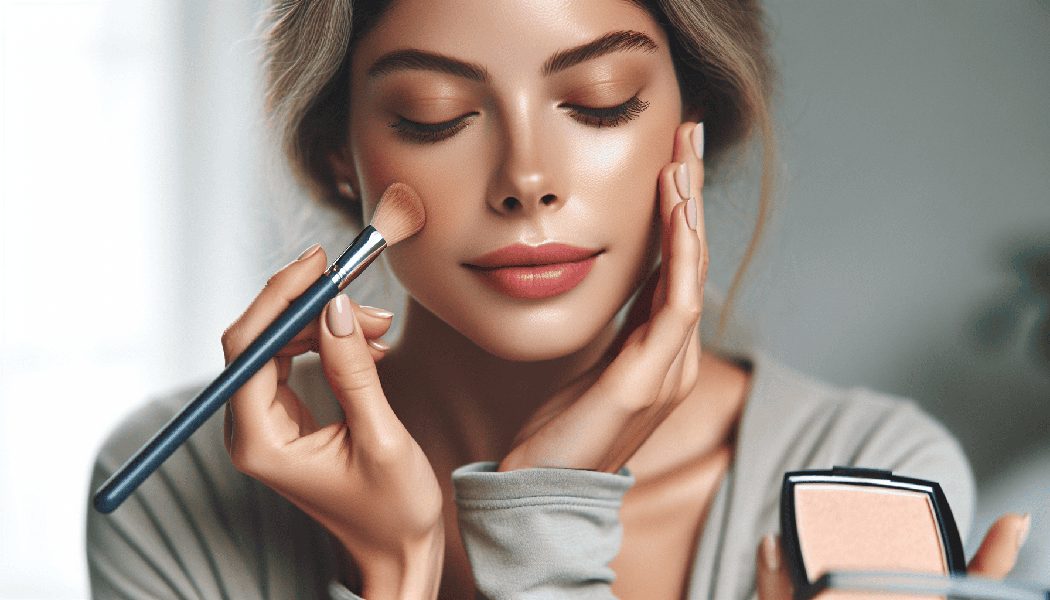
– Damp sponge for soft pressing
– Clean fingers for minimal pressure
– Very soft synthetic brush if you prefer brush application
Avoid vigorous buffing. Pressing is usually safer than rubbing.
Set Strategically
A lot of powder can make reactive skin look dry and irritated. Set only where you crease or get shiny, usually around the nose or T-zone.
Common Mistakes to Avoid
– Using heavily fragranced primers
– Layering multiple color correctors, foundation, and powder until skin looks thick
– Ignoring sunscreen, since UV exposure can worsen rosacea for many people
– Testing a new foundation right before an event
– Confusing full coverage with better coverage
FAQ: Rosacea-Friendly Makeup
What is the best makeup for rosacea?
The best makeup for rosacea is usually fragrance-free, non-irritating, and buildable. Mineral sunscreens, redness-correcting primers, lightweight foundations, and creamy concealers are often easier to tolerate than heavy matte products.
Is mineral makeup better for rosacea?
Often, yes. Many people with rosacea do well with mineral-based products, especially when zinc oxide or titanium dioxide are involved, because these ingredients are commonly recommended for sensitive, redness-prone skin.
Should I use green corrector for rosacea?
Yes, a green corrector can help visually reduce redness so you need less foundation overall. Apply only a thin layer to the reddest areas.
What makeup ingredients can trigger rosacea?
Common triggers include fragrance, essential oils, high alcohol content, menthol, and aggressive exfoliating ingredients. Individual triggers vary, so patch testing matters.
Can makeup make rosacea worse?
Yes. Irritating ingredients, heavy friction during application, or long-wear drying formulas can worsen discomfort and visible redness in some people.
FAQ
What makeup is best for rosacea?
The best rosacea-friendly makeup uses mineral formulations (zinc oxide + titanium dioxide), is fragrance-free, and avoids alcohol and menthol. Brands frequently recommended for rosacea: IT Cosmetics CC+ Cream SPF 50+, BECCA Ever-Matte Poreless Primer, Elta MD UV Clear (for SPF), and bareMinerals Original Loose Powder Foundation. Apply minimal layers and choose light-to-medium coverage.
Concealer is often the most important product in a rosacea routine, but the wrong formula can make redness worse. See our picks for rosacea-friendly concealers that cover redness without irritating calm skin.
Does makeup make rosacea worse?
Makeup itself does not cause rosacea or worsen the underlying condition, but chemical irritants in makeup (fragrance, alcohol, menthol, witch hazel) can trigger flares. Applying and removing makeup abrasively can also irritate sensitized skin. Using gentle, rosacea-specific formulations and removing makeup with a gentle micellar water or oil cleanser (not scrubbing) does not worsen rosacea.
Can I wear SPF makeup if I have rosacea?
Yes — and you should. UV exposure is the most common rosacea trigger, making SPF non-negotiable. Choose mineral SPF (zinc oxide or titanium dioxide) in makeup products rather than chemical sunscreens. Chemical SPF filters (especially oxybenzone) can irritate rosacea-prone skin. Many mineral foundations and BB/CC creams offer SPF 30-50+ with rosacea-calming formulations.
What color corrector is best for rosacea redness?
Green color corrector is the standard approach for neutralizing rosacea-related redness and diffuse erythema. Apply a thin layer of green-tinted primer or color corrector to reddened areas (cheeks, nose, chin) before applying flesh-toned foundation. Light-handed application is key — over-application creates a gray cast. Peach or salmon corrector is better for isolated redness in darker skin tones.
Sources and Notes
– American Academy of Dermatology: rosacea skin care tips and mineral sunscreen guidance
– National Rosacea Society: sunscreen and trigger-management guidance for rosacea-prone skin
This article is for educational purposes only and is not medical advice. If you have persistent flushing, burning, or worsening bumps, see a dermatologist for diagnosis and treatment.
—
This article may contain affiliate links. We may earn a small commission at no extra cost to you when you purchase through our links.
Related Articles
- Best Non-Toxic Makeup in 2026
- Best Fragrance-Free Makeup for Sensitive Skin
- Best Non-Comedogenic Acne-Safe Makeup
- Best Makeup for Sensitive Eyes in 2026
- Clean Beauty Makeup Guide 2026
Sources
- Reviews on rosacea triggers from cosmetics and skincare irritants. PubMed search.
- Guidelines and reviews on rosacea management and topical therapy. PubMed search.
- Studies on mineral makeup tolerability in rosacea and sensitive skin. PubMed search.
- Studies on green-tinted primers and redness correction for rosacea. PubMed search.
- Reviews on fragrance-free cosmetics and contact allergy in rosacea. PubMed search.