Best Makeup for Sensitive Eyes in 2026
—
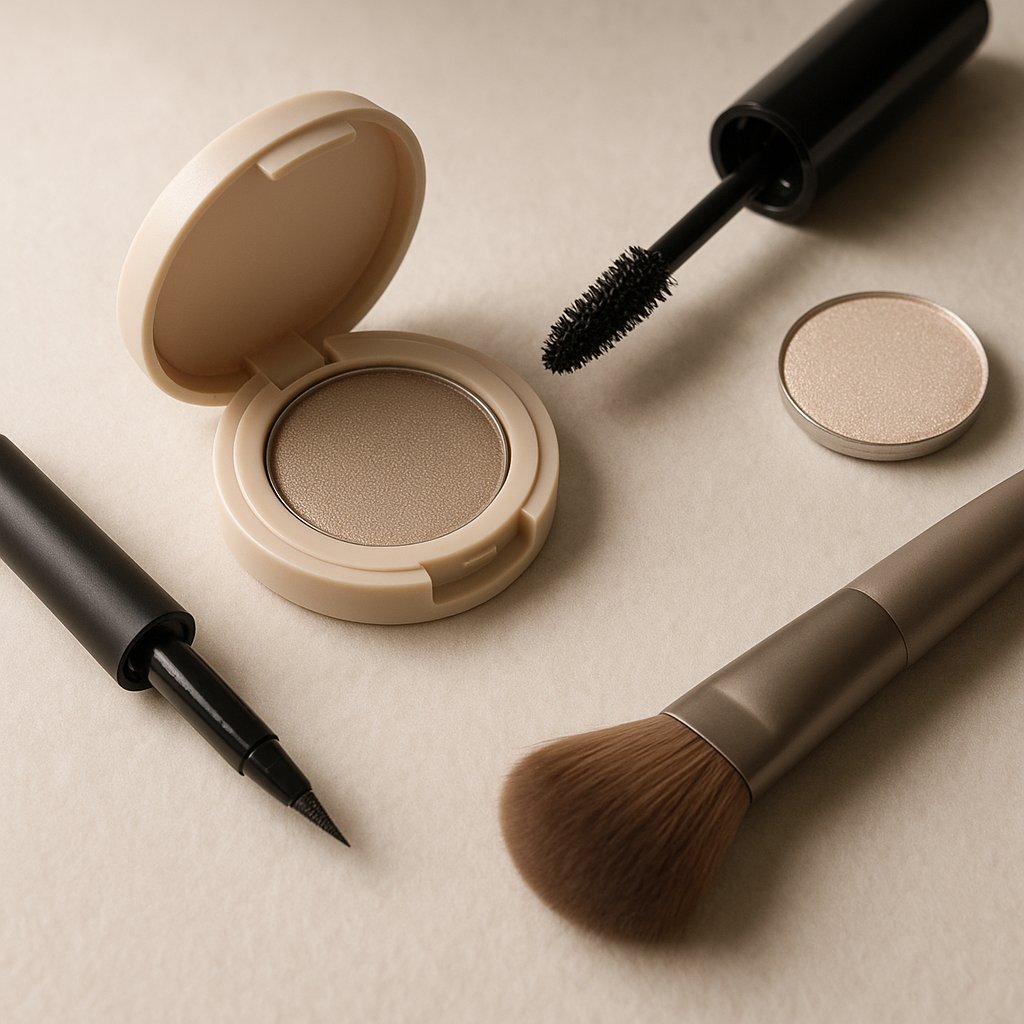
Sensitive eyes require makeup formulated to minimize allergenic preservatives, fragrances, and pigments that cause irritation, redness, stinging, or contact dermatitis around the orbital area. The most common eye makeup irritants are: fragrance, thiomersal (in some mascaras), preservatives (particularly MI/MCI, parabens in some formulations), nickel (in metallic eyeshadow pigments), and certain synthetic dyes (especially coal tar dyes FD&C Yellow 5, Red 40). The ophthalmologist-tested and fragrance-free labels are the most useful screening criteria. Top tolerability categories: hypoallergenic mascara (tubing formulas are gentler), mineral-based eyeshadow with no fragrance, and silicone-based gel eyeliner.
Gentle removal is just as important as gentle application. For fragrance-free, ophthalmologist-tested options, see our guide to makeup removers formulated specifically for sensitive eyes.
- Tubing mascara formulas (polymers that wrap lashes rather than coat them) are significantly gentler for sensitive eyes and contact lens wearers — they create tubes around lashes rather than film coatings, and remove with warm water without rubbing.
- Nickel contamination in metallic eyeshadow pigments is a leading cause of allergic contact dermatitis on the eyelids — nickel allergy affects ~17% of women and can produce chronic eczematous reactions to shimmer, glitter, or metallic eyeshadow.
- Preservative sensitivity in eye products most often involves methylisothiazolinone (MI), methylchloroisothiazolinone (MCI), and quaternium-15 — the European Union has restricted MI in leave-on products due to sensitization risk; look for MI/MCI-free eye makeup.
- Ophthalmologist-tested does not mean hypoallergenic — it means the product was tested under ophthalmological conditions for eye irritation (usually involving the ocular surface), but does not guarantee absence of skin-sensitizing allergens.
- Contact lens wearers face additional sensitivities because contact lenses trap cosmetic particles against the cornea — powder eyeshadow fallout, flaky mascara, and glitter are particular risks; sealed, creamy, or gel-formula eye products are preferred.
Sensitive eyes can turn a normal makeup routine into a daily argument. Mascara flakes, eyeliner migrates, shimmer falls into the eye, and suddenly the whole look is not worth the watering, burning, or itching.
The good news is that sensitive-eye makeup does not require giving up eye looks completely. It requires better formulas, cleaner habits, and a little less tolerance for products that behave badly.

What causes eye makeup irritation?
The eye area is delicate, and even small issues get dramatic fast. Common triggers include:
– fragrance in eye products
– mascara flakes entering the eye
– glitter or fallout from powder shadows
– old or contaminated makeup
– waterproof formulas that require harsh removal
– products applied too close to the lash line
– contact lenses that trap particles or residue
The American Academy of Ophthalmology recommends removing eye makeup before bed and using cosmetics carefully around the eyes. For people who wear contacts, particulate-heavy eye makeup is a frequent troublemaker.
What to look for in makeup for sensitive eyes
You want products that are low-drama in the best possible way.
Best features to prioritize
– fragrance-free formulas
– ophthalmologist-tested labeling
– contact-lens-friendly claims when relevant
– low-flake mascaras
– cream or stick shadows with minimal fallout
– smooth eyeliners that do not tug
What to avoid first
– loose glitter
– dusty powder shadows with a lot of fallout
– old mascara or liquid liner
– heavily fragranced eye creams layered under makeup
– ultra-stubborn waterproof products for daily use
Waterproof mascara has its place, but for many sensitive eyes it is the removal process, not just the wear time, that causes problems.
Best eye makeup categories for sensitive eyes
Mascara
Mascara is often the biggest issue. The best mascaras for sensitive eyes are usually defining rather than wildly volumizing, with formulas that stay put without showering tiny flakes all day.
Better mascara choices
– tubing mascaras for less smudging and easier removal
– lightweight defining mascaras
– ophthalmologist-tested classic formulas with a long track record
Eyeliner
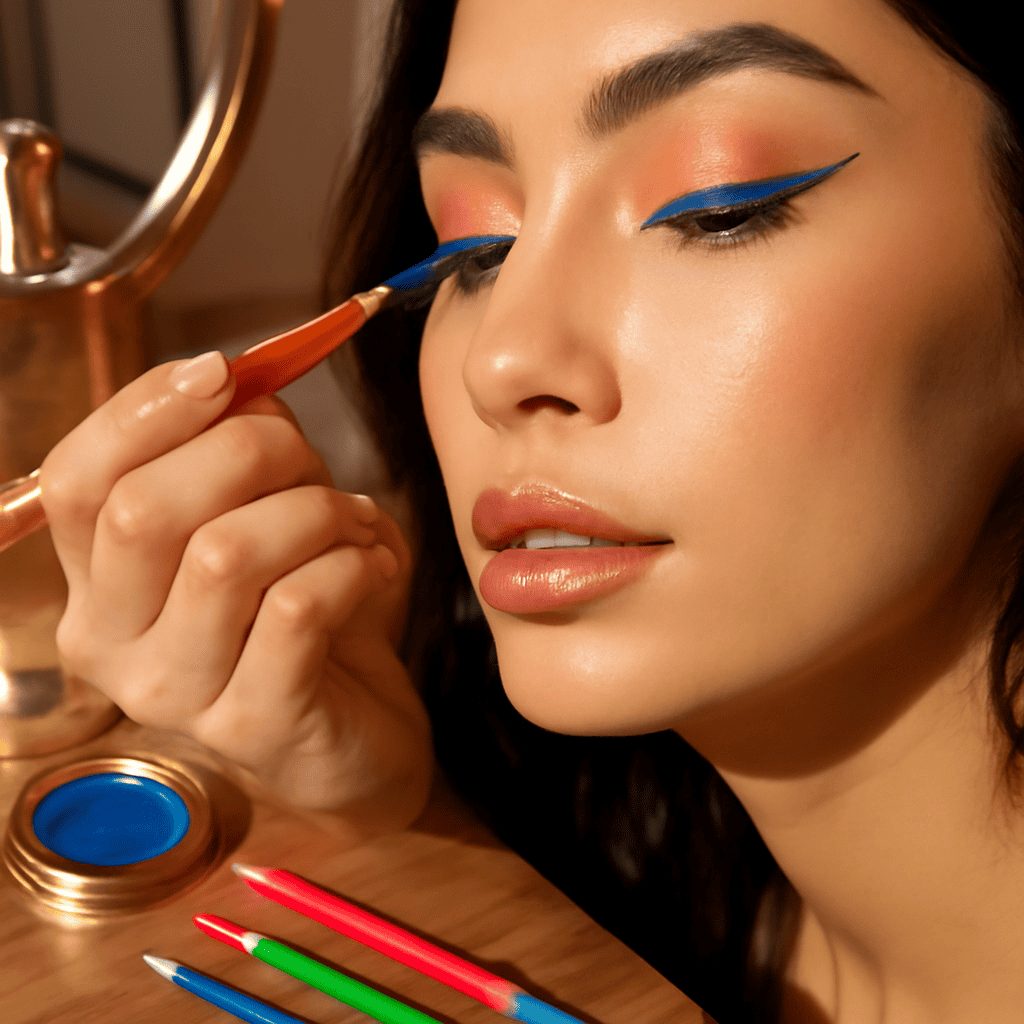
A creamy pencil or gel pencil is usually easier on sensitive eyes than a stiff, draggy pencil. If your eyes react easily, keep liner on the outer lash line rather than the inner rim unless you know a specific formula works for you.
Eyeshadow
Cream shadows and eyeshadow sticks are often easier than loose or powdery palettes because they reduce fallout. Satin and matte finishes usually behave better than chunky sparkle.
Product recommendations to consider
Instead of naming random viral launches, focus on the kinds of products sensitive-eye users usually tolerate best.
Category-level recommendations
– Tubing mascara if you struggle with smudging and flakes
– Ophthalmologist-tested defining mascara for everyday wear
– Cream or pencil eyeliner that glides without pressure
– Eyeshadow sticks for low-fallout application
– Soft matte or satin cream shadows for contact lens wearers
If you also have allergies or eyelid dermatitis, fragrance-free formulas are worth prioritizing across the board.
Makeup tips for contact lens wearers
Contact lens wearers need a slightly stricter routine because small particles matter more.
Smart habits that help
– insert contacts before applying makeup
– remove contacts before removing makeup
– avoid powder fallout directly over open eyes
– keep liner outside the inner lash line if you are irritation-prone
– replace mascara regularly and never share eye products
Those habits sound basic, but they solve a surprising number of recurring mystery eye issues.
How to apply eye makeup with less irritation
A gentler routine
- start with clean lids
- use only one or two reliable products at a time
- apply with light pressure
- keep particles away from the waterline
- stop using anything that makes your eyes water immediately
If your eyes start burning during application, do not try to push through for the look. That is just paying for trouble later.
How to remove eye makeup safely
Removal is where a lot of sensitive-eye routines go wrong.
Better removal method
– soak a cotton pad with gentle remover
– press it over the closed eye for several seconds
– wipe softly downward rather than scrubbing
– repeat if needed instead of rubbing harder
– rinse if your remover leaves residue that bothers your eyes
The AAOs basic advice to remove eye makeup before sleep is not optional if you are already sensitive. Sleeping in mascara is practically a dare.
Signs your eye makeup is the problem
Consider your products the likely culprit if you notice:
– watery eyes shortly after application
– itching along the lash line
– swollen lids the next morning
– a gritty feeling while wearing contacts
– redness that improves when you stop wearing a certain product
If symptoms are persistent, severe, or affect vision, this stops being a beauty problem and becomes an eye-doctor problem.
FAQ
What makeup is best for sensitive eyes?
Fragrance-free, ophthalmologist-tested, low-fallout products are usually best. Tubing mascara, smooth pencil liner, and cream shadows are especially good categories to try.
Is waterproof mascara bad for sensitive eyes?
Not always, but daily use can be rough because removal usually takes more rubbing. Many sensitive-eye users do better with tubing or washable formulas.
Can contact lens wearers use eye makeup?
Yes, but they should use low-fallout products, keep the routine clean, and avoid applying products too close to the inner lash line.
Why do my eyes water when I wear mascara?
Possible reasons include fragrance, flakes, product migration, expired mascara, or simple intolerance to that formula.
Should I line my waterline if I have sensitive eyes?
Usually it is safer to avoid it unless you know a particular eye-safe product works well for you.
Sources for further reading
– American Academy of Ophthalmology: How To Use Cosmetics Safely Around Your Eyes https://www.aao.org/eye-health/tips-prevention/eye-makeup
– CooperVision: Makeup for Contact Lens Wearers https://coopervision.com/blog/makeup-and-contacts
—
This article is for informational purposes only and is not medical advice. If eye makeup triggers pain, marked swelling, discharge, or vision changes, see an ophthalmologist.
Related Articles
- Best Makeup for Sensitive Eyes
- Best Fragrance-Free Makeup for Sensitive Skin
- Best Makeup Removers for Every Skin Type
- Best Cruelty-Free Mascaras for Sensitive Eyes
- Rosacea-Friendly Makeup: Best Products and Tips
Sources
- Reviews on cosmetic-related eye irritation from preservatives and fragrances. PubMed search.
- Reviews on eyelid contact dermatitis and cosmetic allergens. PubMed search.
- Clinical studies on hypoallergenic eye makeup for sensitive eyes. PubMed search.
- Reviews on mascara microbial contamination and eye safety. PubMed search.
- Studies on mineral makeup tolerability for sensitive skin. PubMed search.