
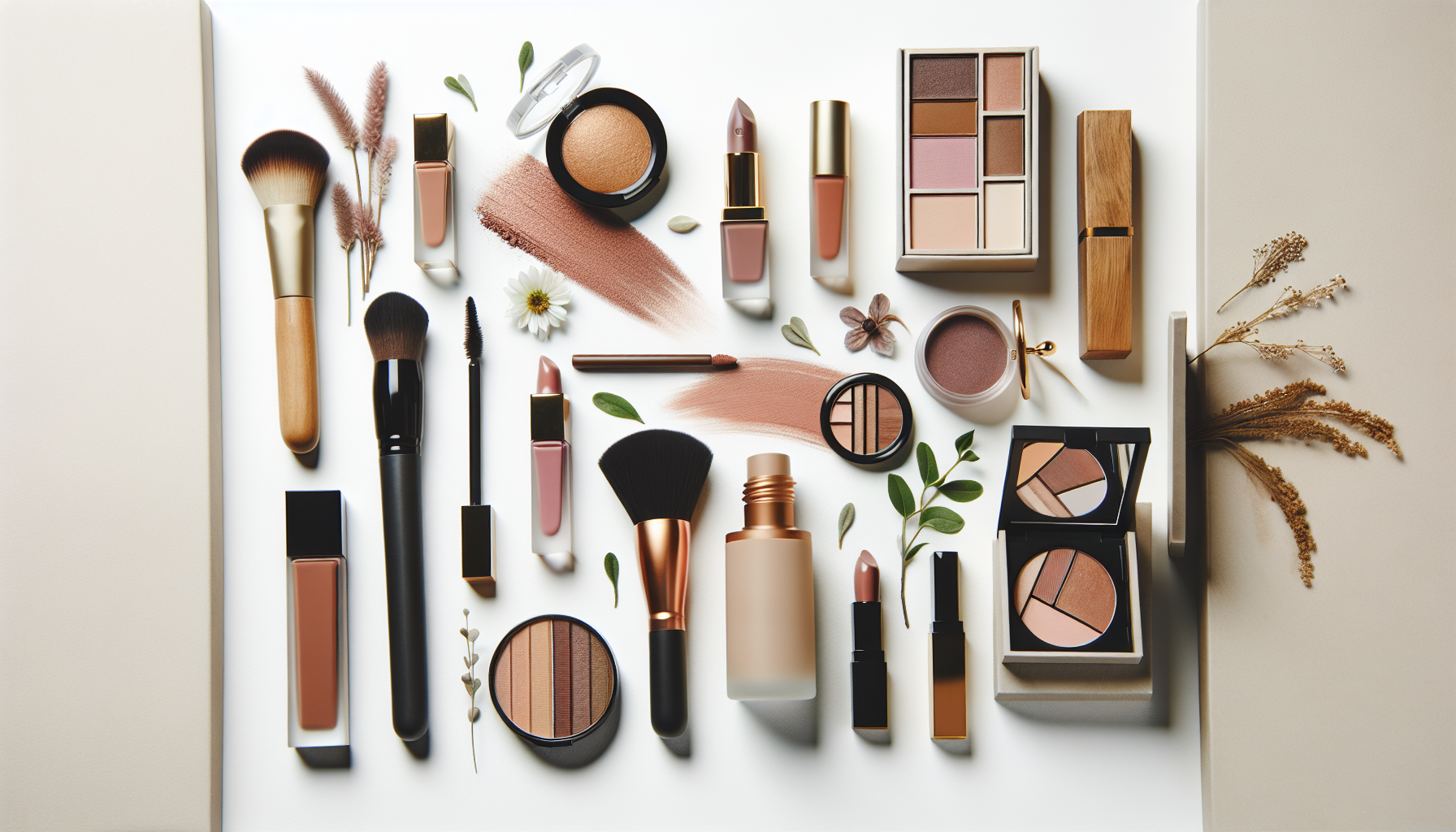
Non-toxic makeup is one of those beauty terms people use constantly and define very differently. For some shoppers, it means avoiding fragrance, parabens, PFAS concerns, talc, or certain preservatives. For others, it overlaps with clean beauty, sensitive-skin makeup, vegan makeup, or pregnancy-conscious shopping.
The most useful way to approach it is not with panic, but with priorities. Good non-toxic makeup is usually makeup that is transparent about ingredients, avoids the ingredients you personally want to limit, and still performs well enough to earn a place in a real routine. That last part matters. A product is not helpful if it sounds virtuous on a product page but wears badly, irritates your skin, or expires before you can use it.
If you want a simpler answer, here it is: the best non-toxic makeup in 2026 is makeup with clear labeling, sensible formulations, and strong everyday performance.

What non-toxic makeup really means
There is no single universal legal definition of non-toxic makeup that every brand follows. That is why one brand’s “non-toxic” formula may look a lot like another brand’s clean beauty or sensitive-skin formula.
A practical definition that works
In real-world shopping, non-toxic makeup usually means products designed to avoid ingredients that ingredient-conscious shoppers often prefer to limit, such as:
Non-toxic and pregnancy-safe are not the same thing. For a practical checklist on evaluating brand claims, see a practical approach to evaluating makeup brand safety claims during pregnancy.
- added fragrance
- PFAS concerns in long-wear formulas
- parabens for shoppers who prefer paraben-free products
- phthalate-related concerns in fragranced products
- formaldehyde-releasing preservatives
- heavy essential-oil blends in reactive-skin formulas
That does not mean every conventional makeup product is harmful, and it does not mean a “natural” formula is automatically better. The goal is to shop more intentionally, not more fearfully.
How to choose non-toxic makeup without overthinking it
The easiest way to shop this category is to focus on a few filters instead of trying to memorize every ingredient debate on the internet.
- Start with the products you use most
Begin with foundation, concealer, mascara, and lip products. These are the formulas most people wear frequently and repurchase often.
- Prioritize ingredient transparency
A trustworthy brand should publish a complete ingredient list and make it easy to find. If a brand leans heavily on buzzwords but hides the actual formula, that is not a good sign.
- Match the formula to your skin
If your skin is reactive, fragrance-free and simpler formulas matter more than trendiness. If you have dry skin, a dewy skin tint may work better than a powder-heavy mineral base. If you are oily, you may need a formula that balances “cleaner” positioning with real staying power.
- Avoid all-or-nothing thinking
You do not have to replace your whole bag overnight. Switching your daily-use staples first is usually the smartest move.
Ingredients shoppers often watch in non-toxic makeup
Some shoppers want a product list they can scan quickly before buying. Here are the categories people most often pay attention to.
Ingredients many shoppers prefer to limit
- synthetic fragrance
- strong essential oils in face products
- formaldehyde donors
- PFAS-related concerns in ultra-long-wear formulas
- parabens, if that is part of your personal shopping standard
- talc, especially in powder products, for shoppers who prefer talc-free options
Helpful features to look for instead
- fragrance-free labeling
- mineral pigments and iron oxides
- hydrating support like squalane or hyaluronic acid
- shorter, clearer ingredient decks
- dermatologist-tested or ophthalmologist-tested claims where relevant
The best approach is to decide what matters most to you. A sensitive-skin shopper may care more about fragrance-free formulas than talc-free powders. A pregnancy-conscious shopper may focus more on avoiding unnecessary actives in makeup-skincare hybrids.
Best non-toxic makeup product recommendations
These are strong starting points for shoppers who want ingredient-conscious products without giving up modern textures and wear.
- Tower 28 SunnyDays SPF 30 Tinted Sunscreen Foundation
A favorite for people who want breathable coverage and a more skin-friendly feel. It works especially well for redness-prone or easily irritated skin.
- ILIA Super Serum Skin Tint SPF 40
Best for light coverage, glow, and a skincare-meets-makeup texture. A smart pick for dry to normal skin and minimalist routines.
- Kosas Revealer Concealer
Popular because it feels flexible and flattering instead of thick or overly matte. Good for under-eyes and quick spot concealing.
- RMS Beauty UnCoverup
A long-running option in ingredient-conscious beauty circles. Best for people who prefer a natural finish over a fully matte, high-coverage look.
- Saie Dew Blush
A good pick if you want cream blush that feels modern, easy to blend, and not overly fussy.
- Honest Beauty or Tower 28 mascara options
Mascara is one of the easiest places to simplify a routine. Look for formulas that skip heavy fragrance and feel comfortable on sensitive eyes.
- Lawless Forget The Filler Lip Gloss
A polished lip option for shoppers who want a cleaner-leaning formula without sacrificing the plush feel people expect from modern gloss.
Best non-toxic makeup brands worth checking first
If you do not want to research products one by one, start with brands that consistently attract ingredient-conscious shoppers.
Brands often mentioned in this space
- ILIA
- Tower 28
- Kosas
- Saie
- RMS Beauty
- Lawless
- Honest Beauty
- bareMinerals
That does not mean every product from every brand is automatically right for you. It just means these brands are reasonable starting points if you want better transparency and more modern non-toxic makeup options.
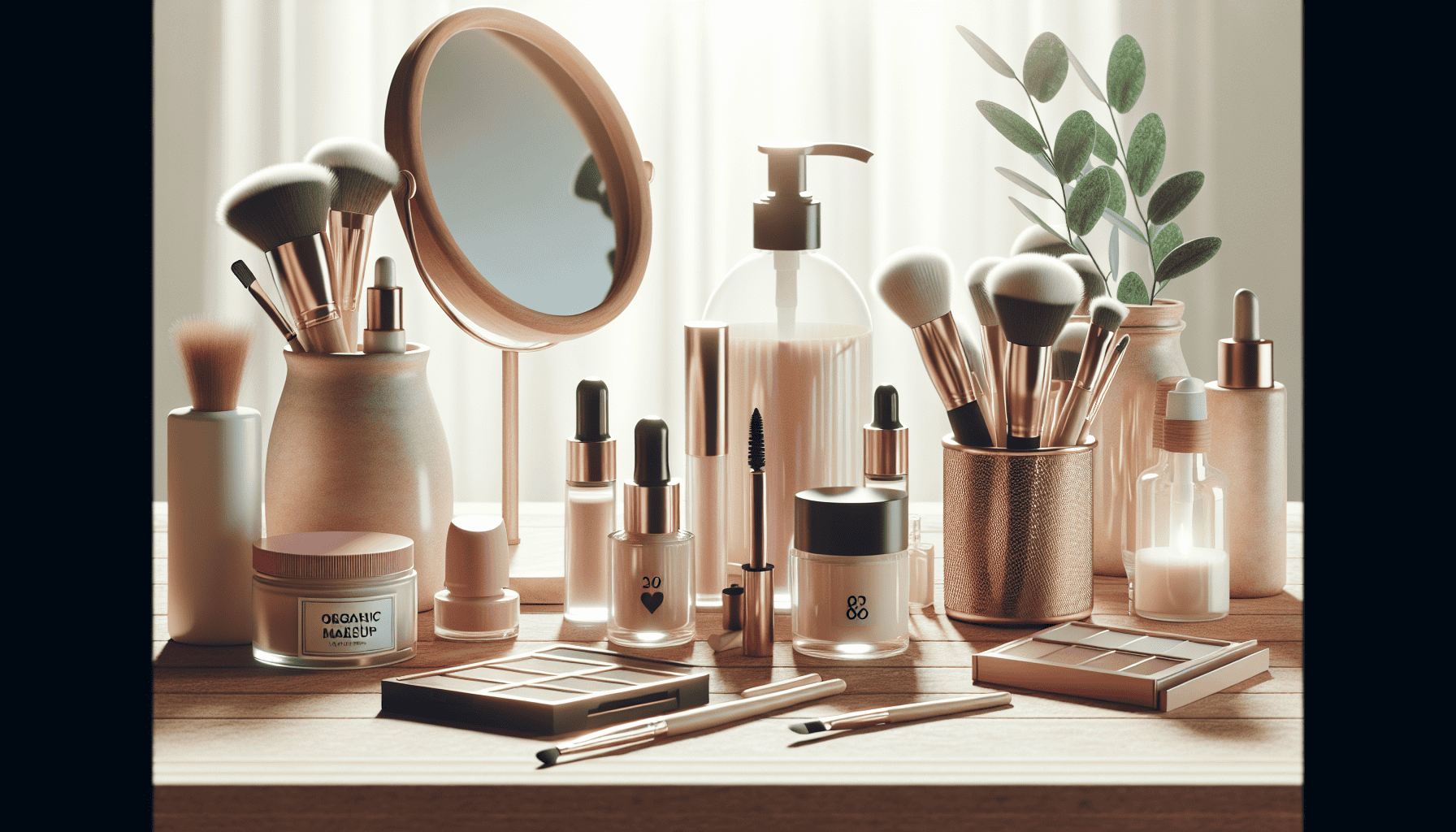
Common mistakes people make when shopping non-toxic makeup
Assuming natural means safer
Botanical extracts and essential oils can still irritate skin. If your skin is sensitive, “plant-based” is not enough on its own.
Paying extra for vague claims
Words like pure, conscious, green, and toxin-free can be mostly marketing. Look at the actual formula, not just the packaging.
Forgetting performance matters
A complexion product still needs to look good after a few hours. If you want non-toxic makeup you will truly keep using, wear time, shade range, and texture matter.
FAQ
What is the best non-toxic makeup?
The best non-toxic makeup is the product that balances ingredient transparency, everyday wear, and compatibility with your skin. In 2026, Tower 28, ILIA, Kosas, Saie, RMS Beauty, and bareMinerals are strong places to start.
Is non-toxic makeup better for sensitive skin?
Sometimes, yes, especially if it is also fragrance-free and avoids common irritants. But the term non-toxic alone does not guarantee a formula will be gentle for every person.
What ingredients should I avoid in non-toxic makeup?
That depends on your goals, but many shoppers choose to limit added fragrance, strong essential oils, PFAS concerns, formaldehyde-releasing preservatives, and sometimes parabens or talc.
Is non-toxic makeup the same as clean beauty?
Not exactly. The terms overlap, but they are not identical. Clean beauty is broader and often more marketing-driven, while non-toxic makeup usually reflects a shopper’s effort to avoid specific ingredients or formula types.
Does non-toxic makeup expire faster?
Some products may have different preservative systems or shorter recommended use periods after opening. Always check the packaging, store products properly, and replace mascaras and liquid eye products regularly.
Final takeaway
Non-toxic makeup is most useful when you treat it like a practical shopping filter, not a moral identity or a scare tactic. Focus on transparency, avoid the ingredients you personally care about, and build around products that actually perform. That is how you end up with a makeup bag that feels both smarter and easier to use in 2026.
Key Takeaways
- The best non-toxic makeup is the product that balances ingredient transparency, everyday wear, and compatibility with your skin.
- Sometimes, yes, especially if it is also fragrance-free and avoids common irritants.
- That depends on your goals, but many shoppers choose to limit added fragrance, strong essential oils, PFAS concerns, formaldehyde-releasing preservatives, and sometimes parabens or talc.
- Some products may have different preservative systems or shorter recommended use periods after opening.
*This article is for informational purposes only and is not medical advice. Ingredient lists and formulas change, so verify the current label before purchasing.*
Clean Beauty Essential
Dermatologist-tested, cruelty-free formula with clean ingredients.
- Free from parabens and phthalates
- Suitable for sensitive skin
- Cruelty-free and vegan
This is an editorial recommendation, not a sponsored placement.
Related Articles
- Clean Beauty Makeup Guide: Best Products, Ingredients, and What Matters in 2026
- Non-Toxic Makeup Brands Worth Trusting in 2026
- Rosacea-Friendly Makeup Guide: Best Products, Ingredients, and Tips for Calmer Coverage
- Vegan Makeup Guide: Best Products, Common Animal-Derived Ingredients, and How to Shop Smarter
Sources
- Oral Hyaluronic Acid Supplement: Efficacy in Skin Hydration, Elasticity, and Wrinkle Depth Reduction. Journal of drugs in dermatology : JDD. 2025. PMID: 40911749.
- A hyaluronic acid-based micro-filler improves superficial wrinkles and skin quality: a randomized prospective controlled multicenter study. The Journal of dermatological treatment. 2023. PMID: 37577796.
- The Skin Science Foundation: Promoting Skin Health through Research. The Journal of investigative dermatology. 2020. PMID: 32800173.
- Evaluation of efficacy of antioxidant-enriched sunscreen prodcuts against long wavelength ultraviolet A1 and visible light. International journal of cosmetic science. 2022. PMID: 35587114.
- Centella Asiatica Safety in Cosmetics (2023)

Leave a Reply