Your skin is a reflection of your internal health. No topical routine can fully compensate for poor nutrition, chronic inflammation, or gut dysbiosis. Holistic skin nutrition addresses the root causes of skin issues — and the science increasingly supports this inside-out approach.
The gut-skin axis is one of the most active areas of dermatology research. For a focused look at how gut health affects acne, we cover what dermatologists are finally acknowledging.
Skin health is profoundly influenced by nutritional status, gut microbiome composition, and metabolic health — the skin is a metabolically active organ reflecting internal biology. The best-evidenced nutritional interventions for skin are: collagen peptide supplementation (10-15 g/day, 8-24 week RCTs demonstrating improved elasticity and hydration); omega-3 fatty acids (reducing inflammatory skin conditions and TEWL); zinc (essential for wound healing and acne management in deficient individuals); and vitamin C (required for collagen synthesis). The gut-skin axis connects microbiome composition to acne, rosacea, eczema, and psoriasis via immune regulation and inflammatory pathways.
- Collagen peptides (10-15 g/day, hydrolyzed type I/III) have the strongest supplement evidence for skin aging: multiple RCTs show improvements in skin elasticity (14-17%), hydration, and wrinkle depth over 8-24 weeks vs. placebo.
- Omega-3 fatty acids (EPA+DHA, 2-3 g/day) reduce TEWL, decrease UV-induced inflammation, and improve symptoms of inflammatory skin conditions (atopic dermatitis, psoriasis, acne) in RCT evidence.
- Zinc deficiency manifests on skin as delayed wound healing, acne-like eruptions, and perioral/periorbital dermatitis — supplementation at 30-40 mg/day resolves these signs in deficient individuals and reduces acne severity in comparison RCTs.
- The gut-skin axis: leaky gut and dysbiosis allow bacterial endotoxins (LPS) into circulation, triggering systemic inflammation that worsens acne (via IGF-1 and androgens), rosacea (via mast cell activation), and eczema (via barrier dysfunction).
- Antioxidants in diet and supplements (vitamin C, E, astaxanthin, polyphenols) protect skin from UV-induced oxidative damage, support collagen cross-linking, and reduce photoaging — with astaxanthin showing RCT evidence for UV protection and wrinkle reduction.
The Skin-Gut Axis: Why Your Microbiome Matters
The gut-skin axis is a bidirectional communication pathway linking intestinal health to skin conditions. Research published in Frontiers in Microbiology (2021) has established connections between gut dysbiosis and:
- Acne vulgaris — associated with altered gut microbiota and increased intestinal permeability
- Eczema/atopic dermatitis — linked to reduced microbial diversity in early life
- Rosacea — strongly associated with small intestinal bacterial overgrowth (SIBO)
- Psoriasis — shares inflammatory pathways with gut inflammation
Supporting Your Gut for Better Skin
Probiotics: Lactobacillus rhamnosus and Bifidobacterium lactis strains show the most evidence for skin benefits. A 2013 study in Beneficial Microbes found oral probiotics reduced acne severity by 40% over 12 weeks.
Prebiotics: Fiber-rich foods (Jerusalem artichoke, garlic, onions, leeks) feed beneficial bacteria.
Fermented foods: Kimchi, sauerkraut, kefir, and miso introduce beneficial microorganisms.
Product Pick: Seed DS-01 Daily Synbiotic — dermatologist-recommended probiotic with strains clinically studied for skin health, including skin hydration and reactive skin support.
Essential Nutrients for Skin Health
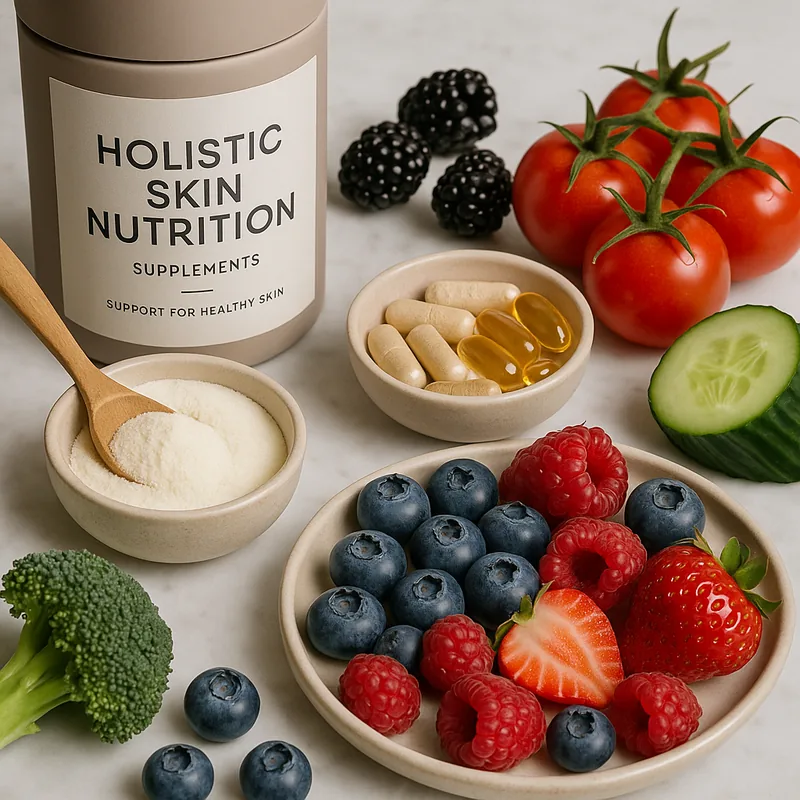
Omega-3 Fatty Acids
EPA and DHA reduce inflammatory prostaglandins, support the skin barrier, and protect against UV-induced damage. A diet deficient in omega-3s leads to dry, inflamed skin.
Food sources: Wild salmon, sardines, mackerel, walnuts, chia seeds.
Product Pick: Nordic Naturals Ultimate Omega — third-party tested, high EPA/DHA concentration, no fishy aftertaste.
Vitamin C
Essential for collagen synthesis — your body literally cannot make collagen without it. Also a powerful antioxidant that protects against photoaging internally.
Food sources: Bell peppers, kiwi, strawberries, citrus, broccoli.
Best for: Collagen support, brightening, antioxidant defense.
`r`n`r`n
Zinc
Critical for wound healing, immune function, and oil regulation. Zinc deficiency is linked to acne, dermatitis, and impaired healing.
Food sources: Oysters, beef, pumpkin seeds, lentils.
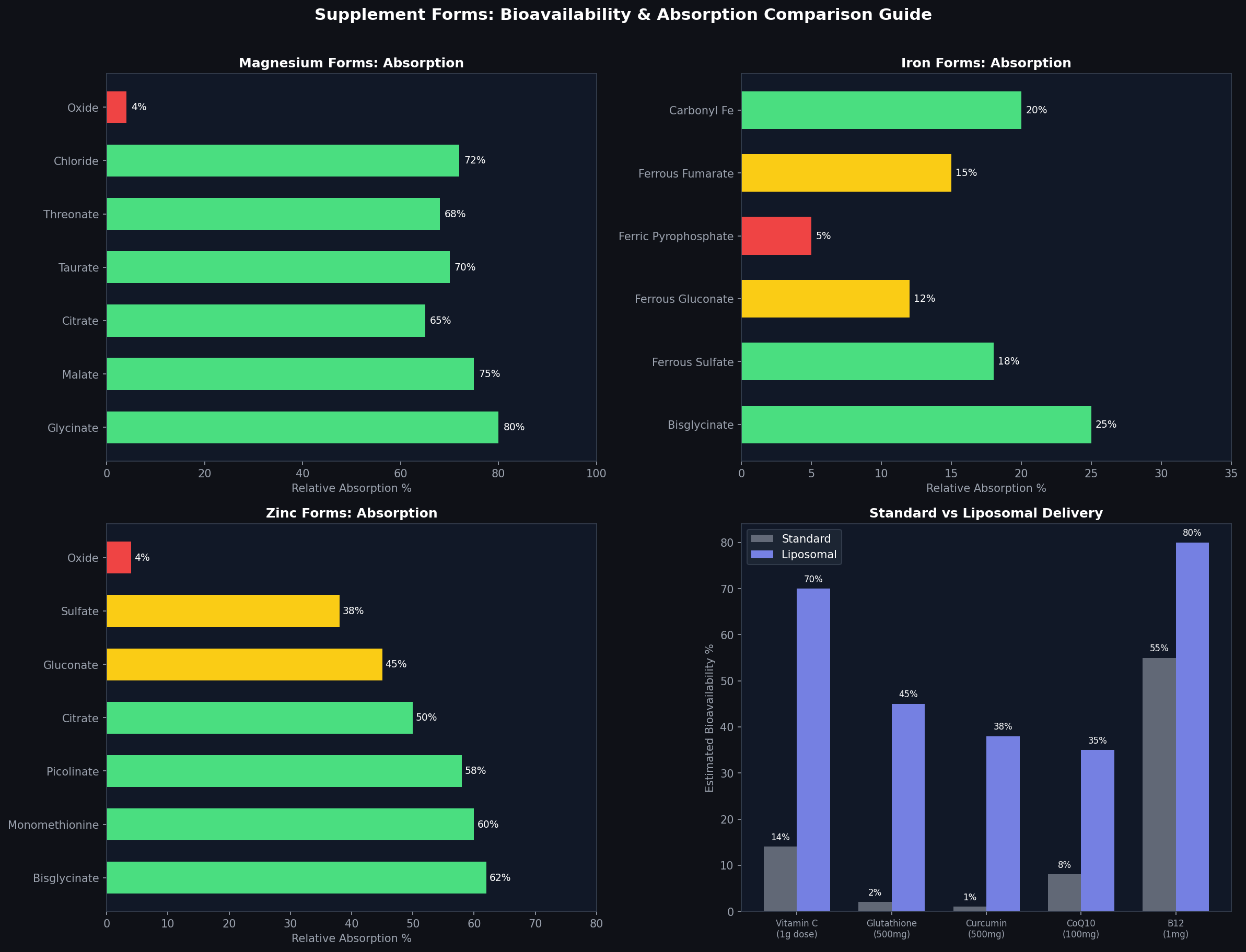
Product Pick: Thorne Zinc Picolinate 30mg — highly bioavailable form, well-tolerated, third-party tested.
Vitamin D
The “sunshine vitamin” modulates immune function and skin cell growth. Deficiency is associated with psoriasis, eczema, and increased skin infections. Most people are deficient, especially in northern latitudes.
Food sources: Limited — fatty fish, egg yolks, fortified foods. Supplementation is usually necessary.
`r`n`r`n
Vitamin A (Retinoids and Carotenoids)
Topical retinoids get the attention, but dietary vitamin A is equally important for skin cell turnover and immune defense.
Food sources: Sweet potatoes, carrots, liver, spinach.
`r`n`r`n
Collagen Peptides
Oral collagen supplementation has robust clinical evidence. A 2019 meta-analysis in the Journal of Drugs in Dermatology found hydrolyzed collagen (5-10g daily) significantly improved skin hydration, elasticity, and wrinkle depth over 8-12 weeks.
Product Pick: Vital Proteins Collagen Peptides — grass-fed, unflavored, dissolves easily in coffee or smoothies. 20g collagen per serving.
Anti-Inflammatory Eating for Skin
Foods That Help
- Fatty fish — omega-3s reduce inflammation
- Berries — anthocyanins protect against oxidative stress
- Leafy greens — folate, vitamin C, and beta-carotene
- Turmeric — curcumin is a potent anti-inflammatory (pair with black pepper for absorption)
- Green tea — EGCG catechins protect against UV damage and reduce sebum
- Bone broth — natural collagen, glycine, and minerals
Foods That Hurt
- Refined sugar — drives glycation, which stiffens collagen and accelerates aging
- Dairy (for some) — associated with acne in susceptible individuals, likely via IGF-1 pathway
- Processed seed oils — high omega-6 to omega-3 ratio promotes inflammation
- Alcohol — dehydrates skin, depletes vitamins, triggers rosacea flares
- High-glycemic foods — spike insulin, increase androgen-mediated sebum production
The Glycation Problem
Advanced Glycation End Products (AGEs) form when sugars bond to proteins like collagen. This cross-linking makes collagen stiff and brittle — visible as loss of elasticity and increased wrinkles.
Reducing glycation:
- Limit added sugar and refined carbohydrates
- Cook at lower temperatures (AGEs increase with high-heat cooking)
- Supplement with carnosine or alpha-lipoic acid (shown to inhibit AGE formation)
Building a Skin-Supporting Supplement Stack
Essential tier:
- Omega-3 fish oil (2-3g EPA/DHA daily)
- Vitamin D3 + K2 (2000-5000 IU depending on blood levels)
- Collagen peptides (10-15g daily)
- Zinc picolinate (15-30mg daily, especially for acne)
- Probiotic with skin-specific strains
- Vitamin C (500-1000mg if dietary intake is low)
- Astaxanthin (4-12mg daily — potent internal sunscreen and antioxidant)
- Hyaluronic acid (120-240mg daily — oral HA shows clinical skin hydration benefits)
- Best Supplements for Skin Health in 2026
- Anti-Inflammatory Diet for Clearer Skin
- Skin Supplements That Actually Help Dryness
- Best Collagen Supplements in 2026
- Dietary Fat and Mental Health: Brain Nutrition
- Reviews on diet, skin health, and nutrition in dermatology. PubMed search.
- Reviews on the gut-skin axis, acne, and eczema. PubMed search.
- Reviews on omega-3 fatty acids, skin barrier function, and inflammation. PubMed search.
- Reviews on vitamin C, collagen synthesis, and skin aging. PubMed search.
- Reviews on probiotics, skin health, and atopic dermatitis via gut pathways. PubMed search.
Targeted tier:
Advanced tier:
FAQ
Q: Can diet alone clear acne?
A: For some people, yes — especially when acne is driven by dairy, sugar, or gut issues. For hormonal or cystic acne, diet helps but may not be sufficient alone.
Q: How long does it take for dietary changes to affect skin?
A: Typically 4-8 weeks. Skin cell turnover takes about 28 days, so give nutritional changes at least one full cycle before evaluating.
Q: Does collagen supplementation actually work?
A: Yes — multiple randomized controlled trials show oral hydrolyzed collagen improves skin hydration, elasticity, and wrinkle depth. The evidence is stronger than most topical ingredients.
Q: Should I cut dairy for better skin?
A: Try eliminating dairy for 4-6 weeks and observe. Research links dairy (especially skim milk) to acne in some individuals, but it’s not universal.
Q: What’s the best probiotic strain for skin?
A: Lactobacillus rhamnosus GG and Lactobacillus paracasei have the most evidence for acne and eczema. Look for products with specific strain designations, not just species names.
References: Salem I, et al. “The gut microbiome as a major regulator of the gut-skin axis.” Front Microbiol. 2018; Bolke L, et al. “A collagen supplement improves skin hydration, elasticity, roughness, and density.” J Drugs Dermatol. 2019; Bowe WP, Logan AC. “Acne vulgaris, probiotics and the gut-brain-skin axis.” Gut Pathog. 2011.