Bakuchiol for Acne-Prone Skin: Benefits & Use
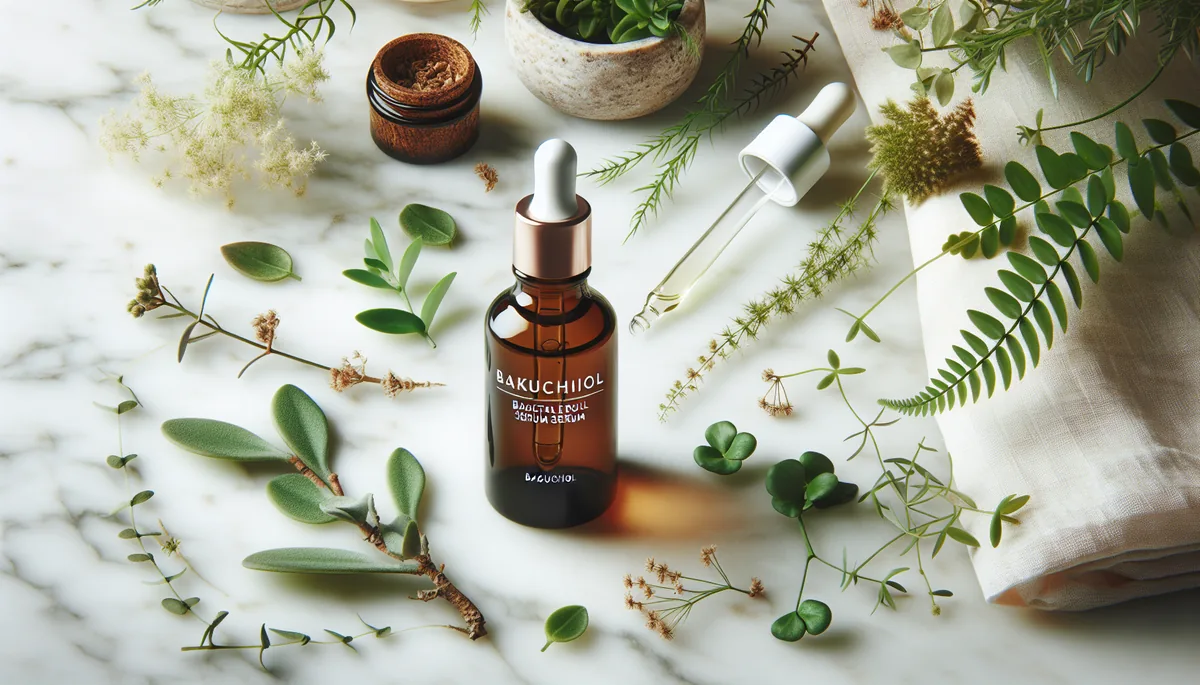
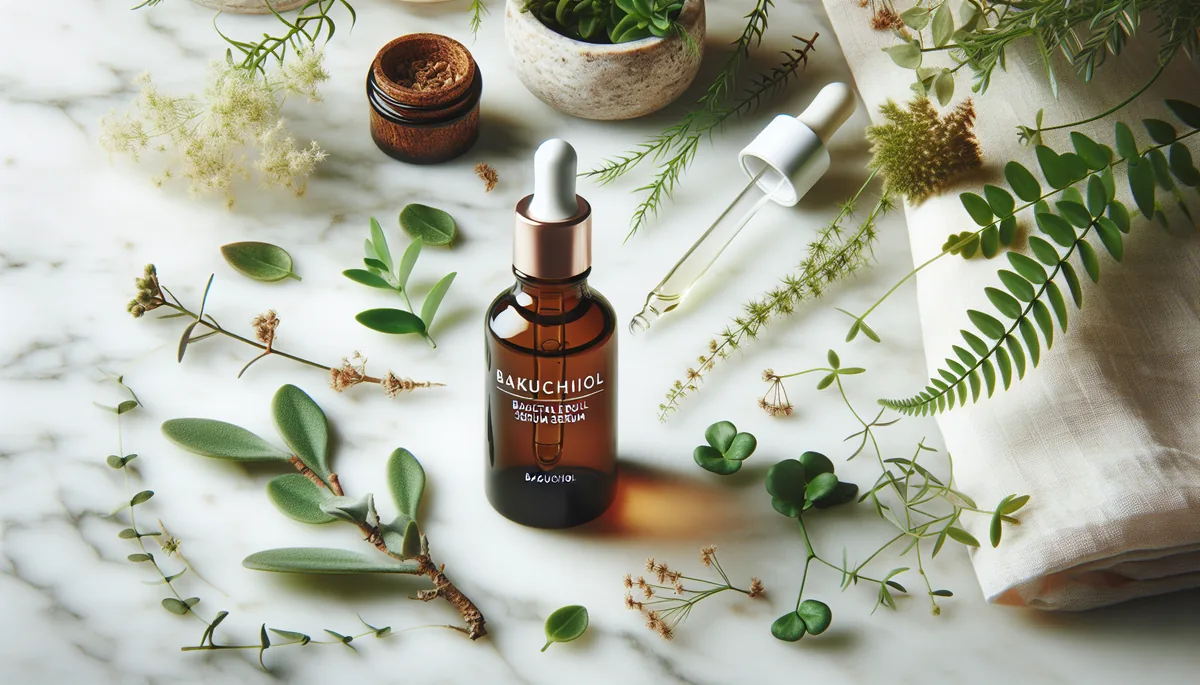
Bakuchiol is usually marketed as a gentler alternative to retinol, but that undersells why acne-prone people care about it. Acne-prone skin often needs ingredients that can help with breakouts, calm irritation, and support post-acne marks without creating a cycle of dryness and barrier damage.
Daily use is a common question. Our guide covers using bakuchiol every day and what the research says about frequency.
Bakuchiol is not first-line acne treatment like benzoyl peroxide, adapalene, or prescription retinoids. But it does have emerging evidence for mild to moderate acne, and it may be especially useful if your skin breaks out and gets irritated easily.
Quick Answer: Bakuchiol is a meroterpene compound from Psoralea corylifolia with evidence supporting retinol-like gene expression effects on the skin. For acne-prone skin, it offers gentler exfoliation and anti-inflammatory benefits without the irritation, dryness, and initial purging commonly seen with retinoids. One randomized study showed comparable improvements in fine lines and pigmentation to 0.5% retinol with fewer side effects—but dedicated acne RCTs are limited.
Key Takeaways
- Bakuchiol activates retinoid receptors and upregulates type I, III, and IV collagen gene expression—a mechanism similar to retinol but via a different molecular pathway.
- One RCT (Dhaliwal et al. 2019) found bakuchiol twice daily non-inferior to 0.5% retinol for fine lines and pigmentation with fewer side effects.
- For acne-prone skin specifically, bakuchiol offers anti-inflammatory and mild antimicrobial properties that reduce comedone formation.
- Bakuchiol is generally safe for use during pregnancy, which is a meaningful advantage over retinoids (which are contraindicated).
- Clinical evidence for bakuchiol in acne treatment specifically is limited to small studies; it should not replace prescription retinoids for moderate-to-severe acne.
Is Bakuchiol Good for Acne-Prone Skin?
Short answer
It can be.
More complete answer
Bakuchiol looks promising for acne-prone skin, especially if you want something gentler than traditional retinoids. The evidence base is still much smaller than it is for established acne treatments, so the honest position is that bakuchiol is a useful option for the right person, not a miracle cure.
What the Research Says
A 2021 open-label pilot study evaluated a cream containing 0.5% bakuchiol used twice daily for 12 weeks in people with mild to moderate facial acne. The study found significant reductions in inflammatory lesions and improvement in post-inflammatory hyperpigmentation, and the product was reported to be well tolerated.
That is encouraging because acne-prone skin often deals with both active pimples and the marks they leave behind.
A 2022 systematic review of bakuchiol in dermatology concluded that the ingredient has promising anti-inflammatory and antibacterial properties and that its strongest clinical applications so far include photoaging, acne, and post-inflammatory hyperpigmentation. The review also emphasized the obvious limitation: we still need more and larger studies.
Why Bakuchiol May Help Acne-Prone Skin
It may improve inflammatory breakouts
The acne pilot study showed improvement in inflammatory lesion counts, suggesting bakuchiol may be helpful for mild papules and pustules.
It may help post-acne marks
The same study found improvement in acne-related PIH, which matters if discoloration lingers longer than the breakout itself.
It is often easier to tolerate than retinol
In the better-known photoaging trial, bakuchiol and retinol performed similarly on visible aging markers, but retinol caused more scaling and stinging. That matters because irritated acne-prone skin is often harder to manage, not easier.
Who Is Bakuchiol Best For?
Bakuchiol is a good option if you:
It can be especially useful for people whose skin is oily, reactive, and discoloration-prone all at once.
Who Should Not Rely on Bakuchiol Alone?
Bakuchiol should not be your only plan if you have:
In those cases, standard dermatology treatments matter more. Bakuchiol can still be supportive, but it should not delay proper care.
How to Use Bakuchiol for Acne-Prone Skin
Start with a simple routine
Use a gentle cleanser, bakuchiol serum or cream, lightweight moisturizer, and sunscreen.
Start once daily
Even though bakuchiol is usually well tolerated, acne-prone skin often reacts badly when too many new products begin at once.
Avoid overloading your routine
If you already use benzoyl peroxide, salicylic acid, or adapalene, introduce bakuchiol slowly.
Choose the right texture
For oily or breakout-prone skin, a lightweight serum or lotion usually makes more sense than a very rich oil-heavy formula.
Bakuchiol vs Retinol for Acne-Prone Skin
Retinoids still have the stronger acne evidence overall. That part is not close. But bakuchiol has a different advantage: tolerability. If your retinoid routine keeps leaving your skin red, flaky, and miserable, bakuchiol may be the product you actually keep using.
For mild acne or long-term maintenance, that can matter a lot.
Common Mistakes Acne-Prone Users Make
Using an oil-rich formula just because it contains bakuchiol
The ingredient may be fine while the base formula is not.
Combining it with too many exfoliants
Gentle does not mean limitless. Overdoing acids can still damage the barrier and worsen breakouts.
Expecting prescription-level results
Bakuchiol is promising, but it is not a substitute for evidence-based acne care in severe cases.
Bottom Line
Bakuchiol can be a smart ingredient for acne-prone skin, especially if you need something gentler than retinol and you also want help with post-acne marks. The clinical evidence is still early, but it is real enough to take seriously. The strongest case for bakuchiol is not that it beats every acne treatment. It is that it may offer a more tolerable, multi-benefit option for people with mild breakouts, sensitive skin, or lingering discoloration.
FAQ
Does bakuchiol help acne?
Early clinical evidence suggests it may improve mild to moderate acne, especially inflammatory lesions.
Is bakuchiol good for acne scars?
It may help post-inflammatory hyperpigmentation left after acne, but it is not a scar-remodeling treatment in the same category as procedures or prescription therapies.
Can acne-prone skin use bakuchiol every day?
Many people can, but starting once daily is the safer approach.
Is bakuchiol better than retinol for acne?
Not overall. Retinoids have much stronger acne evidence. Bakuchiol may be better tolerated, which makes it useful for some people.
References
- Brownell L, Zingler E, Fogel A, et al. A Clinical Study Evaluating the Efficacy of Topical Bakuchiol (UP256) Cream on Facial Acne. J Drugs Dermatol. 2021;20(3):307-310. doi:10.36849/JDD.5655.
- Puyana C, Diaz A, Rojas K, et al. Applications of bakuchiol in dermatology: Systematic review of the literature. J Cosmet Dermatol. 2022;21(12):6636-6643. doi:10.1111/jocd.15420.
- Dhaliwal S, Rybak I, Ellis SR, et al. Prospective, randomized, double-blind assessment of topical bakuchiol and retinol for facial photoageing. Br J Dermatol. 2019;180(2):289-296. doi:10.1111/bjd.16918.
Related Articles
- Propolis Skincare for Acne-Prone Skin
- Best Blush and Bronzer for Acne-Prone Skin
- Omega-3s for Acne: Can Fish Oil Help Clear Skin?
- Probiotics for Acne: The Gut-Skin Axis Explained
- Bakuchiol vs Retinol for Sensitive Skin