
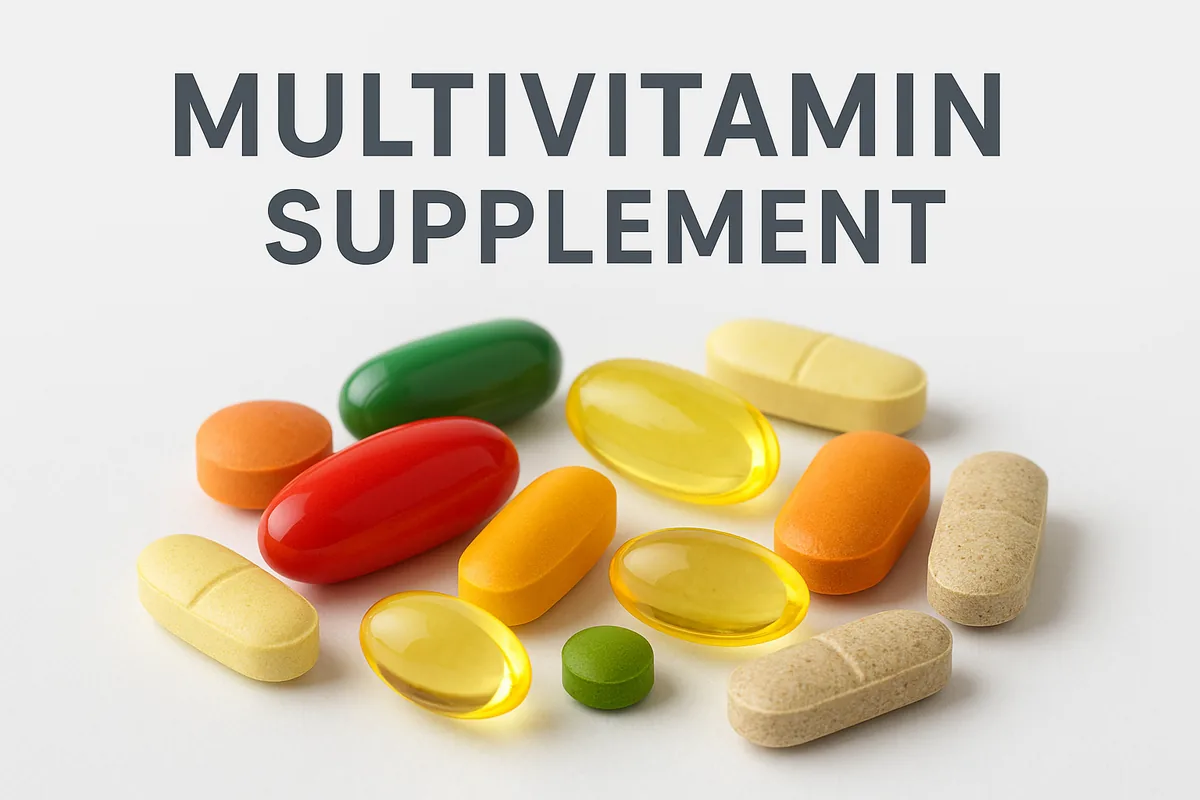
Picky eaters make owners nervous. If a dog skips meals, refuses kibble, or only wants toppers and treats, it is natural to worry about nutrient gaps. That is where multivitamins for picky dogs come in. The idea sounds simple: if your dog is selective, add a multivitamin and cover the bases.
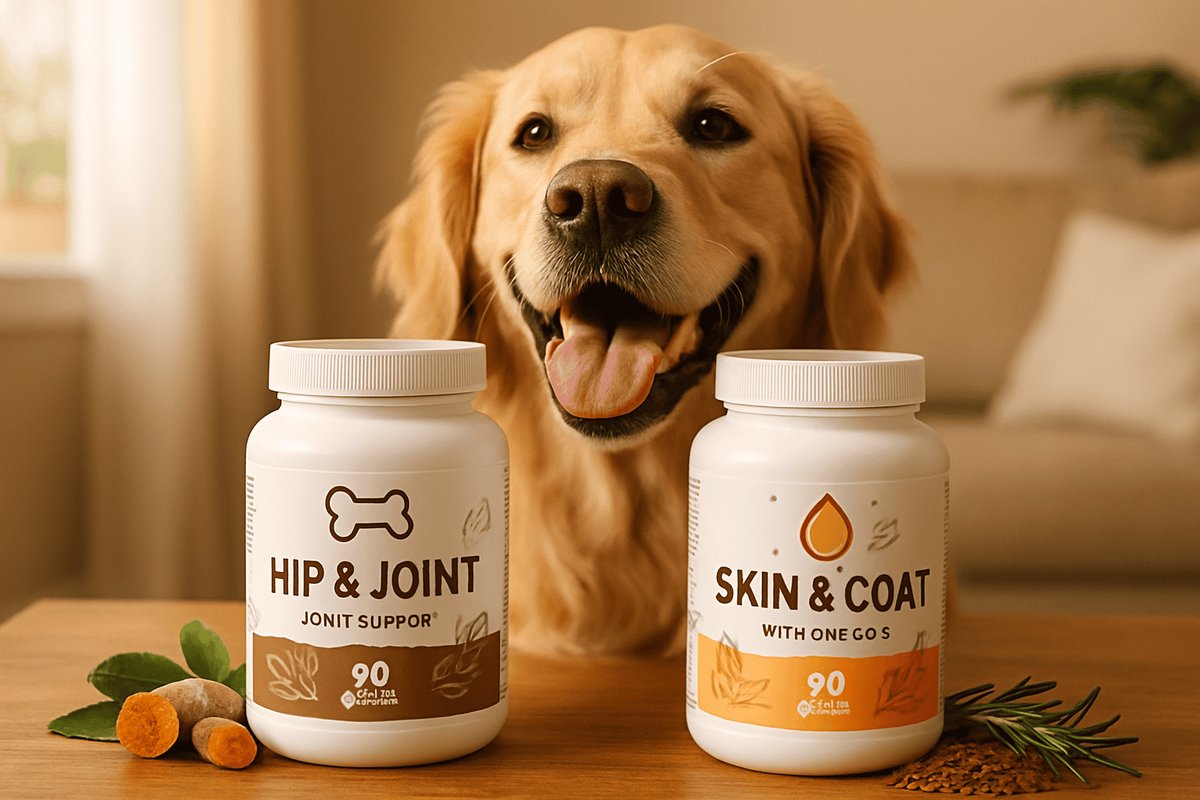
Most complete and balanced commercial dog foods (AAFCO-compliant) already meet all essential vitamin and mineral requirements — in these cases, a multivitamin is redundant and unnecessary. The exception is dogs eating incomplete diets: home-cooked diets without professional formulation, raw diets not supplemented with trace minerals and vitamins, or dogs who consistently refuse full portions of their balanced food. For genuinely picky eaters who regularly under-eat complete food, a multivitamin providing AAFCO-minimum levels (not mega-doses) of vitamins A, D, E, K, B-complex, calcium, phosphorus, zinc, iron, and iodine is appropriate insurance. Palatability is the practical priority for picky dogs — chews, treats, or liquid formulas are better accepted than pills.
- AAFCO-compliant commercial dog foods are formulated to meet all nutritional requirements — the National Research Council’s ‘Recommended Allowances’ for dogs cover 39 essential nutrients. Adding a full-spectrum multivitamin to a dog already eating complete commercial food risks over-supplementation (especially fat-soluble vitamins A and D, which accumulate and can reach toxic levels).
- Vitamin A toxicity is a real concern in dogs on supplemented raw diets that include liver (naturally very high in retinol) plus added supplements — signs include skeletal deformities, gingivitis, and neck/forelimb stiffness. Avoid multivitamins with high preformed vitamin A (retinol) in dogs already eating liver-heavy raw diets.
- B-vitamins are the safest multivitamin component to add: they are water-soluble (excess is excreted), quickly depleted in cooking, and often lacking in home-cooked diets that rely heavily on meat without organ meats or vegetables. B12, folate, and thiamine are the most commonly deficient in unbalanced home-cooked diets.
- Omega-3 (fish oil) and vitamin E are often more practically impactful additions for picky dogs than a broad multivitamin — omega-3 supports coat quality, reduces inflammation, and is genuinely deficient in most commercial kibble; vitamin E protects the omega-3 from oxidation in the diet.
- Consultation with a board-certified veterinary nutritionist is the best investment for dogs eating home-cooked diets — they can formulate a diet-specific supplement recipe rather than applying a generic multivitamin that may double up nutrients already present in food or miss specific gaps.
Sometimes that makes sense. Sometimes it does not.
If your dog eats a complete and balanced commercial diet in roughly appropriate amounts, a multivitamin may add very little. If your dog eats inconsistently, has homemade meals that are not fully formulated, or has a medical issue affecting appetite, a supplement might be useful, but the bigger issue may still be the underlying cause.
The short answer
A multivitamin may help if your dog:
- eats an incomplete homemade diet
- routinely under-eats a complete diet
- has limited variety for a prolonged period
- is recovering from illness and your vet recommends support
A multivitamin is not a substitute for diagnosing dental pain, nausea, food intolerance, stress, or spoiled preferences caused by too many treats.
Why dogs become picky
Sometimes the cause is behavioral
Some dogs learn to hold out for more exciting food. Frequent topper changes, table scraps, and excessive treats can train selectiveness.
Sometimes the cause is medical
Loss of appetite can be linked to dental disease, GI upset, pancreatitis, kidney disease, medication side effects, or pain. A genuine appetite change always matters more than the supplement aisle [1].
Senior dogs may have special issues
Older dogs may deal with smell loss, nausea, arthritis, or cognitive changes that reduce enthusiasm for meals.
Do dogs on commercial food need a multivitamin?
Usually not, if they truly eat enough
AAFCO-style complete and balanced dog foods are formulated to provide essential nutrients when fed as directed. In those cases, routinely stacking a multivitamin on top may be unnecessary and can even risk overdoing certain nutrients [2].
Maybe, if intake is consistently low
If a picky dog eats only part of what is needed day after day, nutrient coverage becomes less certain. That is when a veterinarian may recommend a targeted supplement or a feeding strategy rather than a generic “more is better” chew.
What to look for in a multivitamin for picky dogs
Transparent nutrient amounts
A useful canine multivitamin should clearly list key vitamins and minerals, including:
- vitamin A
- vitamin D
- vitamin E
- B vitamins
- zinc
- selenium
- copper
Dog-specific formulation
Avoid human multivitamins. Dogs have different needs, and some human products contain ingredients or doses that are inappropriate. Xylitol, for example, is toxic to dogs [3].
Extra support ingredients can be helpful
Some canine multivitamins also include:
- digestive enzymes or probiotics
- omega-3s
- glucosamine
- antioxidants
Those can be useful, but they should not distract from the core nutrient profile.
Red flags to avoid
Mega-dosing fat-soluble vitamins
Too much vitamin A or D can be harmful over time. This is one reason random layering of supplements is a bad idea [2].
Proprietary blends with no real numbers
If a brand hides exact amounts, move on.
Products that promise appetite “fixes”
A multivitamin does not usually cure poor appetite. It may support nutrition while you address the cause.
Better strategies than adding another chew
Tighten feeding structure
Offer meals on schedule, limit grazing, and reduce high-value treats between meals. Many picky dogs improve when the buffet closes.
Warm food or improve texture
A little warm water, broth approved by your vet, or a texture change can improve acceptance without wrecking nutritional balance.
Rule out illness early
If pickiness is new, persistent, or paired with vomiting, diarrhea, weight loss, or lethargy, get a veterinary exam.
FAQ
Should I give my picky dog a multivitamin?
Maybe, especially if your dog is not consistently eating a complete diet. But the smarter first step is figuring out why your dog is picky.
Can multivitamins increase appetite in dogs?
Not usually in a direct way. Some dogs may do better when overall health improves, but multivitamins are not reliable appetite stimulants.
Are human multivitamins safe for dogs?
No. Many are poorly suited to dogs, and some contain harmful ingredients such as xylitol.
What is the best vitamin for dogs who do not eat well?
There is rarely one “best” vitamin. A dog-specific multivitamin with transparent doses can be reasonable, but the real priority is addressing the cause of reduced intake.
- Merck Veterinary Manual. Inappetence and anorexia in dogs and cats. https://www.merckvetmanual.com/
- National Research Council. Nutrient Requirements of Dogs and Cats. National Academies Press; 2006.
- U.S. Food and Drug Administration. Paws off xylitol; it’s dangerous for dogs. https://www.fda.gov/
—
This article is for informational purposes only and does not replace veterinary advice. A meaningful drop in appetite deserves medical attention, especially in puppies, seniors, or dogs with chronic disease.
Related Articles
- Best Pet Supplements for Dogs and Cats
- Probiotics for Cats With Digestion Issues
- Omega-3 Supplements for Pets
- Calming Supplements for Anxious Dogs
- Best Joint Supplements for Senior Dogs
Sources
- WSAVA Global Nutrition Guidelines for Dogs and Cats.
- Reviews on multivitamin supplementation in dogs. PubMed search.
- Research on vitamin and mineral supplementation for home-prepared dog diets. PubMed search.
- Reviews on canine micronutrient deficiencies and diet adequacy. PubMed search.
- Reviews on selective eating, diet adequacy, and supplementation in dogs. PubMed search.
📚 Part of our Best Pet Supplements hub. Explore all our pet health guides.


Leave a Reply