
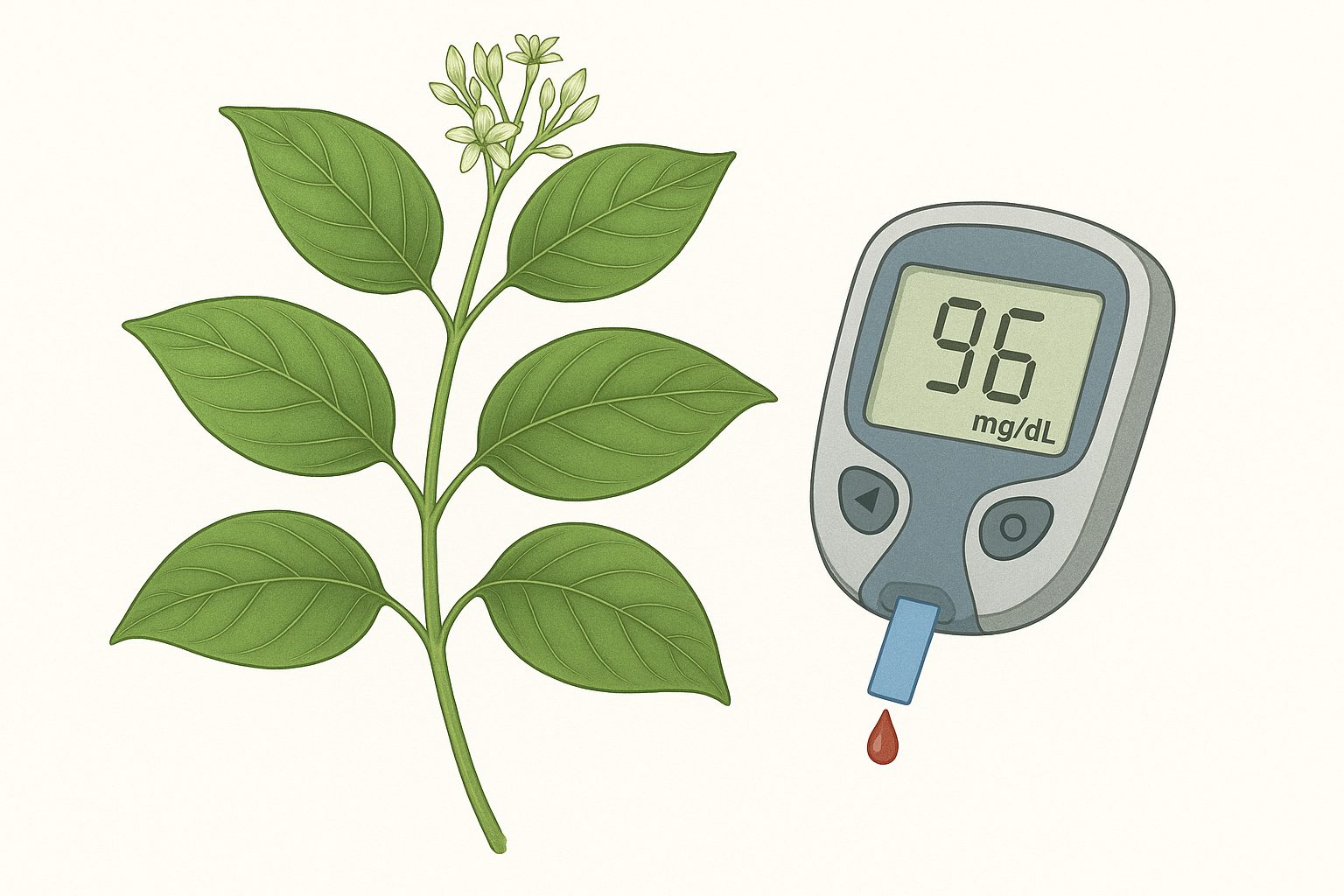
Clinical Evidence
The Studies We Have
- Baskaran et al. (1990): 22 type 2 diabetics given 400 mg/day GS4 extract alongside conventional therapy for 18-20 months. Reduced fasting glucose, HbA1c, and allowed medication dose reduction in some participants. No placebo group.
- Shanmugasundaram et al. (1990): 27 type 1 diabetics. 400 mg/day alongside insulin. Reduced insulin requirements and improved HbA1c. No placebo group.
- Kumar et al. (2010): 64 type 2 diabetics randomized to 500 mg/day or placebo for 3 months. Significant reductions in fasting glucose and HbA1c vs. placebo.
- Li et al. (2015): 60 metabolic syndrome patients. 600 mg/day for 12 weeks. Modest glucose and weight improvements.
What’s Missing
- No large (>100 participant) RCT exists
- Most studies are from a small number of Indian research groups
- No independent replication by Western research teams
- No long-term safety data beyond 20 months
- No standardized extract used across studies
Dosing
From trials: 400-800 mg/day of standardized extract (typically 25% gymnemic acids)
Timing: Often split into 2 doses, taken before meals
Safety
- Generally well tolerated in available studies
- Hypoglycemia risk when combined with diabetes medication – this is a real concern
- May reduce iron absorption (gymnemic acids can bind minerals)
- Not studied in pregnancy or breastfeeding
Products to Look For
- Standardized to 25% gymnemic acids (matches trial protocols)
- From manufacturers with third-party testing
- Often found in blood sugar support blends alongside chromium and berberine
Honest Take
Gymnema is one of the more plausible traditional blood sugar remedies – the mechanism makes sense, the animal data is consistent, and the small human trials are positive. But “small trials from one research tradition with no placebo controls” is a pattern that has disappointed before. It’s worth trying as part of a broader strategy, not worth relying on as your primary intervention.
If you want the strongest evidence for a plant-based blood sugar supplement, berberine has substantially more and better data.
Frequently Asked Questions
How does gymnema sylvestre lower blood sugar?
Gymnema appears to work through multiple mechanisms: blocking intestinal glucose absorption via SGLT1 inhibition, inhibiting glucose uptake in intestinal cells, and potentially stimulating insulin secretion and beta cell regeneration. The sweet taste-blocking effect may also reduce dietary sugar intake.
What dose of gymnema is effective for blood sugar?
Trials have used 200-400 mg/day of standardized gymnema extract (typically standardized to 25% gymnemic acids). Studies of 18-24 months have been conducted, showing sustained effects. GS4 is a commonly studied standardized extract.
Can gymnema replace diabetes medication?
No. One study showed adjunctive use led to medication dose reduction under physician supervision, but gymnema should not replace prescribed treatment independently. Any medication changes must be medically supervised with blood sugar monitoring.
What does gymnema taste like, and does blocking sweet taste matter?
Gymnema temporarily blocks sweet taste for 15-30 minutes after use. While this is a fascinating physiological effect, its clinical relevance for long-term blood sugar management goes beyond just reducing sweetness perception-the primary mechanisms are metabolic. For more detail, see our related guide on gymnema sylvestre for blood sugar.
References
- The effect of Gymnema sylvestre supplementation on glycemic control in type 2 diabetes patients: A systematic review and meta-analysis. Phytotherapy research : PTR. 2021. PMID: 34467577.
- Shanmugasundaram ERB et al. (1990) Gymnema sylvestre in type 1 diabetes. J Ethnopharmacol.
- Kumar SN et al. (2010) Gymnema sylvestre and metabolic parameters. Indian J Pharm Sci.
- Zuñiga LY, González-Ortiz M, Martínez-Abundis E (2017). Effect of Gymnema sylvestre Administration on Metabolic Syndrome, Insulin Sensitivity, and Insulin Secretion. Journal of medicinal food. PMID: 28459647.
- Tiwari P et al. (2014) Gymnema sylvestre review. Open Med Chem J.
Related Articles
- Alpha-Lipoic Acid for Blood Sugar and Diabetic Neuropathy: What the Evidence Supports
- Chromium Picolinate for Blood Sugar: What the Research Actually Shows
- Best Metabolic Health Supplements in 2026: Blood Sugar, Insulin Sensitivity Fat Metabolism
- Berberine vs Metformin: What the Evidence Actually Shows for Blood Sugar Support
- Best Berberine Supplements in 2026: Blood Sugar, Weight Loss, and What the Research Actually Shows



Leave a Reply