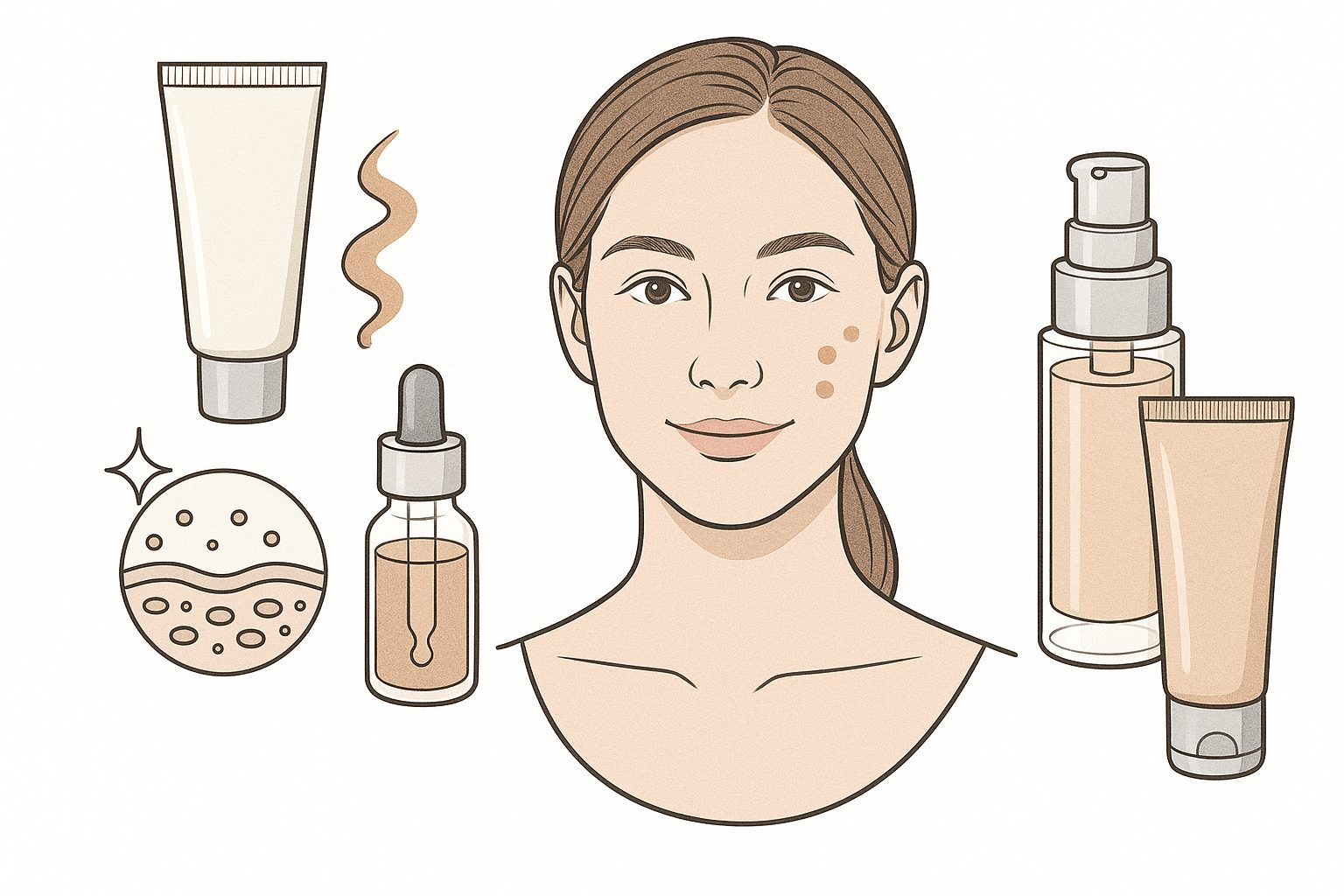
Best Tinted Moisturizers With Skincare Benefits

Quick Answer: The best tinted moisturizers with skincare benefits are lightweight enough to feel like skincare but contain enough pigment to even out skin tone — look for formulas with hyaluronic acid or niacinamide, SPF 30+, and a skin-matching shade range.
The best tinted moisturizers with skincare benefits are no longer just “light coverage for no-makeup days.” They have become one of the most practical categories in beauty because they combine three things people actually want: easier routines, more comfortable wear, and a finish that looks like skin instead of product.
A good tinted moisturizer should even out tone, add hydration, and improve how your skin looks by the end of the day, not just at application. That is what separates a real skincare-makeup hybrid from a basic sheer foundation with trendy branding.
Why tinted moisturizers are having a comeback
Tinted moisturizers fit the shift away from heavy, mask-like base makeup. More shoppers want complexion products that feel breathable and work with healthy skin rather than covering it up completely.
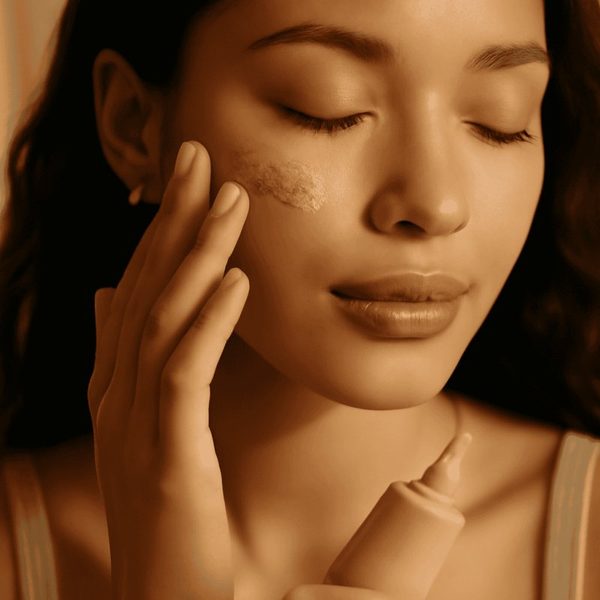
They are especially useful for:
- Dry or dehydrated skin
- Mature skin
- Busy morning routines
- Warm weather makeup
- People who dislike full-coverage foundation
What skincare benefits matter most
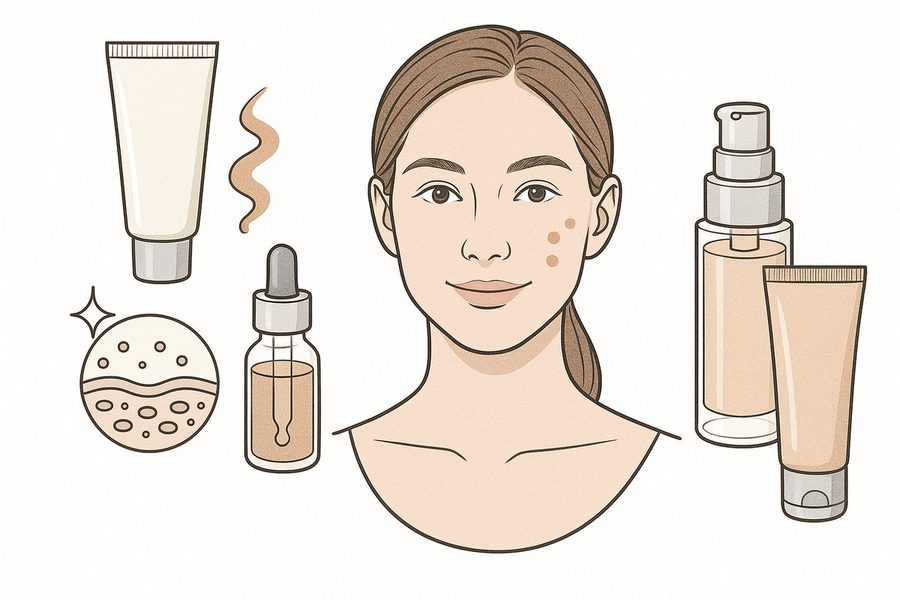
Not every “skincare-infused” tinted moisturizer is equally useful. The most worthwhile formulas usually include ingredients that support comfort and barrier function.
Hydration support
Look for glycerin, hyaluronic acid, panthenol, aloe, or squalane. These help prevent that midday tightness that makes skin look tired.
Barrier-friendly support
Ceramides, niacinamide, and calming ingredients can help make the product more wearable for sensitive or redness-prone skin.
Smoother-looking texture
Peptides and light-reflective ingredients are helpful if you want your skin to look softer and fresher without obvious makeup.
Best tinted moisturizer styles by skin type
For dry skin
Choose richer lotion textures with glycerin, hyaluronic acid, squalane, or peptides. A satin or dewy finish usually looks best.
For oily or combination skin
Look for lightweight gel-cream textures with niacinamide and a natural finish. You want breathable, not greasy.
For mature skin
Serum-tinted moisturizers with peptides, antioxidants, and a flexible finish tend to be the most flattering.
For redness-prone skin
A formula with niacinamide, calming extracts, and light buildable coverage is often the smartest choice.
What makes one worth buying?
A tinted moisturizer is worth buying when it does more than just feel nice.
The best formulas:
- Blend quickly without streaking
- Wear evenly for several hours
- Do not collect in dry patches
- Layer well over sunscreen
- Leave skin looking healthier instead of shinier
The weaker ones:
- Separate by midday
- Offer no real hydration support
- Sit on top of the skin instead of melding in
- Depend on hype words rather than a solid texture
How to apply tinted moisturizer for the best finish
Start with simple prep
Cleanse, moisturize if needed, and apply sunscreen. Let your skincare settle before makeup.
Use less than you think
A small amount often looks better than a full foundation-style application. Start in the center of the face and blend outward.
Build only where needed
Use concealer for under-eyes or areas of discoloration instead of overloading the whole face.
Set strategically
Most tinted moisturizers look best when left mostly unset. Use a small amount of powder only where you crease or get extra shiny.
Are tinted moisturizers better than foundation?
For many people, yes. If your biggest goal is healthy-looking skin rather than full correction, tinted moisturizers are often more flattering. They are especially useful when your skin already looks decent and you just want more even tone, hydration, and glow.
Foundation still makes sense when you need more coverage or longer wear. But for everyday makeup, tinted moisturizers with skincare benefits are often the smarter, more modern choice.
Final takeaway
The best tinted moisturizers with skincare benefits win because they solve a real problem: people want makeup that feels better on the skin and is easier to wear every day. When the formula includes meaningful hydrators, barrier-friendly ingredients, and a believable skin finish, this category absolutely earns its place.
Think of it as the sweet spot between skincare, makeup, and convenience.
Key Takeaways
- Tinted moisturizers are most useful when you want skin that looks more even without feeling like you are wearing foundation.
- SPF in tinted moisturizers is a significant benefit — it combines two daily steps into one for people who otherwise skip sunscreen.
- Niacinamide in tinted moisturizers offers ongoing brightening and pore-appearance reduction even through the coverage layer.
- Shade range is a weakness of many tinted moisturizers — check for shade extensions or buildability if your skin tone is outside the middle range.
- These products work best when skin is well-hydrated first — apply over moisturizer for best blending and longest wear.
What Makes a Tinted Moisturizer Different From Foundation
Coverage is the main practical difference. Foundation provides medium to full coverage designed to mask redness and uneven tone. A tinted moisturizer provides light, sheer coverage that evens out tone without masking individual features. You can still see freckles and natural skin texture through it — and that is intentional. The formula is built on a hydrating base, with pigment as a secondary ingredient, not the primary one.
Key Skincare Actives Worth Having
- Hyaluronic acid: Draws moisture to the skin surface, keeping it plump throughout wear.
- Niacinamide: Brightens over time, reduces the appearance of pores, and has anti-inflammatory properties.
- SPF 30 or higher: Broad-spectrum sun protection should be a baseline in any daily complexion product.
- Ceramides: Support the skin barrier, especially valuable in products worn all day.
How to Apply Tinted Moisturizer
Apply over a freshly moisturized face by dotting small amounts on the forehead, nose, cheeks, and chin, then blending outward with clean fingers or a damp sponge. Fingers often produce the most natural finish because the warmth of your hands helps the product melt into skin. Build coverage only where you need it — over any active redness or blemishes — rather than layering all over.
Who Benefits Most From Tinted Moisturizers
Tinted moisturizers are ideal for: people who prefer minimal makeup, those with relatively even skin tone, anyone wanting built-in SPF, and people who value skincare benefits in every routine step. They are less ideal for anyone wanting medium or full coverage or dealing with significant discoloration.
FAQ
Are tinted moisturizers good for mature skin?
Yes. Many are more flattering than traditional foundation because they offer lighter coverage and a more flexible finish.
What ingredients should I look for in a tinted moisturizer?
Look for glycerin, hyaluronic acid, niacinamide, peptides, ceramides, panthenol, and squalane.
Can tinted moisturizer replace foundation?
Yes, if you prefer light coverage and a more natural skin-like look.
Do tinted moisturizers work with sunscreen?
Yes, and they should be layered over sunscreen rather than used as your only sun protection unless the product provides enough SPF and you apply enough of it.
Related Articles
- Best Skincare for Menopausal Dry Skin: What Actually Helps
- Best Hybrid Complexion Products for Dry Skin
- Best Middle Eastern Skincare Brands in 2026: Beyond the Western Mainstream
- Best Teen Skincare Routines and Products for Clear Skin in 2026
- SPF Makeup Hybrids That Actually Work
Sources
- U.S. Food and Drug Administration. Cosmetics labeling guide.
- Environmental Working Group. Skin Deep cosmetic ingredient safety database.
- Reviews on niacinamide and skin benefits. PubMed search.
- Reviews on sunscreen SPF in cosmetic formulations. PubMed search.
- European Commission. CosIng: cosmetic ingredient database.