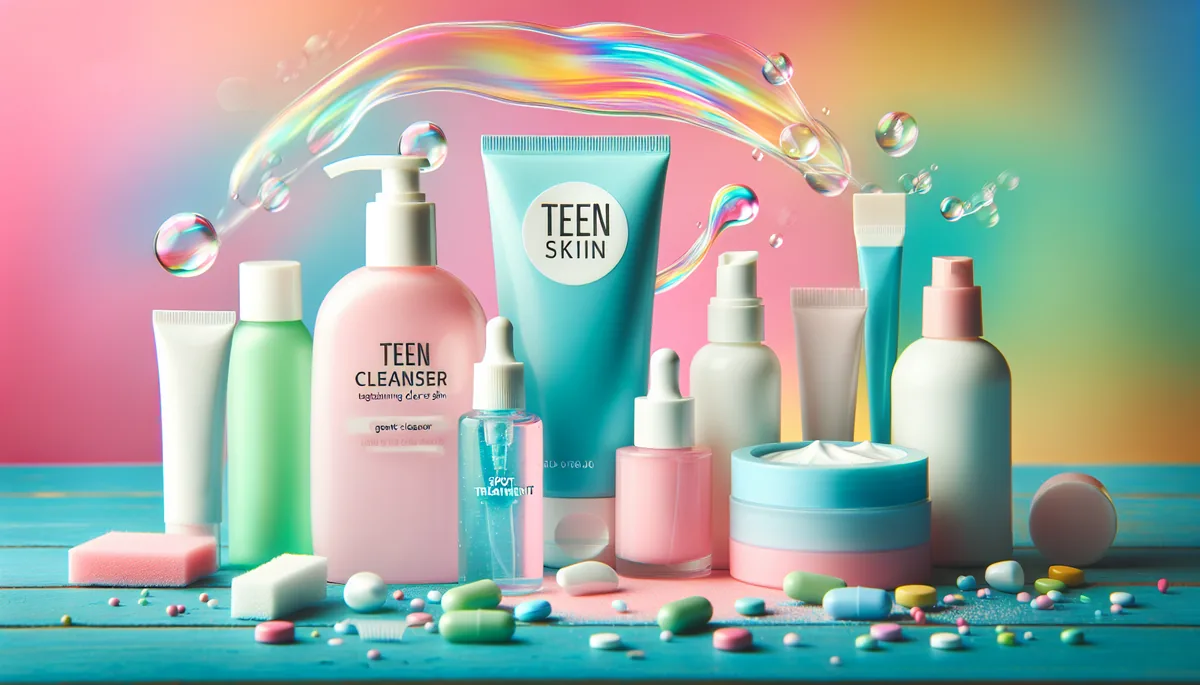
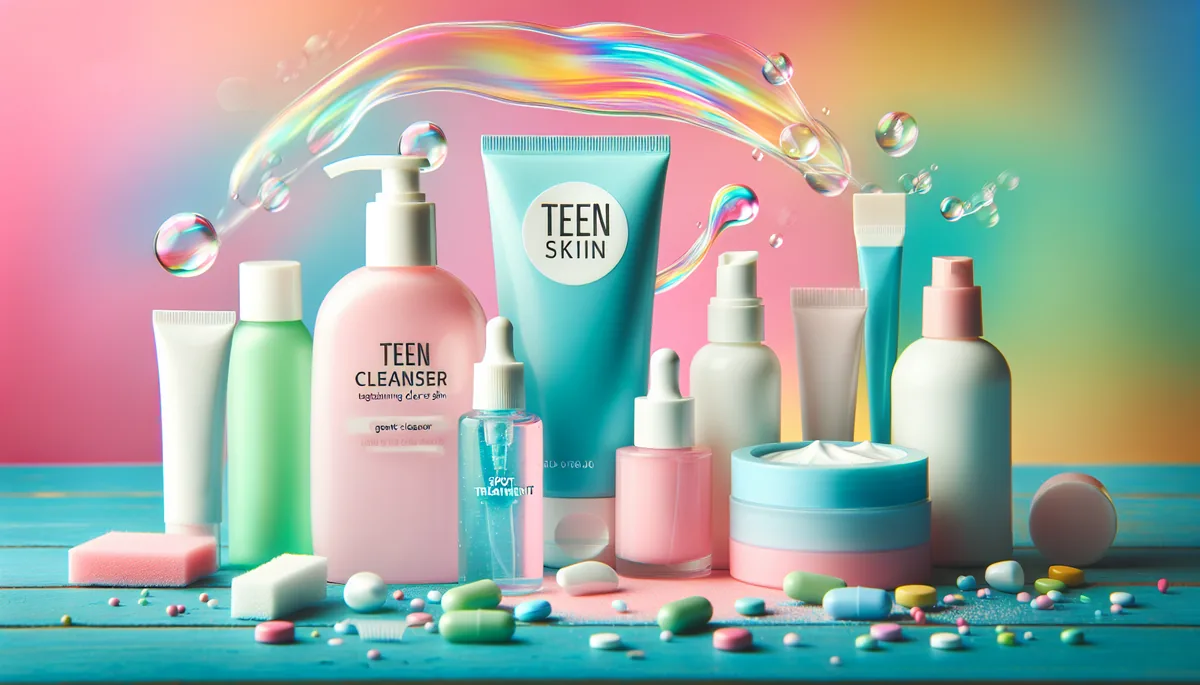
Teen skin is unique – more oil production, more breakouts, and more confusion about what actually works. The good news? A simple, consistent routine with the right products can make a huge difference. No 12-step routines required.
A teen skincare routine for clear skin should be evidence-based and minimal – the skincare industry heavily markets to teens, but many products marketed to this demographic are unnecessary, potentially irritating, or counterproductive. The evidence-based core for most teens: gentle cleanser twice daily (not bar soap – alkaline pH disrupts skin microbiome), lightweight non-comedogenic moisturizer daily, and SPF 30 or higher every morning. For acne-prone teens, adding adapalene 0.1% gel (now OTC in the US) and or benzoyl peroxide 2.5-5% provides the strongest over-the-counter acne treatment available. Retinol for anti-aging, heavy actives stacks, and expensive skincare sets marketed to teens are unnecessary and often counterproductive.
- Teen skin has high sebum production (driven by androgens rising during puberty) and typically an intact, functioning barrier – this means teens need barrier support (gentle cleanser plus light moisturizer) rather than the intensive ceramide repair protocols appropriate for postmenopausal or compromised-barrier adult skin.
- Adapalene 0.1% (Differin Gel, OTC in the US since 2016) is the highest-evidence acne treatment available without prescription for teens 12 and older – multiple large RCTs show 40-52% reduction in inflammatory lesions; it is approved for OTC use specifically in the teen demographic and is safer and less irritating than tretinoin.
- Benzoyl peroxide at 2.5% is as effective as 10% with significantly less skin dryness and irritation; paired with adapalene (used on alternate evenings when starting to minimize irritation), this combination is the closest OTC equivalent to prescription combination acne therapy.
- The skincare TikTok problem for teens: social media beauty content has driven a significant increase in unnecessary and potentially harmful skincare use in teens and pre-teens – strong retinoids, heavy acids, and overly complex routines are frequently used by teens without clinical indication, causing irritant contact dermatitis and sensitization.
- Sunscreen habit formation in adolescence has lifelong benefits: UV exposure in childhood and adolescence accounts for a disproportionate share of cumulative lifetime UV dose and associated skin cancer risk; SPF as a daily habit starting at 12-13 produces compounding prevention that no corrective treatment can replicate.
Why Teen Skin Is Different
Puberty triggers hormonal changes that affect skin:
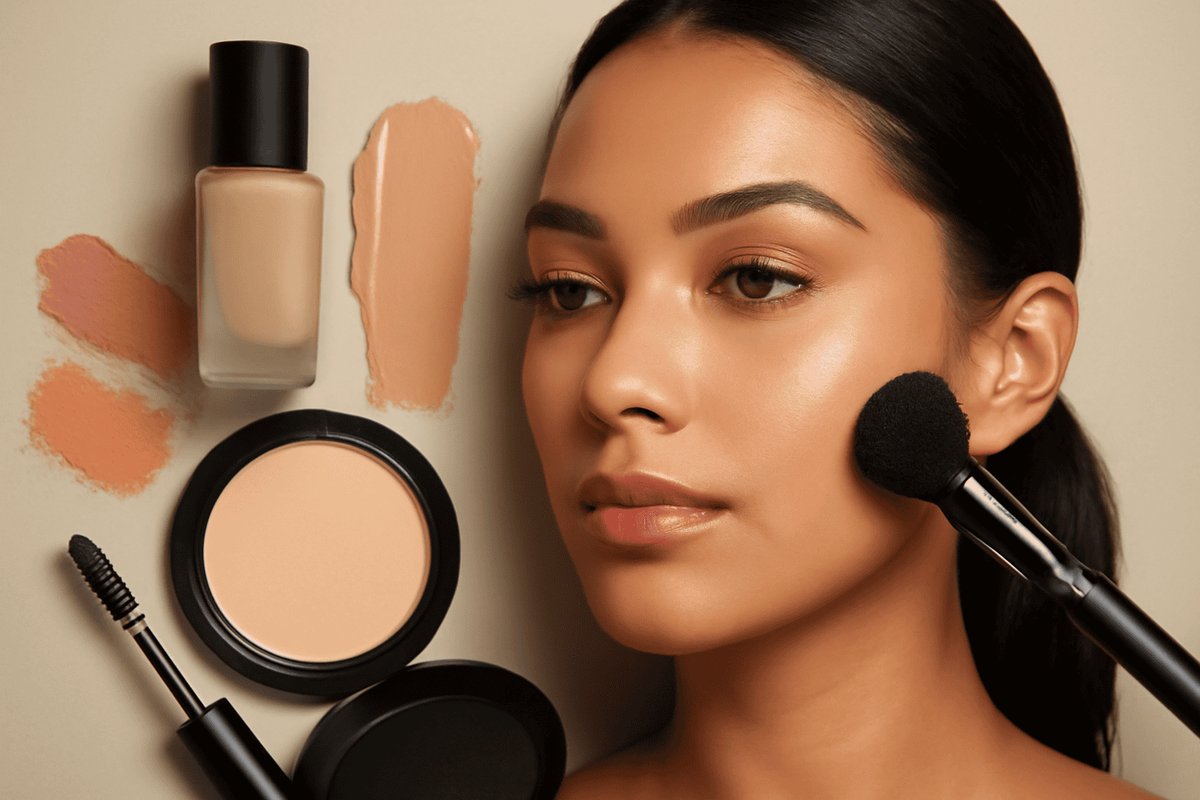
- Increased sebum (oil) production – Leads to shine, clogged pores, and breakouts
- Acne – 85% of teens experience some form of acne
- Sensitivity – Teen skin is still maturing and can react to harsh products
- Uneven texture – Blackheads, whiteheads, and rough patches are common
The key is to manage oil and acne without stripping or damaging the skin barrier.
The Perfect Basic Teen Skincare Routine
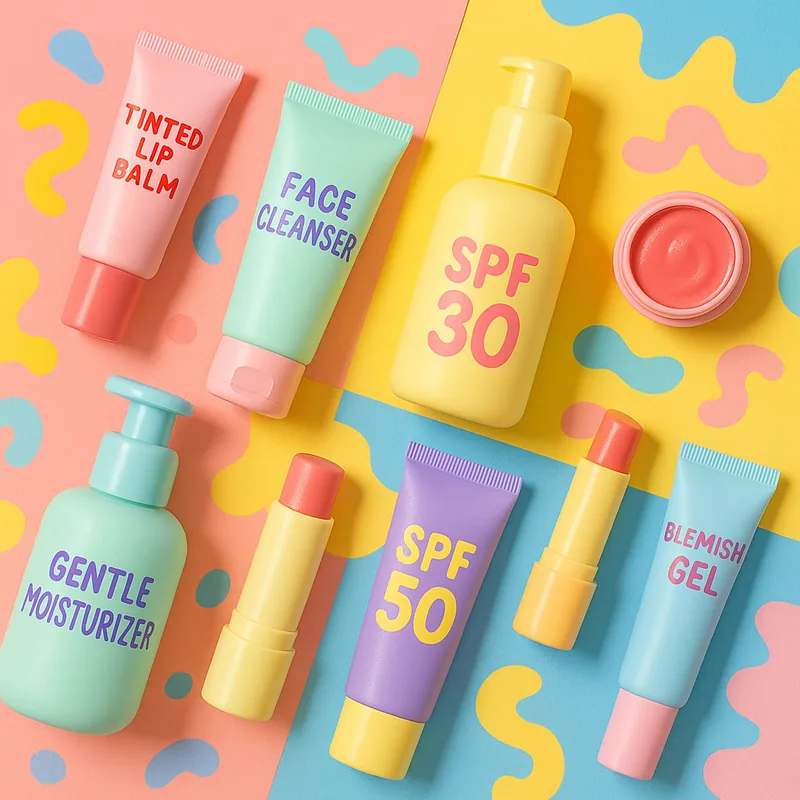
Morning (3 Steps)
- Gentle cleanser – Wash with a mild, non-stripping cleanser
- Lightweight moisturizer – Yes, even oily skin needs moisture
- Sunscreen SPF 30+ – Protects skin and prevents acne scars from darkening
Evening (3-4 Steps)
- Cleanser – Remove dirt, oil, and any makeup or sunscreen
- Acne treatment (if needed) – Benzoyl peroxide or salicylic acid on active breakouts
- Moisturizer – Hydrate and repair overnight
- Spot treatment (optional) – Pimple patch or targeted treatment on breakouts
That’s it. Three to four products, twice a day. Consistency beats complexity.
Best Skincare Products for Teens
Cleansers
1. CeraVe Foaming Facial Cleanser
A dermatologist-favorite that removes oil without stripping. Contains ceramides and niacinamide to strengthen the skin barrier.
Best for: Oily and combination teen skin.
2. La Roche-Posay Toleriane Hydrating Gentle Cleanser
For teens with sensitive or dry skin. Creamy, non-foaming, and ultra-gentle.
Best for: Sensitive teen skin that gets irritated easily.
Moisturizers
3. CeraVe Daily Moisturizing Lotion
Lightweight, non-comedogenic, and fragrance-free. The ceramide-rich formula hydrates without causing breakouts.
Best for: All teen skin types, especially acne-prone.
4. Neutrogena Hydro Boost Water Gel
A gel-cream with hyaluronic acid that hydrates oily skin without feeling heavy or greasy.
Best for: Oily skin teens who hate the feeling of moisturizer.
Acne Treatments
5. Differin Gel (Adapalene 0.1%)
An over-the-counter retinoid that treats and prevents acne. The gold standard for teen acne – apply a thin layer at night.
Best for: Persistent acne that doesn’t respond to basic cleansing.
6. Paula’s Choice 2% BHA Liquid Exfoliant
Salicylic acid that unclogs pores and smooths skin texture. Use 2-3 times per week – not daily.
Best for: Blackheads, whiteheads, and rough skin texture.
Sunscreen
7. EltaMD UV Clear Broad-Spectrum SPF 46
Lightweight, non-comedogenic, and formulated with niacinamide. Doesn’t leave a white cast and works well under makeup.
Best for: Acne-prone teens who need sun protection without breakouts.
Common Teen Skincare Mistakes
What NOT to Do
- Over-washing – Washing more than twice daily strips natural oils and triggers more oil production
- Using adult anti-aging products – Retinol serums and acid peels are too harsh for most teens
- Popping pimples – Causes scarring, infection, and more breakouts. Use pimple patches instead.
- Skipping moisturizer – Even oily skin needs hydration. Dehydrated skin produces MORE oil.
- Using too many products at once – Introduce one new product at a time, waiting 2 weeks between additions
- Sharing makeup and tools – Spreads bacteria and causes breakouts
When to See a Dermatologist
- Acne isn’t improving after 8-12 weeks of consistent routine
- Deep, painful cystic acne
- Acne is causing scarring
- Acne is affecting self-esteem or mental health
- Over-the-counter products cause irritation or allergic reactions
Building Good Habits Early
Skincare is a long game. The habits teens build now pay off for decades:
- Consistency over perfection – A simple routine done daily beats an elaborate one done occasionally
- Sunscreen is non-negotiable – Sun damage is cumulative and mostly happens before age 18
- Less is more – Three good products beat ten mediocre ones
- Patience – New products need 4-8 weeks to show results
Frequently Asked Questions
What is the best skincare routine for a teenager?
The best teen skincare routine is simple: gentle cleanser, lightweight moisturizer, and sunscreen in the morning. At night, cleanse again and add a targeted acne treatment if needed. Consistency is more important than complexity.
What age should you start a skincare routine?
A basic routine of cleanser, moisturizer, and sunscreen can start at any age, but targeted acne treatments typically become relevant around ages 11-13 when puberty begins and oil production increases.
Is it OK for teens to use retinol?
Over-the-counter adapalene (Differin Gel) is approved for teens 12+ and is the most effective OTC acne treatment. However, prescription-strength retinol and anti-aging retinoids are generally unnecessary for teen skin.
Why does my teenager have oily skin?
Hormonal changes during puberty increase sebum production, leading to oily skin. This is completely normal and typically moderates in the late teens to early twenties. Proper cleansing and lightweight moisturizer help manage excess oil.
Can diet affect teen acne?
Research suggests that high-glycemic foods (sugar, white bread, processed snacks) and dairy may worsen acne in some people. A balanced diet with plenty of water, fruits, and vegetables supports overall skin health.
This article may contain affiliate links. We may earn a small commission at no extra cost to you when you purchase through our links.
Related Articles
- How to Build a Skincare Routine: AM/PM Guide
- Best Makeup for Sensitive Skin: Products That Stay Calm
- Makeup Ingredients Sensitive Skin Should Avoid and Why
- Non-Toxic Makeup Brands Worth Trusting in 2026
- Best Fragrance-Free Makeup for Sensitive Skin
Sources
- American Academy of Dermatology, Skin Care for Your Teens
- INCIDecoder, Niacinamide
- INCIDecoder, Salicylic Acid
- INCIDecoder, Glycerin
- How to Build a Skincare Routine: AM/PM Guide
📚 Part of our How to Build a Skincare Routine hub. Explore all our skincare routine guides.