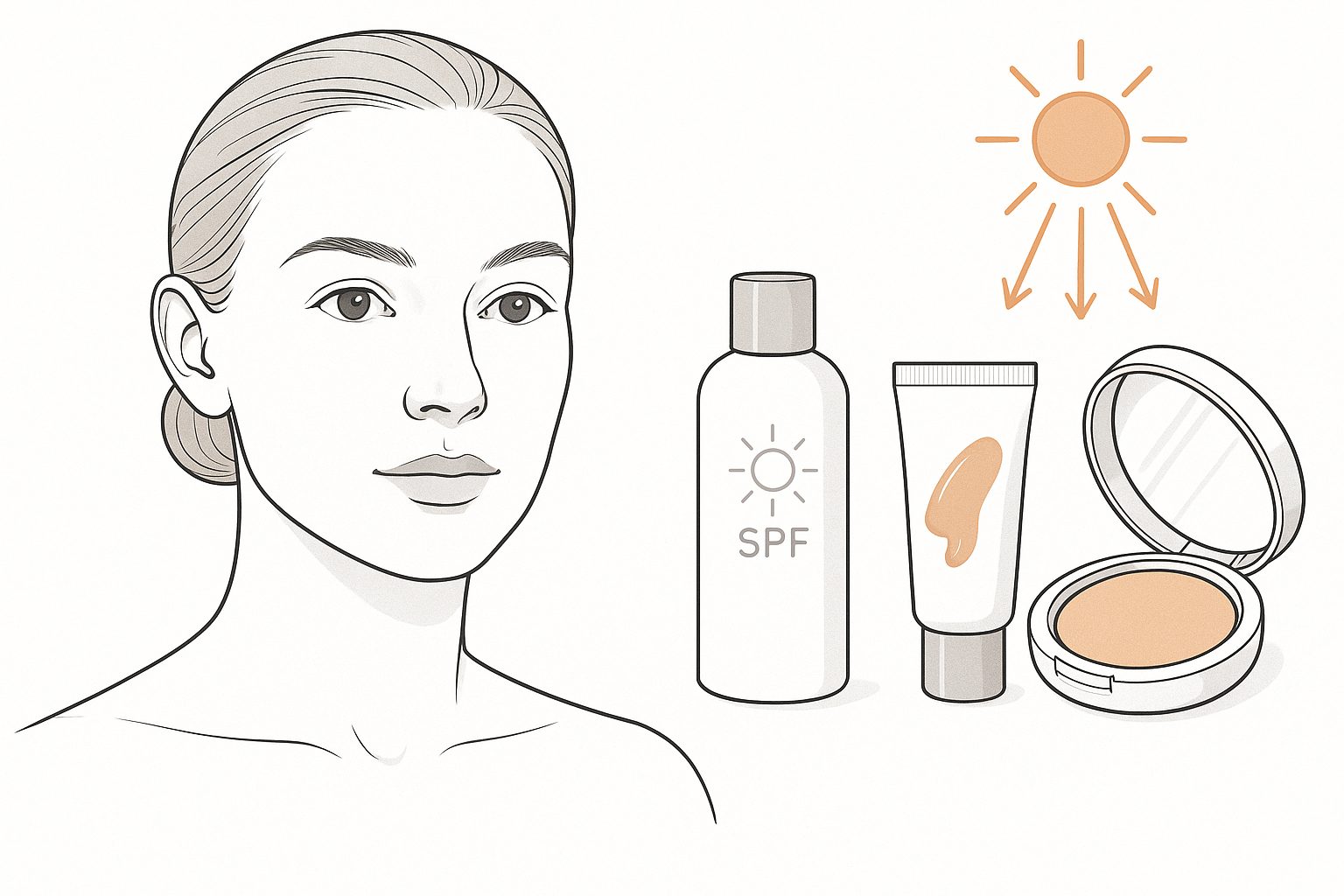
SPF Makeup Hybrids That Actually Work
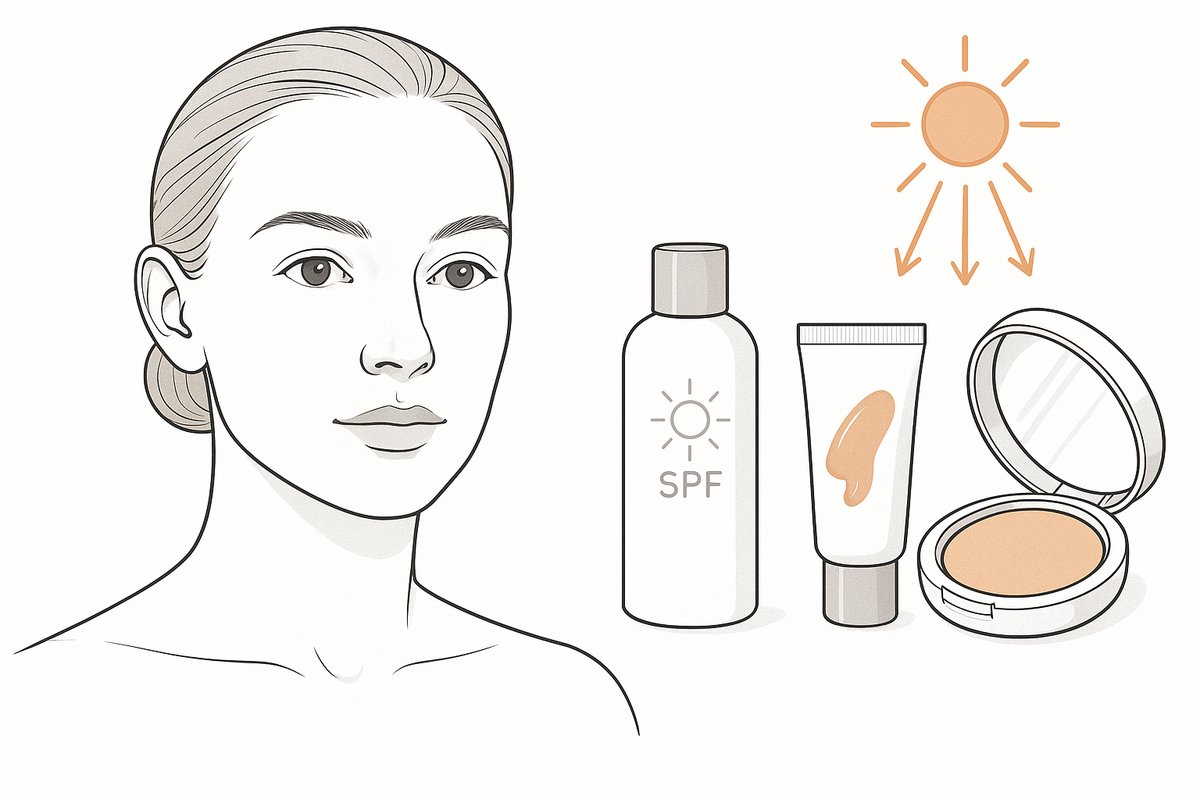
Quick Answer: SPF makeup hybrids that actually work provide meaningful sun protection (SPF 30+) without compromising finish or coverage — the best options are tinted sunscreens and foundation-SPF hybrids with chemical or mineral filters at the right concentration.
SPF makeup hybrids that actually work are harder to find than beauty marketing makes it seem. Plenty of foundations, skin tints, and tinted moisturizers include SPF on the label, but that does not automatically make them reliable sun protection in real life.
That does not mean the category is useless. It just means shoppers need realistic expectations. The best SPF makeup hybrids add convenience, support everyday routines, and make reapplication easier in some cases. They work best when you treat them as helpful makeup products with sun-protection value, not as a complete substitute for a dedicated sunscreen layer.
What “actually work” should mean
For an SPF makeup hybrid to actually work, it should do three things well:
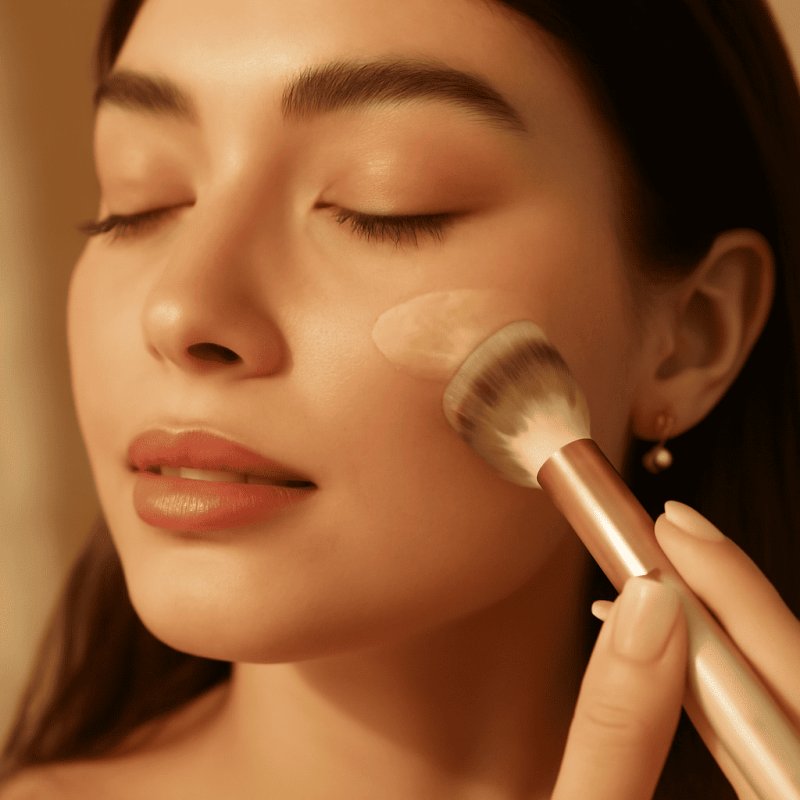
1. Give a wearable finish
If the texture is greasy, chalky, or patchy, you will not use enough or use it consistently.
2. Layer well over sunscreen
Most people still need a separate sunscreen underneath. The makeup product should sit smoothly on top without pilling.
3. Offer meaningful daily convenience
A good SPF hybrid can simplify routine, add a little extra protection, and make the skin look better at the same time.
The biggest truth about SPF in makeup
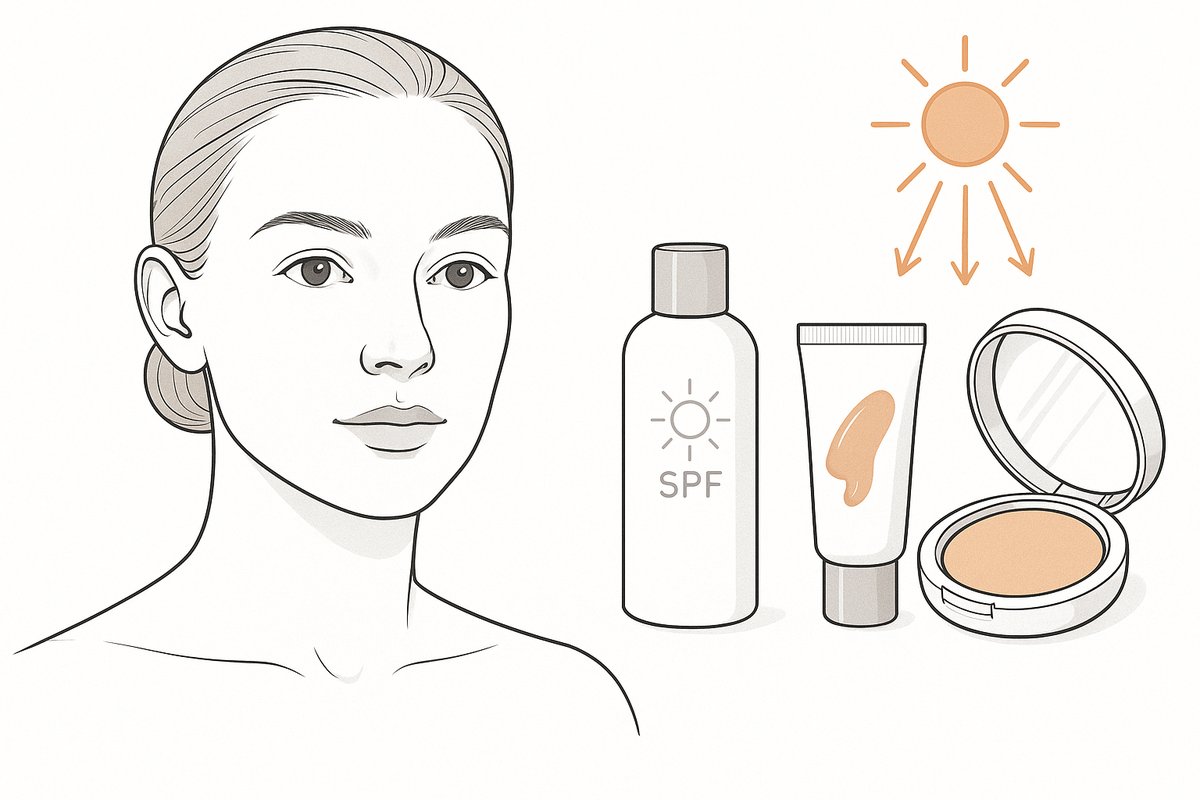
Here is the honest part: most people do not apply enough foundation or tinted moisturizer to reach the full SPF listed on the package. That is why dermatologists usually recommend using regular sunscreen first.
So if you want SPF makeup hybrids that actually work, the smartest strategy is this:
- Apply dedicated sunscreen first
- Let it set
- Use SPF makeup as a bonus protective layer
This approach gives you better coverage and better-looking skin.
Best kinds of SPF makeup hybrids
Tinted moisturizers with SPF
These are often the most practical because they combine light coverage, hydration, and daytime convenience. They are great for casual wear and “quick face” routines.
Skin tints with SPF
A good skin tint with SPF works well for people who want breathable coverage and a natural finish. These are especially popular in warmer months.
Cushions and compact foundations with SPF
These are useful for touch-ups and can be one of the more realistic formats for midday reapplication, though they still should not be your only sun defense.
Primers with SPF
These can be helpful if you want a smoother makeup base and a little added protection, but they still do not replace full sunscreen application.
What ingredients and features matter most
Broad-spectrum protection
Choose formulas that clearly state broad-spectrum UVA and UVB coverage.
Skin-friendly texture
The product should match your skin type. Dry skin often does well with hydrating SPF hybrids. Oily skin usually needs lighter gel-cream or soft natural finishes.
Supportive skincare extras
Niacinamide, antioxidants, peptides, and hydrating ingredients can make these products more appealing for daily use.
Common mistakes people make
Relying on makeup SPF alone
This is the biggest one. You usually do not apply enough product.
Applying too many conflicting layers
Some SPF makeup hybrids pill when layered over rich skincare or certain sunscreens. Simpler prep usually works better.
Choosing finish over function
If a product looks amazing but offers weak wear or poor compatibility, it is not really working for daily life.
Who should use SPF makeup hybrids?
These products are best for:
- People who already wear sunscreen and want extra backup
- Minimalist makeup users
- Busy morning routines
- Anyone who wants complexion products to multitask better
They are less useful for people who want maximum sun protection with no separate sunscreen step.
How to get the best result
Apply sunscreen first
Use enough sunscreen for your face and neck. Let it dry down.
Use a moderate amount of SPF makeup
Do not be afraid to apply enough product for even coverage, but do not assume that makeup amounts equal lab-tested sunscreen amounts.
Reapply strategically
If you are outdoors, consider SPF sticks, cushions, or powders for touch-ups, but remember that dedicated sunscreen reapplication is still best when possible.
Final verdict
SPF makeup hybrids that actually work are absolutely worth considering, but only when you define “work” correctly. They are great for convenience, appearance, and adding a bit more protection to a sunscreen-based routine. They are not usually a standalone replacement for sunscreen.
Used the right way, though, they are one of the most practical categories in modern beauty.
Key Takeaways
- Makeup alone is never a reliable substitute for dedicated sunscreen — the typical application amount is too thin to achieve the labeled SPF number.
- Tinted sunscreens are the most effective SPF makeup hybrids because they are formulated as sunscreen first, with tint as a secondary feature.
- Mineral SPF (zinc oxide, titanium dioxide) in makeup can cast white in photographs; newer micronized formulas reduce this significantly.
- Chemical SPF actives blend more invisibly in makeup but require careful formulation for stability.
- For reliable daily protection, use a tinted SPF 30+ product as your base layer and apply SPF powder for midday reapplication without disturbing makeup.
The SPF Application Problem With Makeup
Sun protection factor is measured by applying 2 mg of product per square centimeter of skin — a much thicker layer than most people apply with foundation or tinted moisturizer. Studies show that real-world SPF protection from makeup worn at normal application levels may be a fraction of the labeled SPF — sometimes as low as 20-25% of the rated protection. Some protection is always better than none, but relying on SPF foundation as your only sun protection on a beach day is not adequate.
Tinted Sunscreens vs Foundation-SPF Hybrids
Tinted sunscreens: Sunscreen products with tint added — SPF is the primary concern, coverage is secondary. These tend to deliver on their SPF claims more reliably. Trade-off: lighter coverage, limited shade range.
Foundation-SPF hybrids: Makeup products with SPF added — coverage is primary, SPF is secondary. Generally less reliable as a primary sun protection source because real-world protection depends heavily on how much is applied.
Mineral vs Chemical SPF in Makeup
Mineral filters (zinc oxide and titanium dioxide) sit on top of skin and physically deflect UV rays. Better tolerated by sensitive skin but can leave a white cast. Newer micronized and tinted formulas reduce this significantly.
Chemical filters (avobenzone, homosalate, octisalate) absorb UV energy and convert it to heat. Blend more invisibly and work well in makeup formulas, but some sensitive skin reacts to them.
How to Maintain SPF Coverage Throughout the Day
- SPF setting powders or mists: Apply mineral SPF powder or a UV-protection setting mist over full makeup every 2 hours for extended outdoor time.
- Shade strategy: Seek shade between 10am and 2pm when UV intensity is highest — the best sunscreen is one you do not need.
FAQ
Can foundation with SPF replace sunscreen?
Usually no. Most people do not apply enough foundation to get the full SPF listed on the package.
Are tinted moisturizers with SPF worth it?
Yes, especially as an added layer over sunscreen and for easier everyday routines.
What is the best SPF makeup hybrid for dry skin?
Hydrating tinted moisturizers or skin tints with SPF are usually the best fit.
Do SPF primers work?
They can add some protection and improve makeup application, but they are still not a full substitute for sunscreen.
Related Articles
- Best Tinted Moisturizers With Skincare Benefits
- Eco-Friendly Makeup Packaging That Is Actually Useful
- Best Heat-Proof Setting Sprays: What Actually Holds Makeup in Hot Weather
- Best Hybrid Complexion Products for Dry Skin
- Primer-Serum Hybrids Worth Buying
Sources
- U.S. Food and Drug Administration. Cosmetics labeling guide.
- Environmental Working Group. Skin Deep cosmetic ingredient safety database.
- Reviews on niacinamide and skin benefits. PubMed search.
- Reviews on sunscreen SPF in cosmetic formulations. PubMed search.
- European Commission. CosIng: cosmetic ingredient database.